
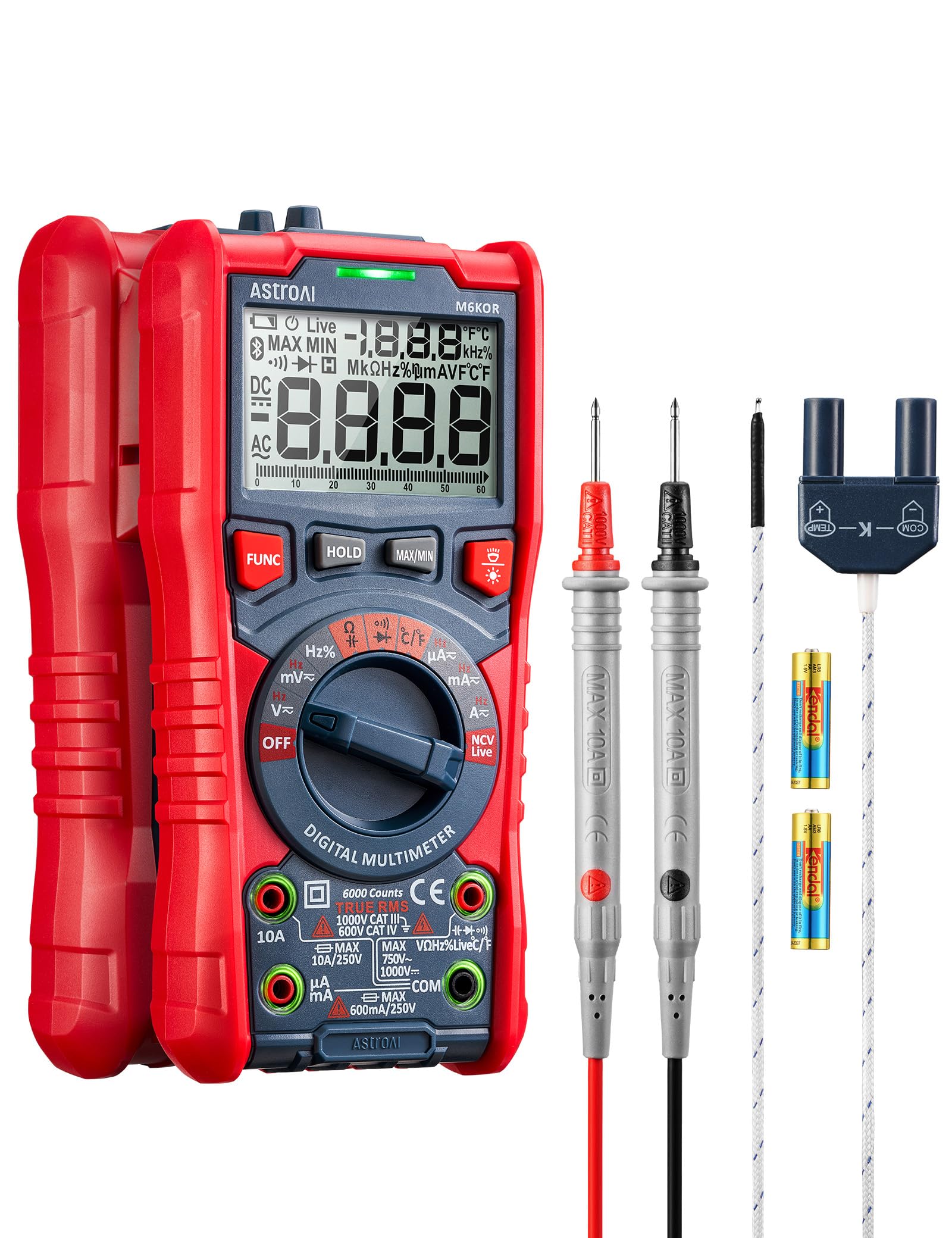
AstroAI Digital Multimeter
Confirms results accurately for under $15.
$12.99
AstroAI Digital Multimeter Upgrade from no-tool tests with precise 12V voltage/continuity checks.
Get the App
Better experience on mobile
Discover simple visual and functional tests using your car to check 12V battery health in under 15 minutes—no multimeter needed.
Dead 12V batteries strand millions of drivers yearly, often at the worst times like rush hour or road trips. Whether it's your car, RV, or boat battery, spotting issues early saves towing fees and replacement costs. This guide teaches foolproof, tool-free methods anyone can do at home.
You'll learn visual checks, load tests via headlights and cranking, and result interpretation to decide if your battery is good, weak, or dead. Perfect for beginners—no electrical knowledge required.
Expect 10-15 minutes total, with safe steps that use your vehicle's built-in systems. Let's get your battery tested confidently.
Estimated Time: 10-15 minutes Difficulty: beginner
Park your vehicle on a flat surface, engage the parking brake, and turn off the engine and all accessories (lights, radio, etc.). Remove the key from the ignition.
Why? This prevents accidental starts or shorts. Open the hood and locate the battery—usually a black rectangular box with two terminals (+ red, - black).
Expect: A quiet, safe workspace. Success looks like full access without hazards.
💡 Tips:
⚠️ Warnings:
Examine the battery case for cracks, bulges, leaks, or white powdery corrosion on terminals. Check for a rotten egg smell (sulfuric acid leak).
Why? Physical damage means the battery is unsafe or dead. Clean terminals lightly with baking soda/water mix if corroded (use a rag—no tools needed).
Expect: A solid, dry case with clean(ish) terminals. Bulging or heavy corrosion = likely bad.
💡 Tips:
⚠️ Warnings:
For non-sealed lead-acid batteries, peer into vent caps (twist off carefully). Fluid should cover plates by 1/4-1/2 inch.
Why? Low electrolyte indicates evaporation or failure. Top up with distilled water only if low (not acid).
Expect: Full cells = good sign. Cloudy or low = recharge or replace.
💡 Tips:
⚠️ Warnings:
Turn on headlights (low beams) without starting the engine. Wait 30 seconds, then observe brightness for 5 minutes.
Why? This simulates load—healthy batteries keep lights steady bright. Dimming or flickering = weak.
Expect: Bright, steady lights = good. Rapid dimming = bad. Turn off after.
💡 Tips:
⚠️ Warnings:
Turn on high-draw items: headlights, heater fan, radio. Listen/watch for 2-3 minutes.
Why? Mimics real use. Voltage sag causes dimming, weak fan, or distortion.
Expect: All run strong = healthy. Weak performance = failing battery.
💡 Tips:
⚠️ Warnings:
Try starting the engine. Note crank speed: quick 1-2 seconds = good.
Why? Starter draws massive amps—reveals true capacity.
Expect: Fast crank and start = pass. Slow, groaning crank (>3 sec) or no-start = bad. Let rest 5 min if failed.
💡 Tips:
⚠️ Warnings:
Good: Clean, no damage, bright lights, fast crank. Weak: Minor corrosion, dimming, slow crank. Bad: Damage, heavy dimming, no crank.
Why? Guides next action—charge good/weak, replace bad.
Expect: Clear verdict. Retest after charge if weak.
💡 Tips:
⚠️ Warnings:
Problem: Lights flicker randomly
Solution: Tighten loose cables by hand; check for bad ground.
Problem: Passes tests but dies overnight
Solution: Parasitic drain—remove accessories; test after 24hr off.
Problem: Slow crank but bright lights
Solution: Cold temps or thick oil—retest warm; or starter issue.
Problem: Battery hot to touch
Solution: Overcharged—disconnect; seek pro for alternator check.
Upgrade from no-tool tests with precise 12V voltage/continuity checks.
Best for: Confirms results accurately for under $15.
Price Range: $12.99
Digital load tester reads CCA, voltage, health %—far better than visual.
Best for: Quick plug-in test for cars/RVs; no disassembly.
Price Range: $25.99
Revives weak batteries safely with smart charging modes.
Best for: After testing weak—restores before replacing.
Price Range: $59.95
Easily removes corrosion without scratching.
Best for: During visual check for better connections.
Price Range: $8.99
Confirms results accurately for under $15.
AstroAI Digital Multimeter Upgrade from no-tool tests with precise 12V voltage/continuity checks.
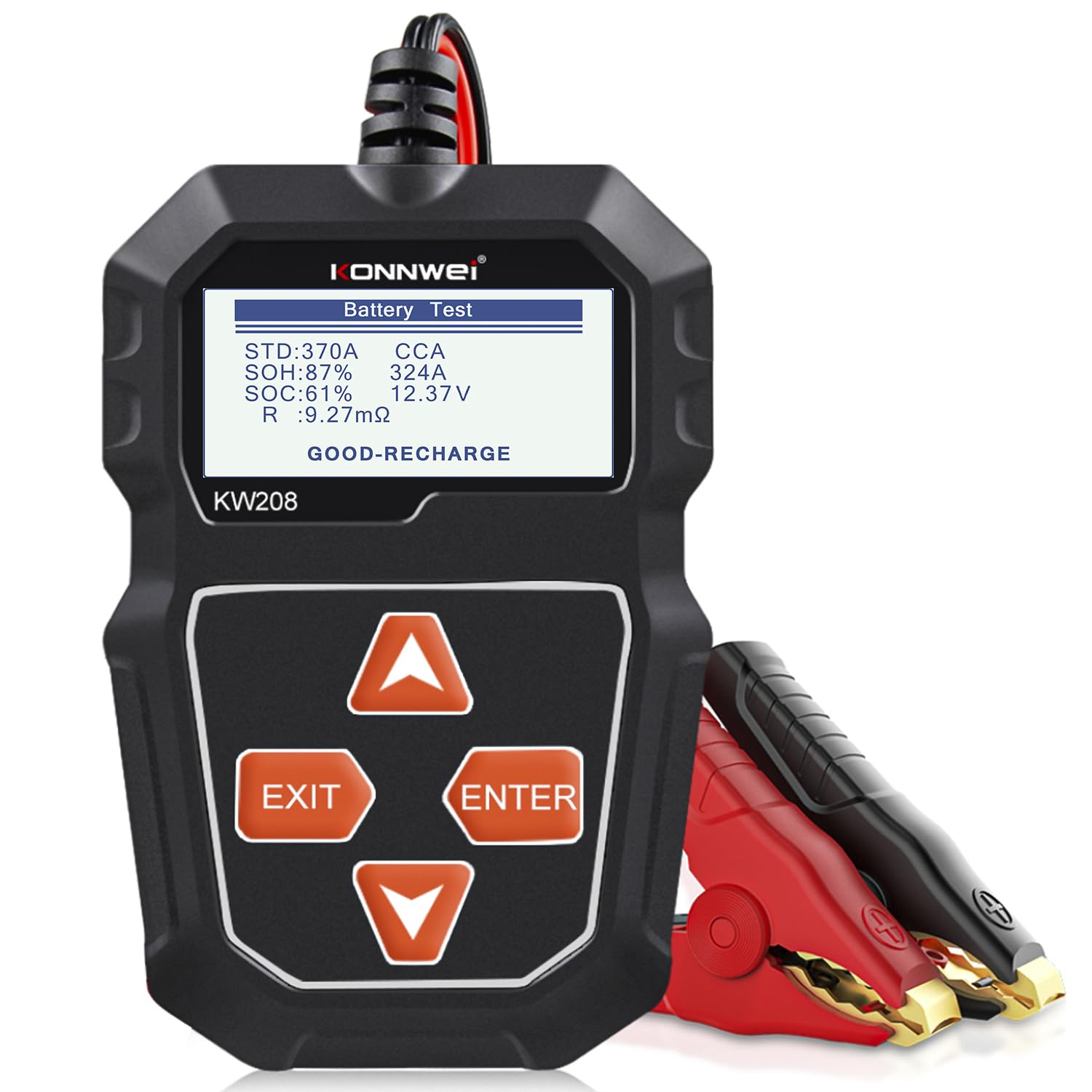
Quick plug-in test for cars/RVs; no disassembly.
KONNWEI KW208 Car Battery Tester Digital load tester reads CCA, voltage, health %—far better than visual.

After testing weak—restores before replacing.
NOCO GENIUS5 Battery Charger Revives weak batteries safely with smart charging modes.
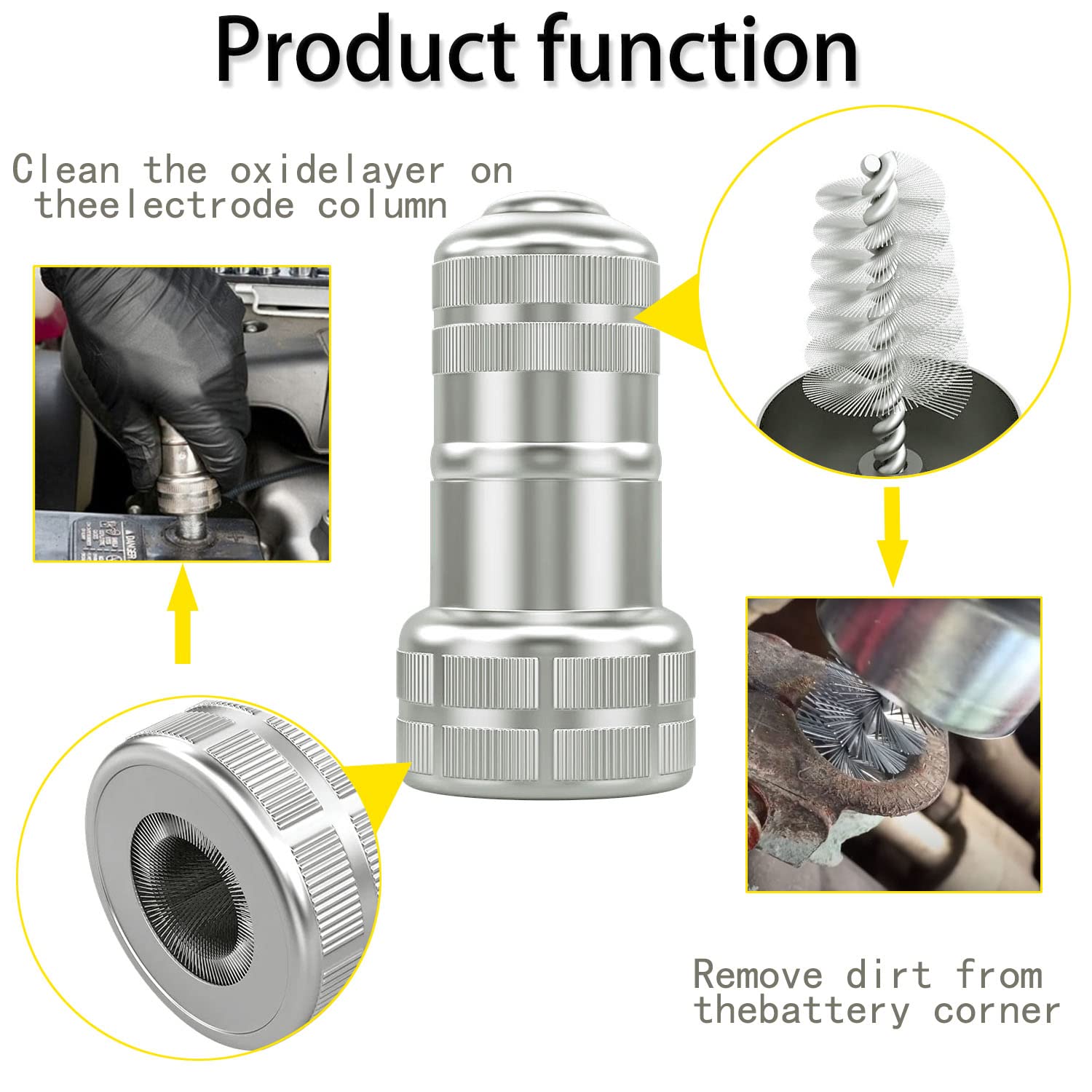
During visual check for better connections.
Terminal Cleaning Brush Kit Easily removes corrosion without scratching.