

D'Addario EJ16 Phosphor Bronze Light Acoustic Strings
Standard 12-53 set for dreadnought acoustics.
$6.99
D'Addario EJ16 Phosphor Bronze Light Acoustic Strings Perfect for folk music's warm, balanced tone; light gauge easy for beginners.
Get the App
Better experience on mobile
Master restringing your acoustic guitar with folk-friendly strings for warm tones and easy playability in 20-30 minutes as a beginner.
Playing folk music on an acoustic guitar demands warm, resonant tones that only fresh strings can deliver. Dull, worn-out strings muffle your chords and kill the sparkle in those fingerpicking patterns, but restringing is simpler than you think. Whether you're strumming 'Blackbird' or fingerstyle blues, this guide ensures your guitar sounds folk-authentic.
You'll learn to remove old strings, clean your guitar, and install new light-gauge phosphor bronze strings—perfect for folk's mellow vibe. No prior experience needed; we'll cover every detail. Expect a quick 20-30 minute process that transforms your guitar's sound.
By the end, your guitar will have bright, balanced tone ideal for folk, with strings that stay in tune longer and feel smooth under your fingers.
Estimated Time: 20-30 minutes Difficulty: beginner
Set up a clean, well-lit area like a table covered with a soft towel to protect your guitar. Lay out all tools and the new string set. Unpack the strings and note their gauges: for folk music, use light phosphor bronze (e.g., .012 low E to .053 high E) for easy bending and warm resonance.
Why it matters: A organized setup prevents lost parts and frustration. Success looks like everything within arm's reach, guitar tuned down slightly if needed.
Remove the plastic wrapping carefully to avoid nicks.
💡 Tips:
⚠️ Warnings:
Start with the low E (thickest) string. Use the string winder on the tuning peg, turning counterclockwise to loosen. Once slack, snip the string at the bridge with cutters (wear eye protection). Unthread from bridge pin and pull from tuner.
Repeat for all strings, one side at a time (bass first) to maintain neck tension. Why? Sudden full removal can stress the neck. Success: All strings off, no sharp ends left.
Pro tip: Remove opposite sides alternately if concerned about neck relief.
💡 Tips:
⚠️ Warnings:
With strings off, wipe the fretboard with a slightly damp cloth, then dry thoroughly. Use fretboard conditioner if available (optional). Clean nut, bridge, and tuning posts.
This step reveals the rosewood or ebony under grime, improving playability. For folk, a clean board enhances string vibration for better tone. Expect a fresh-smelling, smooth surface.
💡 Tips:
⚠️ Warnings:
Cut ~2 inches extra off the string end. Insert the cut end into the low E bridge pin hole from top. Pull through until ~2-3 inches protrude at headstock end. Seat the pin firmly with thumb.
Thread free end through tuner post hole. Pull taut, then wind 2-3 wraps clockwise (right-handed). Tune roughly to E using clip-on tuner.
Success: String secure, no slippage. Folk light gauges stretch easily.
💡 Tips:
⚠️ Warnings:
Follow the same process for A (.016), D (.024), G (.032). Thinner strings need less wrap room. Tune each roughly as you go.
Why sequential? Balances neck tension. Expect slight buzz initially—normal until stretched.
💡 Tips:
Plain steel B (.012) and high E (.012). Same insertion, but wind more wraps (3-4) due to thinness. Tune up.
All strings on! Guitar looks and sounds renewed.
💡 Tips:
Tune to pitch (EADGBE), then gently pull each string up/down 1-2 inches above fretboard. Retune. Repeat 3-4 times.
Stretching settles strings, preventing constant detuning. Folk players love stable tuning for long sessions. Final tune holds better.
💡 Tips:
⚠️ Warnings:
Clip excess at tuner posts, leaving 1/8 inch. Play chords (e.g., G, C, D for folk). Check for buzz, even action.
Success: Crisp folk tone, no slips. Play a tune!
💡 Tips:
Problem: Strings slip off tuners
Solution: Add peg drops or pencil graphite to posts; more wraps.
Problem: Fret buzz after restring
Solution: Stretch more and retune; truss rod tweak if persists (pro help).
Problem: Bridge pin pops out
Solution: Seat firmly with pin puller; replace if cracked.
Problem: Won't stay in tune
Solution: New strings take 1-2 days; stretch repeatedly.
Perfect for folk music's warm, balanced tone; light gauge easy for beginners.
Best for: Standard 12-53 set for dreadnought acoustics.
Price Range: $6.99
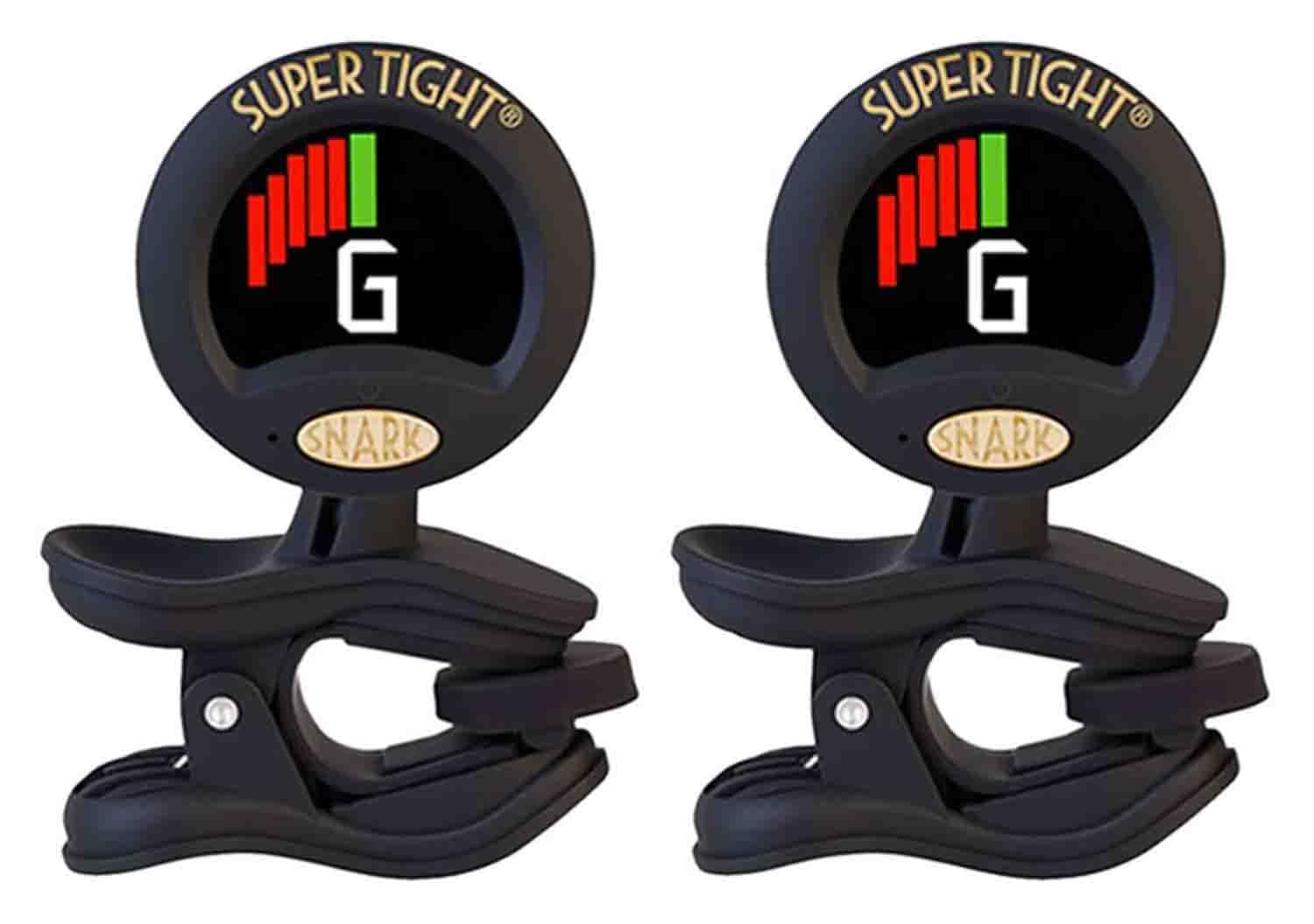
Accurate, vibration-based tuning with swivel display for quick restring sessions.
Best for: All guitars; chromatic mode for precise folk tunings.
Price Range: $15.99
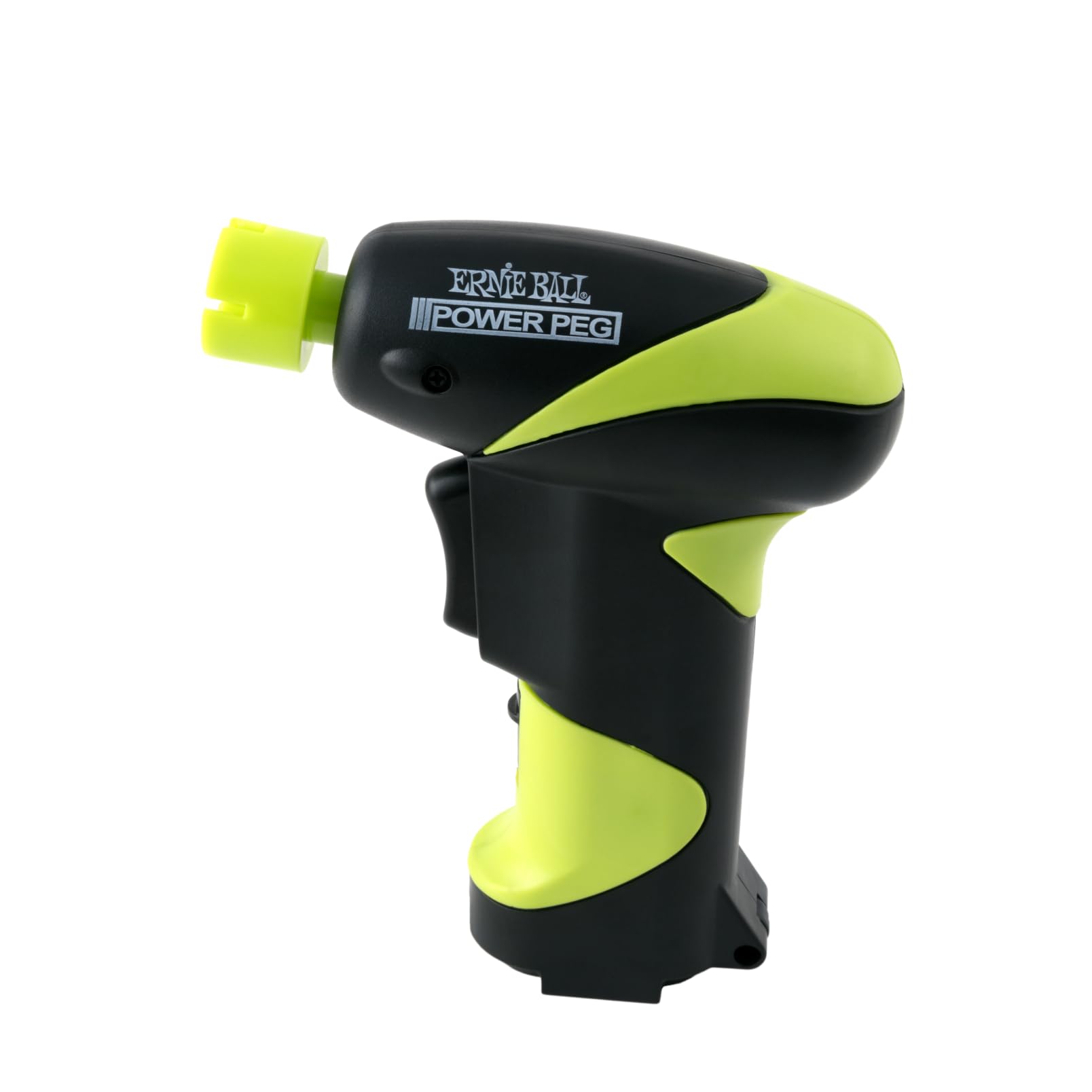
Speeds up loosening/tightening; fits most acoustic pegs.
Best for: Beginners to save time on repetitive turns.
Price Range: $7.99
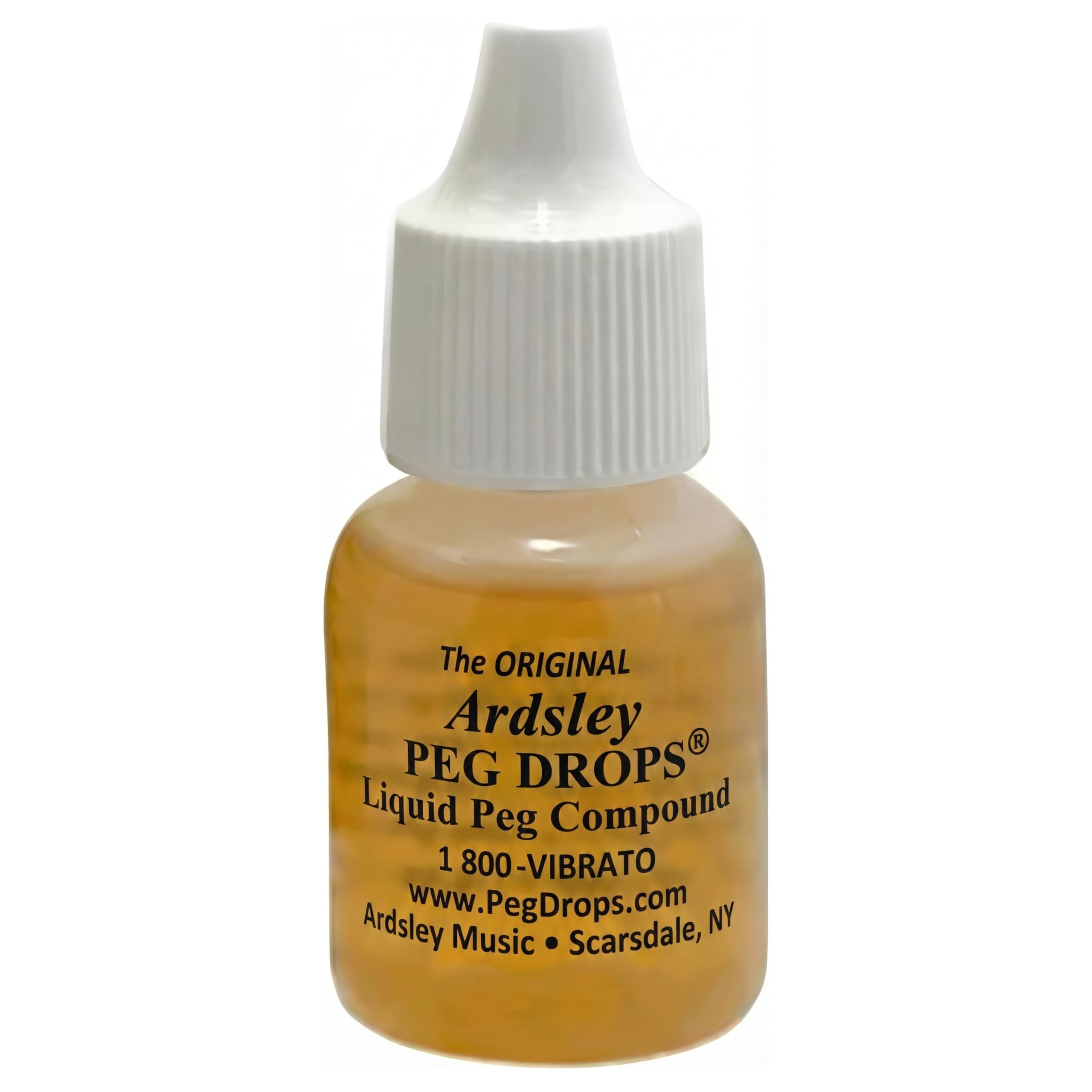
Prevents sticking tuners for stable folk tuning.
Best for: Dry climates or older guitars.
Price Range: $6.49
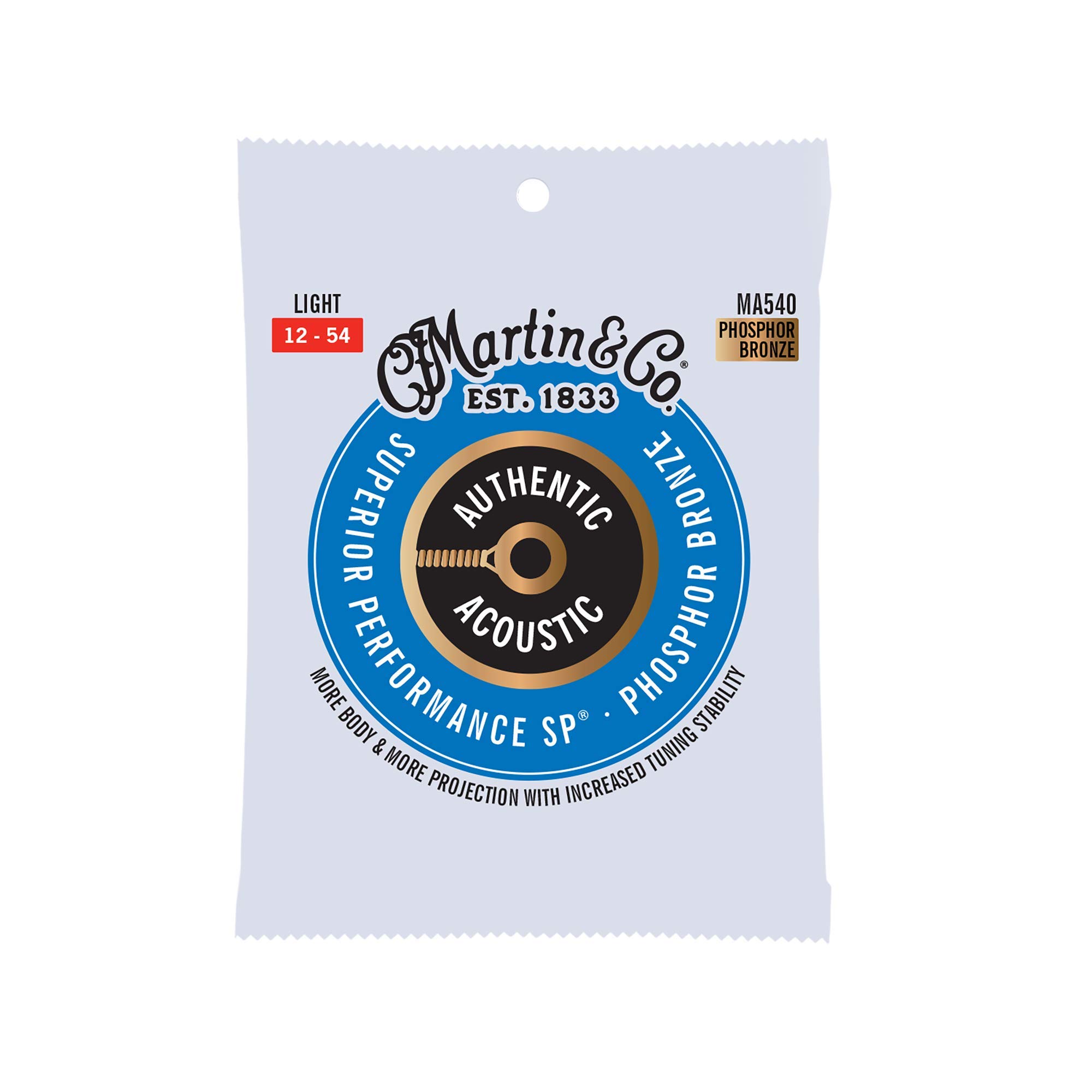
Authentic Martin tone for folk; coated for longer life.
Best for: Martin guitars or humid areas.
Price Range: $5.99
Standard 12-53 set for dreadnought acoustics.
D'Addario EJ16 Phosphor Bronze Light Acoustic Strings Perfect for folk music's warm, balanced tone; light gauge easy for beginners.
All guitars; chromatic mode for precise folk tunings.
Snark ST-8HZ Clip-On Tuner Accurate, vibration-based tuning with swivel display for quick restring sessions.
Beginners to save time on repetitive turns.
Ernie Ball 3373 Peg Winder Speeds up loosening/tightening; fits most acoustic pegs.
Dry climates or older guitars.
Dunlop Peg Drops String Lubricant Prevents sticking tuners for stable folk tuning.
Martin guitars or humid areas.
Martin MA140T Tension Phosphor Bronze Light Strings Authentic Martin tone for folk; coated for longer life.