
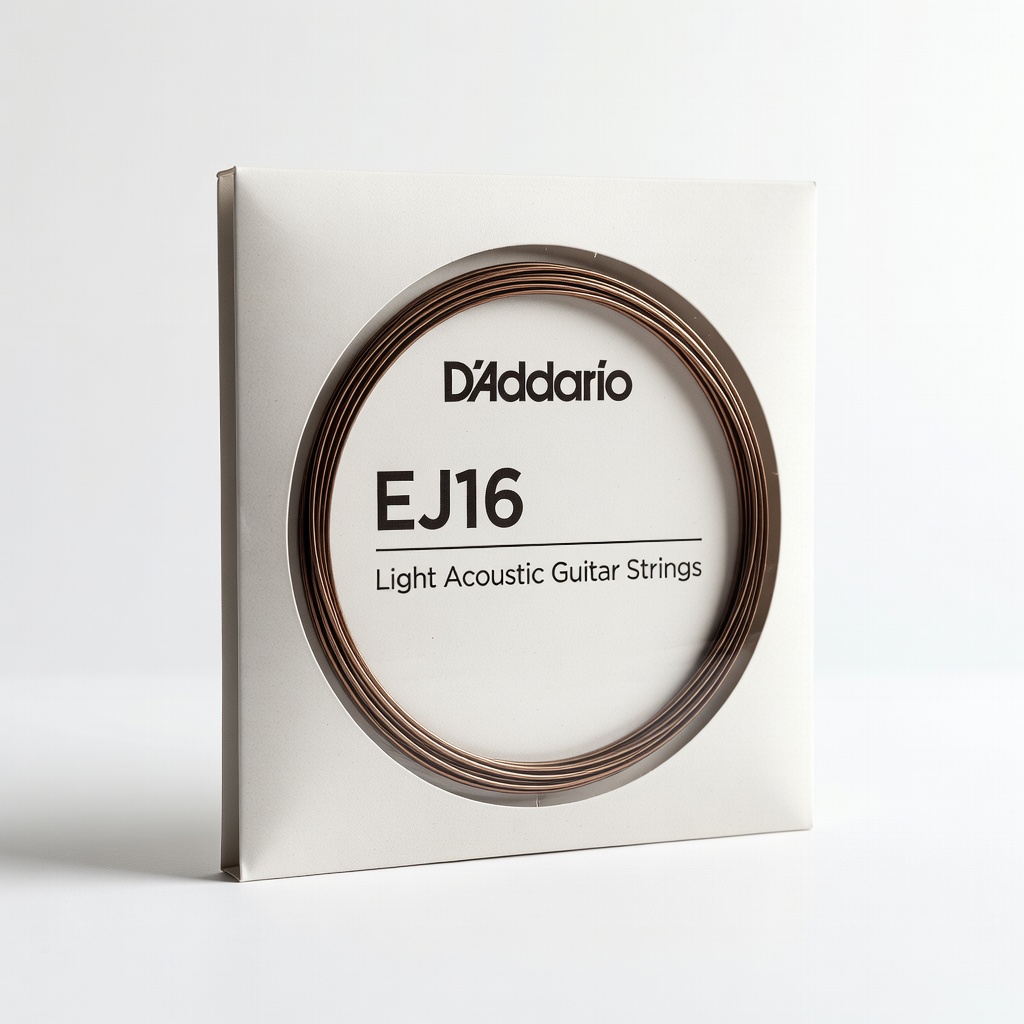
D'Addario EJ16 Light Acoustic Guitar Strings
Standard replacement for most acoustics.
$6.99
D'Addario EJ16 Light Acoustic Guitar Strings Phosphor bronze for warm tone, light gauge perfect for beginners; easy to stretch and tune-stable.
Get the App
Better experience on mobile
Master the essential stretching technique to keep your new acoustic guitar strings in tune longer and improve playability in just 20 minutes.
Ever installed fresh acoustic guitar strings only to have them slip out of tune every few minutes? This common frustration happens because new strings need stretching to settle into position. Without proper stretching, they'll keep stretching on their own during play, causing endless retuning.
In this beginner-friendly guide, you'll learn the complete process to install and stretch new acoustic guitar strings properly. By the end, your guitar will hold tune like a pro setup, saving you time and hassle. The process is simple, takes about 20-30 minutes, and requires no special skills—just patience and the right technique.
We'll cover everything step-by-step, from prep to final check, so you can achieve stable tuning right away.
Estimated Time: 20-30 minutes Difficulty: beginner
Clear a well-lit, flat surface and lay down a soft towel to protect your guitar's finish. Remove any accessories like picks or capos. Loosen all existing strings slightly by turning the tuning pegs counterclockwise—this makes removal easier and prevents tension buildup.
Why it matters: A clean workspace reduces accidents, and loosening prevents bridge pin damage or neck stress. Expect the guitar to look detuned but safe.
Pro tip: Work on one string at a time to maintain some tension on the neck.
💡 Tips:
⚠️ Warnings:
Starting with the low E (thickest), cut the string near the tuning peg with wire cutters. Unwind and remove from the peg, then pop out the bridge pin with your thumb or pliers (gently). Pull the string from the bridge and ball end.
Repeat for all strings, one by one. Dispose of old strings safely.
What to expect: Neck may feel 'naked' without tension, but it's temporary and normal. This step takes 5 minutes.
💡 Tips:
⚠️ Warnings:
Take a new string, uncoil it, and insert the ball end into the bridge pin hole (match gauge: thickest for low E). Push the pin in firmly until flush, using the string as leverage. Tug gently to seat the ball end securely.
Why it matters: Proper seating prevents slippage during stretching. Success: Pin sits flush, string doesn't pull out.
💡 Tips:
Rest the guitar on your lap (headstock elevated). Insert the straight end through the tuner hole from the headstock side. Pull through until the bridge end is taut, leaving 2-3 inches of slack at the tuner.
Use a peg winder to pre-twist if available. Clip excess later.
Expect: String runs straight from bridge to tuner without kinks.
⚠️ Warnings:
Clip on tuner, select standard EADGBE tuning. Wind tuners clockwise (right-handed guitar) to bring each string to pitch, using 2-3 winds max. Cut excess string close to post.
Why: Gets strings to full tension before stretching. Success: All strings at pitch per tuner, though they'll flatten soon.
💡 Tips:
For each bass string: Fret at 3rd fret with left hand, hook right index finger under string at 12th fret, pull up firmly 1-2 inches (like lifting off neck). Release—it will snap back slightly.
Retune immediately. Repeat 4-6 times per string until it holds pitch.
Why: Settles windings and removes slack. Expect: Sharper 'ping' sound, stable tuning after reps.
⚠️ Warnings:
Repeat exact process for thinner strings, but pull slightly gentler (thinner = more fragile). Retune after each pull, 4-6 reps.
Full cycle: Bass first, then treble for even tension.
💡 Tips:
Tune all strings precisely. Play for 5-10 minutes, retune as needed (minimal slip = success). Wipe strings with cloth.
Your guitar now holds tune for hours. Full stability in 1-2 days of play.
💡 Tips:
Problem: Strings won't stay in tune after stretching
Solution: Repeat stretches 2 more times; check nut slots for binding (lubricate with graphite). Wait 24 hours.
Problem: String breaks during stretch
Solution: Replace with spare; pull gentler next time, ensure no kinks.
Problem: Bridge pin pops out
Solution: Re-seat firmly; if loose, replace pins (cheap fix).
Problem: Buzzing after install
Solution: Check action height; retune and stretch more. Seek luthier if persists.
Phosphor bronze for warm tone, light gauge perfect for beginners; easy to stretch and tune-stable.
Best for: Standard replacement for most acoustics.
Price Range: $6.99
Accurate, vibration-based tuning with swivel display; essential for precise pitch during stretching.
Best for: All guitar tuning tasks.
Price Range: $14.99
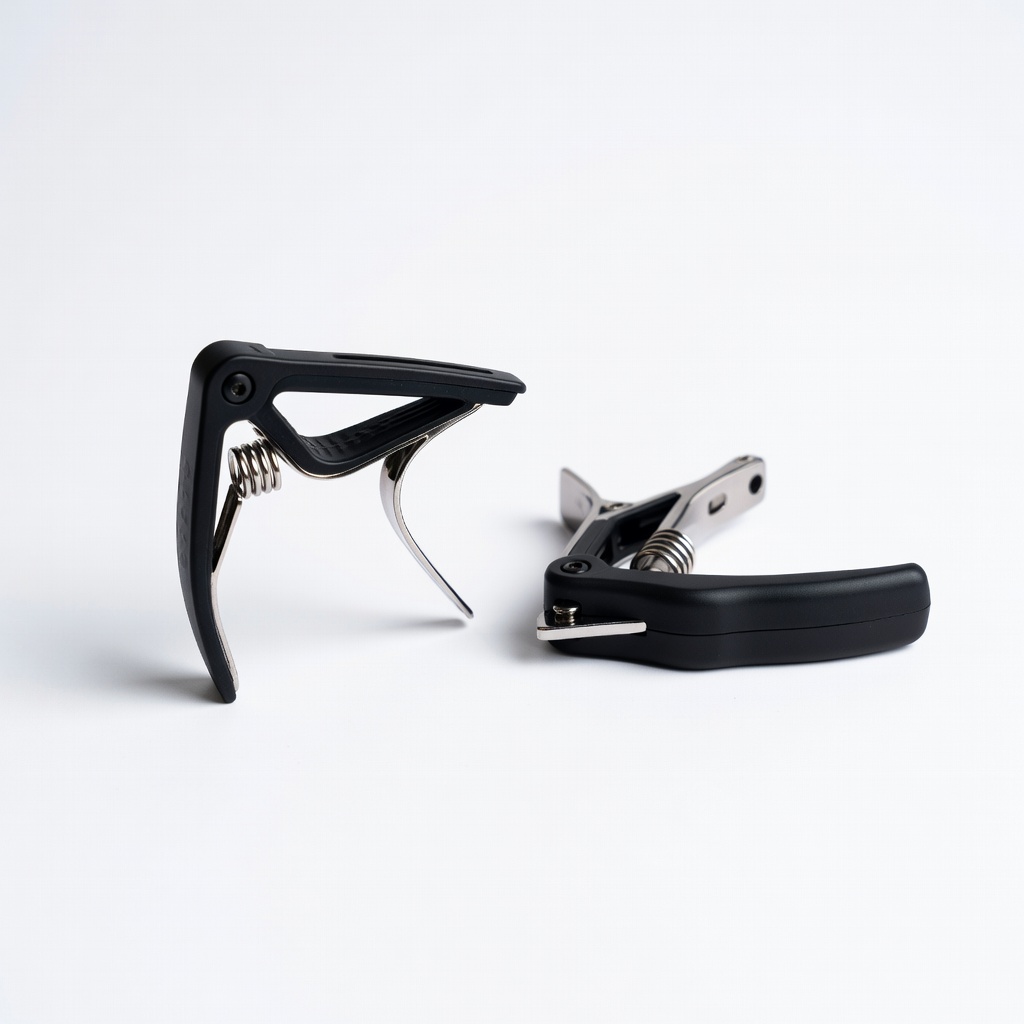
2-in-1 tool speeds winding and acts as capo for tuning checks; durable for beginners.
Best for: Fast string changes.
Price Range: $5.99
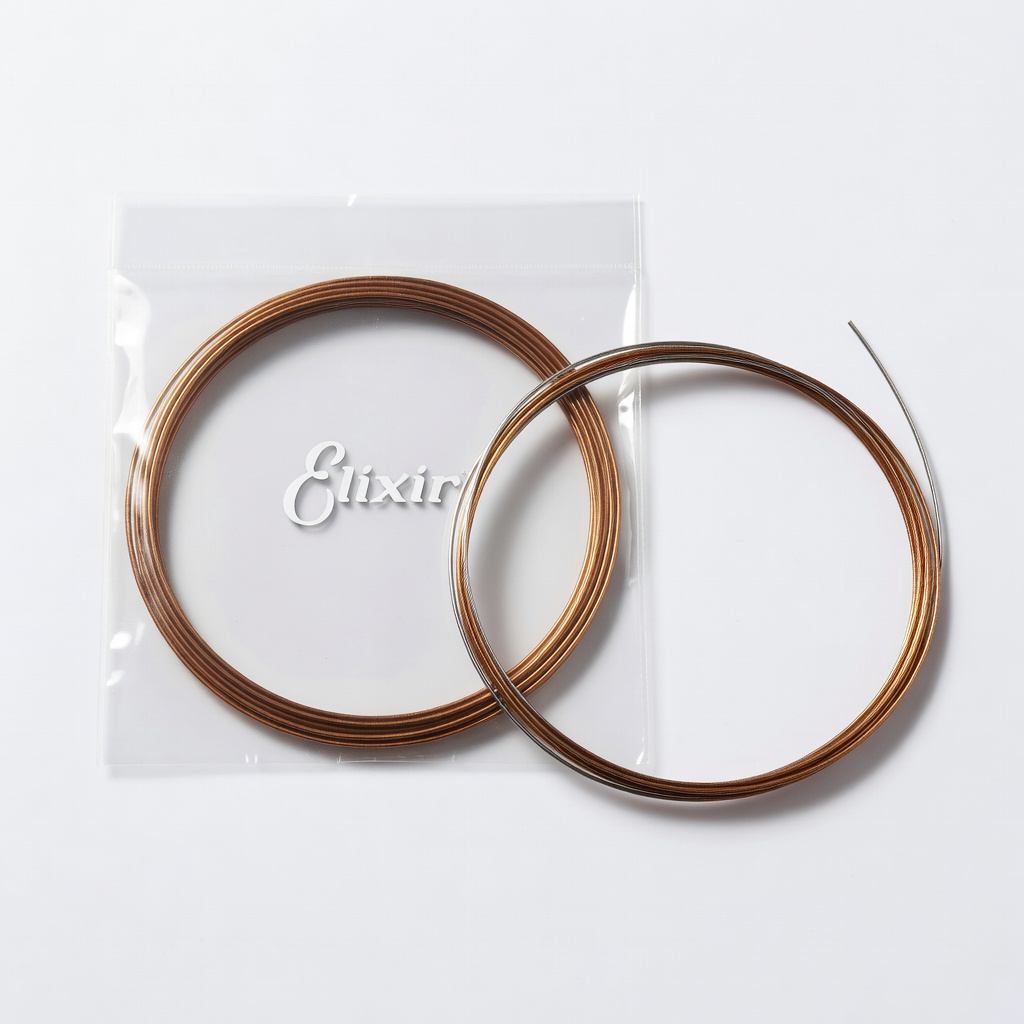
Coated for longer life, less stretching needed; smoother feel post-install.
Best for: Players wanting low maintenance.
Price Range: $12.99
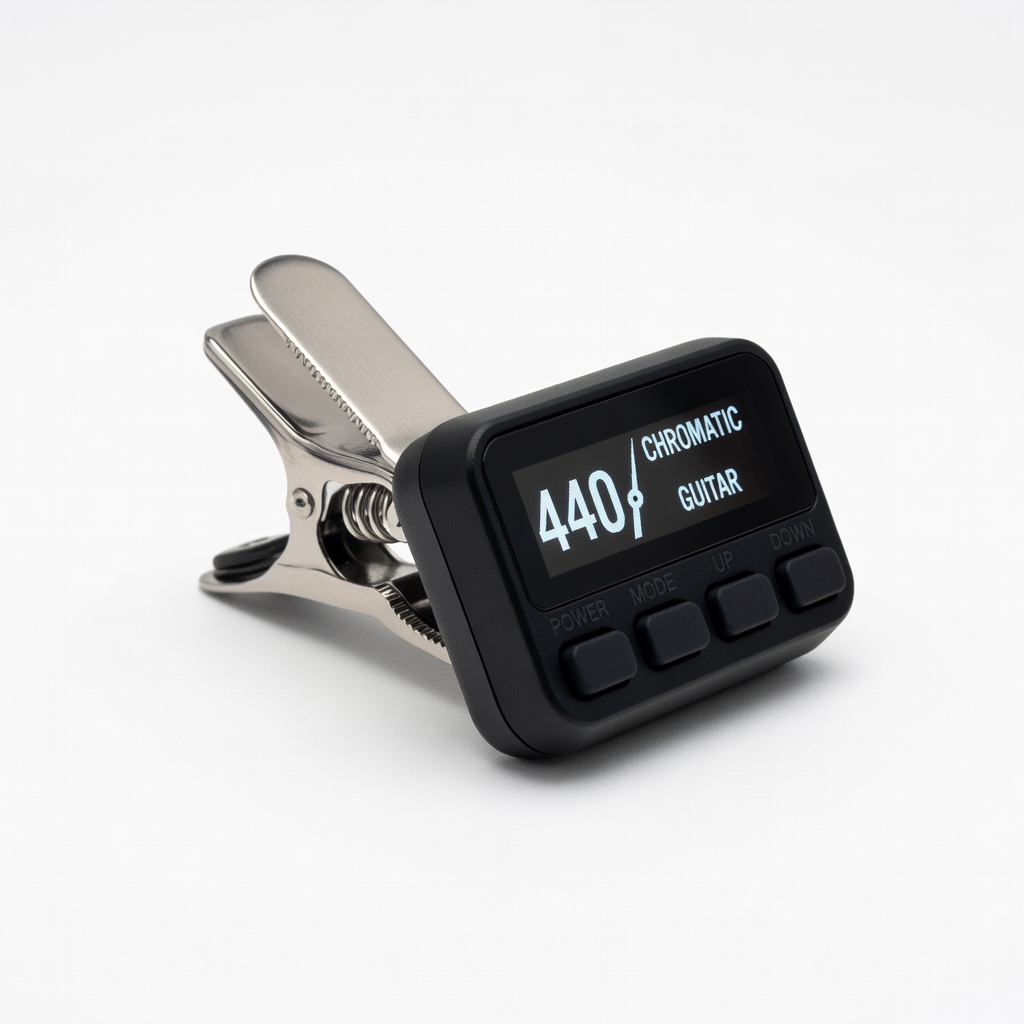
Large display, multiple modes; reliable for acoustic vibration tuning.
Best for: Upgrade for better visibility.
Price Range: $24.99
Standard replacement for most acoustics.
D'Addario EJ16 Light Acoustic Guitar Strings Phosphor bronze for warm tone, light gauge perfect for beginners; easy to stretch and tune-stable.

All guitar tuning tasks.
Snark ST-2 Super Tight Clip-On Tuner Accurate, vibration-based tuning with swivel display; essential for precise pitch during stretching.
Fast string changes.
Dunlop 100T Capo and String Winder 2-in-1 tool speeds winding and acts as capo for tuning checks; durable for beginners.
Players wanting low maintenance.
Elixir 80/20 Bronze Acoustic Strings (Extra Light) Coated for longer life, less stretching needed; smoother feel post-install.
Upgrade for better visibility.
Fender Professional Clip-On Tuner Large display, multiple modes; reliable for acoustic vibration tuning.