
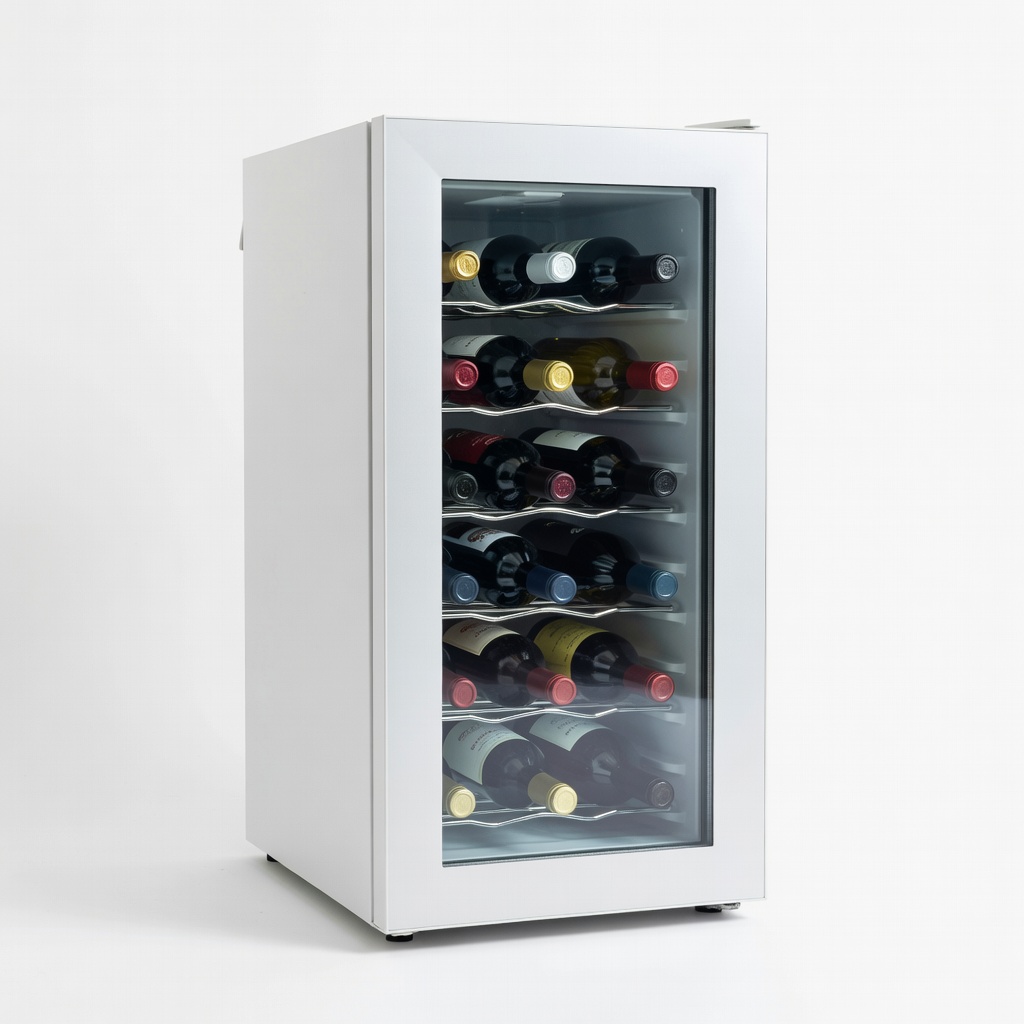
Ivation 28 Bottle Compressor Wine Cooler
Ideal for 10-30 bottle collections needing temp control.
$229-$269
Ivation 28 Bottle Compressor Wine Cooler Maintains precise 41-64°F and 50-80% humidity for all wines and spirits.
Get the App
Better experience on mobile
Master simple storage techniques to keep wine, beer, spirits fresh and flavorful for months without wasting a drop.
Ever cracked open a bottle of wine only to find it tastes flat or vinegary? Improper storage is the silent killer of alcoholic beverages, causing oxidation, light damage, and off-flavors that ruin your collection. Whether you're a casual drinker or budding enthusiast, knowing how to store liquor properly preserves quality and saves money.
In this beginner-friendly guide, you'll learn tailored storage rules for wine, beer, spirits, and liqueurs. We'll cover everything from picking the right spot to monitoring conditions, with step-by-step instructions that take under an hour to set up. No fancy equipment needed at first—just smart habits for peak flavor.
Expect easy wins: stable temps, darkness, and proper positioning. Your drinks will taste better longer, and you'll avoid common pitfalls like kitchen counter disasters.
Estimated Time: 30-45 minutes for initial setup; 5 minutes weekly for checks Difficulty: beginner
Start by sorting your collection: wines (red, white, sparkling), spirits (whiskey, vodka, rum), beer, and liqueurs. Each has unique needs—wine hates heat and light, spirits prefer cool darkness upright, beer stays freshest cold.
Why it matters: Wrong storage accelerates spoilage. Success looks like categorized bottles ready for specific conditions. Label groups with sticky notes if needed.
💡 Tips:
⚠️ Warnings:
Pick a spot away from sunlight, heat sources (ovens, radiators), vibrations (fridges, speakers), and odors (garage chemicals). Basements, interior closets, or under-stair areas work best.
Ideal: Consistent 55°F (13°C) for wine/spirits, 40-50°F for beer. Expect a noticeably cooler, stable area—test with a thermometer first. This prevents 'cork taint' and flavor loss.
💡 Tips:
⚠️ Warnings:
Wine: 50-60°F steady. Spirits: 55-65°F. Beer: 38-55°F (fridge for short-term). Use a thermometer to monitor—fluctuations cause expansion/contraction, pushing air into bottles.
Set up: Place a digital monitor in your space. Success: Readings stable within 5°F daily. Adjust with fans or insulation if needed.
💡 Tips:
Wine needs 60-70% humidity to keep corks moist and sealed. Dry air shrinks corks, letting oxygen in and turning wine to vinegar.
How: Add a hygrometer; use humidifiers or damp sponges in a tray if low. Spirits/beer ignore humidity. Expect plump corks—no cracks after months.
⚠️ Warnings:
Store wine horizontal to wet corks. Upright for spirits/screw-tops to avoid sediment disturbance. Beer upright to protect caps.
Why: Keeps seals tight. Line up on racks—success is no wobbling stacks, easy access.
💡 Tips:
UV light 'cooks' wine (lightstruck flavors in beer too). Use dark bottles, boxes, or cabinets. Cover clear ones with sleeves.
Success: Zero direct light—flavors stay vibrant, no skunky smells.
⚠️ Warnings:
For partials: Vacuum pump, inert gas, or tight stoppers. Date and track via app/spreadsheet.
Weekly check: Smell/test. Success: No waste, organized list.
💡 Tips:
Problem: Wine tastes vinegary
Solution: Oxygen ingress from dry cork—boost humidity and reseal.
Problem: Beer smells skunky
Solution: Light exposure—move to dark, drink sooner.
Problem: Spirits cloudy or harsh
Solution: Temp swings—stabilize environment, filter if sediment.
Problem: Corks crumbling
Solution: Low humidity or age—transfer to glass decanter.
Maintains precise 41-64°F and 50-80% humidity for all wines and spirits.
Best for: Ideal for 10-30 bottle collections needing temp control.
Price Range: $229-$269
Bluetooth-enabled for real-time temp/humidity alerts via app.
Best for: Monitor any storage space without constant checks.
Price Range: $12.99
Sturdy wood holds bottles horizontal, fits closets/countertops.
Best for: Beginner stacking for wine without dedicated fridge.
Price Range: $19.99
Argon gas displaces oxygen in opened bottles, extends life 30+ days.
Best for: For unfinished wines—non-toxic, no pumps needed.
Price Range: $14.99
Pulls air out for vacuum seal, affordable for multiples.
Best for: Quick seal for casual drinkers with 1-2 open bottles.
Price Range: $19.99
Ideal for 10-30 bottle collections needing temp control.
Ivation 28 Bottle Compressor Wine Cooler Maintains precise 41-64°F and 50-80% humidity for all wines and spirits.

Monitor any storage space without constant checks.
Govee Hygrometer Thermometer HT08 Bluetooth-enabled for real-time temp/humidity alerts via app.
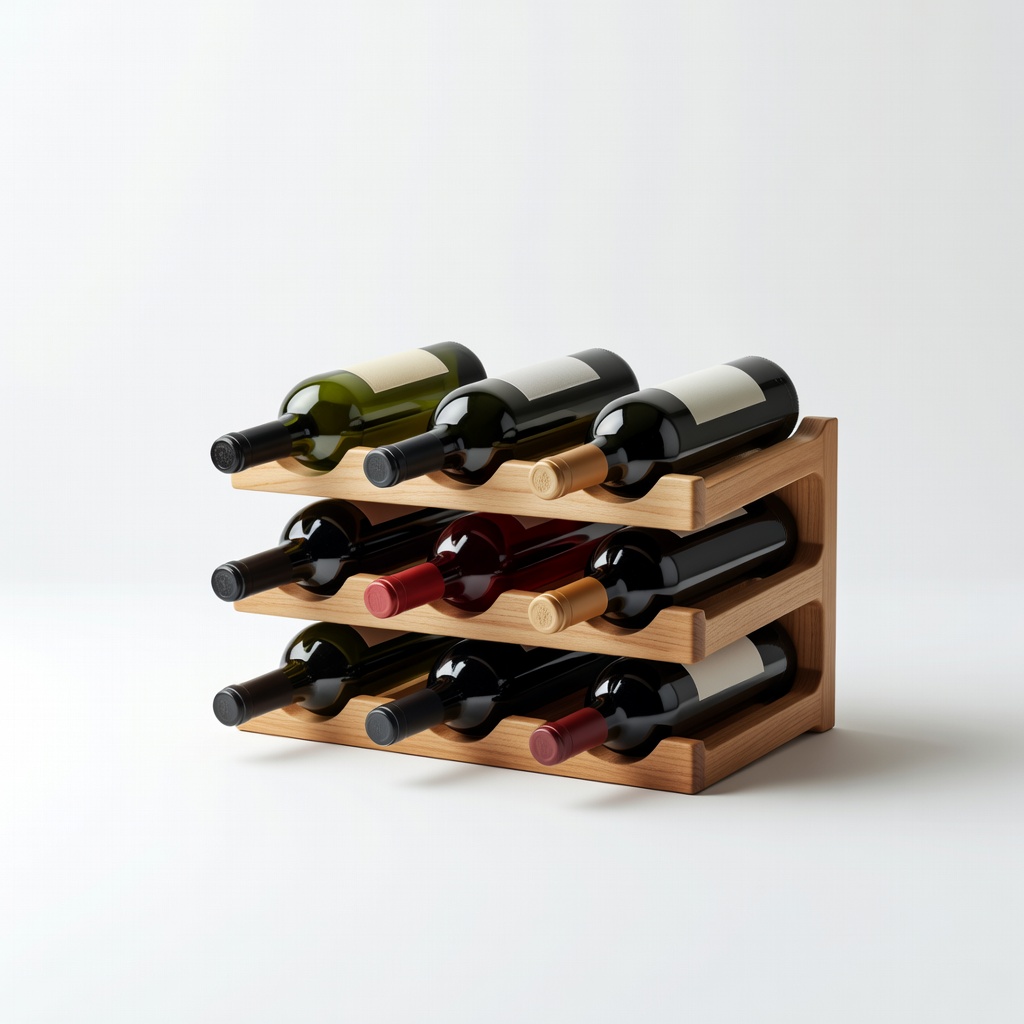
Beginner stacking for wine without dedicated fridge.
SRIWOOD 6 Bottle Wine Rack Sturdy wood holds bottles horizontal, fits closets/countertops.
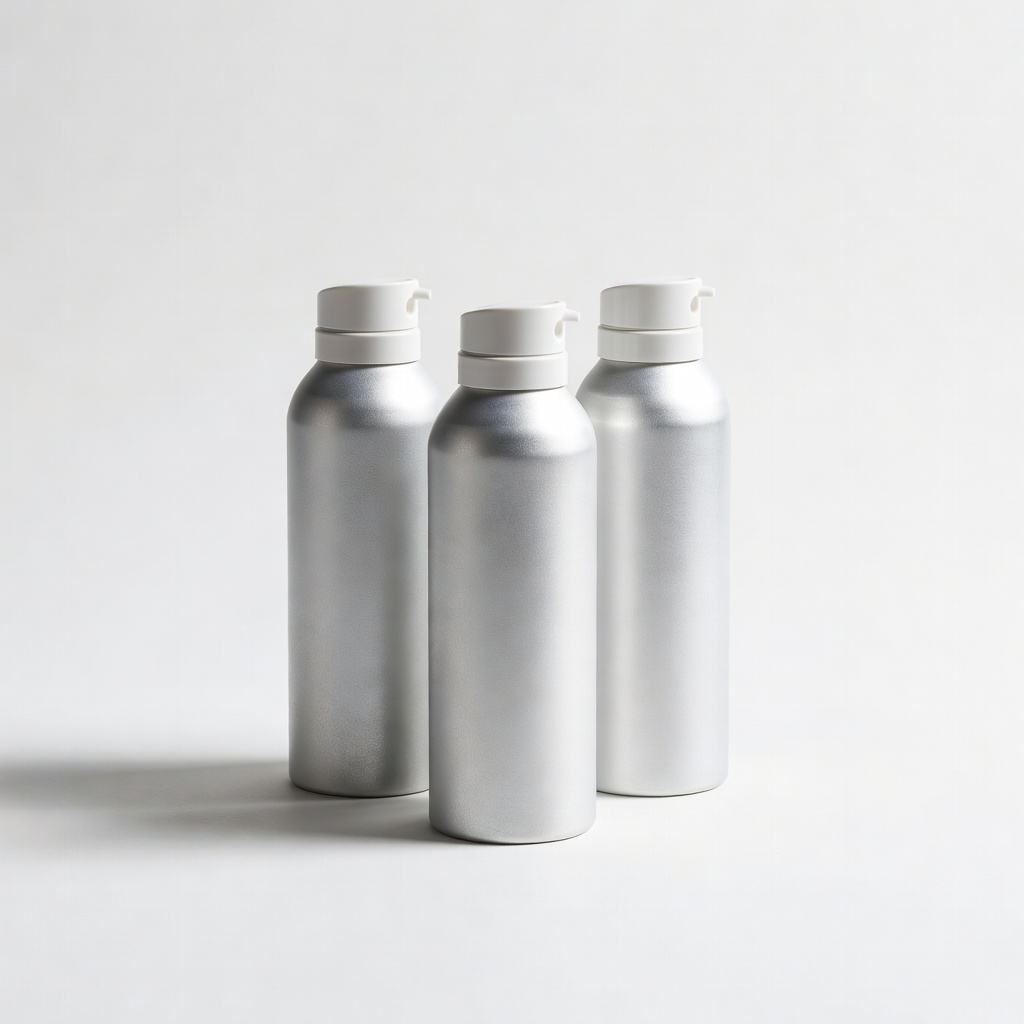
For unfinished wines—non-toxic, no pumps needed.
Private Preserve Wine Preserver (3-pack) Argon gas displaces oxygen in opened bottles, extends life 30+ days.
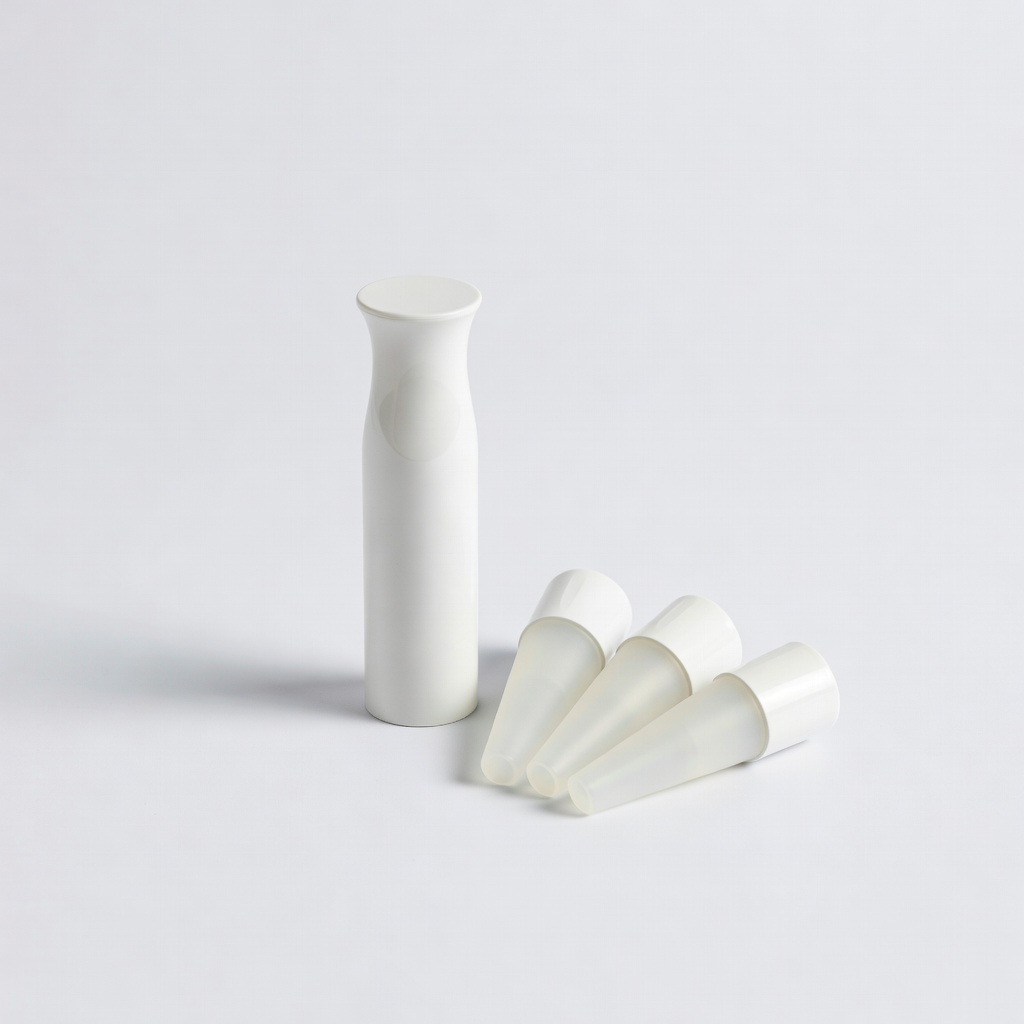
Quick seal for casual drinkers with 1-2 open bottles.
Vacu Vin Wine Pump and Stoppers Pulls air out for vacuum seal, affordable for multiples.