Struggling to find your favorite active shorts when you're rushing out for a run or gym session? Mismatched drawers and crumpled piles lead to frustration and skipped workouts. This guide solves that by teaching simple, space-saving storage methods tailored for beginners.
You'll learn proven techniques like vertical folding and smart organizers to keep your shorts wrinkle-free and ready in seconds. Whether you have a small drawer or closet space, these steps work anywhere. Expect a clutter-free system that saves time and keeps your gear performing at its best.
The process takes 15-30 minutes, is beginner-friendly, and uses everyday items—no fancy tools needed.
▸What You'll Need
- •Your active shorts collection
- •Clean, dry workspace (like a bed or table)
- •Drawer dividers or fabric organizers (optional but recommended)
- •Labels or marker (optional)
- •Folding board (optional for perfect folds)
Estimated Time: 15-30 minutes
Difficulty: beginner
▸Step-by-Step Instructions
Step 1: Gather and Sort Your Active Shorts
Start by pulling out all your active shorts from drawers, laundry baskets, or closets. Lay them on a flat surface like your bed.
Sort into categories: by color, activity (running, gym, cycling), or frequency of use (daily favorites first). Discard or donate any worn-out pairs with holes, faded elastic, or stains. This declutters immediately.
Success looks like: 5-20 neatly piled shorts ready for organization, with only your best gear kept.
💡 Tips:
- •Keep only 7-10 pairs max for quick decisions.
Step 2: Clean and Prep the Shorts
Wash any dirty shorts using cold water and athletic detergent to preserve stretchy fabrics. Air-dry flat or on a hanger to avoid shrinkage—tumble dry low if needed.
Once dry, shake out wrinkles and inspect for lint. This prevents musty smells or damage in storage.
Success looks like: Fresh, smooth shorts that stand up easily without creases.
⚠️ Warnings:
- •Avoid hot dryers; they shrink spandex blends.
Step 3: Choose Your Storage Location
Pick a spot: top drawer for daily access, closet shelf for bulk, or door hanger for small spaces. Measure the area (e.g., drawer width) to fit organizers.
Prioritize eye-level spots for 'quick access'—no digging required.
Success looks like: A dedicated 12-18 inch space cleared and measured.
💡 Tips:
- •Gym bag shelf? Use it for overflow.
Step 4: Fold Shorts Vertically for Visibility
Lay shorts flat, fold legs together, then fold in thirds lengthwise. Stand upright like files—no stacking.
Use a folding board for uniform sizes if you have one. This KonMari-inspired method lets you see every pair at a glance.
Success looks like: Shorts standing shoulder-to-shoulder in a row, all visible.
💡 Tips:
- •Fold waistband out for easy grabbing.
Step 5: Install Dividers or Organizers
Place adjustable dividers in drawers or slot folded shorts into fabric bins on shelves. For closets, use hanging pockets sized for shorts (about 12x12 inches).
This keeps them separated and prevents toppling.
Success looks like: Neat rows or pockets, no mixing or falling over.
Step 6: Label for Easy Identification
Add labels like 'Daily Run', 'Gym Black', or 'Cycling' using tape, a label maker, or marker on bins. Front-facing labels speed selection.
Success looks like: Instant recognition—no unfolding to check.
💡 Tips:
- •Use icons (running shoe emoji) for fun.
Step 7: Test and Maintain the System
Grab a pair blindfolded to test speed. Use it for a week, then refill as needed—always refold after washing.
Weekly 2-minute tidy keeps it perfect.
Success looks like: Grabbing shorts in under 10 seconds every time.
⚠️ Warnings:
- •Don't overload; leave space for air flow.
▸Pro Tips
- •Roll shorts for gym bags—saves even more space.
- •Color-code by workout type for subconscious speed.
- •Store with matching tops nearby for full outfits.
- •Use compression cubes for travel but unpack for home.
- •Vacuum-seal spares seasonally to save drawer space.
- •Rotate use to even wear—front pairs get used first.
- •Add dryer sheets between stacks for freshness.
▸Common Mistakes to Avoid
- •Stacking flat: Hides bottom pairs, causes wrinkles—fold vertical instead.
- •Overstuffing drawers: Leads to chaos—limit to 10 pairs per section.
- •Skipping cleaning: Causes odors—always prep first.
- •No labels: Wastes time searching—tag everything.
- •Ignoring space limits: Measure first to avoid mismatches.
▸Troubleshooting
Problem: Shorts wrinkle easily
Solution: Use breathable organizers and air-dry; mist with water and smooth before folding.
Problem: Not enough space
Solution: Switch to over-door hanging organizers or purge extras.
Problem: Smelly storage
Solution: Add cedar blocks or silica packs; ensure good airflow.
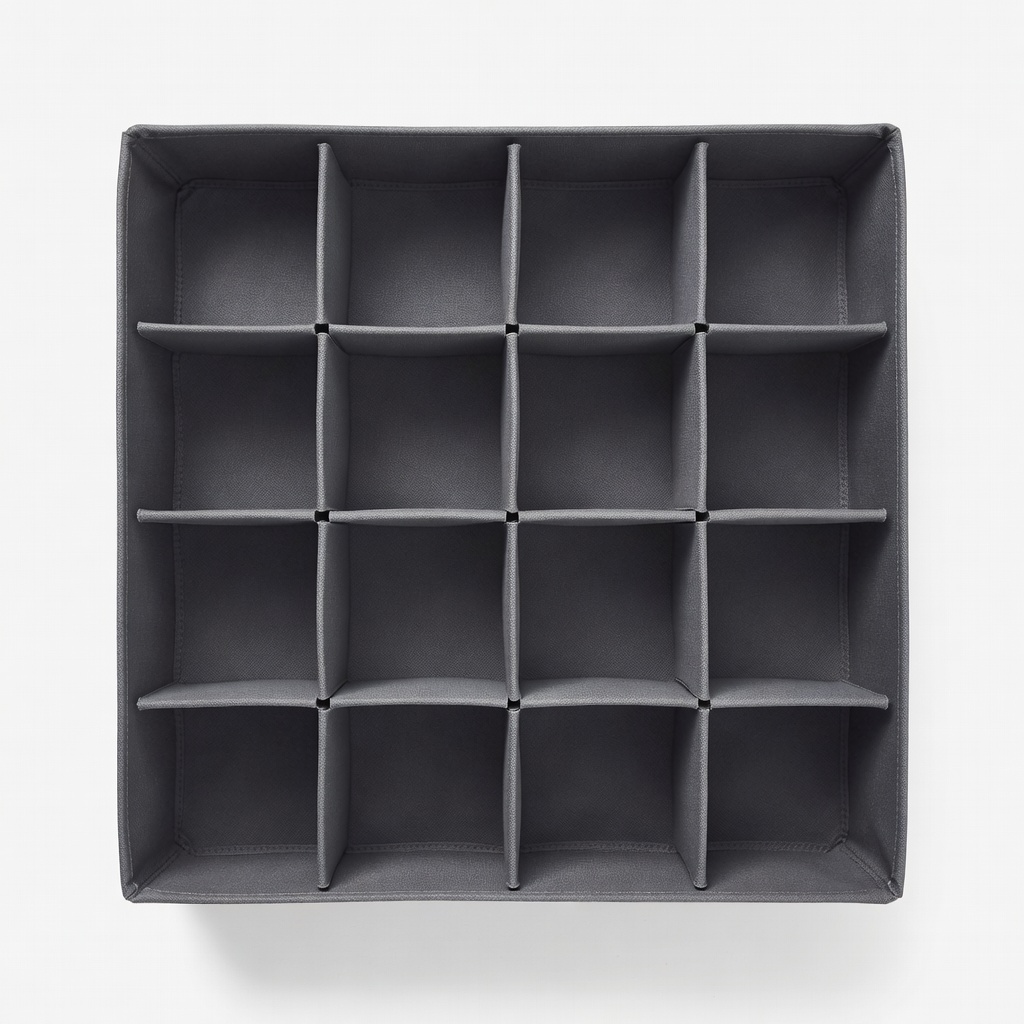
SimpleHouseware Drawer Organizer Fabric Bins (24-Cell Gray)
Perfect for separating folded shorts vertically in drawers, keeping them visible and contained.
Best for: Ideal for bedroom dressers with multiple pairs.
Price Range: $12.99
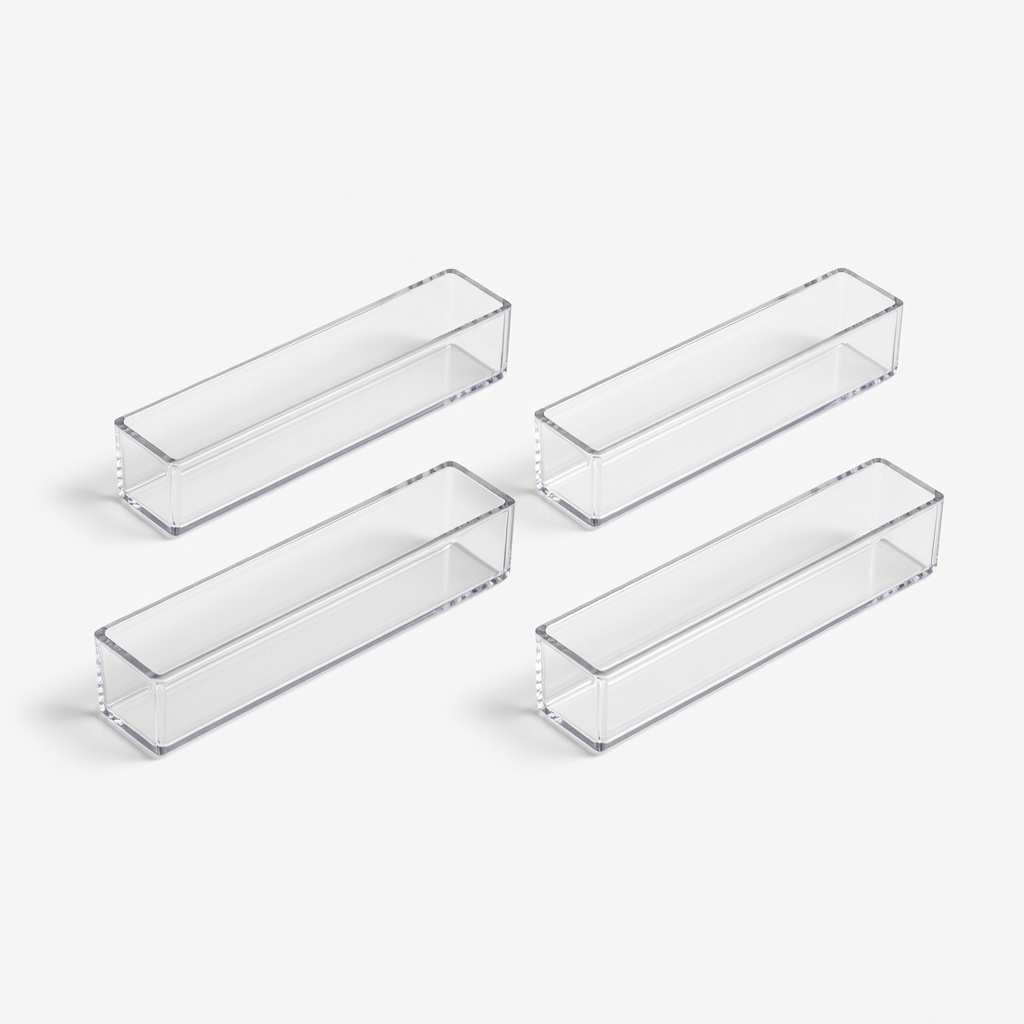
mDesign Plastic Drawer Dividers - Clear 4-Pack
Adjustable bins fit any drawer size, preventing shorts from mixing or spilling.
Best for: Quick access in nightstands or gym lockers.
Price Range: $14.99
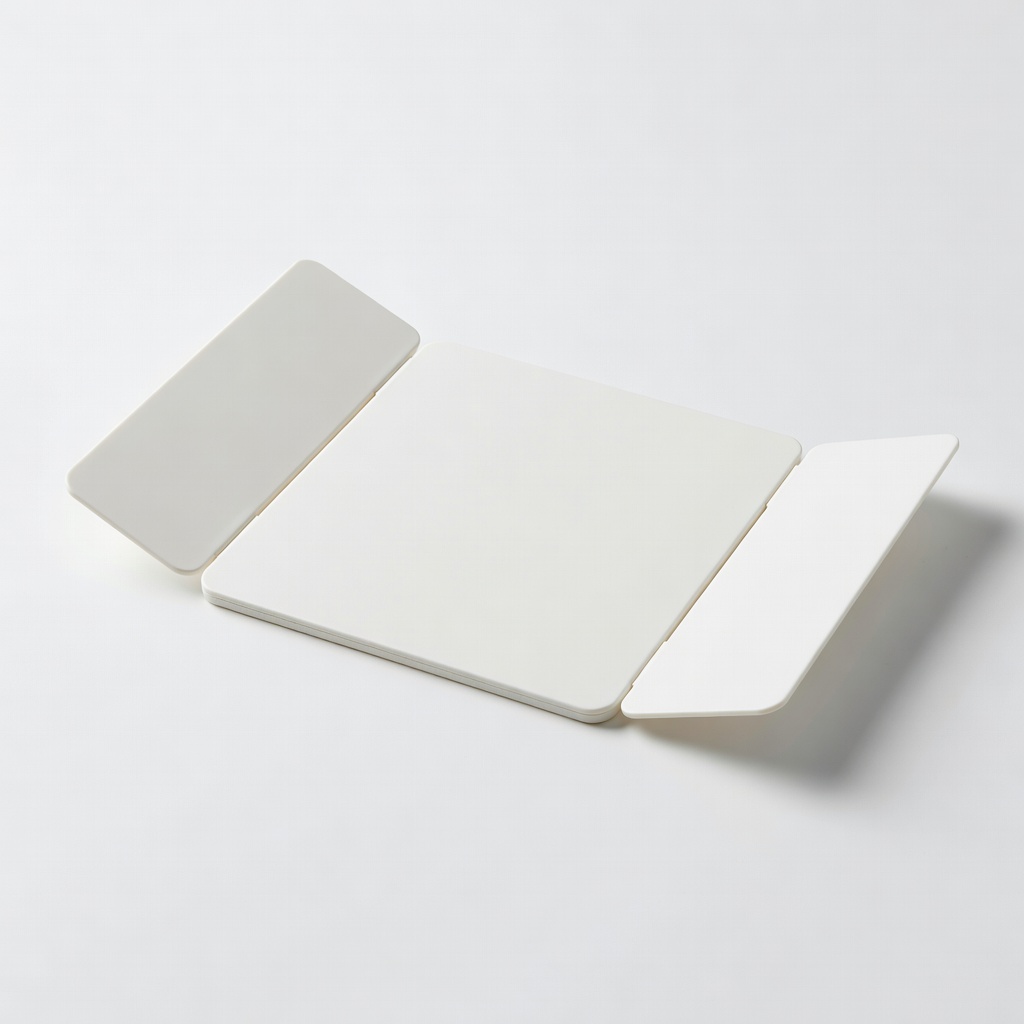
Household Essentials Laundry Folding Board
Makes uniform vertical folds effortless, speeding up organization.
Best for: Beginners struggling with even folds.
Price Range: $9.99
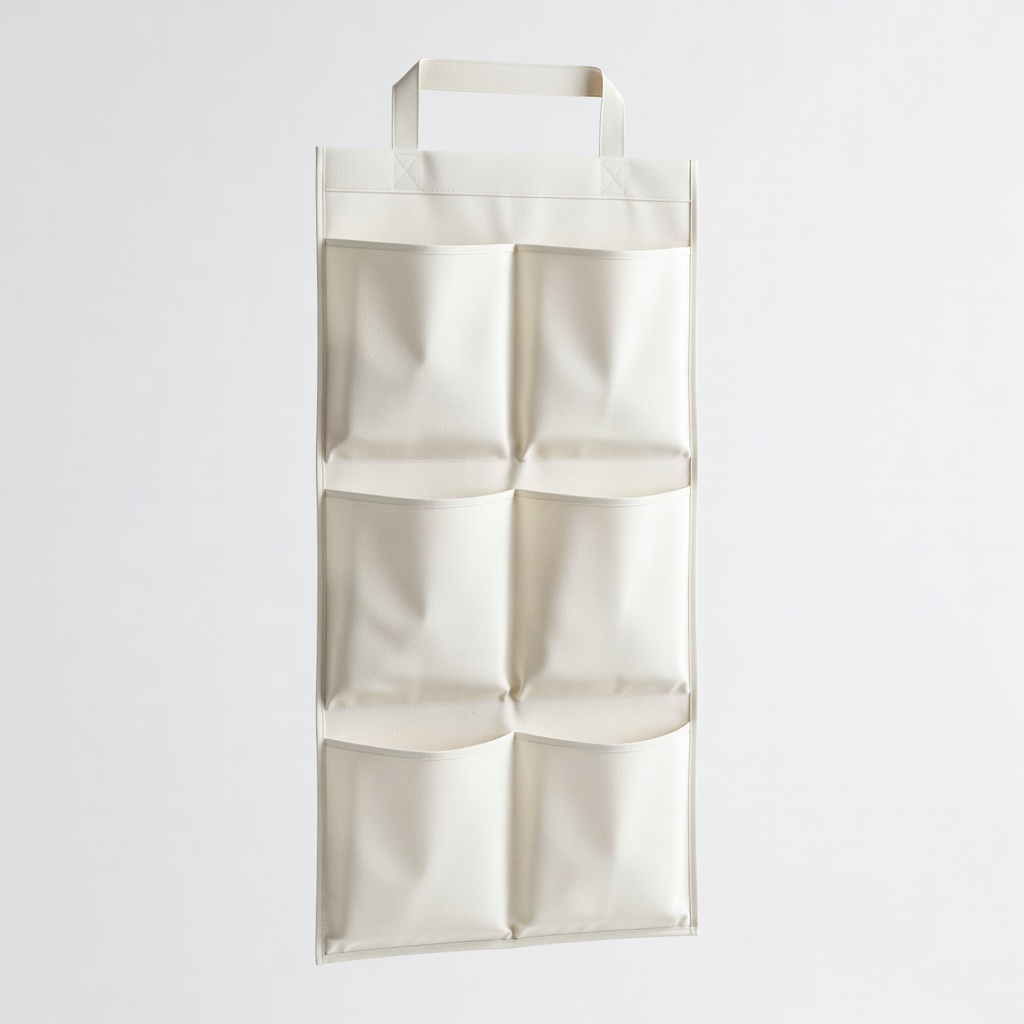
SimpleHouseware Over Door Hanging Organizer (6 Pockets)
Space-saver for closets without eating drawer space.
Best for: Small apartments or behind doors.
Price Range: $15.99
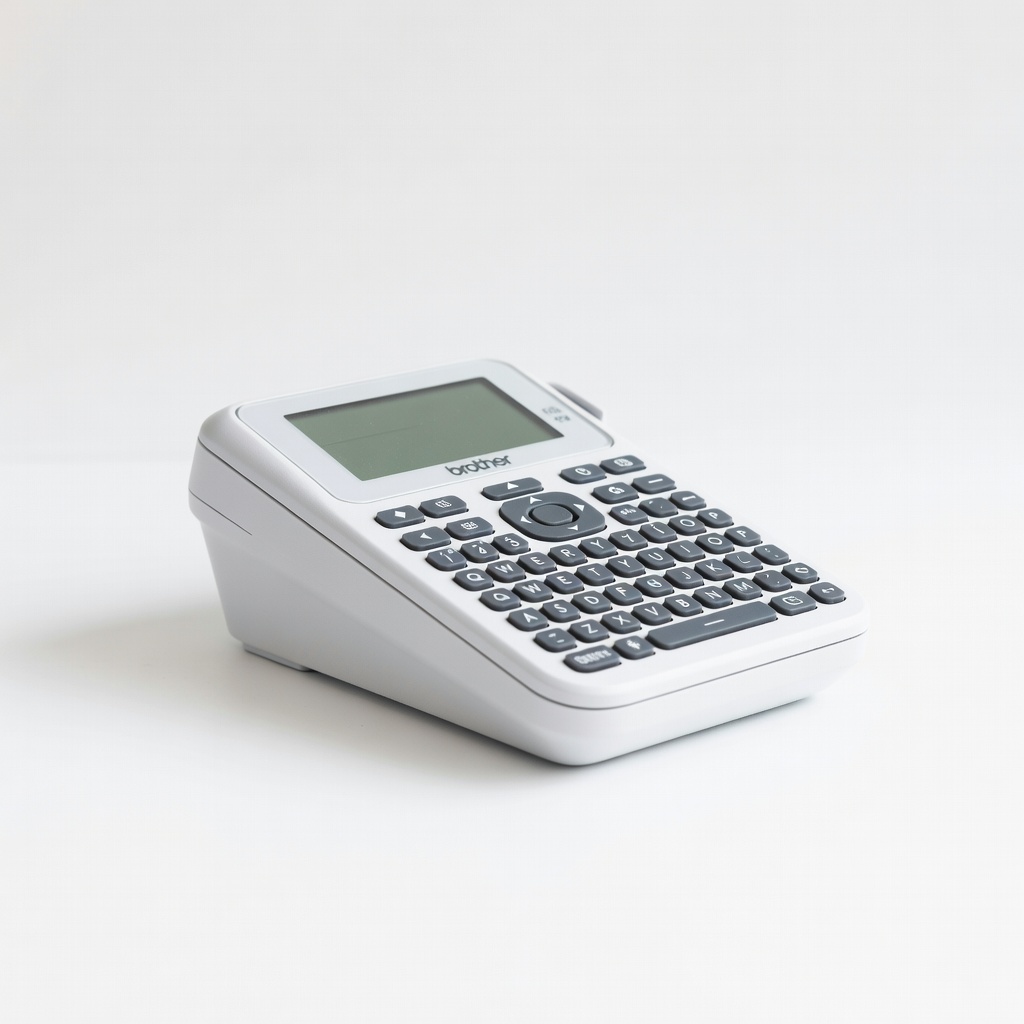
Brother P-Touch PT-D210 Label Maker
Creates durable labels for foolproof identification.
Best for: High-use systems needing frequent re-labeling.
Price Range: $29.99