Mold is a accordion owner's worst nightmare—it thrives in the damp bellows and wooden reeds, ruining tone and playability. High humidity from gigs, storage in basements, or humid climates can lead to costly repairs. Proper storage isn't just about covering it up; it's about creating a dry, stable environment.
In this guide, you'll learn a foolproof step-by-step process to clean, dry, and store your accordion to prevent mold growth. Expect to spend 45-60 minutes on initial prep, with minimal ongoing effort. Whether you have a piano, button, or diatonic accordion, these intermediate techniques will safeguard your instrument.
By the end, your accordion will be in a breathable case in a controlled space, ready to grab and play mold-free anytime.
▸What You'll Need
- •Soft microfiber cloths (required)
- •Compressed air canister or soft brush (required for dust removal)
- •Isopropyl alcohol (70% diluted with water) and cotton swabs (required for cleaning reed blocks)
- •Silica gel packets or mini dehumidifier (required for humidity control)
- •Breathable accordion gig bag or padded cover (required; avoid plastic)
- •Digital hygrometer (highly recommended to monitor humidity)
- •Mild leather conditioner (optional for bellows)
- •Vacuum with brush attachment (optional)
Estimated Time: 45-60 minutes for initial storage prep; 5-10 minutes weekly checks
Difficulty: intermediate
▸Step-by-Step Instructions
Step 1: Thoroughly Clean the Exterior
Start by wiping down the entire accordion with a soft microfiber cloth to remove dust, fingerprints, and surface grime. Use a vacuum with a brush attachment on low suction for crevices around keys and buttons. This prevents dirt from trapping moisture inside.
Why it matters: Dirt mixed with humidity accelerates mold. Expect a noticeably cleaner instrument that feels lighter.
Tip: Work in a well-ventilated area to avoid inhaling dust.
💡 Tips:
- •Use separate cloths for different sections to avoid cross-contamination.
⚠️ Warnings:
- •Never use water directly—dilute isopropyl alcohol 1:1 with water for stubborn spots.
Step 2: Open and Clean the Bellows
Fully extend the bellows and inspect inside for moisture or residue. Gently brush or blow out dust with compressed air. Wipe the inner fabric with a slightly damp (not wet) cloth dipped in mild soap solution, then dry immediately.
This step is crucial because bellows trap humidity like a sponge. Success: Bellows fold smoothly without sticking or musty smells.
💡 Tips:
- •Play a few notes to shake loose hidden dust before cleaning.
⚠️ Warnings:
- •Avoid soaking the bellows—excess water invites mold.
Step 3: Clean Reed Blocks and Interior
If comfortable (or consult a tech), remove reed blocks per your model's manual. Use cotton swabs with diluted isopropyl alcohol to gently clean reeds and plates. Dry completely with compressed air.
Reeds corrode from mold, affecting sound. Expect crystal-clear reed plates post-cleaning.
Note: Skip disassembly if unsure—focus on accessible areas.
💡 Tips:
- •Label screws if disassembling for easy reassembly.
⚠️ Warnings:
- •Don't touch reeds with fingers—oils cause rust.
Step 4: Dry the Accordion Completely
Place in a warm (70-75°F), dry room with good airflow for 24-48 hours. Use a fan on low, but never direct heat like hairdryers which warp wood.
Full dryness prevents mold spores from activating. Test: No cool/damp feel, paper test inside bellows stays dry.
💡 Tips:
- •Prop bellows open with a soft wedge for air circulation.
⚠️ Warnings:
- •Rushing drying leads to trapped moisture—patience pays off.
Step 5: Apply Protective Treatments
Lightly condition bellows leather with a dedicated product if dry/cracked. Buff straps and wood with a dry cloth.
This seals surfaces against future humidity. Instrument should gleam without residue.
💡 Tips:
- •Test conditioner on a small hidden spot first.
⚠️ Warnings:
- •Over-application attracts dust.
Step 6: Choose a Breathable Cover or Case
Slide into a padded gig bag or hardshell case lined with breathable fabric—never airtight plastic bags. Add 2-3 silica gel packets inside pockets.
Breathable storage allows moisture escape. Success: Secure fit without compression.
💡 Tips:
- •Elevate case off floor on shelves to avoid flood risks.
Step 7: Store in Ideal Environment
Place in a closet or room at 40-50% humidity, 65-75°F, away from sunlight/windows/basements. Use a hygrometer to monitor.
Stable climate starves mold. Check weekly.
💡 Tips:
- •Near AC/heater vents for circulation, but not direct blast.
⚠️ Warnings:
- •Avoid garages—temp swings promote condensation.
Step 8: Schedule Regular Maintenance Checks
Every 1-2 weeks, open case, air out accordion, refresh silica gel (blue turns pink when spent). Play monthly to keep seals flexible.
Ongoing vigilance ensures longevity. No mold = success!
💡 Tips:
- •Set phone reminders for checks.
▸Pro Tips
- •Store vertically to let gravity aid drainage.
- •Use cedar blocks (not mothballs) for natural anti-mold scent.
- •Travel? Empty water key before gigging.
- •In humid areas, run a whole-room dehumidifier.
- •Photograph before/after for insurance records.
- •Play in dry seasons to naturally condition internals.
- •Label storage case with humidity log sticker.
▸Common Mistakes to Avoid
- •Storing in plastic bags—traps moisture, guarantees mold.
- •Skipping drying phase—surface dry but inside damp leads to hidden growth.
- •Basement/garage storage—high humidity destroys reeds fast.
- •Forgetting checks—mold spreads silently in 2-4 weeks.
- •Over-tightening case straps—compresses bellows, creases leather.
▸Troubleshooting
Problem: Mold spots appear despite storage
Solution: Isolate, clean with vinegar solution (1:10 water), dry fully, consult pro tech. Improve humidity control.
Problem: Bellows sticking after storage
Solution: Gently work folds while dry, apply light talc powder sparingly, store open more often.
Problem: High humidity readings persist
Solution: Add more silica or upgrade to electric mini dehumidifier. Seal room leaks.
Problem: Musty smell without visible mold
Solution: Sunlight exposure (2-3 hours filtered), then re-dry. Baking soda in case absorbs odors.
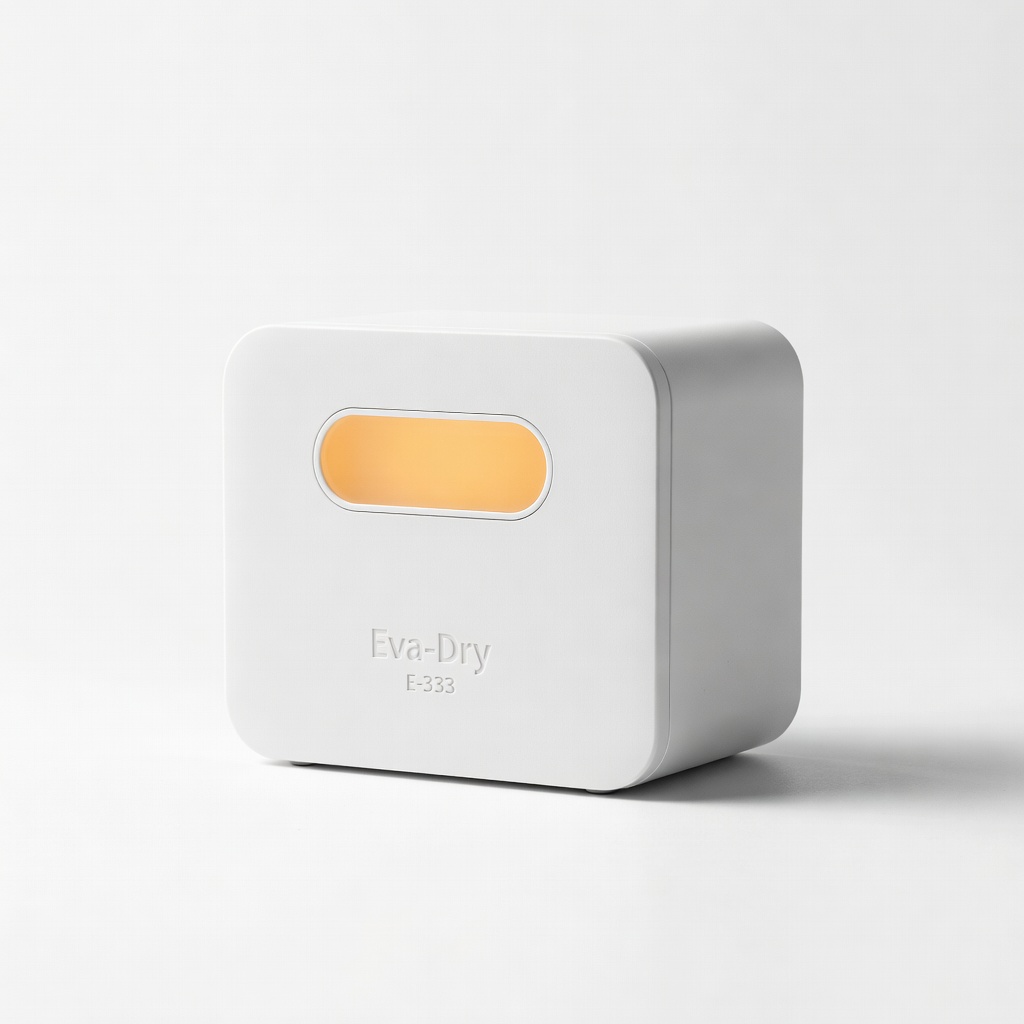
Eva-Dry E-333 Renewable Mini Dehumidifier (ASIN: B000H7D924)
Silent, electric-free moisture absorber perfect for instrument cases; renews in sunlight.
Best for: Long-term closet storage in humid climates.
Price Range: $18-22
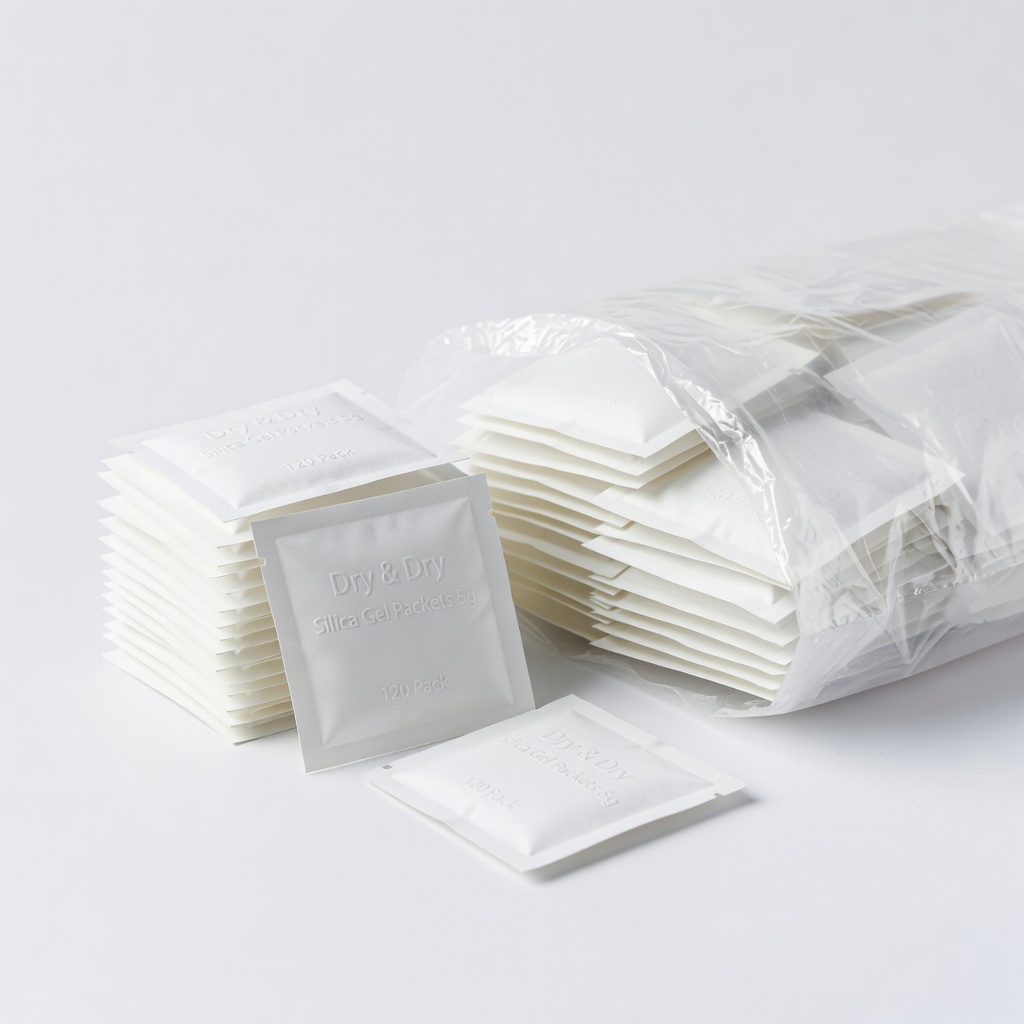
Dry & Dry Silica Gel Packets 5g (120 Pack) (ASIN: B00CI4SVKO)
Rechargeable indicator packets fit easily in gig bags without damaging finishes.
Best for: Daily humidity control inside cases.
Price Range: $10-15
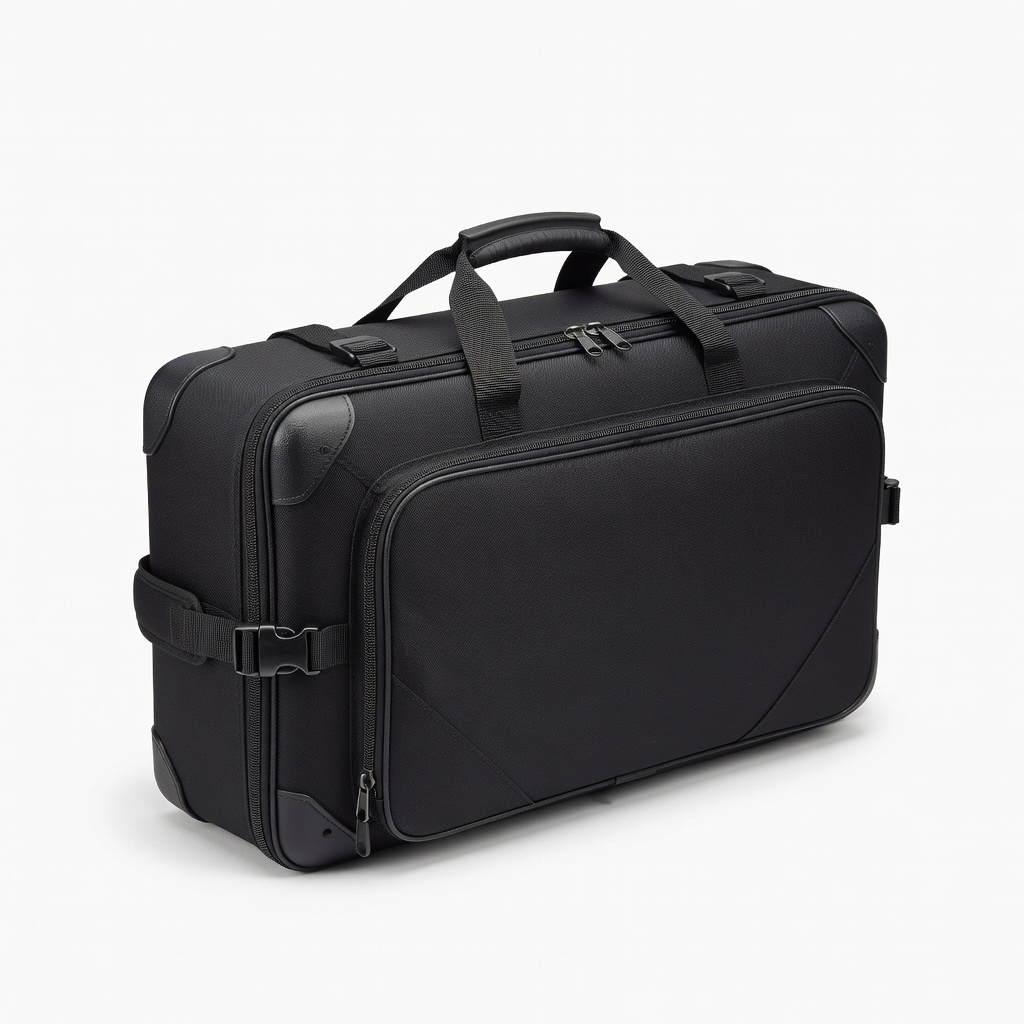
Gator Cases G-ACCORDION-LH Deluxe Accordion Case (ASIN: B00J5Z0Z0K)
Padded, rigid protection with breathable interior prevents dents and allows air flow.
Best for: Secure transport and home storage for piano/key accordions.
Price Range: $120-150
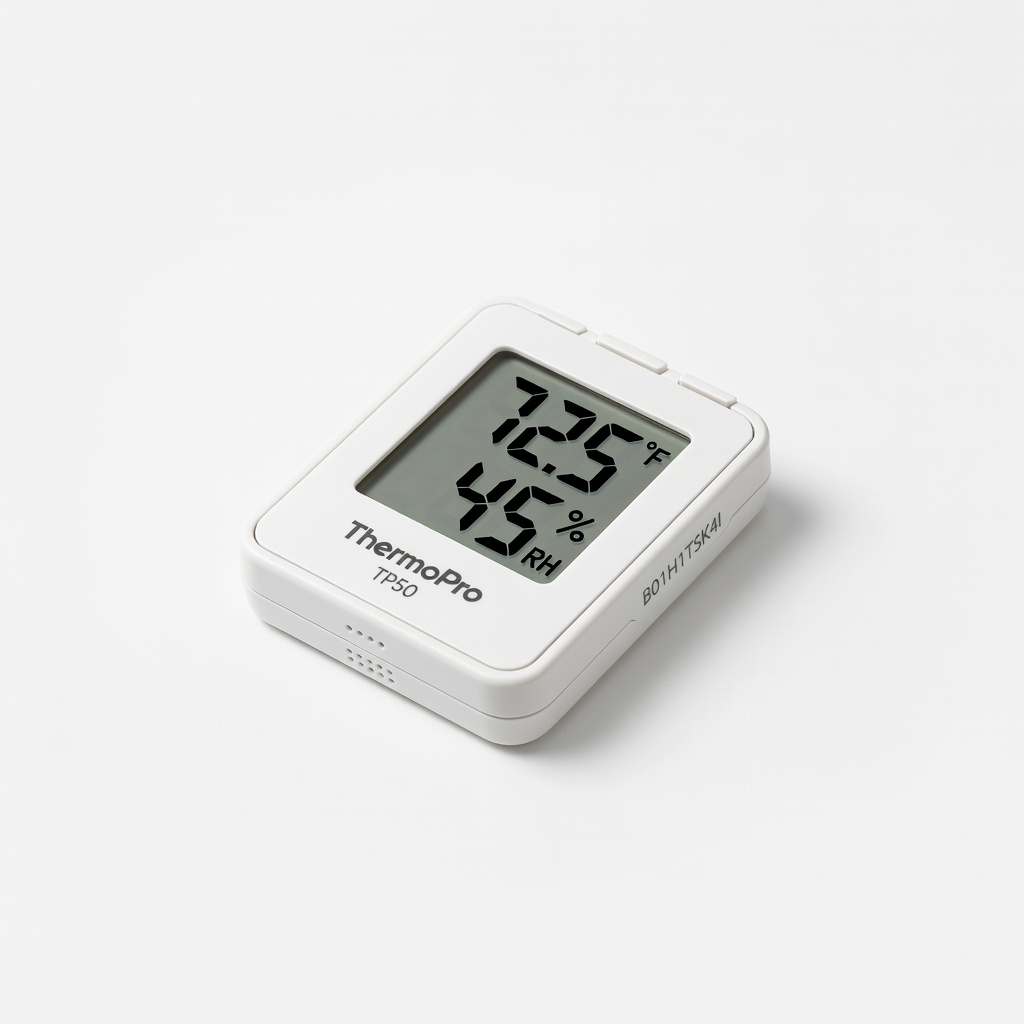
ThermoPro TP50 Digital Hygrometer (ASIN: B01H1TSK4I)
Accurate, affordable monitoring with alerts; tracks temp/humidity trends.
Best for: Place near storage spot for proactive checks.
Price Range: $9-12
Amazon Basics Microfiber Cleaning Cloths (24-pack) (ASIN: B07F8N7L1V)
Lint-free, highly absorbent for streak-free cleaning without scratching.
Best for: Every cleaning step on finishes and bellows.
Price Range: $12-15