

D'Addario Humidipak Two-Way Humidity Control Kit
Place 2 packets inside case for long-term storage.
$15-$20
D'Addario Humidipak Two-Way Humidity Control Kit Automatically maintains 45-55% RH to prevent wood cracking or mold—essential for accordions.
Get the App
Better experience on mobile
Protect your accordion investment with these beginner-friendly steps to store its case safely and prevent damage from humidity, dust, and impacts.
Owning an accordion is exciting, but improper storage of its case can lead to warped wood, bellows damage, or mold growth, ruining your instrument over time. Many beginners store cases in garages, attics, or damp basements, only to find costly repairs later. This guide solves that by teaching you expert storage techniques.
You'll learn a simple 8-step process to prepare, protect, and position your accordion case (with instrument inside) for long-term safety. No special skills needed—just 15-20 minutes of setup. Follow along to keep your accordion sounding pristine for years.
Expect easy, actionable steps with tips to avoid common pitfalls like extreme temperatures or poor ventilation.
Estimated Time: 15-20 minutes for initial setup; 5 minutes weekly checks Difficulty: beginner
Before storing, wipe down the exterior of the accordion case and the instrument inside with a soft microfiber cloth to remove dust, fingerprints, or residue. Open the case, gently clean the accordion's keys, bellows, and straps using the cloth—avoid water or harsh cleaners.
Why it matters: Dirt traps moisture, leading to mold or corrosion. Expect a spotless surface that repels future grime.
This step takes 5 minutes and ensures no contaminants damage internals during storage.
💡 Tips:
⚠️ Warnings:
Examine the accordion for loose straps, cracked reeds, or bellows tears. Check the case for latch issues, hinge wear, or interior padding tears. Tighten screws if needed and note any repairs.
Why it matters: Storing damaged items worsens problems. Success: Everything secure and documented (take photos).
This prevents small issues from becoming big ones over time.
💡 Tips:
Allow the accordion and case to air-dry in a shaded, room-temperature spot for at least 24 hours if any moisture was present. Ensure bellows are fully closed and strapped.
Why it matters: Lingering dampness causes wood warping or rust. Expect no condensation when you touch surfaces.
Patience here saves thousands in repairs.
⚠️ Warnings:
Place 2-4 silica gel packets or two-way humidipak inside the case pockets or near bellows (not touching metal parts). Close the case.
Why it matters: Accordions thrive at 45-55% humidity; extremes crack wood or seize valves. Success: Packets turn color when full (replace then).
This maintains ideal conditions year-round.
💡 Tips:
Position accordion with bellows closed, neck tucked, and straps fastened. Add foam padding around edges if case is loose. Latch securely.
Why it matters: Movement causes scratches or misalignment. Expect no rattle when shaken gently.
Firm setup prevents transport-like damage even in storage.
⚠️ Warnings:
Select a cool (60-75°F), dry closet or shelf away from windows, vents, heaters, or floors. Avoid attics/garages due to temp swings.
Why it matters: Stable microclimate preserves materials. Test with hygrometer first.
Prime spots: Bedroom closet or music room shelf.
💡 Tips:
Store case upright or flat (check manufacturer), covered with breathable fabric if dusty. Avoid stacking heavy items on top.
Why it matters: Weight deforms cases; dust clogs vents. Success: Easy access without tipping.
Upright mimics gig position for quick use.
⚠️ Warnings:
Check monthly: Replace humidity packs, dust exterior, verify hygrometer (45-55% RH, 60-75°F). Adjust location if needed.
Why it matters: Proactive care catches issues early. Log checks in a notebook.
This habit ensures longevity.
💡 Tips:
Problem: Mold spots appear after storage
Solution: Remove accordion, clean with mild vinegar solution, dry fully, add more silica packs. Relocate to drier spot. Seek pro if widespread.
Problem: Case latches won't close properly
Solution: Check for swelling from humidity; dry out and use control packs. Lubricate with silicone spray if sticky. Replace if broken.
Problem: Hygrometer shows high humidity
Solution: Add extra desiccant, improve ventilation, or use a room dehumidifier. Monitor weekly.
Problem: Dust buildup on exterior
Solution: Use a breathable cover; wipe monthly. Vacuum gently if heavy.
Automatically maintains 45-55% RH to prevent wood cracking or mold—essential for accordions.
Best for: Place 2 packets inside case for long-term storage.
Price Range: $15-$20
Accurate monitoring of humidity/temp ensures ideal 45-55% RH and 60-75°F conditions.
Best for: Place near storage spot or inside case for alerts.
Price Range: $9-$12
Absorbs excess moisture reliably and indicators show when to replace.
Best for: Backup or alternative to humidipaks in dry climates.
Price Range: $10-$15
Durable, molded protection with interior padding—upgrades weak cases for better storage.
Best for: If your case is old; stores accordion securely upright.
Price Range: $150-$200
Room-level dehumidifier for humid storage areas.
Best for: Place near closet shelf for overall control.
Price Range: $5-$10
Place 2 packets inside case for long-term storage.
D'Addario Humidipak Two-Way Humidity Control Kit Automatically maintains 45-55% RH to prevent wood cracking or mold—essential for accordions.
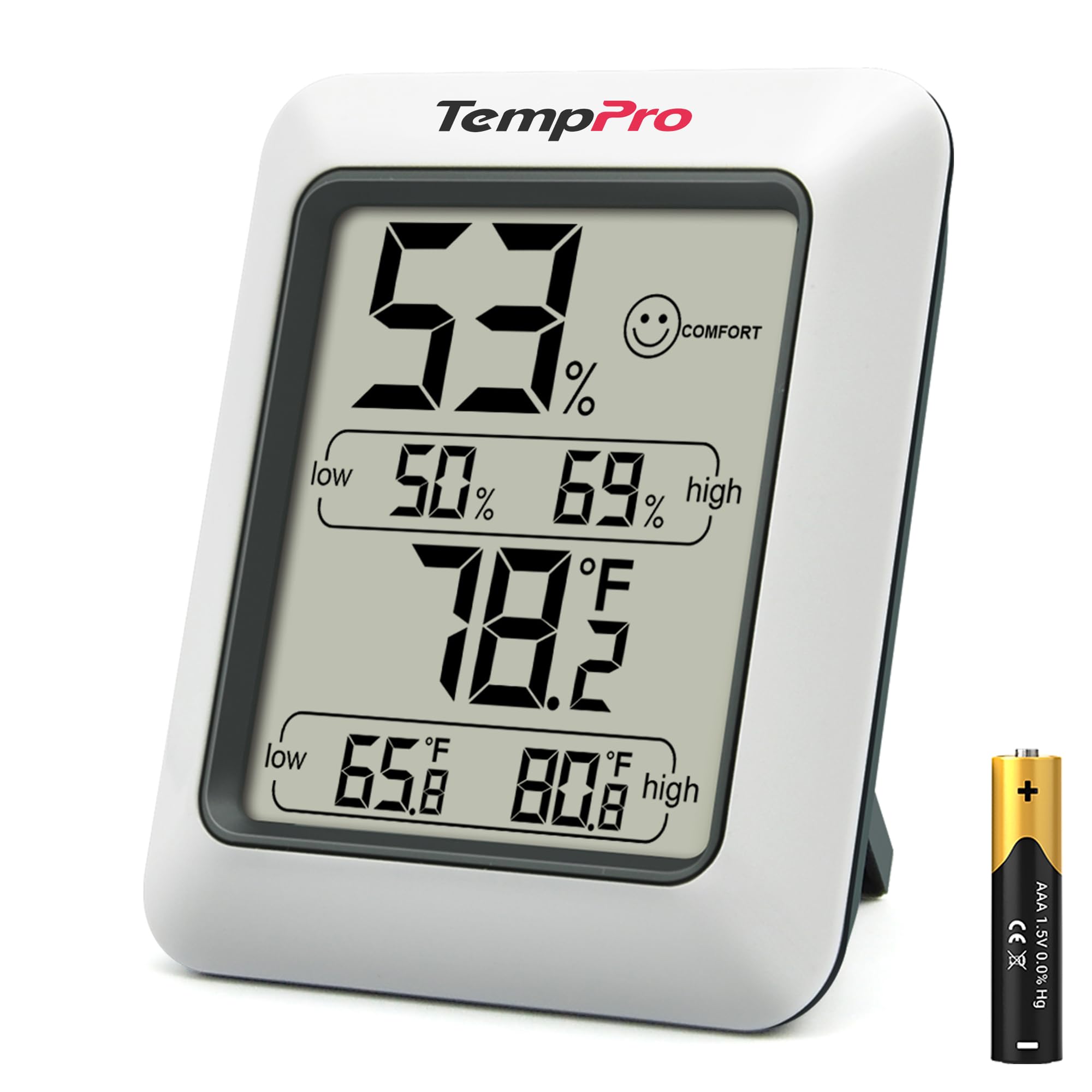
Place near storage spot or inside case for alerts.
ThermoPro TP50 Digital Hygrometer Thermometer Accurate monitoring of humidity/temp ensures ideal 45-55% RH and 60-75°F conditions.

Backup or alternative to humidipaks in dry climates.
Dry & Dry Silica Gel Desiccant Packets (40 Pack) Absorbs excess moisture reliably and indicators show when to replace.
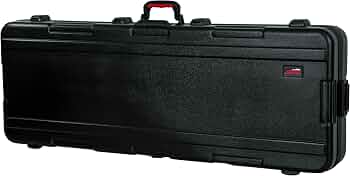
If your case is old; stores accordion securely upright.
Gator Cases GPA-ACC-76 Lightweight Accordion Case Durable, molded protection with interior padding—upgrades weak cases for better storage.
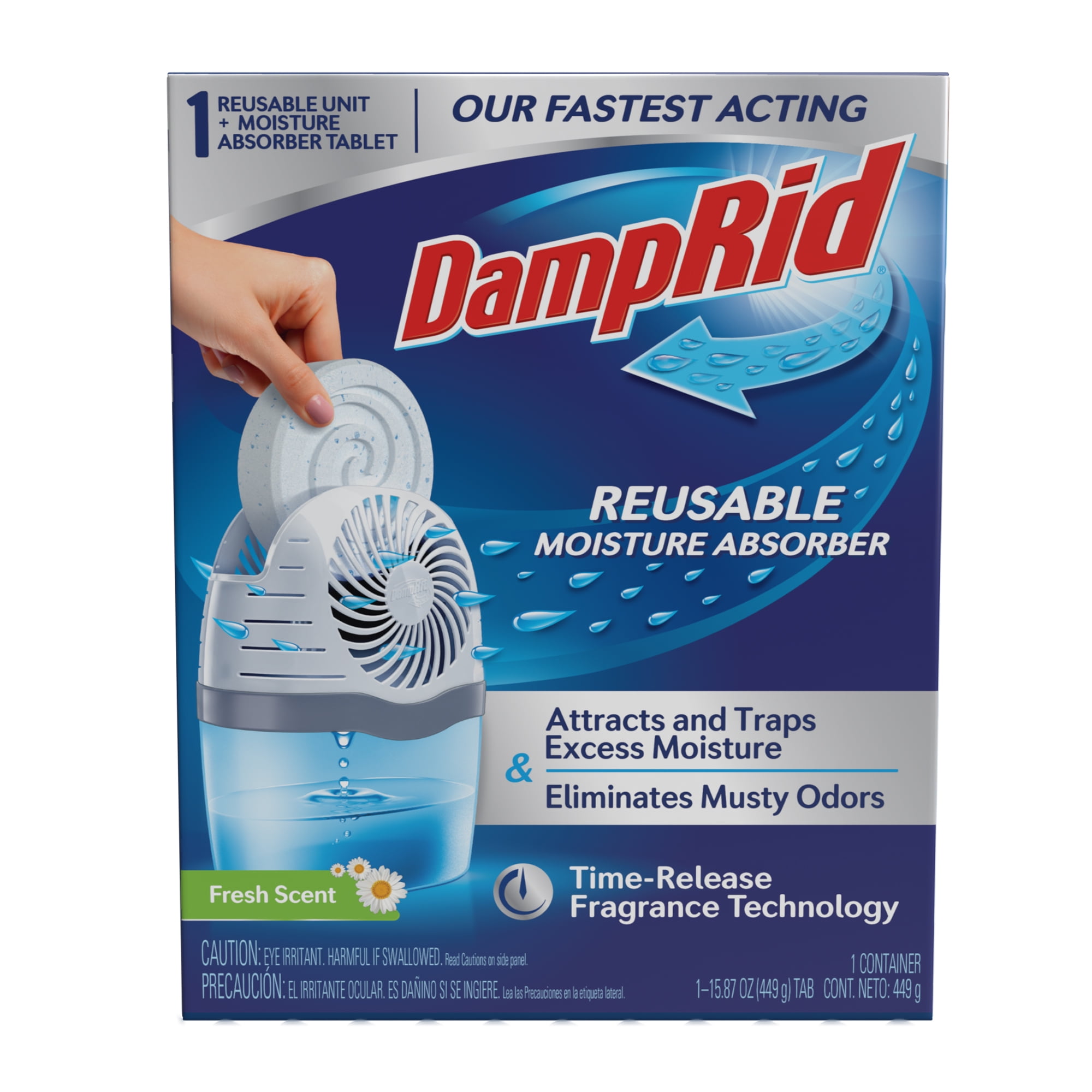
Place near closet shelf for overall control.
DampRid Moisture Absorber Refillable Containers Room-level dehumidifier for humid storage areas.