Nothing ruins a remote control, flashlight, or toy faster than battery leaks that cause corrosion and short-circuit damage. Alkaline AAA batteries are notorious for leaking when stored improperly, especially if they're old or partially used. This guide shows you how to store them correctly to extend shelf life up to 10 years and keep your gadgets safe.
You'll learn a simple, step-by-step process to inspect, organize, and store AAA batteries using affordable tools. No advanced skills needed—just basic organization and common household items. Expect to spend 10-15 minutes on setup, with ongoing maintenance taking seconds monthly.
By the end, your batteries will be protected from moisture, heat, and chemical reactions that cause leaks, saving you money and hassle.
▸What You'll Need
- •AAA batteries to store
- •Plastic battery organizer case (required for organization)
- •Silica gel packets or desiccant (required for moisture control)
- •White vinegar or battery terminal cleaner (optional, for cleaning residue)
- •Permanent marker or adhesive labels (required for labeling)
- •Cotton swabs or soft cloth (optional, for cleaning)
- •Dielectric grease (optional, for terminal protection)
Estimated Time: 10-15 minutes for initial setup; 2-3 minutes monthly for checks
Difficulty: intermediate
▸Step-by-Step Instructions
Step 1: Inspect and Sort Your AAA Batteries
Start by gathering all your AAA batteries. Remove them from any devices to prevent ongoing discharge. Examine each one under good lighting for signs of leaks (white powdery residue), swelling, dents, or expiration dates past due.
Sort into three piles: good/new (no damage, recent date), usable/partial (some use but no damage), and discard (leaked or expired). This prevents mixing old batteries that leak onto new ones. Success: Organized piles with no contaminated batteries.
Why it matters: Leaks often start from old batteries, contaminating others via chemical reactions.
💡 Tips:
- •Use a magnifying glass for tiny leaks.
- •Test voltage with a multimeter if available (above 1.2V is good).
⚠️ Warnings:
- •Never mix alkaline and rechargeable NiMH AAAs—they react differently.
Step 2: Clean Any Residue from Batteries
For batteries with crusty residue, dip a cotton swab in white vinegar (1:1 with water) and gently wipe terminals. Avoid getting liquid inside the battery. Rinse with a dry cloth and let air-dry for 5 minutes.
Wear gloves to protect skin from potassium hydroxide. Success: Clean, shiny terminals with no white powder.
Why it matters: Residue accelerates corrosion; cleaning stops the chain reaction.
💡 Tips:
- •Vinegar neutralizes alkaline leaks safely.
⚠️ Warnings:
- •Don't use water alone—it spreads residue.
Step 3: Select and Prepare Storage Container
Choose a plastic battery organizer with individual AAA slots to keep batteries separated and upright. Ensure it's airtight or has a secure lid. Wipe the interior clean and dry.
Insert 2-3 silica gel packets inside the case for moisture absorption. Success: Container ready with desiccants in place, no dust or debris.
Why it matters: Individual slots prevent physical contact and chemical mixing; desiccants control humidity below 50%.
💡 Tips:
- •Opt for transparent cases to see contents easily.
Step 4: Organize Batteries in the Container
Place batteries positive-end up (nub facing up) in designated AAA slots, starting with new ones first. Apply a thin dab of dielectric grease to terminals if available (optional but recommended for intermediates).
Group by type: one section for alkaline, another for rechargeables. Fill no more than 80% to allow air circulation. Success: Neatly filled slots, batteries stable and not touching.
Why it matters: Upright storage minimizes leak pooling; grease seals against humidity.
💡 Tips:
- •Positive up reduces gravity-pulled leaks.
⚠️ Warnings:
- •Don't overfill—trapped moisture causes leaks.
Step 5: Label Everything Clearly
Use a permanent marker or labels to note: date stored, battery type (alkaline/rechargeable), brand, and 'use by' (add 5-7 years for alkaline). Label sections if multi-type.
Success: Container and sections fully labeled for quick reference.
Why it matters: Tracking age prevents using old batteries that leak.
💡 Tips:
- •Laminating labels extends life.
Step 6: Choose the Ideal Storage Location
Store in a cool (50-70°F/10-21°C), dry place away from direct sunlight, humidity (like bathrooms), or extreme temps (garage/freezer). Ideal: drawer or closet shelf.
Avoid metal shelves to prevent conductivity. Success: Container in stable environment.
Why it matters: Heat/humidity speeds self-discharge and leaks by 2-3x.
⚠️ Warnings:
- •Never refrigerate—condensation causes corrosion.
Step 7: Perform Regular Maintenance Checks
Monthly, inspect for leaks, replace silica if discolored, and rotate oldest batteries to use first. Re-test voltage yearly.
Success: Batteries stay leak-free over time.
Why it matters: Proactive checks catch issues early.
💡 Tips:
- •Set phone reminder for first of month.
▸Pro Tips
- •Buy batteries in small packs to minimize storage time.
- •Use rechargeable AAAs for high-drain devices to reduce waste.
- •Store vertically in original packaging if no case.
- •Monitor room humidity with a cheap hygrometer (<50% ideal).
- •For bulk storage, use multiple small cases over one large.
- •Donate good extras to charities instead of hoarding.
- •Track inventory with a simple spreadsheet app.
▸Common Mistakes to Avoid
- •Storing loose in drawers: Batteries rub and leak on each other—use slotted cases.
- •Ignoring expiration dates: Old batteries leak 80% more—sort and discard.
- •Hot/humid spots: Accelerates degradation—choose cool, dry areas.
- •Mixing types: Alkaline leaks corrode rechargeables—separate always.
- •Freezer storage: Condensation ruins them—room temp only.
▸Troubleshooting
Problem: Found a leak after storage
Solution: Remove affected battery, clean container with vinegar, replace desiccant. Discard leaker safely (tape terminals).
Problem: Batteries won't fit snugly
Solution: Choose case sized for AAA (20-30mm slots). Use foam inserts if loose.
Problem: Silica packets saturated quickly
Solution: Increase packets or move to drier location. Replace with rechargeable desiccants.
Problem: Corrosion on device contacts
Solution: Clean with vinegar/brush, dry fully. Store batteries separately henceforth.
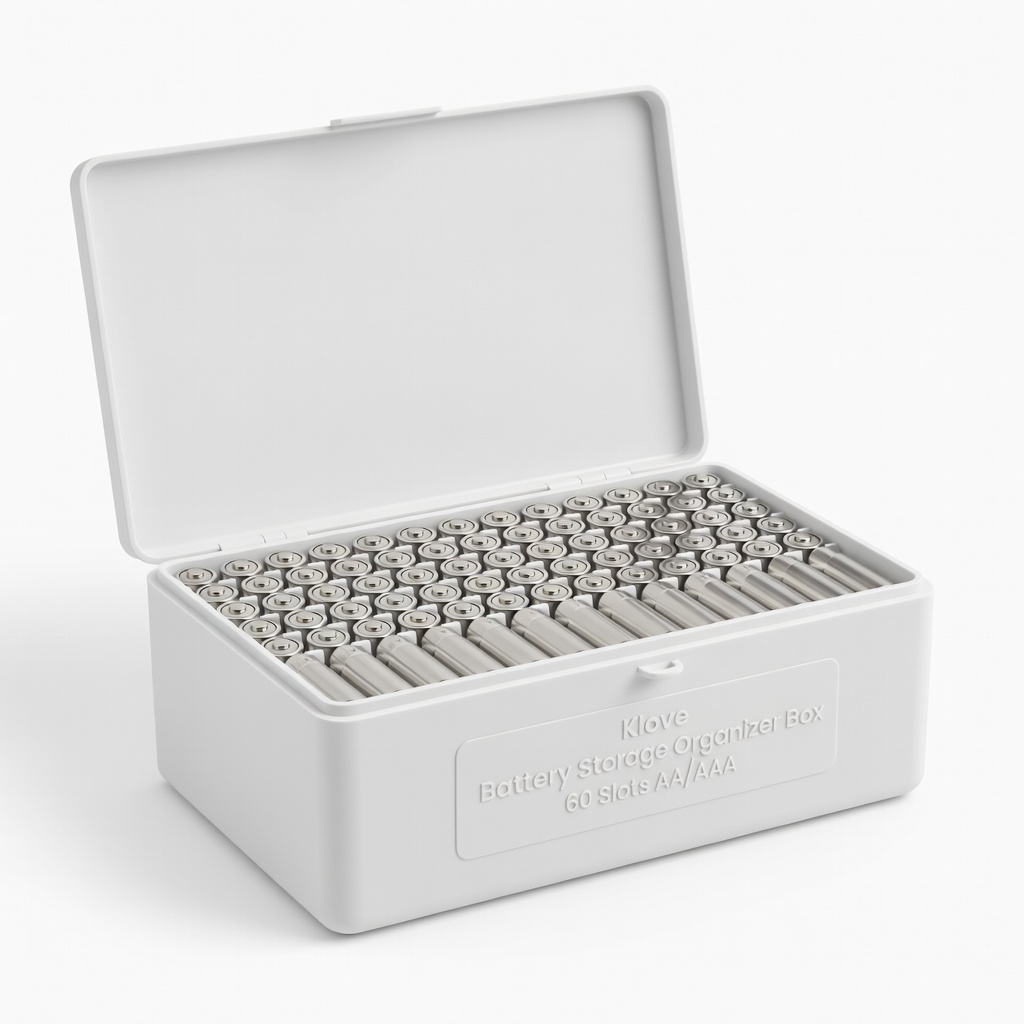
Klove Battery Storage Organizer Box 60 Slots AA/AAA
Durable plastic with individual slots prevents contact and has secure lid for airtight storage.
Best for: Ideal for 20-50 AAAs; clear design for easy access.
Price Range: $9.99-$12.99
Dry & Dry 5 Gram Silica Gel Packets (100 Pack)
Absorbs moisture effectively to prevent corrosion; food-safe and reusable by drying.
Best for: Add 2-4 per storage case for humidity control.
Price Range: $14.99
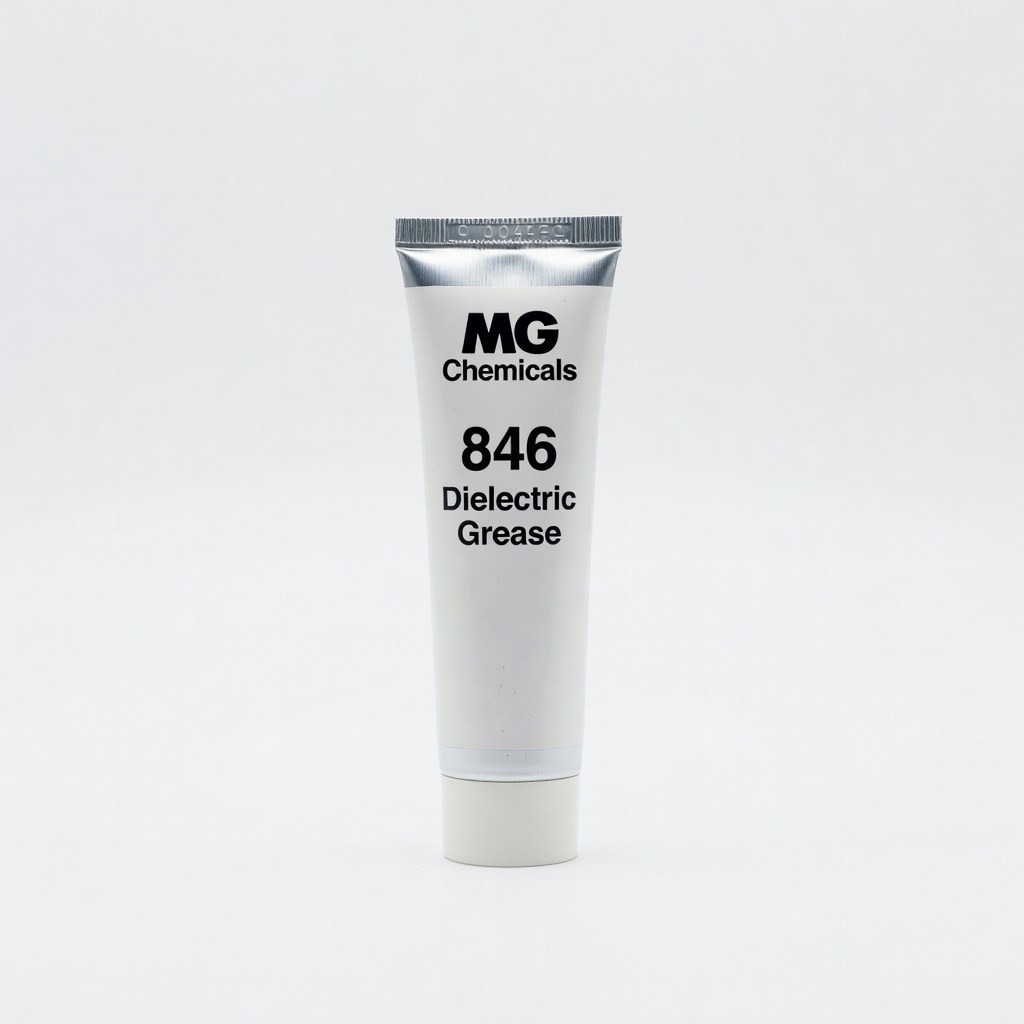
MG Chemicals 846 Dielectric Grease
Protects terminals from oxidation and moisture for long-term storage.
Best for: Apply thin layer on contacts before storing.
Price Range: $12.99-$15.99
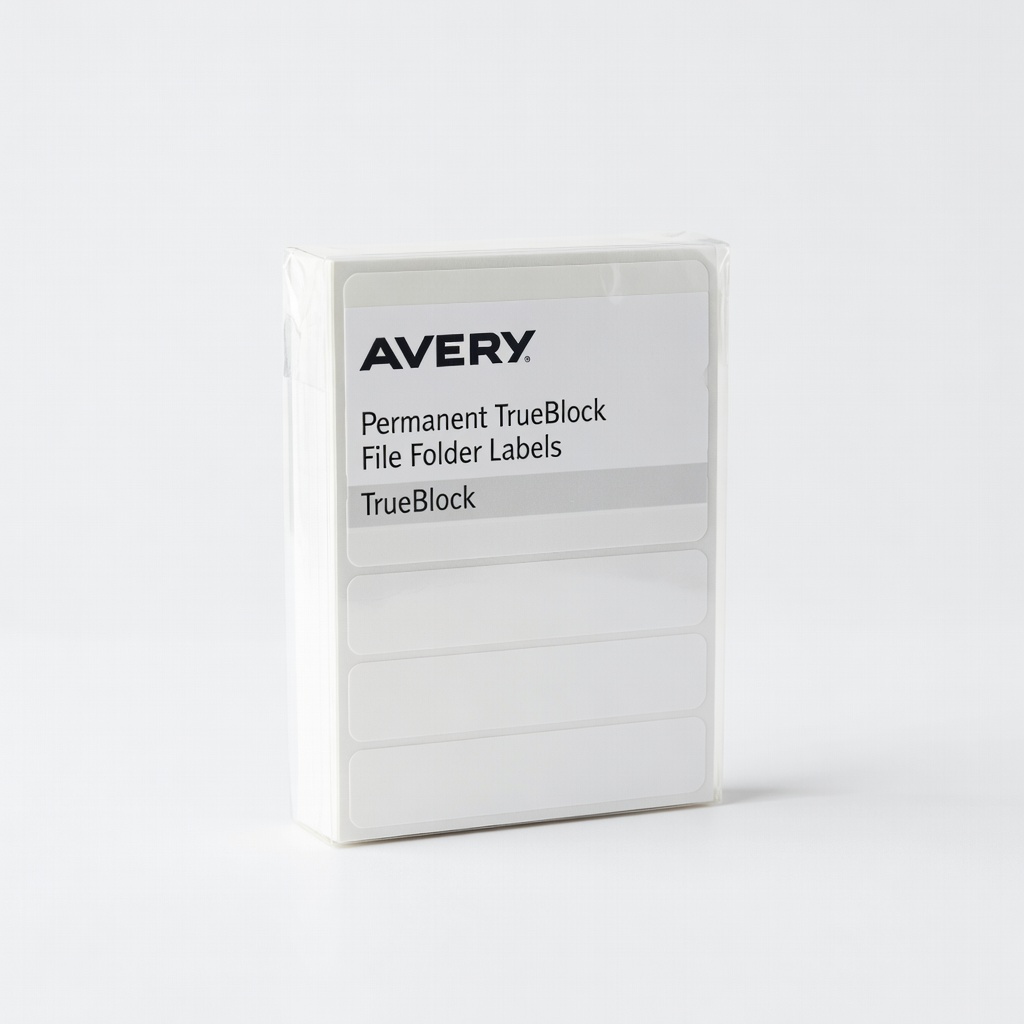
Avery Permanent TrueBlock File Folder Labels
Smudge-proof labels for precise dating and typing without fading.
Best for: Label slots and container exterior.
Price Range: $8.99
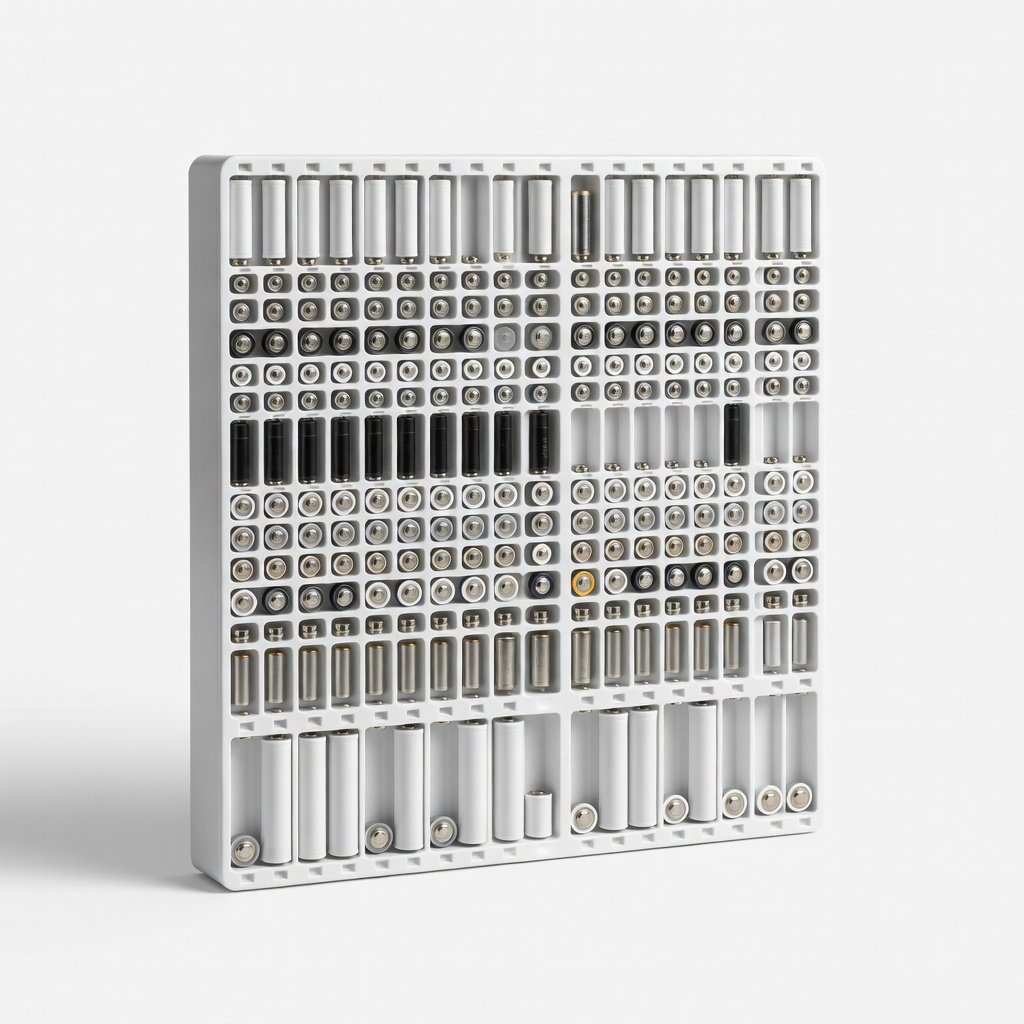
Fukkuda Battery Organizer 200 Slots
Large capacity for bulk storage with removable dividers for AAA sections.
Best for: Households with many batteries; expandable.
Price Range: $22.99-$29.99