Nothing ruins a remote, flashlight, or toy faster than corrosive battery leaks. Alkaline AA batteries self-discharge over time, especially in humid conditions, leading to potassium hydroxide leaks that damage contacts and devices. Proper storage can prevent this, saving you money and hassle.
In this guide, you'll learn a proven step-by-step process to store AA batteries safely for years. We'll cover inspection, preparation, ideal containers, and environmental controls. Expect to spend 10-15 minutes organizing a batch of batteries—perfect for intermediate DIYers with basic household tools.
By the end, your batteries will be leak-proof, ready for emergencies, and organized for easy access.
▸What You'll Need
- •AA batteries to store
- •Plastic storage container or battery organizer case (airtight preferred)
- •Silica gel packets or desiccant packs (required for humidity control)
- •Labels and permanent marker
- •Soft cloth or cotton swabs
- •White vinegar or isopropyl alcohol (for cleaning terminals, optional)
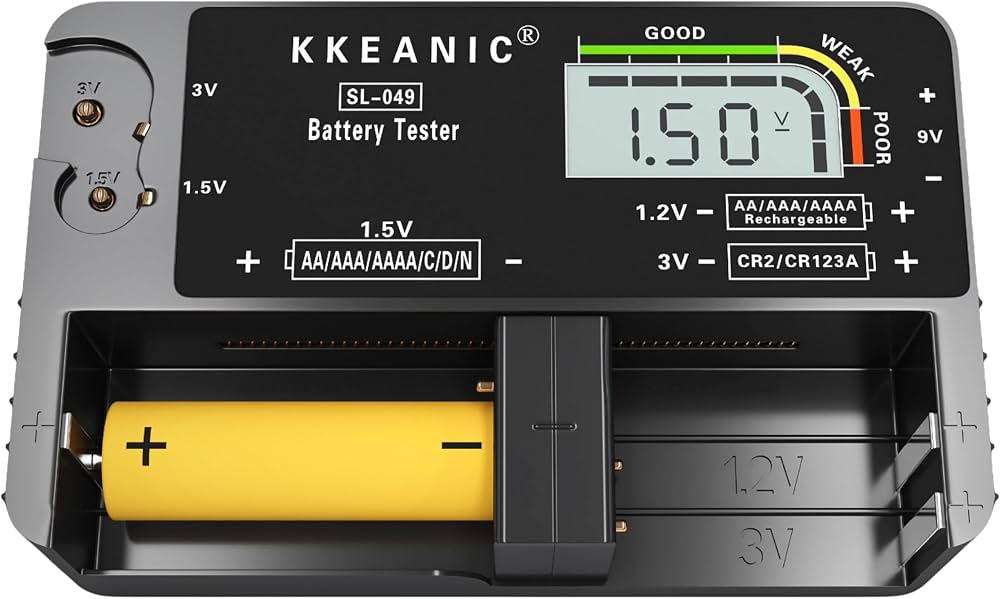
- •Battery tester (optional but recommended)
Estimated Time: 10-15 minutes
Difficulty: intermediate
▸Step-by-Step Instructions
Step 1: Remove Batteries from All Devices
Start by taking AA batteries out of every device, gadget, or appliance where they're installed. This is crucial because batteries continue to drain slowly even when devices are off, accelerating self-discharge and leak risk.
Why it matters: Idle batteries in humid remotes or toys are prime leak suspects. Expect to find some with slight corrosion already.
Lay them out on a clean, dry surface for inspection.
💡 Tips:
- •Work in batches of 20-50 to avoid overwhelm.
⚠️ Warnings:
- •Never store batteries inside devices long-term.
Step 2: Inspect and Sort Batteries
Examine each AA battery for leaks, bulging, rust, or dents. Discard any damaged ones immediately—leaks appear as white powdery crust on terminals.
Sort into groups: new/unused, partially used (test if possible), by brand/type (alkaline vs. rechargeable), and expiration date. Success looks like: Clean, uniform piles ready for storage.
This prevents mixing old and new, which can cause uneven discharge.
💡 Tips:
- •Use a battery tester here for voltage—above 1.5V is good for alkalines.
⚠️ Warnings:
- •Don't mix alkaline and NiMH rechargeables; they have different storage needs.
Step 3: Clean Battery Terminals
Wipe terminals with a soft cloth dipped in isopropyl alcohol or white vinegar. Gently scrub crust with a cotton swab—avoid abrasive tools.
Why: Residue promotes further corrosion. Rinse with water if using vinegar, then dry thoroughly (air dry 5-10 mins).
Success: Shiny, residue-free contacts.
💡 Tips:
- •Wear gloves to avoid skin contact with residue.
⚠️ Warnings:
- •Don't submerge batteries in liquid.
Step 4: Choose and Prepare Storage Container
Select a plastic, airtight container sized for your batteries—avoid cardboard or metal, which conduct corrosion. Line with non-conductive foam if needed.
Add 2-3 silica gel packets to absorb moisture. Why it matters: Humidity is leak enemy #1; desiccants keep RH below 50%.
Shake container to distribute silica.
💡 Tips:
- •Compartmented organizers prevent terminal contact.
⚠️ Warnings:
- •Ensure container seals fully—no gaps.
Step 5: Arrange Batteries in Container
Place batteries flat, positive-to-negative orientation if possible, ensuring no metal-to-metal contact. Fill loosely—don't overpack.
Success: Batteries snug but not touching terminals directly.
This minimizes short-circuit risk during storage.
💡 Tips:
- •Use dividers or sleeves for extra protection.
Step 6: Label and Seal
Label the container with contents (e.g., 'AA Alkaline, Stored 2024'), count, and expiry. Note storage date.
Seal tightly. Why: Tracks age for rotation—use oldest first.
💡 Tips:
- •Use weatherproof labels for durability.
Step 7: Store in Ideal Environment
Place in a cool (50-70°F), dry, dark spot like a closet shelf—avoid garages, attics, or refrigerators (condensation risk).
Success: Container stable, away from heat/humidity sources. Check every 6 months.
💡 Tips:
- •Basement or drawer works if climate-controlled.
⚠️ Warnings:
- •Never freeze; causes expansion damage.
▸Pro Tips
- •Opt for lithium AA batteries for 20+ year shelf life over alkalines.
- •Rotate stock FIFO (first in, first out) when using.
- •Vacuum-seal small batches for ultra-long storage.
- •Monitor with a hygrometer in the container.
- •Buy in bulk but store separately to avoid chain reactions.
- •Test stored batteries annually with a multimeter.
- •Use original blister packs for short-term if unopened.
▸Common Mistakes to Avoid
- •Storing loose in drawers—causes shorts and leaks; always use organizers.
- •Leaving in devices or hot/humid spots—speeds discharge; remove and cool-store.
- •Ignoring expiration dates—old batteries leak faster; sort and discard.
- •Using metal containers—conducts acid; stick to plastic.
- •Skipping desiccants—humidity triggers leaks; always include silica.
▸Troubleshooting
Problem: Batteries leak anyway after storage
Solution: They were already compromised; discard batch and double-check new ones with tester. Improve seal/humidity control.
Problem: Container gets moist inside
Solution: Replace saturated silica gel (turns pink); add more packets or use electric dehumidifier.
Problem: Batteries bulge or won't fit
Solution: Discard immediately—sign of internal failure. Never use swollen batteries.
Problem: Forgot which are rechargeables
Solution: Rechargeables (NiMH) store at 40-50% charge; label clearly next time.
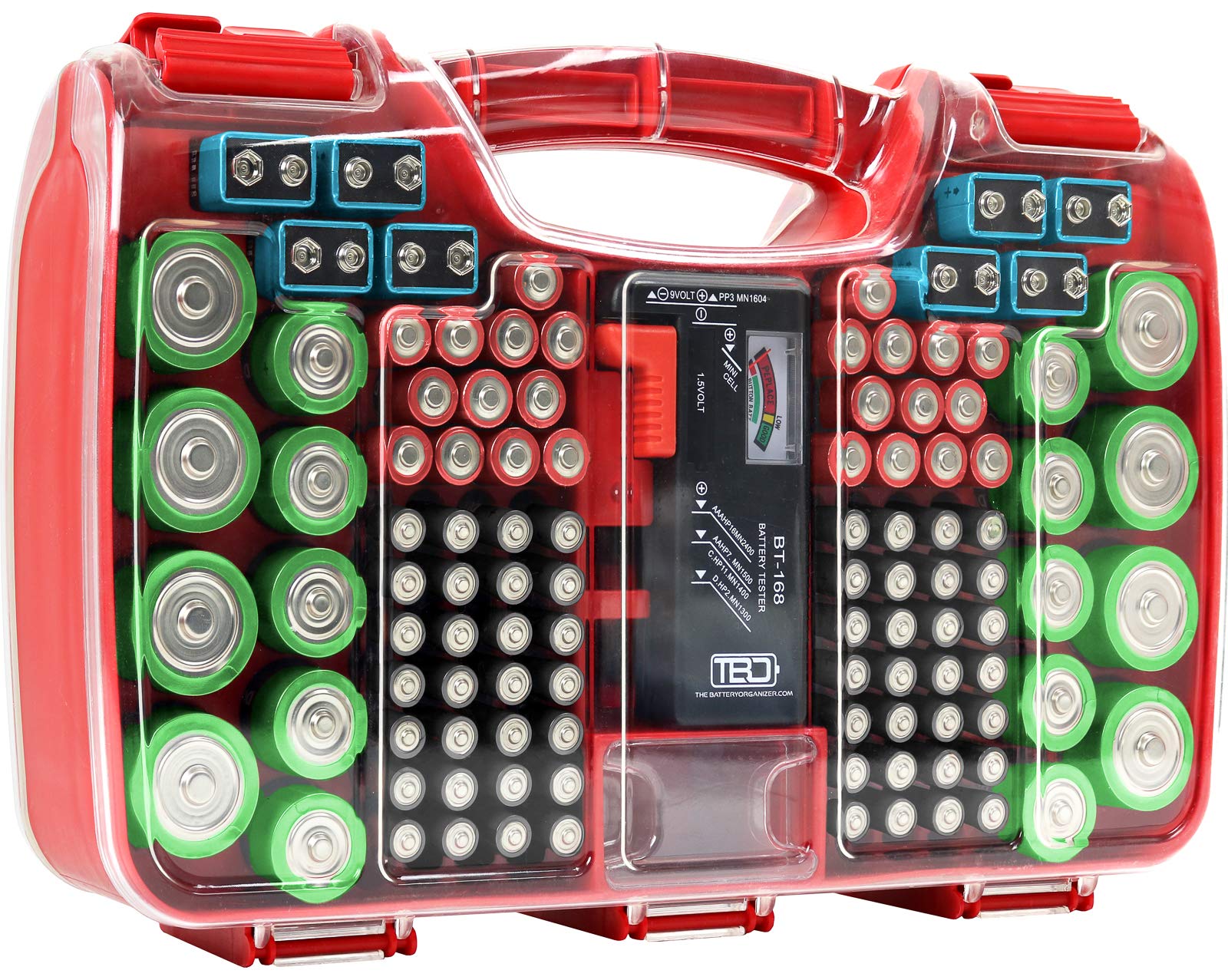
PuTwo Batteries Organizer Storage Case (AA/AAA, 180 Slots)
Compartmented plastic design prevents terminal contact and is airtight for leak prevention.
Best for: Ideal for bulk AA storage; holds hundreds organized by size.
Price Range: $9.99
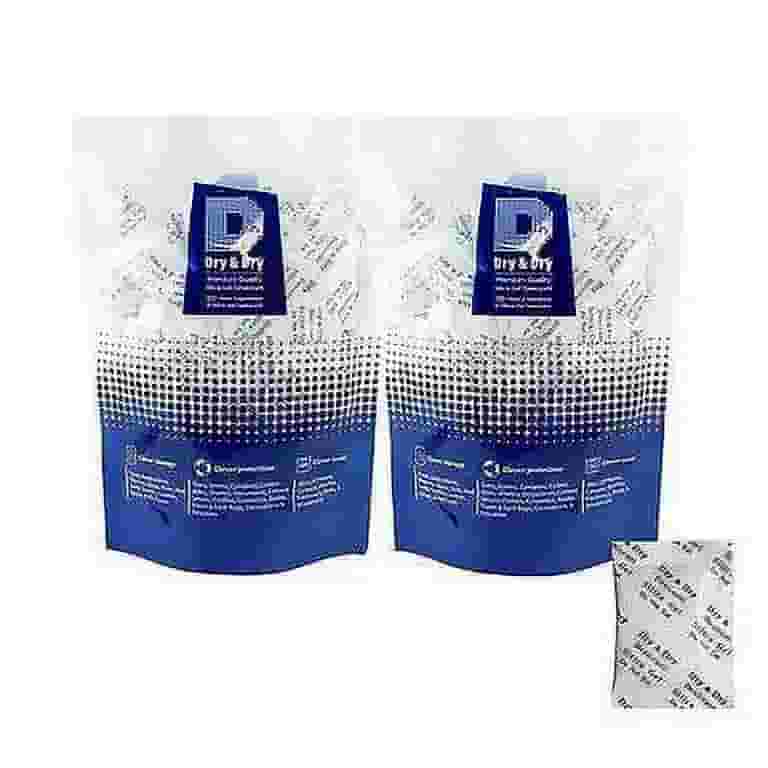
Dry & Dry Silica Gel Packets (5 Gram, 100 Packs)
Highly absorbent desiccants keep storage environment bone-dry, directly combating leak causes.
Best for: Toss 2-3 packets per container; reuse after sun-drying.
Price Range: $16.99
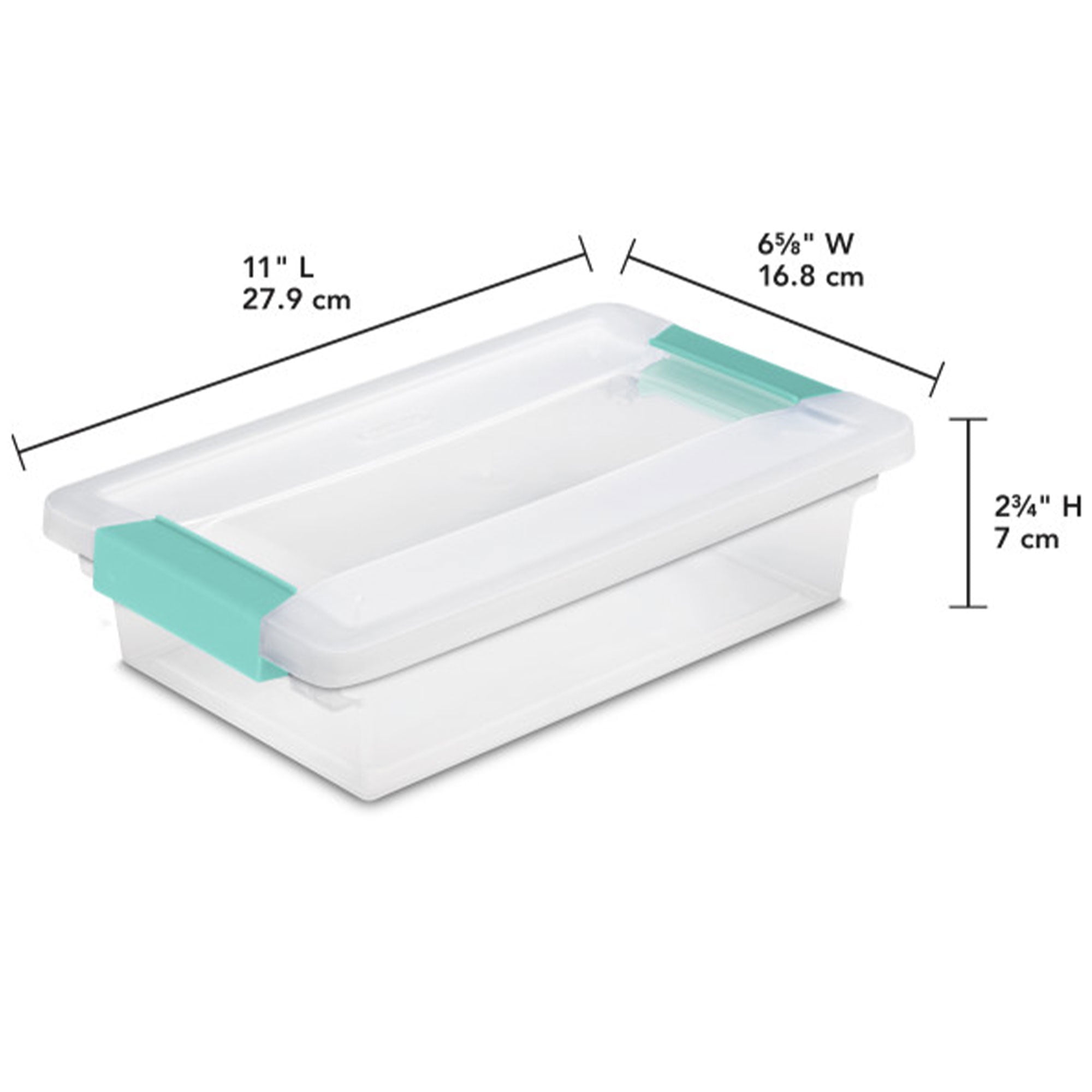
Sterilite Small Clip Box Clear Storage Tote
Affordable, stackable plastic bin with secure latch for custom battery setups.
Best for: Budget option for large batches; add your own dividers.
Price Range: $5.99
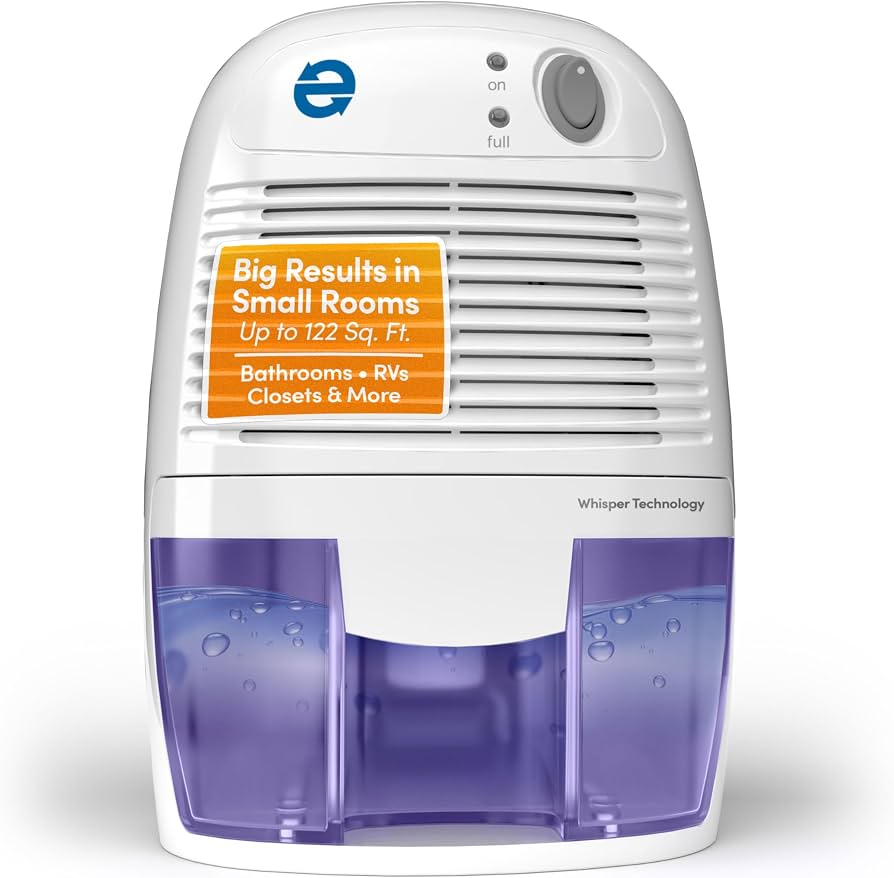
Eva-Dry EDV-1100 Wireless Mini Dehumidifier
Rechargeable electric alternative to packets for humid climates; silent and maintenance-free.
Best for: For permanent storage boxes; recharges via USB.
Price Range: $19.99
KKSUN Digital Battery Tester for AA/AAA
Quickly identifies weak batteries pre-storage to avoid future leaks.
Best for: Test voltage before organizing; LED indicators.
Price Range: $8.99