Ever bought a pack of 9V batteries only to find them dead or leaking months later? Poor storage is the culprit—extreme temperatures, humidity, and short-circuiting shorten shelf life dramatically. Proper storage can keep alkaline 9V batteries viable for 5-7 years and lithium ones up to 10+ years.
In this beginner-friendly guide, you'll learn a foolproof step-by-step process to inspect, organize, and store your 9V batteries safely. No special skills needed—just basic household items and 15 minutes. By the end, your batteries will be protected in a cool, dry setup ready for smoke detectors, pedals, or remotes anytime.
Expect clear instructions with tips to avoid common pitfalls like corrosion from moisture.
▸What You'll Need
- •9V batteries to store
- •Soft cloth or cotton swab (required)
- •Isopropyl alcohol (70% or higher, required for cleaning)
- •Plastic battery organizer or divided storage box (recommended)
- •Silica gel packets or desiccant packs (optional but highly recommended)
- •Permanent marker or labels (required)
- •Battery tester (optional, for checking charge)
Estimated Time: 10-15 minutes for initial setup + 5 minutes monthly checks
Difficulty: beginner
▸Step-by-Step Instructions
Step 1: Remove Batteries from Devices
Start by taking all 9V batteries out of any devices like smoke alarms, guitar pedals, or toys. Leaving them installed drains them slowly via self-discharge and exposes them to device internals that can cause corrosion.
Why it matters: Devices often have slight currents or humidity that degrade batteries over time. Success looks like empty devices with batteries in hand, ready for inspection.
Tip: Label the battery with the device name using tape if reusing soon.
💡 Tips:
- •Do this immediately after use to prevent drain.
⚠️ Warnings:
- •Never store batteries inside devices long-term.
Step 2: Inspect and Test Batteries
Examine each battery for leaks, dents, rust, or swelling. Discard any damaged ones. Use a battery tester to check voltage—good 9V batteries read 8.5V+ when fresh.
Why it matters: Bad batteries can contaminate good ones. Expect most to look fine, but testing confirms usability. Fresh alkalines start at 9.6V.
Visual check success: Shiny terminals, no white/green crust.
💡 Tips:
- •Test in batches to save time.
⚠️ Warnings:
- •Handle leaking batteries with gloves; neutralize acid with baking soda.
Step 3: Clean Battery Terminals
Dip a cotton swab in isopropyl alcohol and gently clean the positive and negative terminals (snaps). Wipe dry with a soft cloth. This removes residue that causes shorts.
Why it matters: Dirty terminals lead to premature discharge. Success: Terminals gleam without residue; alcohol evaporates quickly.
Let dry 1-2 minutes before proceeding.
💡 Tips:
- •Use 90% alcohol for faster drying.
⚠️ Warnings:
- •Avoid water—it promotes corrosion.
Step 4: Group Batteries by Type and Date
Sort into piles: alkaline, lithium, rechargeable, etc. Note manufacture/expiry dates (usually printed on battery). Group oldest first for FIFO (first in, first out) use.
Why it matters: Different types have varying shelf lives (lithium > alkaline). Success: Organized piles labeled by type/date.
💡 Tips:
- •Write dates on batteries with marker if faded.
⚠️ Warnings:
- •Don't mix types in same container.
Step 5: Choose Ideal Storage Location
Select a cool (50-77°F/10-25°C), dry spot away from sunlight, heaters, garages, or bathrooms. Ideal: closet shelf or drawer.
Why it matters: Heat accelerates self-discharge (doubles every 10°C rise); humidity causes leaks. Test room: Use thermometer/hygrometer for <60% RH.
💡 Tips:
- •Basement if cool/dry; avoid attics.
⚠️ Warnings:
- •Freezing OK short-term for lithium, but not alkaline.
Step 6: Use Protective Containers
Place batteries in a plastic organizer with individual slots or wrap terminals in plastic bags/parchment paper to prevent contact.
Why it matters: Metal-to-metal shorts drain batteries fast. Success: Batteries separated, no snaps touching.
💡 Tips:
- •Orient all positives up for easy access.
Step 7: Add Desiccants and Label
Tuck in silica gel packets to absorb moisture. Label container with contents, date stored, and 'Check every 6 months.' Seal if possible.
Why it matters: Controls humidity for leak prevention. Success: Dry, labeled setup ready to store.
💡 Tips:
- •Reactivate silica by oven-baking at 250°F for 2-3 hours.
⚠️ Warnings:
- •Don't use food desiccants—they may have oils.
Step 8: Schedule Periodic Checks
Every 6 months, inspect for issues and test a sample. Rotate stock as needed.
Why it matters: Catches problems early. Success: Batteries holding voltage over time.
💡 Tips:
▸Pro Tips
- •Store upright to minimize terminal stress.
- •Use FIFO labeling to use oldest first.
- •For bulk storage, vacuum-seal groups.
- •Lithium 9Vs tolerate wider temps (-40°F to 140°F).
- •Buy in smaller packs to reduce storage needs.
- •Keep away from kids/pets with child locks.
- •Track inventory in a phone app.
▸Common Mistakes to Avoid
- •Storing in garages/refrigerators—temps fluctuate, causing condensation.
- •Leaving terminals exposed—leads to shorts and fires (rare but possible).
- •Ignoring expiry dates—self-discharge peaks after 5 years.
- •Mixing battery types—rechargeables leak differently.
- •Forgetting checks—undetected leaks ruin batches.
▸Troubleshooting
Problem: Batteries leak despite storage
Solution: Check humidity/temp; discard all, clean container, add more desiccant. Test location RH.
Problem: Low voltage after months
Solution: Too warm—relocate cooler. Test individually; use or recycle low ones.
Problem: No space for organizer
Solution: Wrap individually in bubble wrap or use egg carton slots temporarily.
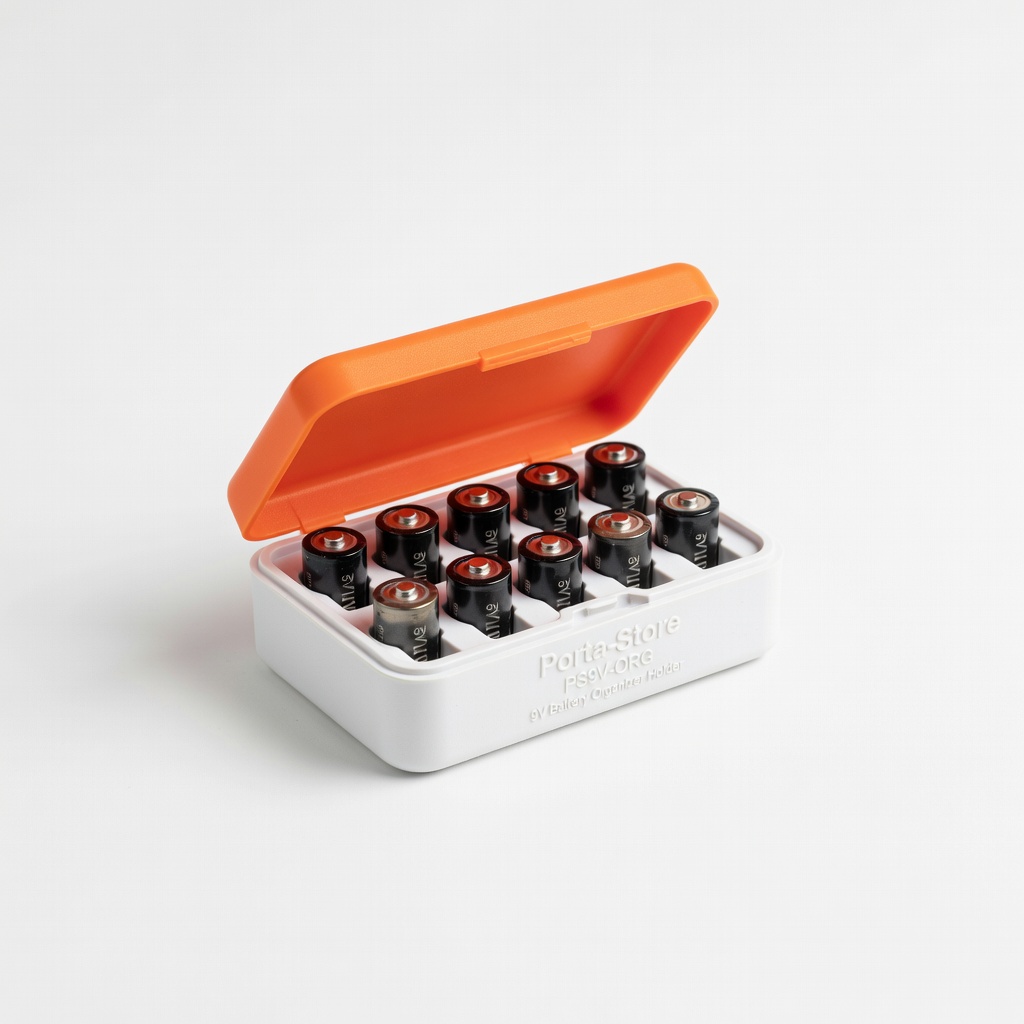
Porta-Store PS9V-ORG 9V Battery Organizer Holder
Specifically designed for 9V batteries, holds up to 18 with individual slots to prevent shorts and easy dispensing.
Best for: Ideal for bulk storage of 10+ batteries in a compact, stackable case.
Price Range: $12.99
Dry-Packs 5 Gram (100) Silica Gel Packets
Rechargeable desiccants absorb moisture effectively, extending shelf life in humid areas.
Best for: Add 2-3 packets per storage box for humidity control.
Price Range: $14.99
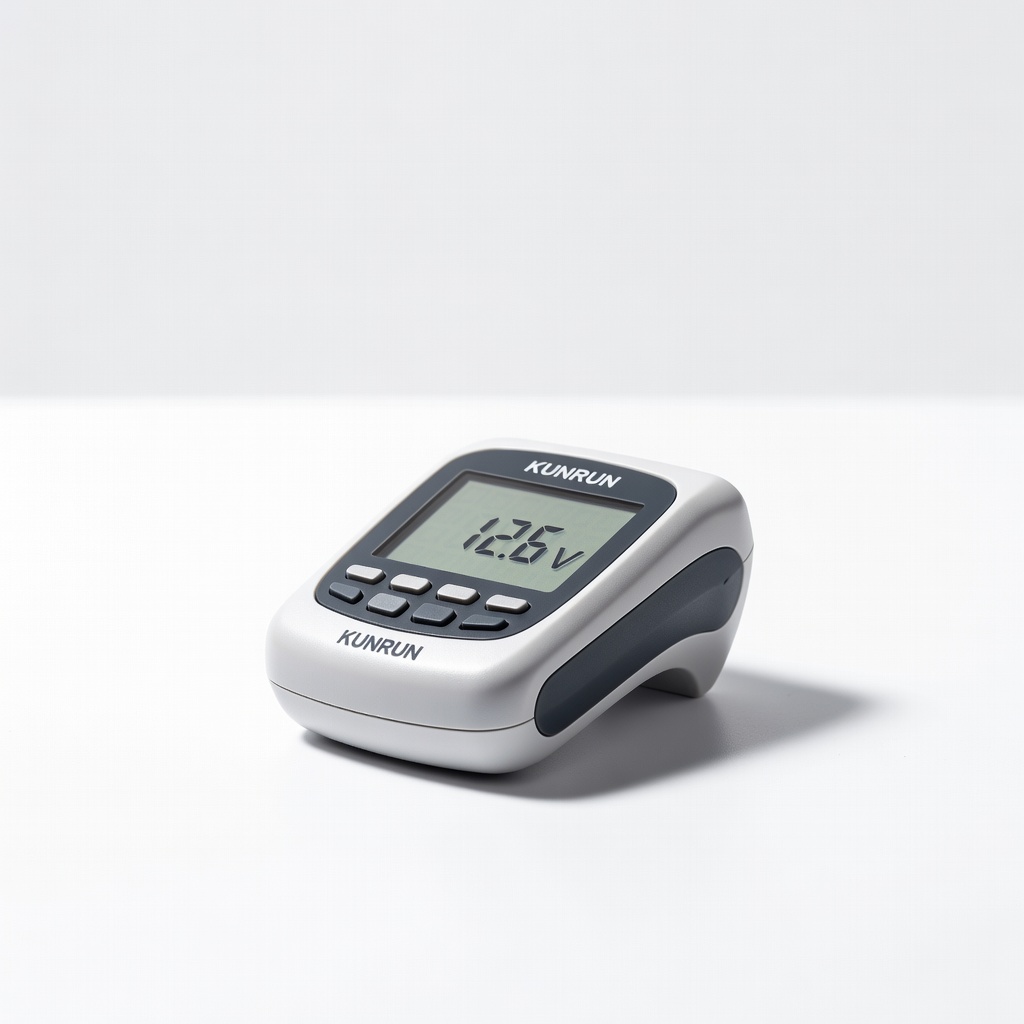
KUNRUN Digital Battery Tester
Quickly checks 9V voltage without draining; LCD display for accurate readings.
Best for: Test before/after storage to verify health.
Price Range: $8.99
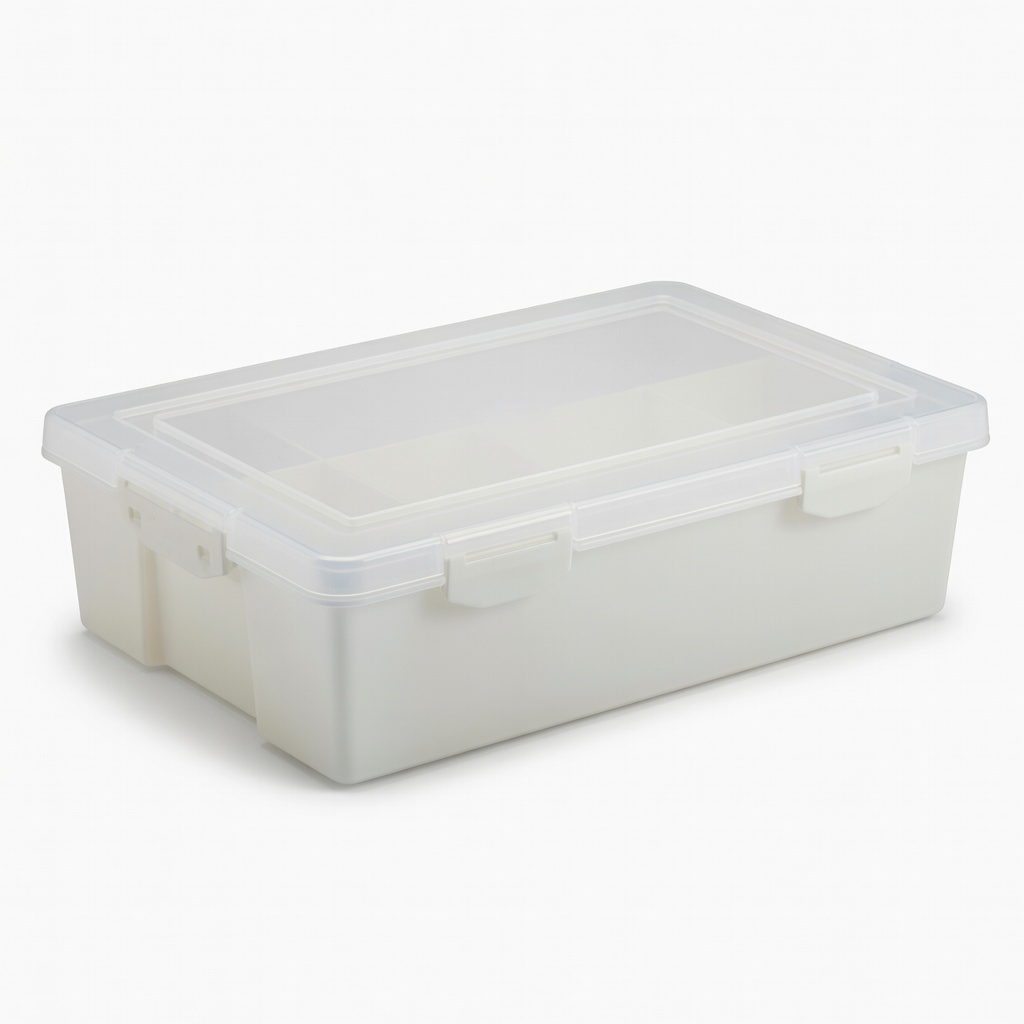
Sterilite 1961 Organizer Box
Affordable divided plastic box customizable for batteries, keeps dust/moisture out.
Best for: Budget option for small collections; add foam inserts.
Price Range: $5.99