
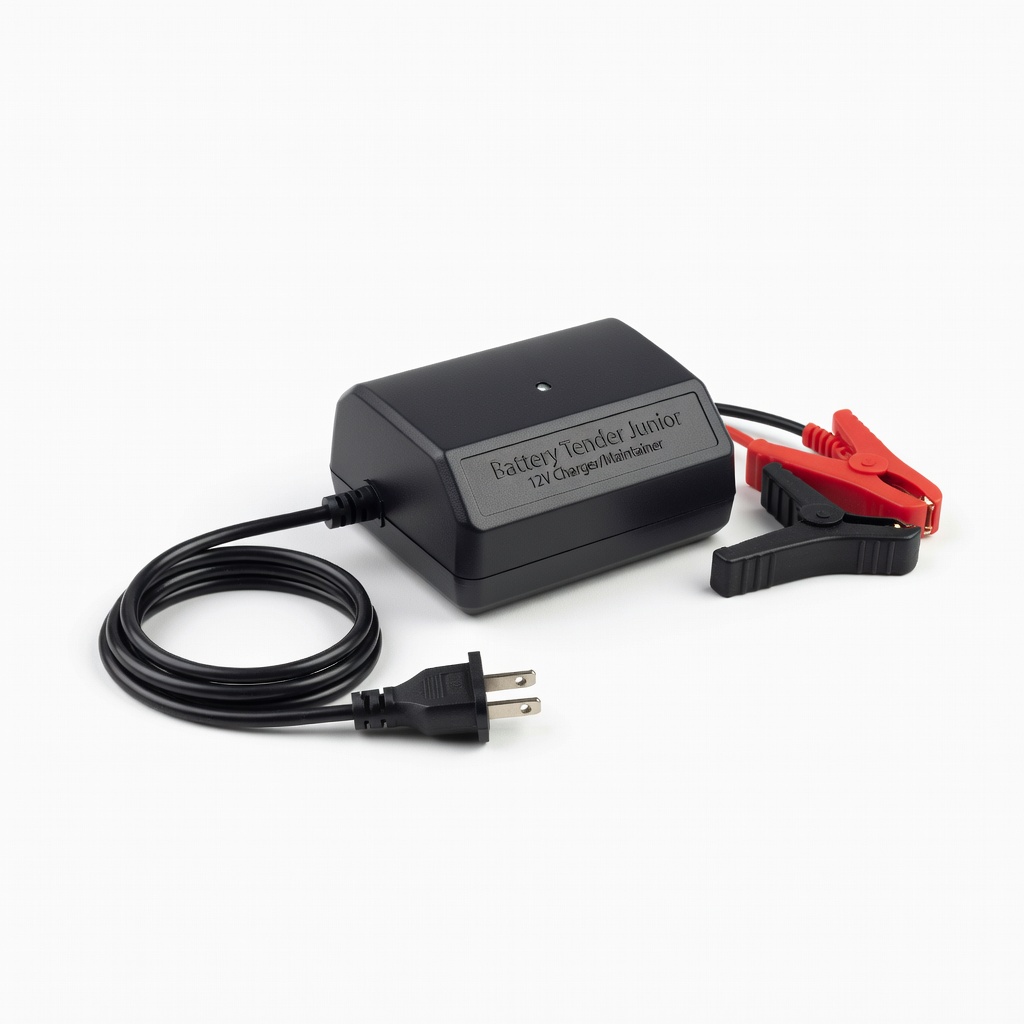
Battery Tender Junior 12V Charger/Maintainer
Ideal for long-term trickle maintenance on cars/RVs.
$29.95
Battery Tender Junior 12V Charger/Maintainer Smart microprocessor prevents overcharge; waterproof for versatile storage.
Get the App
Better experience on mobile
Safely store your 12V lead-acid or AGM batteries for months or years with these beginner-friendly steps to prevent sulfation and extend lifespan.
Improperly stored 12V batteries—like those from cars, RVs, boats, or solar setups—can lose charge, sulfate, or become unusable in just weeks, costing you hundreds to replace. Whether you're winterizing your vehicle or prepping for off-season use, long-term storage is crucial to maintain performance.
In this guide, you'll learn a simple, step-by-step process to prepare, store, and monitor your 12V battery so it's ready when you need it. We'll cover safety, charging, ideal conditions, and maintenance—no advanced tools required.
Expect 30-45 minutes for initial setup, plus 5-minute monthly checks. Perfect for beginners with basic DIY skills.
Estimated Time: 30-45 minutes initial prep + 5 minutes monthly checks Difficulty: beginner
Put on gloves and safety glasses to protect against acid spills. Visually check the 12V battery for cracks, leaks, bulging, or corrosion on terminals. Why it matters: Damaged batteries can leak hazardous acid or explode during charging.
If the battery is damaged, recycle it immediately—do not store. For healthy batteries (lead-acid, AGM, or gel), note the type on the label. Success: Battery passes visual inspection with no obvious defects.
💡 Tips:
⚠️ Warnings:
Set your multimeter to DC volts (20V range). Touch red probe to positive (+) terminal, black to negative (-). A healthy 12V battery reads 12.6V+ when fully charged; below 12.4V needs charging.
Why it matters: Low voltage leads to sulfation (crystal buildup on plates) during storage. Success: Record voltage; if under 12.6V, proceed to charge.
💡 Tips:
⚠️ Warnings:
Connect a smart charger to the battery using alligator clips or rings (positive to +, negative to -). Select 12V mode and let it charge until it reaches 12.6-12.8V and holds (may take 4-24 hours).
Why it matters: Storing at full charge prevents self-discharge damage. Smart chargers auto-stop to avoid overcharge. Success: Voltage stable at 12.6V+ after disconnecting charger for 1 hour.
💡 Tips:
⚠️ Warnings:
Mix baking soda and water (1:4 ratio) or use terminal cleaner. Brush off corrosion, rinse with water, and dry thoroughly. Disconnect negative (-) cable first, then positive (+).
Why it matters: Corrosion causes slow discharge; disconnecting stops parasitic drain. Success: Terminals shiny and dry, cables removed.
💡 Tips:
⚠️ Warnings:
Select a cool (32-77°F / 0-25°C), dry, ventilated spot away from direct sun, heat sources, or humidity. Avoid garages if extreme temps; use a shed or basement.
Why it matters: Heat accelerates self-discharge (up to 40% loss/month above 77°F); cold is better but avoid freezing. Success: Location stable, thermometer confirms temp.
💡 Tips:
⚠️ Warnings:
Place battery in a plastic bin or bag with silica gel packs. Connect a smart maintainer if possible—it keeps voltage topped without overcharging.
Why it matters: Maintainer compensates for 1-3% monthly self-discharge. Success: Battery secure, maintainer LED green.
💡 Tips:
⚠️ Warnings:
Every 30 days, test voltage (should be 12.6V+). Recharge if below 12.5V. Inspect for issues.
Why it matters: Catches discharge early. Success: Voltage maintained; log readings.
💡 Tips:
⚠️ Warnings:
After storage, retest voltage, clean, and load-test if needed. Reconnect cables (+ first).
Why it matters: Ensures readiness. Success: Starts vehicle or holds load.
💡 Tips:
Problem: Voltage drops below 12.4V monthly
Solution: Recharge fully and check for maintainer faults; test under load. Replace if sulfated.
Problem: Corrosion reappears during storage
Solution: Improve ventilation; use sealed bag with desiccants. Clean and grease terminals.
Problem: Battery won't hold charge post-storage
Solution: Desulfate with pulse charger; load test. If fails, recycle.
Problem: Freezing temps cause damage
Solution: Move indoors; fully charged batteries freeze at -90°F vs. discharged at 20°F.
Smart microprocessor prevents overcharge; waterproof for versatile storage.
Best for: Ideal for long-term trickle maintenance on cars/RVs.
Price Range: $29.95
Accurate DC voltage testing for beginners; auto-ranging simplifies use.
Best for: Check battery health before/during storage.
Price Range: $14.99
Compact, repairs sulfation; works on 6/12V batteries.
Best for: Budget-friendly for small batteries like ATVs.
Price Range: $29.95
Prevents moisture buildup in storage boxes.
Best for: Humid climates for battery protection.
Price Range: $19.99
12V fully automatic with reconditioning mode; premium reliability.
Best for: AGM or larger deep-cycle batteries.
Price Range: $79.99
Ideal for long-term trickle maintenance on cars/RVs.
Battery Tender Junior 12V Charger/Maintainer Smart microprocessor prevents overcharge; waterproof for versatile storage.
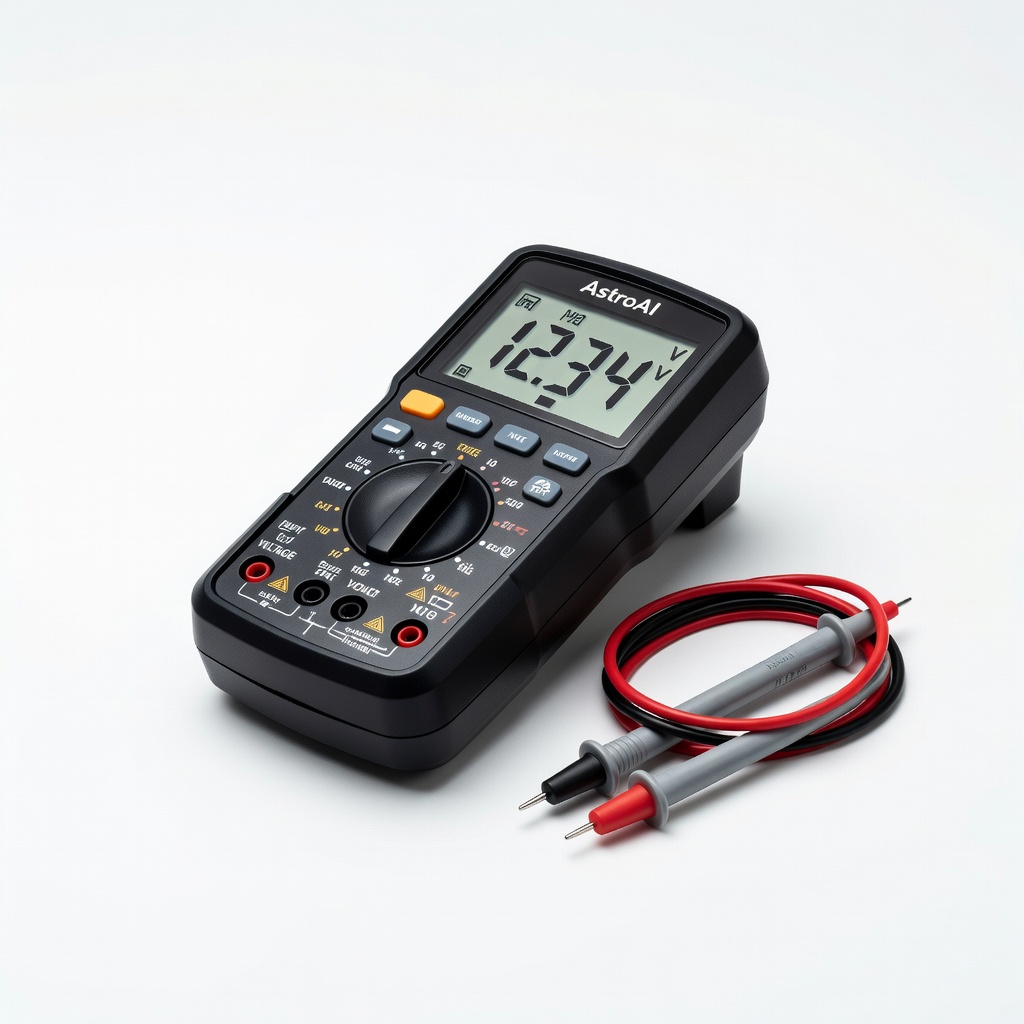
Check battery health before/during storage.
AstroAI Digital Multimeter Accurate DC voltage testing for beginners; auto-ranging simplifies use.
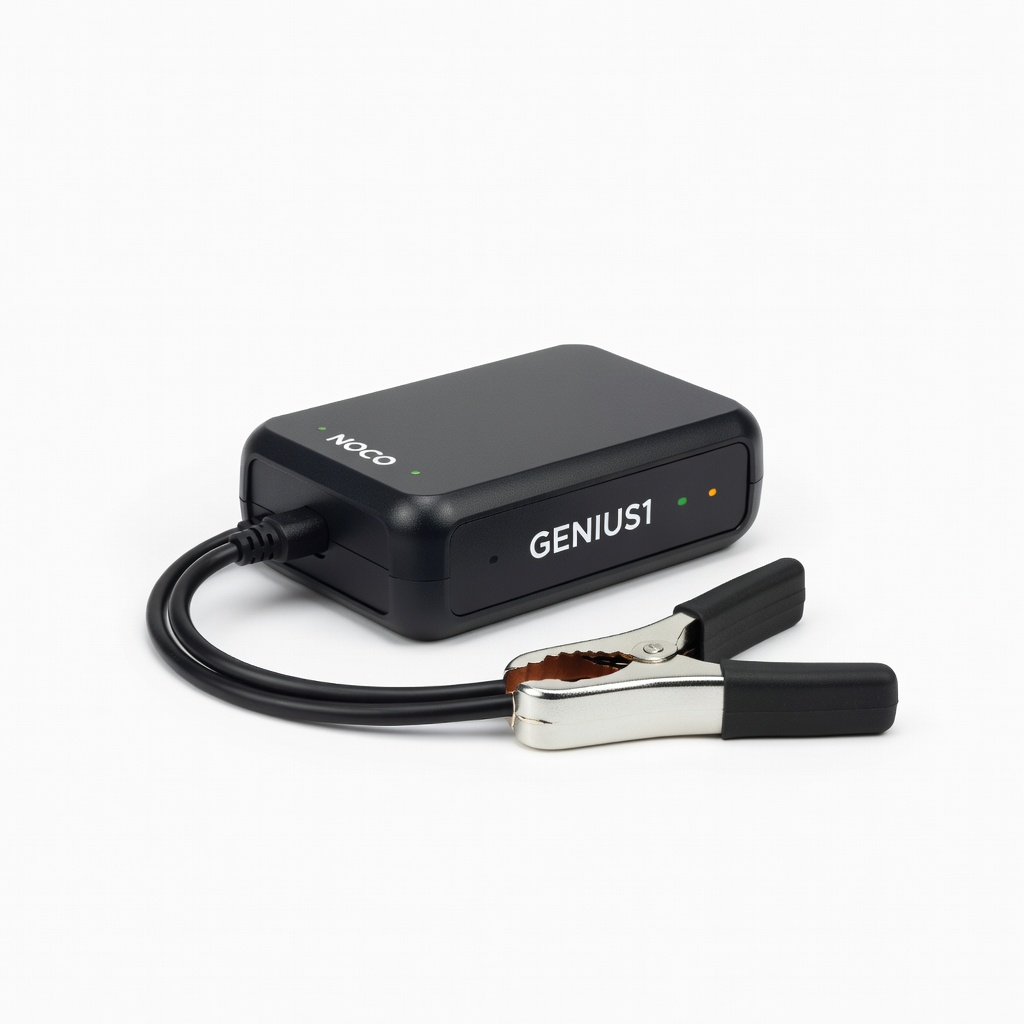
Budget-friendly for small batteries like ATVs.
NOCO GENIUS1 Battery Maintainer Compact, repairs sulfation; works on 6/12V batteries.

Humid climates for battery protection.
Eva-Dry Wireless Mini Dehumidifier Prevents moisture buildup in storage boxes.
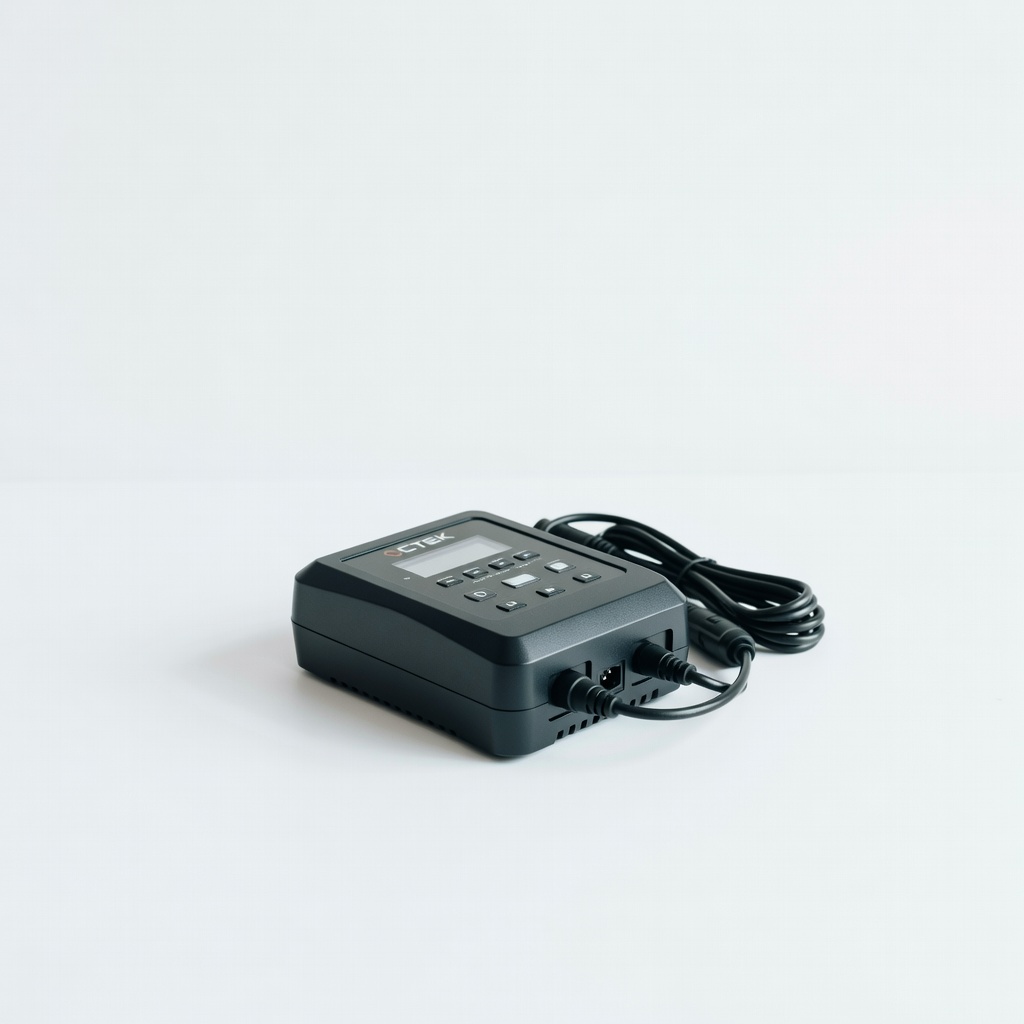
AGM or larger deep-cycle batteries.
CTEK MUS 4.3 Battery Charger 12V fully automatic with reconditioning mode; premium reliability.