
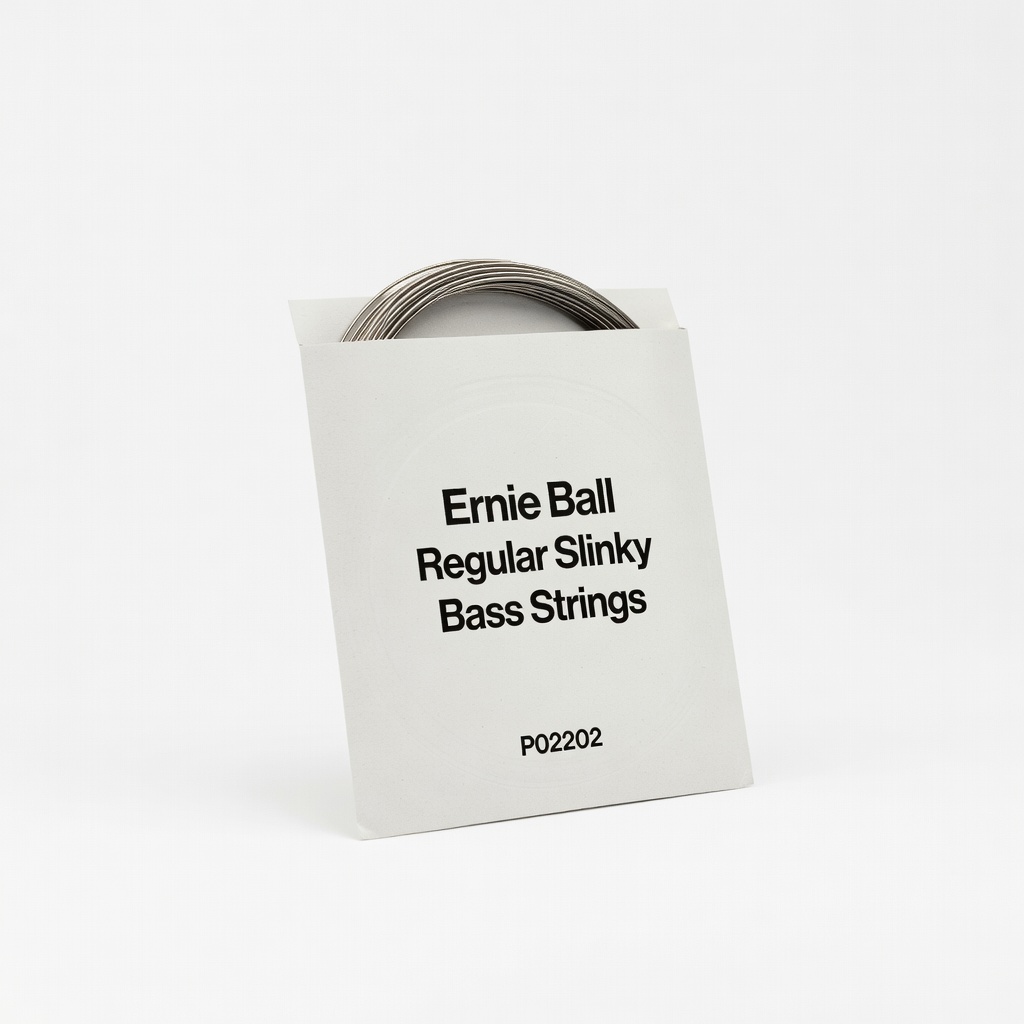
Ernie Ball Regular Slinky Bass Strings (P02202)
Primary strings for pop/thump—replaces flats for funk tone.
$21.99
Ernie Ball Regular Slinky Bass Strings (P02202) Nickel roundwounds perfect for slap brightness and grip on acoustic-electrics.
Get the App
Better experience on mobile
Optimize your acoustic-electric bass for punchy slap tones with pro-level adjustments to relief, action, and intonation in under 2 hours.
Slap bass delivers that iconic 'pop' and 'thump' heard in funk, fusion, and modern grooves, but acoustic and acoustic-electric basses pose unique challenges. Their thinner necks, resonant bodies, and piezo pickups can lead to buzz, muddiness, or weak projection without proper setup. Advanced players know a dialed-in instrument unlocks aggressive thumb slaps and finger pops without fret rattle or intonation woes.
In this guide, you'll learn to transform your bass into a slap machine through precise tweaks tailored for acoustic designs. We'll cover string choice, neck relief, action, intonation, and pickup optimization. Expect a hands-on process requiring basic luthier skills—no prior setup experience needed beyond intermediate playing.
Total time: 90 minutes to 2 hours. You'll end up with low action for speed, balanced tension for thumb control, and crisp highs that cut through any mix.
Estimated Time: 90 minutes to 2 hours Difficulty: advanced
Start by removing old strings one at a time to maintain neck tension. Clean the fretboard with conditioner if needed—acoustic basses often accumulate grime affecting tone.
Install new roundwound strings (e.g., nickel-plated for bright slap attack). Thread through bridge and tuner posts, wind 2-3 wraps on posts. Tune to standard EADG and stretch strings firmly by pulling each up and down 3-5 times. Retune. Success: Strings hold pitch after stretching, no sharp ends poking out.
Roundwounds are key for slap—their texture grips fingers for pops, unlike flats which deaden the snap. Let sit 24 hours if possible for full settle.
💡 Tips:
⚠️ Warnings:
Tune to pitch (EADG) and capo 1st fret. Hold down string at fret 12 (or last fret). Measure gap at fret 7-8 with feeler gauge.
Ideal relief for slap: 0.008"-0.012" (0.2-0.3mm)—tight for speed but allows thumb thump without buzz. Acoustic basses need less relief due to lower tension. Success: Slight curve visible, no dead spots.
Why? Too much relief muddies slaps; too flat buzzes on pops.
💡 Tips:
⚠️ Warnings:
Locate truss rod at headstock (allen key). Clockwise tightens (flattens), counterclockwise loosens (more relief).
Make tiny 1/8-turn adjustments, wait 10-15 mins, retune, recheck. Aim for 0.010" average. Success: Consistent relief across neck, smooth fretting.
Advanced tip: Acoustic-electrics may need dual-action rods—check for play before turning.
💡 Tips:
⚠️ Warnings:
Measure action at 12th fret: Low E 4/64" (1.6mm), G 3/64" (1.2mm) for slap speed on acoustics.
Adjust saddles (usually thumbwheels or screws). Lower gradually, check buzz by slapping thumb on low E. Success: Pops ring clean, no fret buzz on aggressive plays.
Acoustic bridges are fixed-height often—file saddles if needed, but pros only.
💡 Tips:
⚠️ Warnings:
Fret note at 12th, compare tuner to open string. Sharp? Move saddle back; flat? Forward.
Adjust each string individually. Success: 12th fret harmonics match fretted note within 5 cents.
Crucial for slap—pops hit upper frets sharp without it, ruining runs.
💡 Tips:
⚠️ Warnings:
Press string at 3rd fret—gap at 1st should be zero. File slots if binding (use correct gauge file).
Lube with graphite. Success: Open strings ring full, no high action at nut.
Nut too high chokes pops; too low pinches.
💡 Tips:
⚠️ Warnings:
For acoustic-electrics (piezo/magnetic): Slap E string, adjust screws for balanced output—1/4" from bass side, 3/16" treble.
Success: Slaps punchy, no ice-pick highs or weak lows.
Piezo needs closer for transients.
💡 Tips:
⚠️ Warnings:
Play slap patterns (thumb on E/A, pop D/G). Check buzz, tone, playability.
Retweak as needed. Success: Effortless 'thwap-pop' groove, even on acoustic body.
Play in for 30 mins—settles everything.
💡 Tips:
⚠️ Warnings:
Problem: Persistent fret buzz on slaps
Solution: Raise action 1/64" or add 0.002" relief. Check for high frets with fret rocker.
Problem: Muddy pop tone
Solution: Fresher roundwounds + pickup closer to bridge. EQ mids.
Problem: Strings won't stay in tune
Solution: Lube nut, stretch more, check tuner posts for slippage.
Problem: Intonation drifts after setup
Solution: Retune fully before adjusting; temperature stabilize bass.
Problem: Neck back-bow won't fix
Solution: Seek luthier—possible truss rod issue or humidity damage.
Nickel roundwounds perfect for slap brightness and grip on acoustic-electrics.
Best for: Primary strings for pop/thump—replaces flats for funk tone.
Price Range: $21.99
Precision tool for exact relief/action measurements—essential for advanced setups.
Best for: Daily luthier checks without guesswork.
Price Range: $19.99
Stays put for relief checks without slipping on bass necks.
Best for: One-handed capo for solo adjustments.
Price Range: $17.99
Graphite formula eliminates nut binding for smoother pops.
Best for: Post-setup maintenance to prevent sticking.
Price Range: $14.99
Speeds string changes 3x—peg access on acoustics is tight.
Best for: Quick restring during gigs or tweaks.
Price Range: $12.99
Primary strings for pop/thump—replaces flats for funk tone.
Ernie Ball Regular Slinky Bass Strings (P02202) Nickel roundwounds perfect for slap brightness and grip on acoustic-electrics.
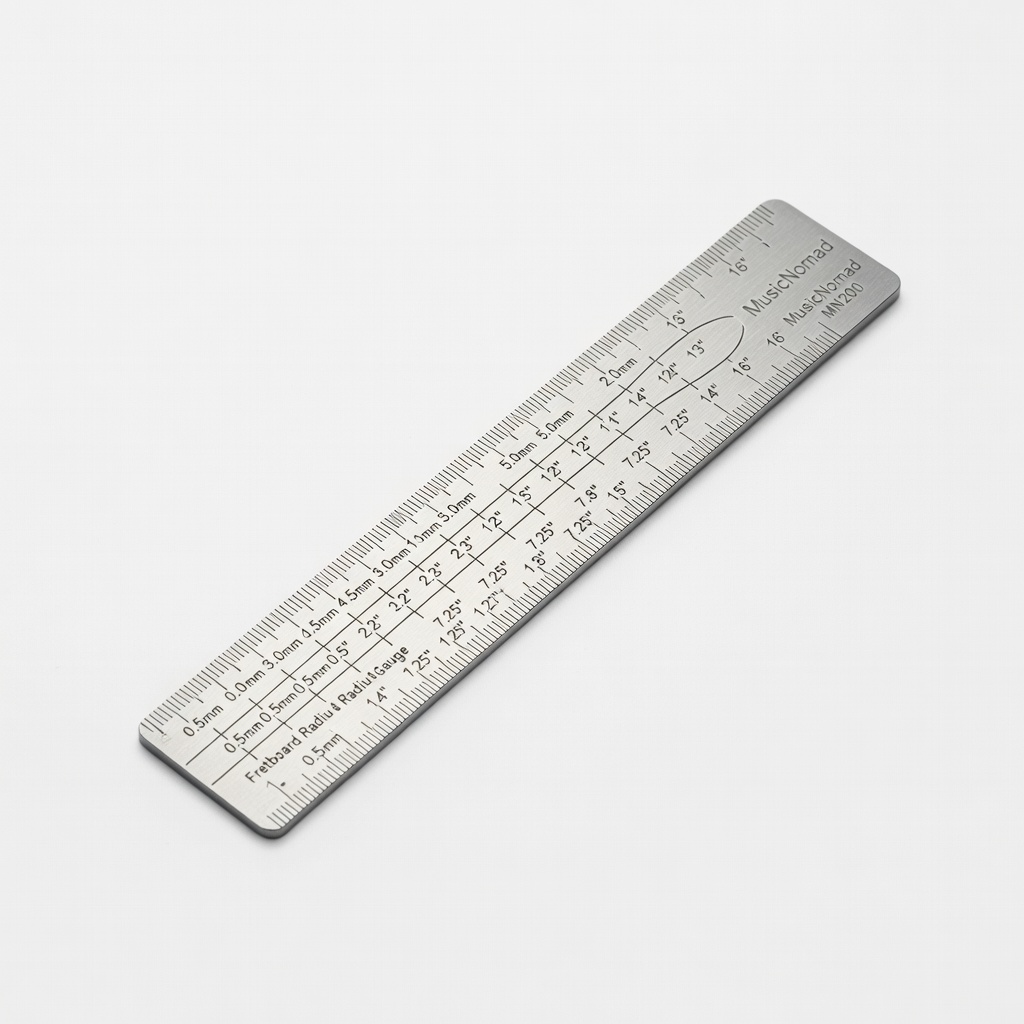
Daily luthier checks without guesswork.
MusicNomad MN200 String Action Ruler & Gauge Precision tool for exact relief/action measurements—essential for advanced setups.
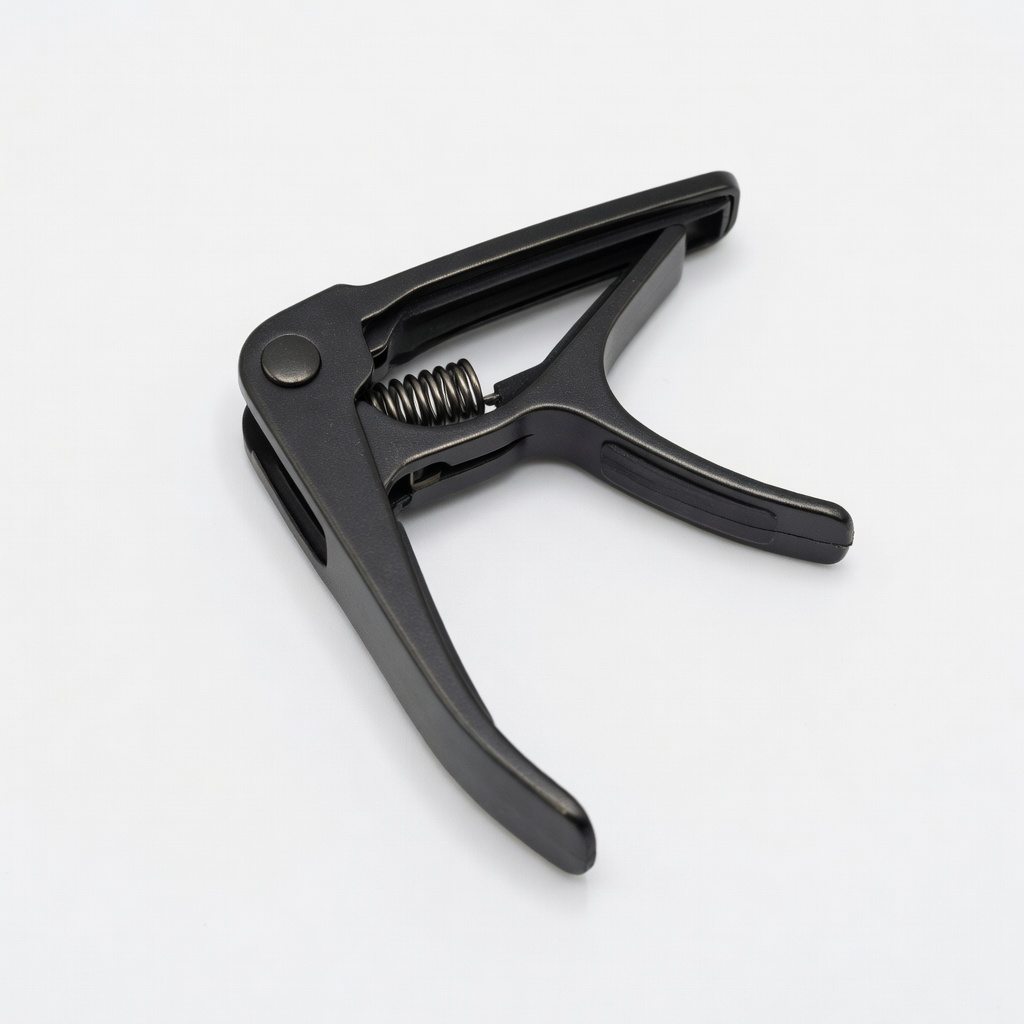
One-handed capo for solo adjustments.
Kyser 184 Quick-Change Bass Capo Stays put for relief checks without slipping on bass necks.
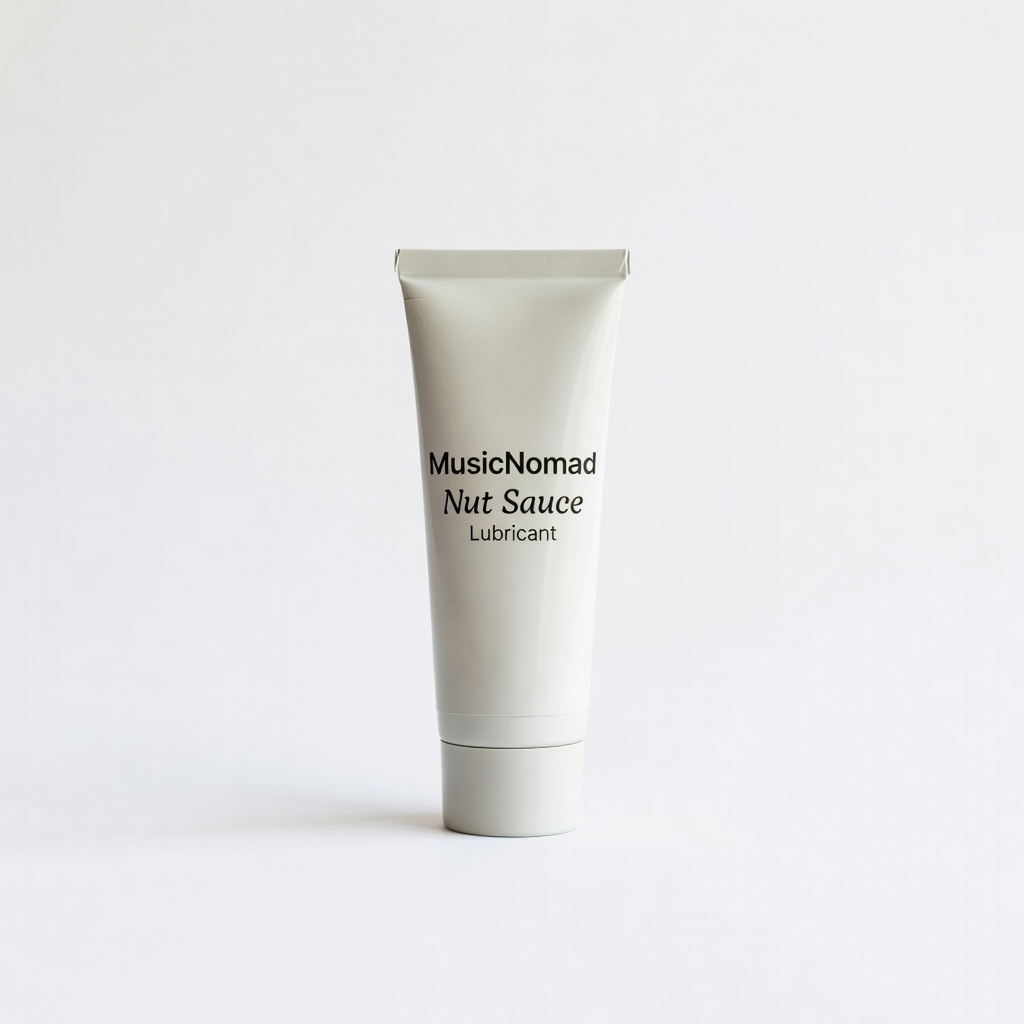
Post-setup maintenance to prevent sticking.
MusicNomad Nut Sauce Lubricant Graphite formula eliminates nut binding for smoother pops.
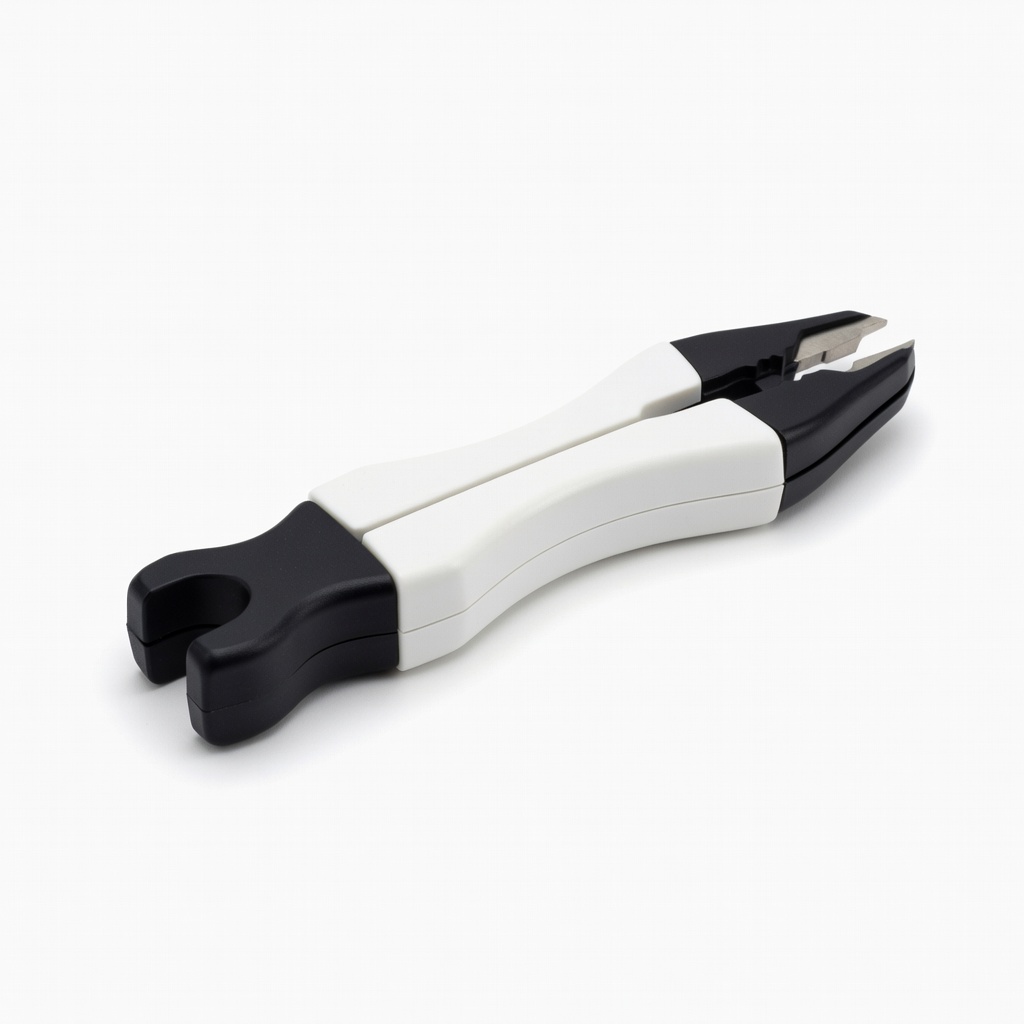
Quick restring during gigs or tweaks.
D'Addario PWCT-20 Pro-Winder Bass Peg Winder Speeds string changes 3x—peg access on acoustics is tight.