
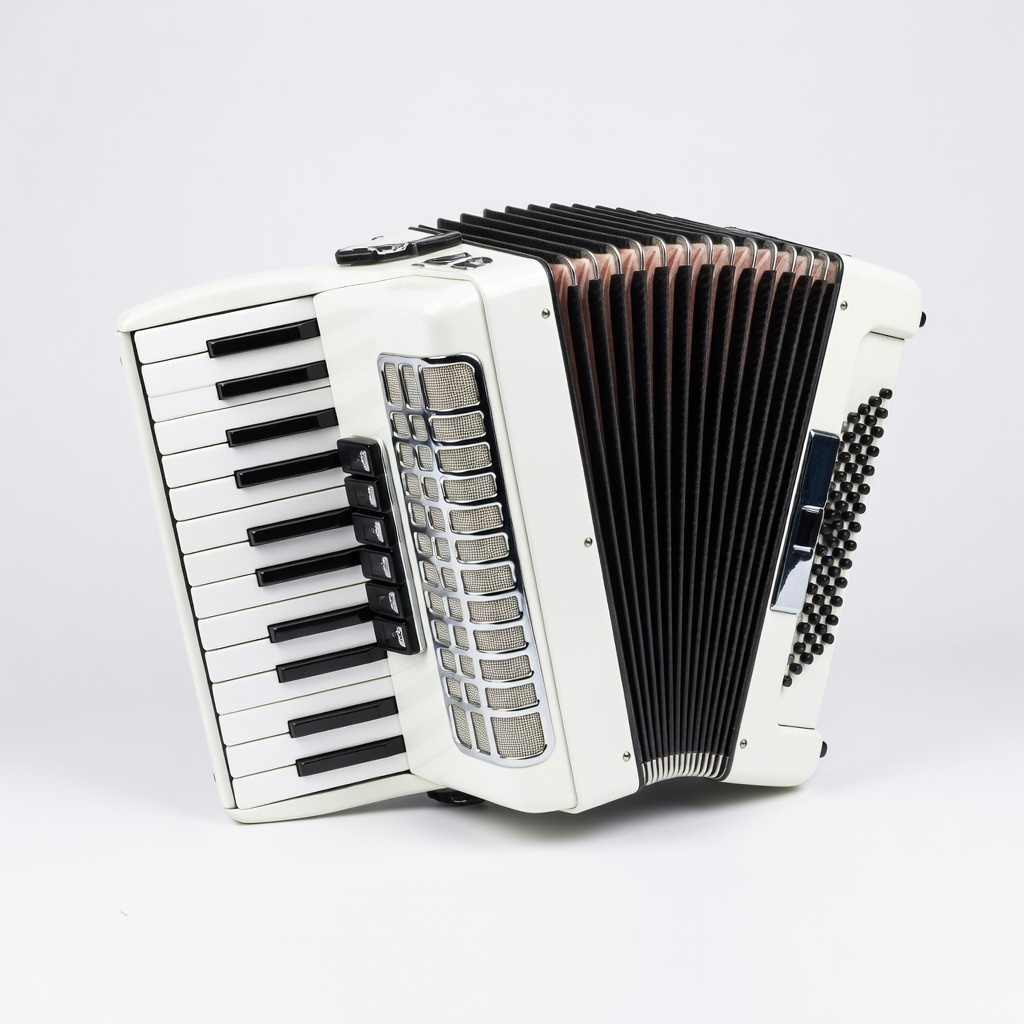
Hohner 120B Pandora Beginner Accordion
Ideal for kids/adults new to piano accordion.
$250-$300
Hohner 120B Pandora Beginner Accordion Perfect starter 26-key, 48-bass model with pre-attached straps for easy setup.
Get the App
Better experience on mobile
Learn to assemble, adjust, and prepare your accordion for playing in under 30 minutes with simple steps.
Buying your first accordion is exciting, but setting it up correctly can make all the difference in your playing experience. Many beginners struggle with loose straps, poor fit, or untested bellows, leading to frustration and bad habits. This guide solves that by walking you through every step.
You'll learn how to unbox, assemble straps, adjust for comfort, check components, and test play. No prior experience needed—just follow along for a pro-level setup. Expect 20-30 minutes total, perfect for beginners.
Estimated Time: 20-30 minutes Difficulty: beginner
Carefully open the accordion case or box. Remove the instrument, straps, and any accessories like screws or manuals. Lay everything on a soft cloth on a flat table to avoid scratches.
Inspect for damage: Check the keyboard (right side) for stuck keys, bass buttons (left side) for smooth action, and bellows for tears. Why it matters: Catching issues early prevents play problems. Success: All parts present and undamaged.
💡 Tips:
⚠️ Warnings:
Locate the hand strap on the right (keyboard) side—it's a fabric loop. Align the metal brackets with the accordion's screw holes. Insert screws and tighten clockwise with a screwdriver until snug but not over-tight.
Why it matters: Proper attachment ensures your hand stays secure during play. Expect slight resistance; it should feel firm. Success: Strap pulls taut without wobbling.
💡 Tips:
Find the longer strap for your left shoulder (bass side). Hook its end clips or screws into the designated mounts near the bass button panel. Pull to test tension.
This strap supports the accordion's weight. Success: Strap hangs evenly without twisting.
⚠️ Warnings:
Secure the shorter right strap to mounts near the keyboard end. Adjust length preliminarily so it matches your body size.
Full strap setup distributes weight evenly. Test by holding: It should balance across your torso. Success: Both straps connected symmetrically.
💡 Tips:
Put on the accordion: Left strap over left shoulder, right over right. Buckle the waist/chest strap if present. Loosen/tighten via buckles until keyboard aligns with hands and bass buttons are reachable without strain.
Why: Bad fit causes fatigue. Walk around testing. Success: Comfortable for 10+ minutes without slipping.
⚠️ Warnings:
Hold securely, pull/push bellows smoothly. Press keys/buttons—notes should sound clear without sticking.
Checks reed alignment. Success: Even airflow, crisp tones.
💡 Tips:
Clip tuner to grille. Play middle C (or equivalent); adjust if flat/sharp (pro may need for fine reeds). For beginners, confirm within 10 cents.
Ensures playability. Success: Tuner shows green/in-tune.
Sit/stand straight, accordion tilted slightly right. Practice simple bellows + key press.
Confirms full setup. Success: Easy sound production.
💡 Tips:
Problem: Straps slipping off shoulders
Solution: Shorten straps or add non-slip pads; ensure even tension.
Problem: Keys/buttons sticking
Solution: Gently clean with compressed air; avoid liquids.
Problem: Bellows not sealing
Solution: Check for tears; apply accordion tape if minor.
Problem: Out of tune notes
Solution: Use tuner; seek pro if reeds need adjustment.
Perfect starter 26-key, 48-bass model with pre-attached straps for easy setup.
Best for: Ideal for kids/adults new to piano accordion.
Price Range: $250-$300
Accurate, vibration-based tuner clips easily to grille for quick checks.
Best for: Essential for verifying tune during setup and practice.
Price Range: $15-$20
Padded, adjustable straps upgrade comfort over stock.
Best for: Replace worn straps or customize fit.
Price Range: $25-$35
Durable gig bag protects during transport post-setup.
Best for: Store your assembled accordion safely.
Price Range: $50-$70
For minor reed tweaks if basic tuning isn't enough.
Best for: Advanced beginners maintaining setup.
Price Range: $20-$30
Ideal for kids/adults new to piano accordion.
Hohner 120B Pandora Beginner Accordion Perfect starter 26-key, 48-bass model with pre-attached straps for easy setup.
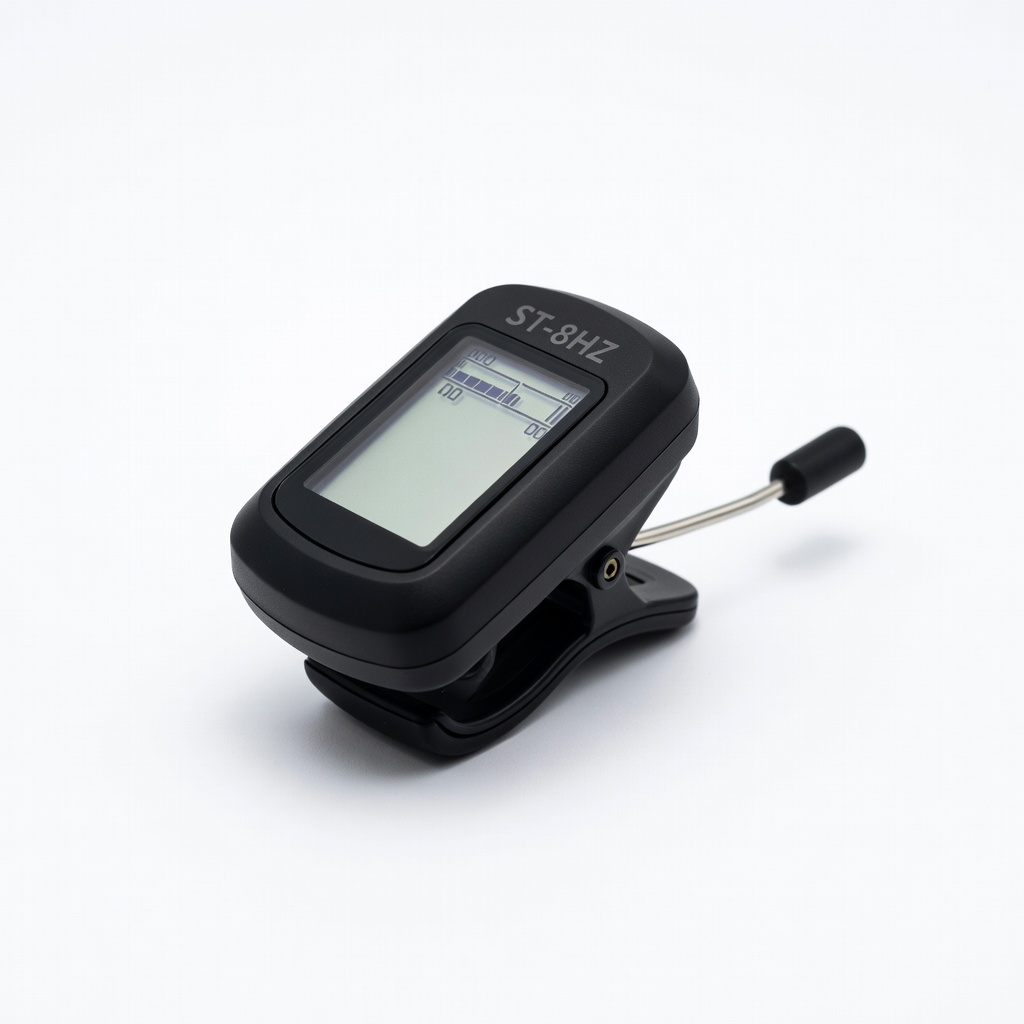
Essential for verifying tune during setup and practice.
Snark ST-8HZ Clip-On Tuner Accurate, vibration-based tuner clips easily to grille for quick checks.
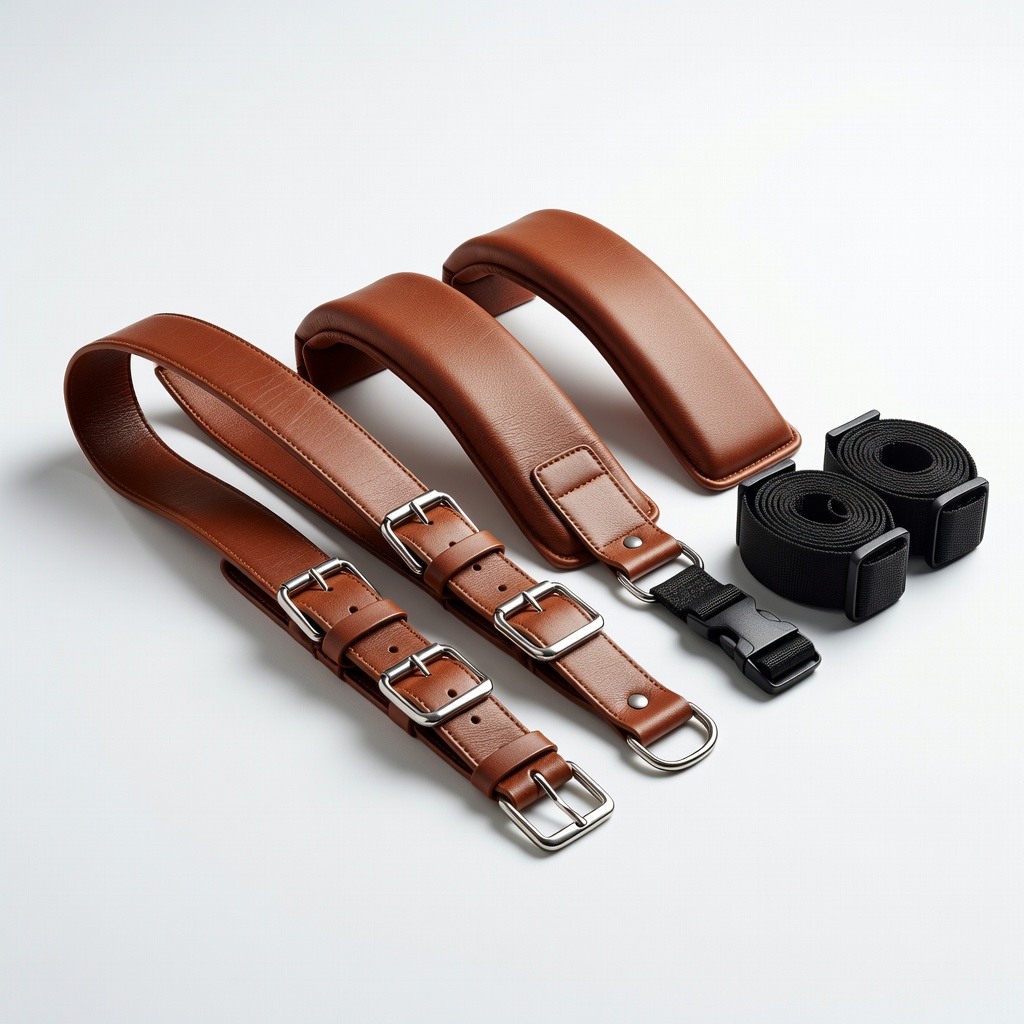
Replace worn straps or customize fit.
MGACC Accordion Strap Set Padded, adjustable straps upgrade comfort over stock.
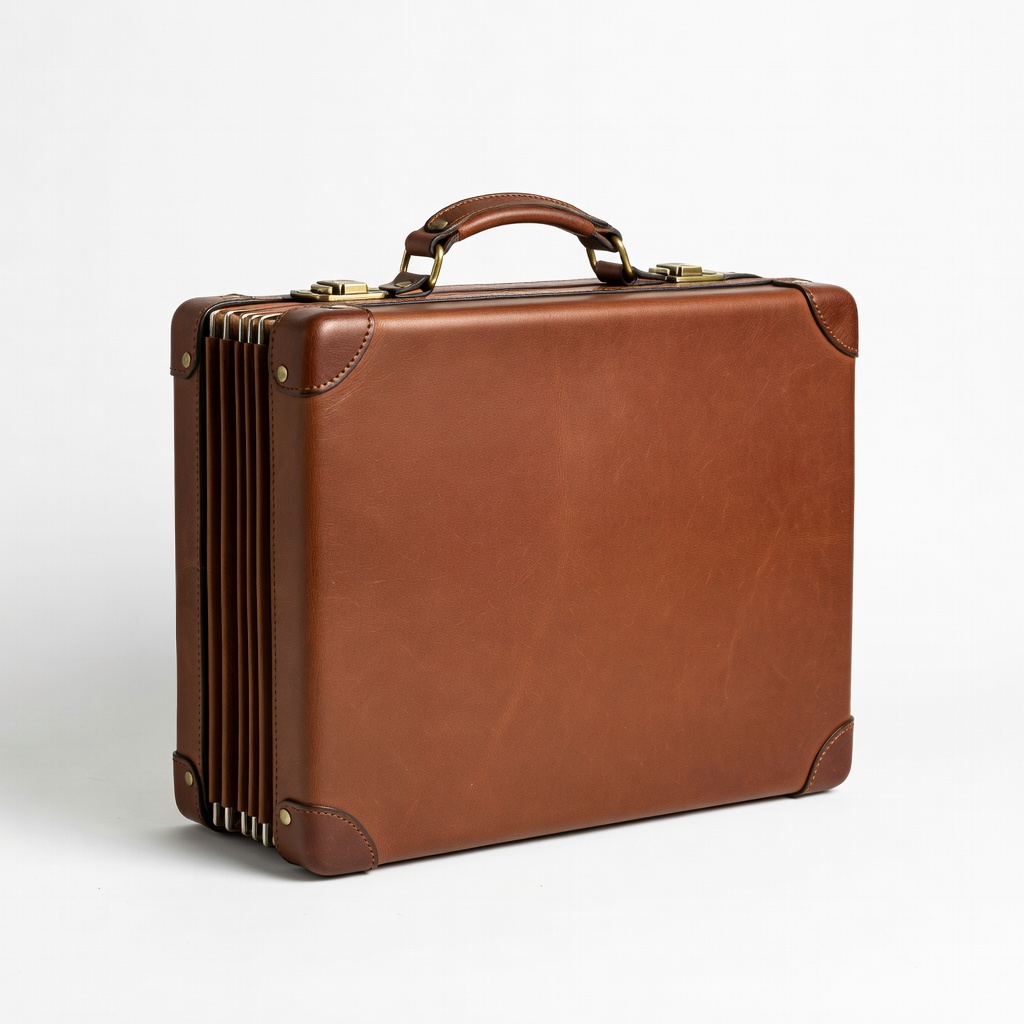
Store your assembled accordion safely.
Caesar's Accordion Case (Medium) Durable gig bag protects during transport post-setup.
Advanced beginners maintaining setup.
D'Addario Accordion Reed Plates (Optional Tune Kit) For minor reed tweaks if basic tuning isn't enough.