Tired of lackluster harvests and recurring pest issues in your vegetable garden? Crop rotation is a time-tested agricultural practice that prevents soil nutrient depletion, reduces disease buildup, and keeps your plants thriving year after year. Without it, growing the same crops in the same spot can exhaust the soil and invite trouble.
In this guide, you'll learn the fundamentals of crop rotation, from understanding plant families to creating a multi-year plan. We'll walk you through actionable steps to design and implement a rotation system suited for intermediate gardeners. Expect to spend 1-2 hours on initial planning, with ongoing adjustments each season—no advanced skills required, just basic gardening knowledge.
By the end, you'll have a rotating schedule that promotes biodiversity and sustainable yields, setting your garden up for long-term success.
▸What You'll Need
- •Garden journal or notebook for planning
- •Soil test kit (required for accurate nutrient assessment)
- •Seeds or seedlings of diverse vegetable varieties
- •Garden map or graph paper for plotting beds
- •Compost or organic fertilizer (optional but recommended for soil amendment)
- •pH meter or strips (optional for fine-tuning soil conditions)
Estimated Time: 1-2 hours for planning; implementation spans 1-3 growing seasons
Difficulty: intermediate
▸Step-by-Step Instructions
Step 1: Understand Crop Families
Start by learning the major vegetable crop families, as rotation works by avoiding planting the same family in the same spot consecutively. Key families include Solanaceae (tomatoes, peppers, potatoes), Brassicaceae (broccoli, cabbage, kale), Leguminosae (beans, peas), and Cucurbitaceae (cucumbers, squash).
This step is crucial because each family has unique nutrient needs and pest vulnerabilities—rotating them prevents soil exhaustion and disease cycles. Expect to spend 15-20 minutes researching; use a simple chart to group your common crops.
Success looks like a categorized list of your garden's vegetables, ready for planning.
💡 Tips:
- •Focus on 4-5 main families for simplicity if your garden is small.
⚠️ Warnings:
- •Don't skip this—misgrouping can lead to ineffective rotation.
Step 2: Test Your Soil
Conduct a soil test to assess pH, nutrients (nitrogen, phosphorus, potassium), and organic matter. Collect samples from different garden beds and follow the kit's instructions—usually mixing soil with water and comparing colors to a chart.
Why it matters: Rotation is more effective when soil health is baseline-known, allowing you to amend as needed (e.g., add lime for acidic soil). You'll get results in minutes to hours, revealing imbalances that could hinder your plan.
Success: A report showing soil status, guiding crop choices.
💡 Tips:
- •Test in early spring for timely amendments.
⚠️ Warnings:
- •Avoid testing right after rain to prevent skewed results.
Step 3: Map Your Garden Beds
Sketch a diagram of your garden layout, dividing it into 3-4 sections or beds. Label current or past plantings to track history—use graph paper for scale.
This visual aid ensures even rotation across spaces, preventing overuse of any area. It takes about 20 minutes and sets the foundation for your schedule.
Success: A clear, labeled map showing bed divisions and past crops.
💡 Tips:
- •Use permanent beds for easier long-term tracking.
⚠️ Warnings:
- •Overcomplicate with too many sections if you're new to this.
Step 4: Group Crops into Rotation Classes
Assign your vegetables to rotation groups based on families: Group 1 (leafy greens like lettuce), Group 2 (roots like carrots), Group 3 (fruits like tomatoes), Group 4 (legumes for nitrogen-fixing). Aim for a 4-year cycle where no group returns to the same bed sooner.
This balances soil use—legumes replenish nitrogen depleted by heavy feeders like corn. Plan for your climate and space; expect a draft schedule.
Success: A grouped list with bed assignments for Year 1.
💡 Tips:
- •Include cover crops like clover in off-seasons for extra soil benefits.
⚠️ Warnings:
- •Don't plant brassicas after brassicas, as they share pests like clubroot.
Step 5: Plan Your Multi-Year Schedule
Create a 3-4 year rotation plan on paper or in a journal. For example: Year 1—Bed A: legumes; Bed B: roots. Year 2—shift everything clockwise. Factor in companion planting for synergy.
It matters for sustainability, reducing chemical needs. This step takes 30-45 minutes.
Success: A written timetable ready for planting.
💡 Tips:
- •Use color-coding for visual clarity.
⚠️ Warnings:
- •Adjust for perennials like asparagus that can't rotate.
Step 6: Implement the First Rotation
Plant according to Year 1 of your plan, amending soil as per tests (e.g., add compost to legume beds). Space plants properly and mulch to retain moisture.
This launches your system; monitor growth for adjustments. Over the season, note successes.
Success: Garden beds filled with rotated crops, showing healthy starts.
💡 Tips:
- •Start small with 2-3 beds to test the system.
⚠️ Warnings:
- •Overplant—stick to your map to avoid overcrowding.
Step 7: Monitor and Adjust Annually
At season's end, record yields, pests, and soil changes. Rotate for the next year and retest soil if needed.
Ongoing monitoring ensures the plan evolves with your garden. It prevents stagnation.
Success: Updated journal with data for future improvements.
💡 Tips:
- •Take photos each year for visual tracking.
⚠️ Warnings:
- •Ignore signs of nutrient drop—address promptly.
▸Pro Tips
- •Incorporate nitrogen-fixers like beans early in the cycle to recharge soil.
- •Use row covers in the first year to protect new rotations from pests.
- •Rotate with flowers or herbs to attract beneficial insects.
- •Keep records digitally with apps for easy access and sharing.
- •Scale rotation to your space—pots work for small urban gardens.
- •Amend soil between rotations with homemade compost for cost savings.
- •Pair rotations with no-till methods to preserve soil structure.
▸Common Mistakes to Avoid
- •Repeating crops in the same family too soon, leading to nutrient depletion—avoid by strictly following your 3-4 year cycle.
- •Ignoring soil tests, resulting in imbalanced amendments—always test before planning.
- •Overlooking garden history, causing accidental repeats—map past plantings accurately.
- •Not accounting for crop needs, like heavy feeders following light ones—group thoughtfully.
- •Failing to monitor, missing adjustments for poor yields—log observations seasonally.
▸Troubleshooting
Problem: Persistent pests despite rotation
Solution: Introduce beneficial insects or companion plants; ensure full 4-year cycle. If severe, consult local extension service.
Problem: Declining yields in a bed
Solution: Retest soil and add targeted fertilizers; skip rotation for a cover crop season to rebuild.
Problem: Weeds invading rotated areas
Solution: Mulch heavily post-planting; hand-pull before seeding. Consider landscape fabric for problem spots.
Problem: Confusion in tracking multi-year plan
Solution: Use labeled stakes or a digital planner app; review annually in winter.
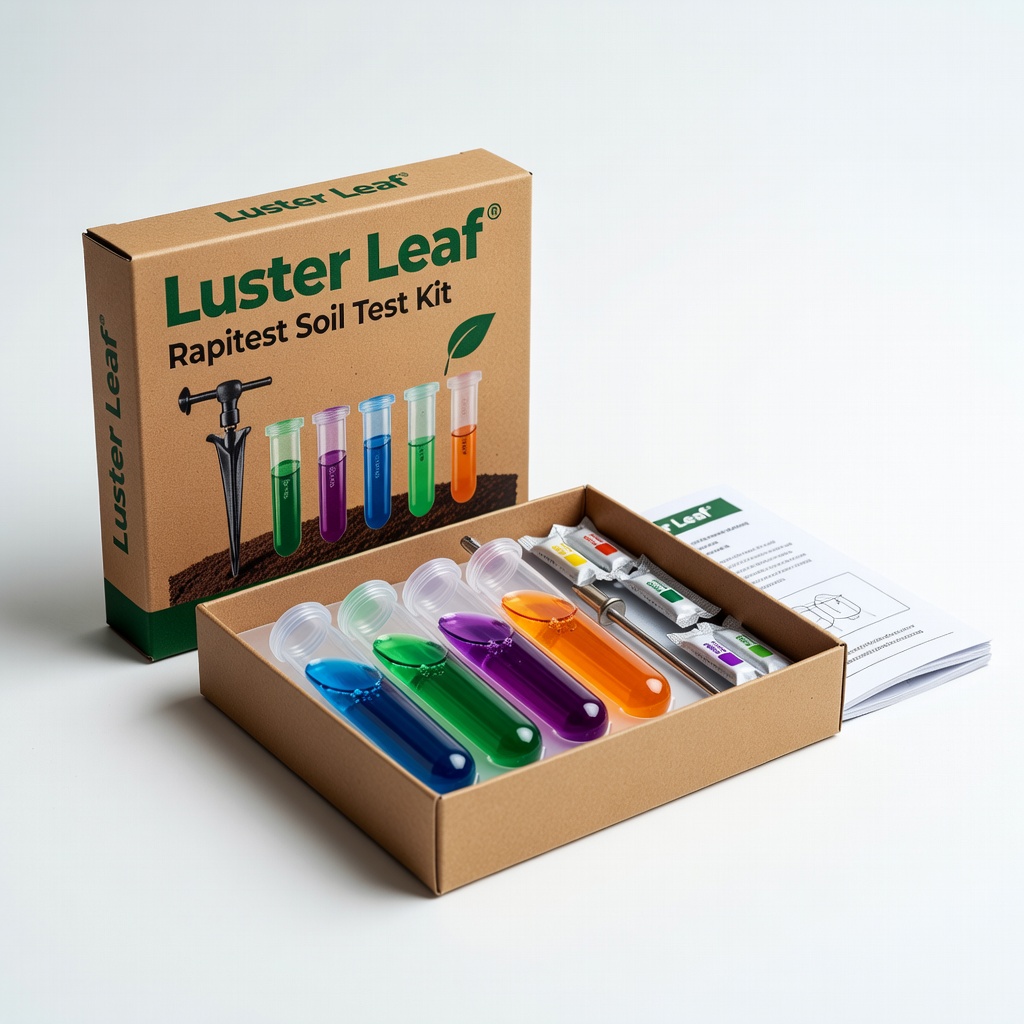
Luster Leaf Rapitest Soil Test Kit
Provides quick, accurate testing for pH and key nutrients essential for effective crop rotation planning.
Best for: Use before each rotation cycle to identify soil needs and amend accordingly.
Price Range: $15-$20
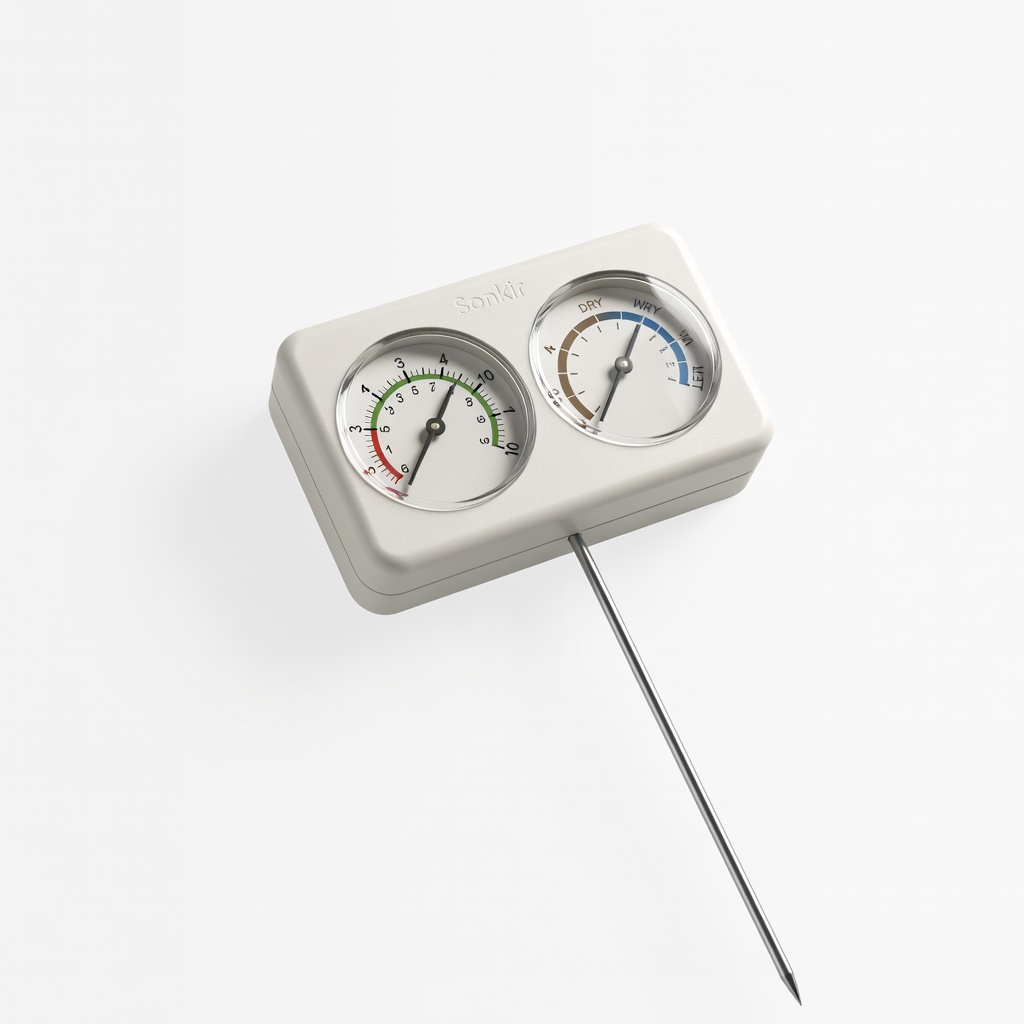
Sonkir Soil pH Meter
Easy-to-use digital tool for ongoing pH monitoring, helping maintain optimal soil conditions across rotations.
Best for: Check pH in beds before planting new crop groups to avoid acidity issues.
Price Range: $10-$15
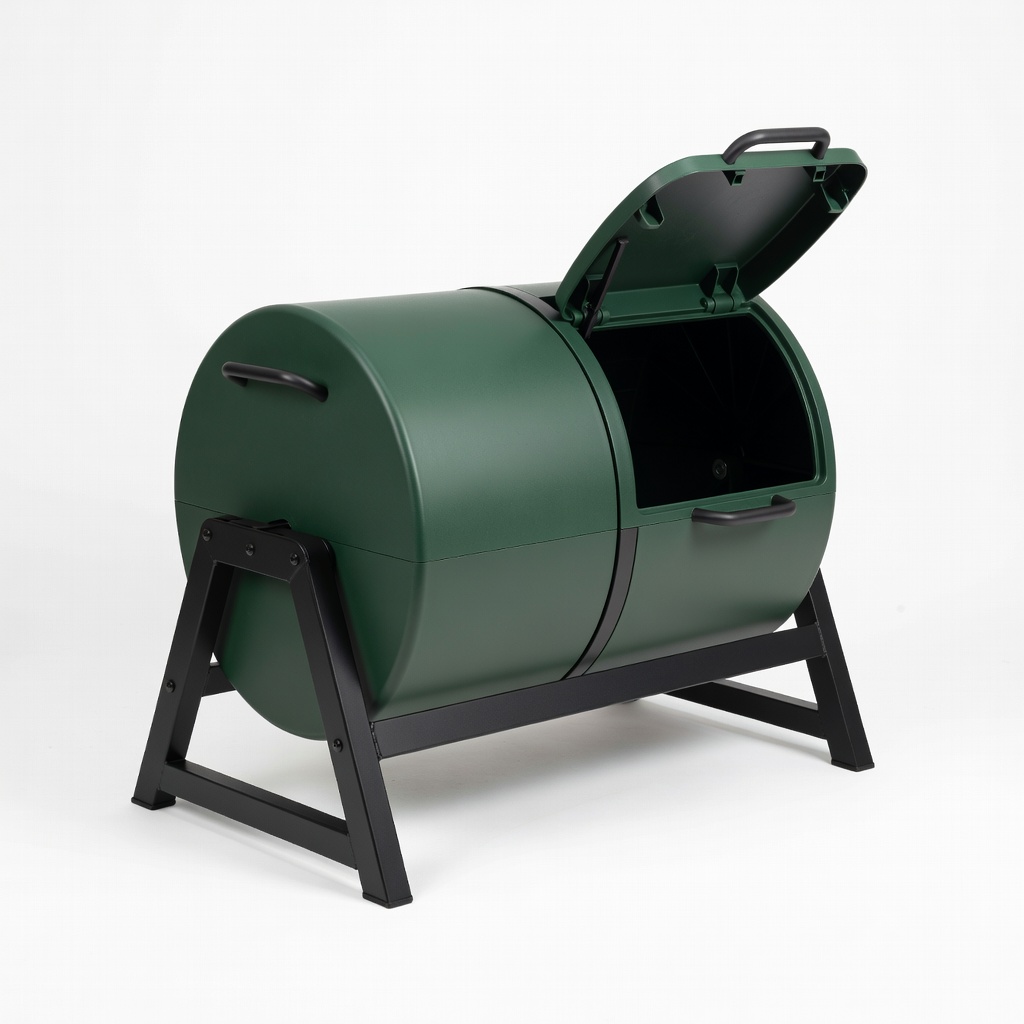
FCMP Outdoor IM4000 Dual Chamber Tumbling Composter
Produces nutrient-rich compost to amend soil between rotations, enhancing fertility without chemicals.
Best for: Add compost to beds after heavy-feeding crops to prepare for the next group.
Price Range: $100-$150
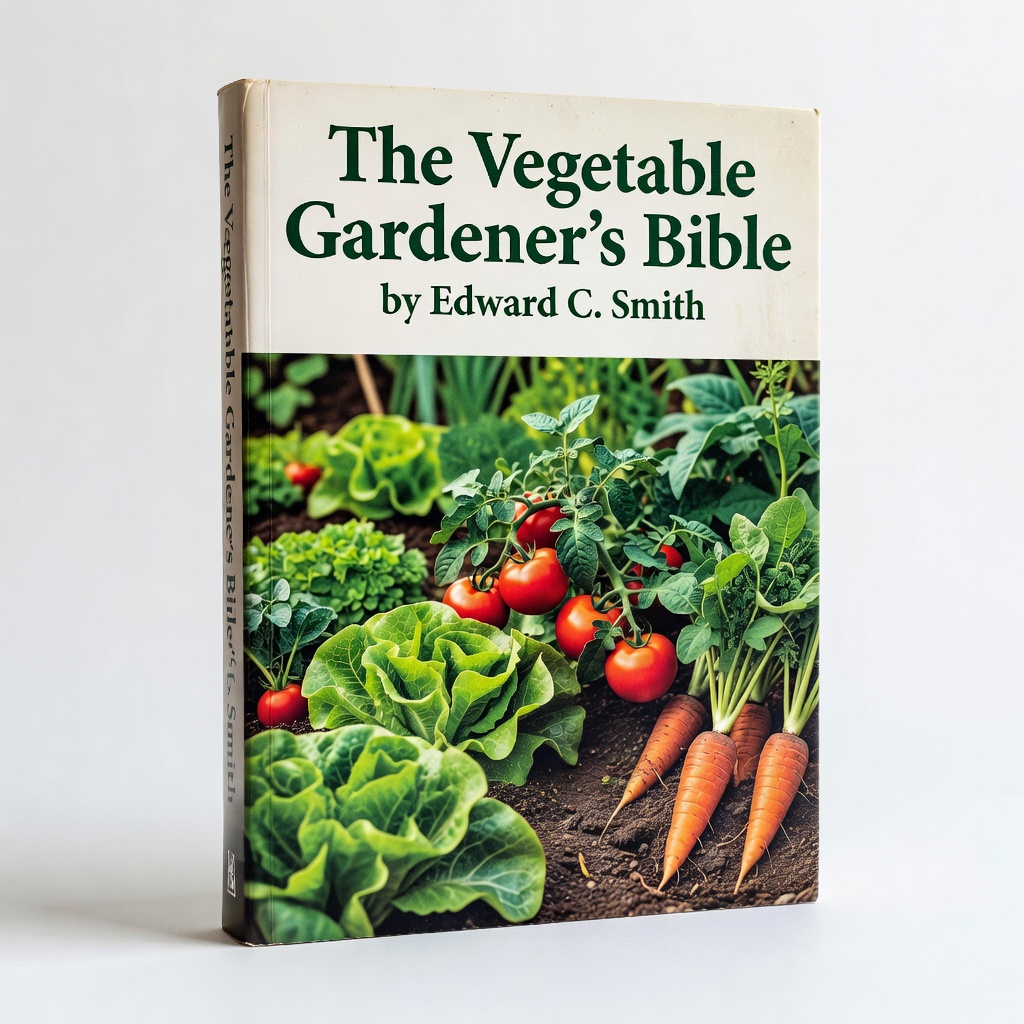
The Vegetable Gardener's Bible by Edward C. Smith
Comprehensive guide with rotation charts and tips, ideal for intermediate gardeners refining their plans.
Best for: Reference for crop family details and troubleshooting during planning sessions.
Price Range: $15-$20
Burpee Garden Journal
Durable notebook for tracking rotations, yields, and notes, keeping your plan organized over years.
Best for: Log seasonal data to adjust future rotations accurately.
Price Range: $10-$15