Polka music's infectious rhythms demand an accordion that's perfectly set up—responsive bellows, crisp reeds, and comfortable straps for hours of oompah fun. If you're a beginner excited to dive into polka but your new accordion feels stiff or out of tune, this guide solves that. Many starters skip basic setup, leading to frustrating squeaks or slips during play.
In this tutorial, you'll learn to unpack, clean, adjust, and tune your accordion specifically for polka's energetic style, like ensuring musette tuning vibes on piano models or diatonic crispness on button boxes. We'll cover everything sequentially, with visuals in mind.
Expect 20-30 minutes total, no prior experience needed—just follow along for polka-ready results. By the end, you'll play your first simple polka riff confidently.
▸What You'll Need
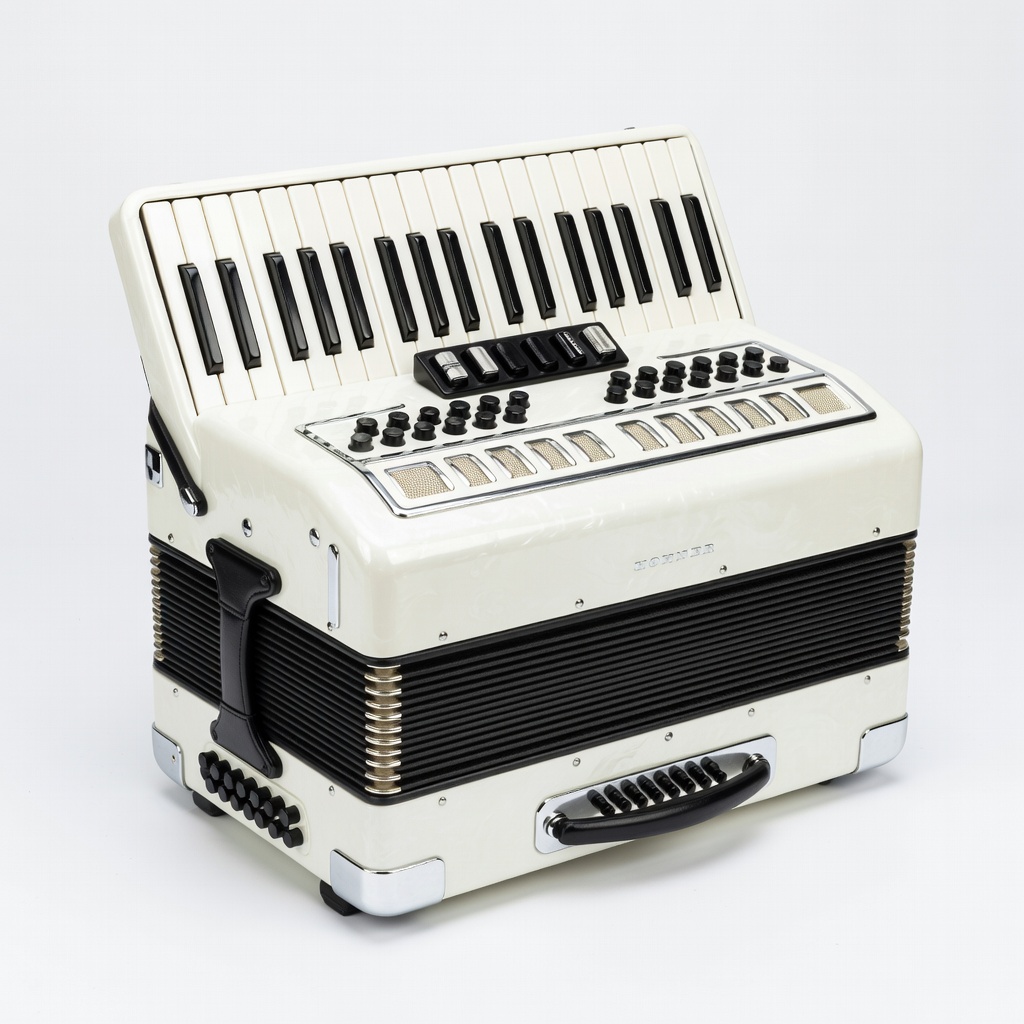
- •Accordion (piano key or 3-row button box ideal for polka, e.g., 26-34 treble keys)
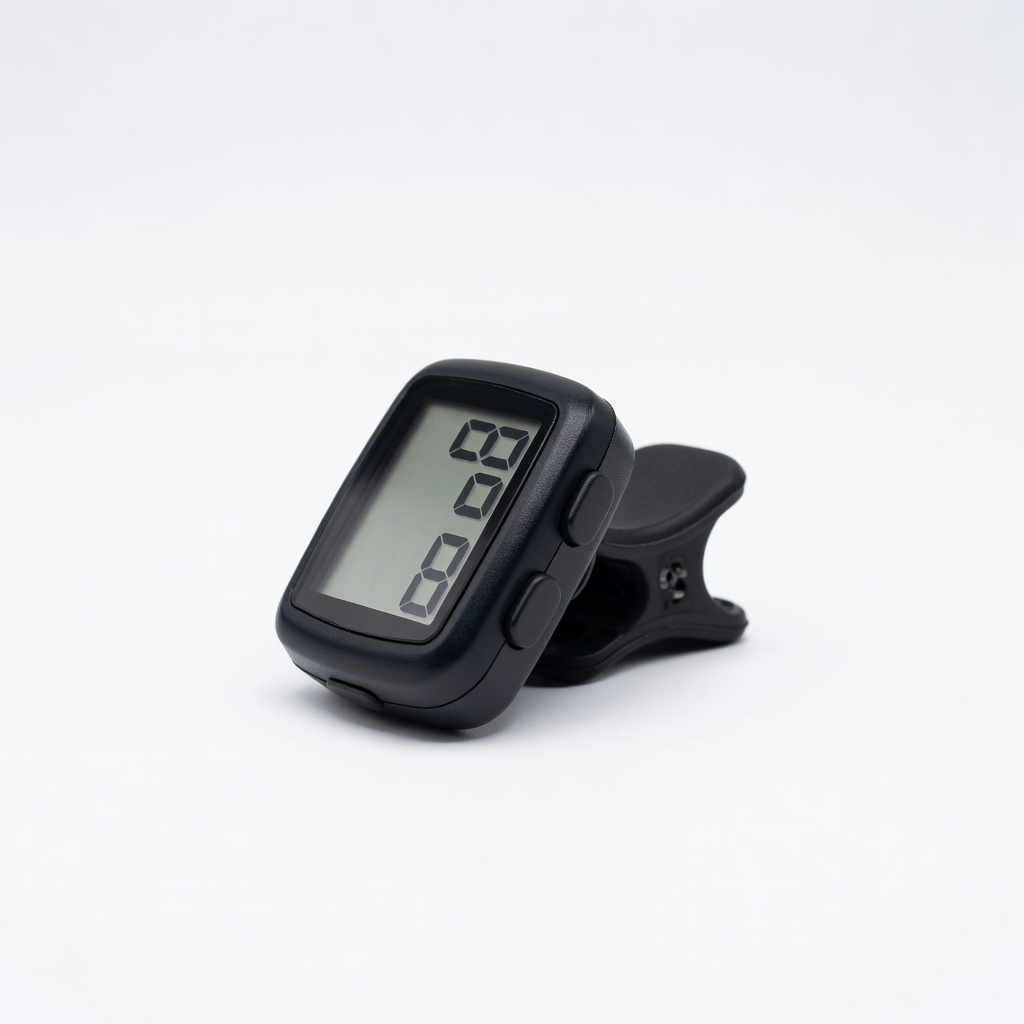
- •Digital tuner (clip-on or app like Tuner Lite)
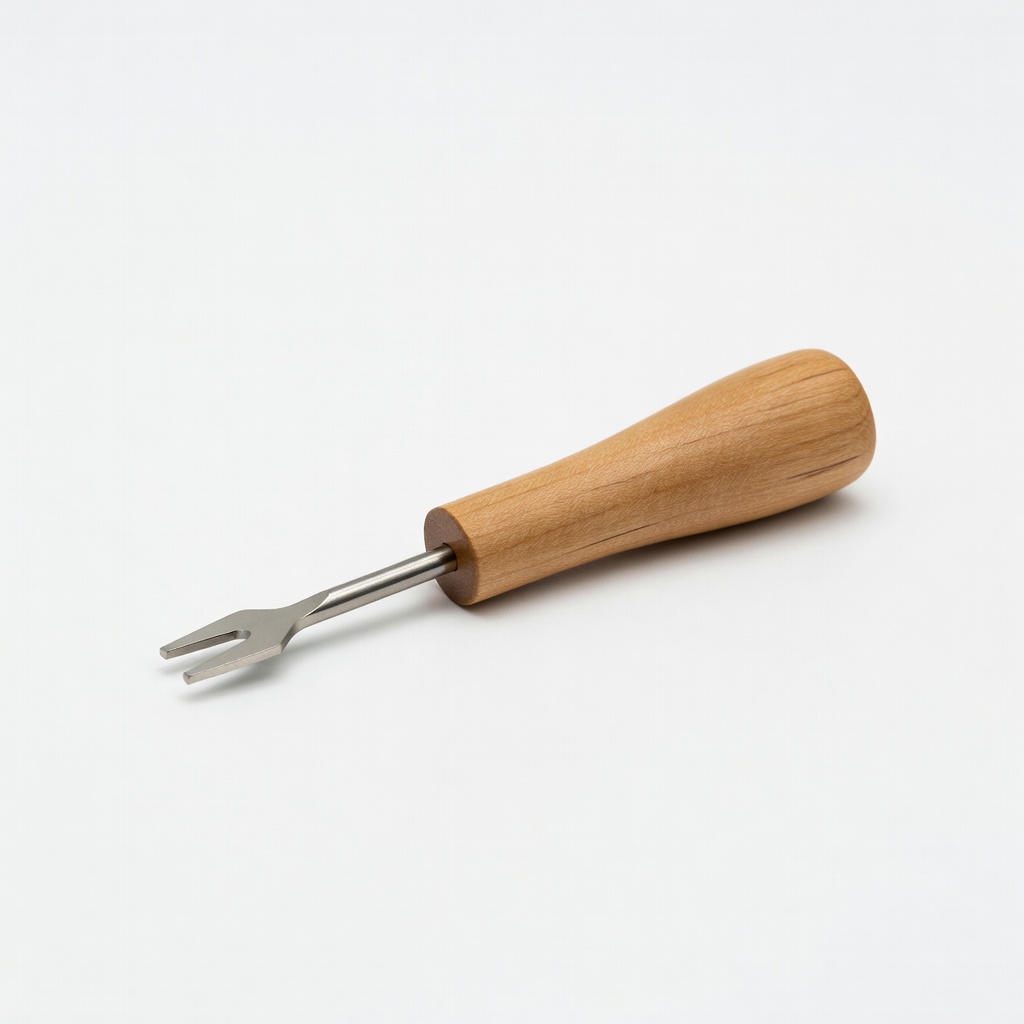
- •Accordion tuning wrench or small screwdriver set
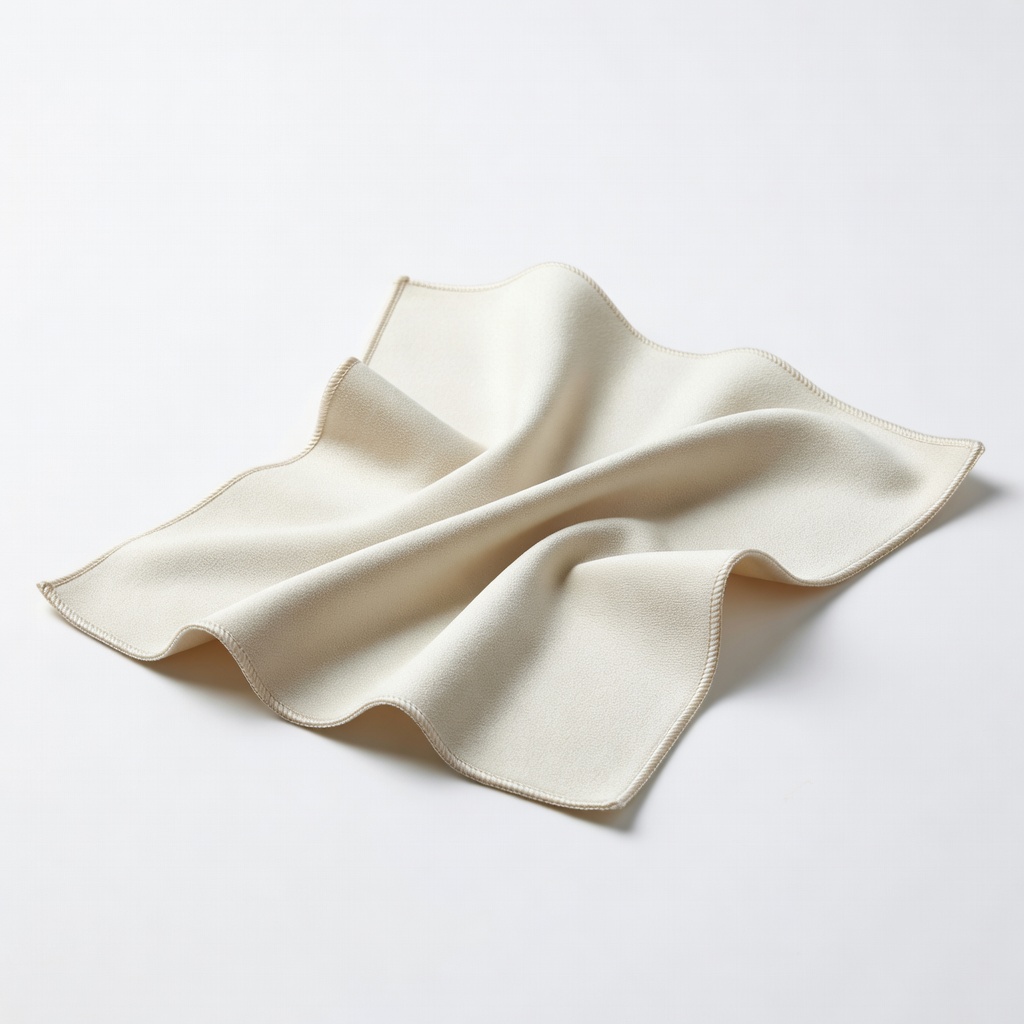
- •Microfiber cleaning cloth and soft brush
- •Optional: Accordion strap adjusters or lubricant for buttons
Estimated Time: 20-30 minutes
Difficulty: beginner
▸Step-by-Step Instructions
Step 1: Unpack and Inspect Your Accordion
Carefully remove the accordion from its case. Lay it on a soft, flat surface like a table covered with a towel to avoid scratches.
Check for damage: Look at the bellows folds for tears, keys/buttons for sticking, and straps for frays. Polka playing is vigorous, so a solid start prevents mid-session breakdowns.
Success looks like: All parts intact, no visible issues. If damaged, contact the seller immediately.
💡 Tips:
- •Take photos before unpacking for warranty claims.
- •Read the manual for model-specific notes.
⚠️ Warnings:
- •Avoid hard surfaces—scratches ruin the finish.
Step 2: Attach and Adjust Shoulder Straps
Locate the strap screws or clips on the back of the accordion. Thread the straps through the holders and secure firmly—polka demands secure hold for fast bellows pumps.
Wear the accordion: Right hand over treble side, left under bass/chord side. Adjust length so elbows bend comfortably at 90 degrees when standing.
Success looks like: Balanced weight, no slipping, easy access to all buttons/keys.
💡 Tips:
- •Polka style: Slightly higher right strap for wrist flick on melodies.
⚠️ Warnings:
- •Over-tighten screws—strip threads easily.
Step 3: Clean the Exterior and Controls
Wipe the bellows, body, and keys/buttons with a microfiber cloth. Use a soft brush for dust in crevices—polka accordions collect sweat and rosin quickly.
For sticky buttons, dab a tiny bit of isopropyl alcohol (90%) on cloth, then wipe. Dry thoroughly.
Success looks like: Shiny finish, smooth button action without grime.
💡 Tips:
- •Clean weekly for polka practice to maintain responsiveness.
Step 4: Test and Seal the Bellows
Close the accordion fully and squeeze bellows—no air leaks mean pure polka tone. Listen for hisses; if present, rub talcum powder inside folds or check nets.
Pull bellows open and closed repeatedly to loosen—polka's constant pumping needs smooth action.
Success looks like: Airtight seal, effortless open/close.
💡 Tips:
- •Baby powder works as emergency sealant.
⚠️ Warnings:
- •Don't over-pull—strain reeds.
Step 5: Basic Tune the Reeds
Clip tuner to grille. Play single notes (e.g., middle C) matching A=440Hz standard—polka favors slight musette (double tremolo) for lively sound.
Use tuning wrench: Insert into reed tongue slot, lightly tap to adjust pitch. Start treble, then bass.
Success looks like: Notes match tuner within 5 cents; vibrant polka warble.
💡 Tips:
- •Apps like 'Accordion Tuner' guide polka-specific intervals.
⚠️ Warnings:
- •Bent reeds need pro help—don't force.
Step 6: Adjust Bass/Chord Buttons
Press each bass button—should spring back crisply for polka's boom-chicka bass.
If sluggish, add button lubricant or tighten screws gently.
Success looks like: Instant response on all 120 bass/chords.
💡 Tips:
- •Memorize polka bass patterns: Root-fifth alternating.
Step 7: Test Play a Simple Polka Riff
Strap on, play basic oompah: Bass on 1-3, chord on 2-4, melody on treble. Pump bellows steadily.
Record yourself—adjust volume balance.
Success looks like: Authentic polka bounce, no squeaks.
💡 Tips:
- •Start slow: 120 BPM polka tempo.
▸Pro Tips
- •Warm up accordion in room temp—cold reeds go flat.
- •Use a mirror to check strap symmetry.
- •Practice daily 10-min bellows exercises for polka endurance.
- •Label buttons with tape for first week.
- •Store upright in case to protect bellows.
- •Invest in a hygrometer—50-60% humidity ideal.
- •Watch YouTube polka setup vids for visuals.
▸Common Mistakes to Avoid
- •Skipping bellows check—leads to weak polka volume.
- •Over-tuning reeds as beginner—causes warbling chaos.
- •Wrong strap height—causes wrist strain in long sessions.
- •Ignoring dust—sticky keys kill polka flow.
- •Tuning without reference—polka needs precise A440.
▸Troubleshooting
Problem: Air leaks from bellows
Solution: Apply talc powder inside folds; replace nets if torn. Pro repair if persistent.
Problem: Sticky keys/buttons
Solution: Clean with alcohol-damp cloth; lubricate sparingly. Avoid oil.
Problem: Out-of-tune notes
Solution: Recheck with tuner; slight musette detune treble reeds +10/-10 cents.
Problem: Unbalanced sound
Solution: Adjust reed valves; ensure even bellows pressure.
Problem: Straps slip
Solution: Tighten screws or upgrade to leather polka straps.
Hohner Bravo III 80FBD-F 80-Treble, 24-Bass Accordion
Perfect beginner button accordion for polka with GCF tuning and musette reeds for authentic sound.
Best for: Ideal first polka box—lightweight for long dances.
Price Range: $250-$300
Snark ST-2 Super Tight All Instrument Tuner
Accurate clip-on tuner with vibration sensing—essential for precise reed tuning.
Best for: Clip to grille for hands-free polka reed adjustments.
Price Range: $14.99
D'Addario Planet Waves Microfiber Polishing Cloth
Lint-free cloth safe for accordion finishes and bellows.
Best for: Quick cleans before/after polka sessions.
Price Range: $6.99
Box Brand Accordion Reed Tuning Lever
Precision tool for safe reed adjustments without damage.
Best for: Tap tongues for polka musette tuning.
Price Range: $15-$20
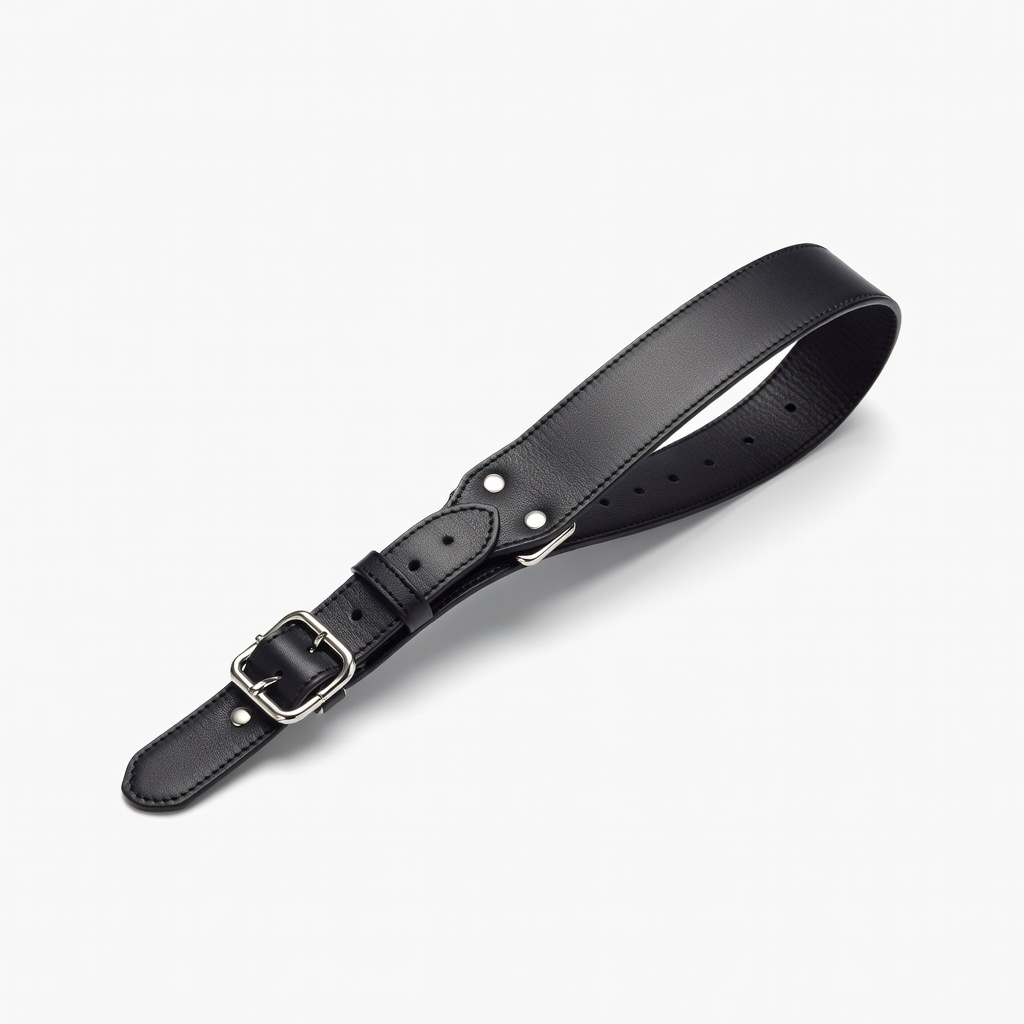
Giulietti Leather Accordion Strap (Black)
Durable, adjustable straps for secure polka playing.
Best for: Upgrade stock straps for comfort.
Price Range: $40-$60