
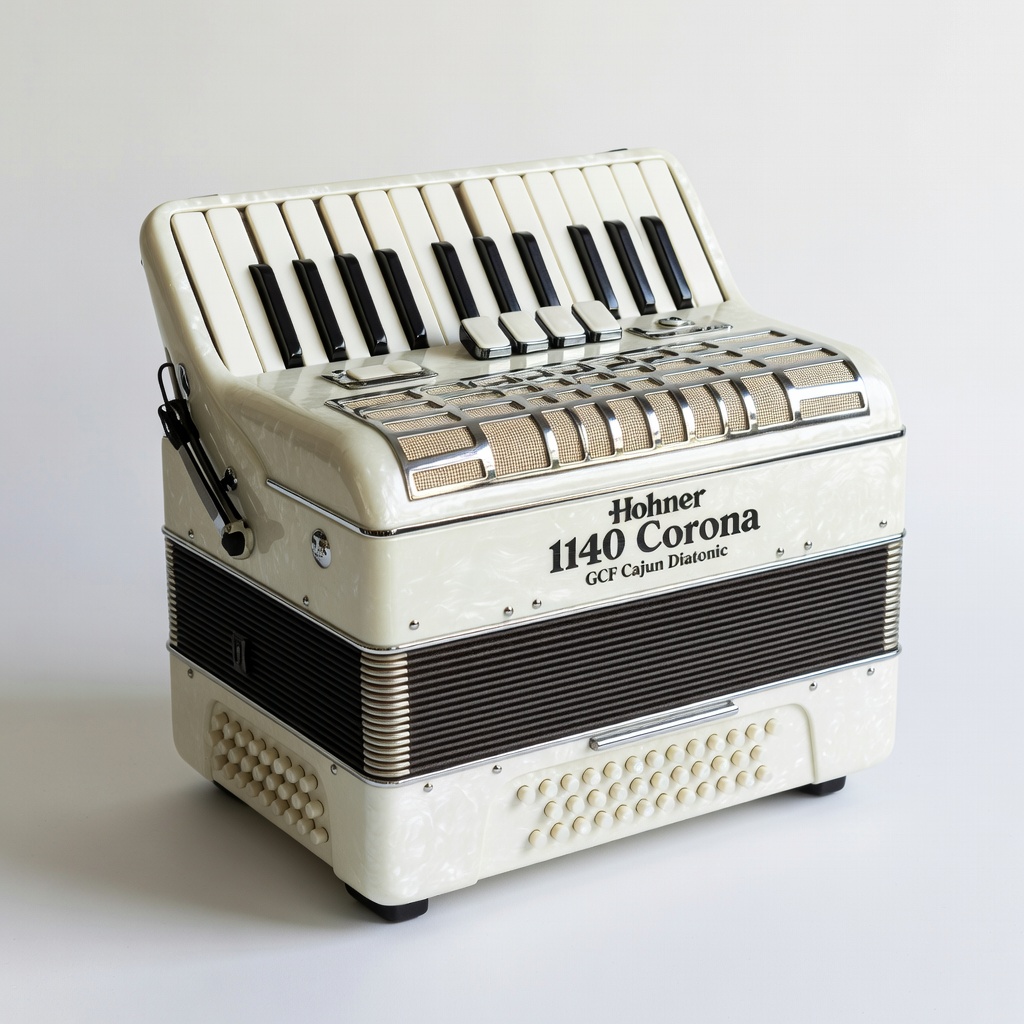
Hohner 1140 Corona GCF Cajun Diatonic Accordion
Primary instrument for one- or two-row Cajun playing.
$550-$650
Hohner 1140 Corona GCF Cajun Diatonic Accordion Factory-tuned for Cajun with triple reeds and bright tone—ideal base for custom setups.
Get the App
Better experience on mobile
Achieve authentic Cajun buzz and tone with advanced tuning and adjustments for diatonic accordions in under 3 hours.
Cajun music's lively, rhythmic accordion sound defines its infectious energy, but a mismatched setup kills the signature buzz and projection. Advanced players often struggle with flat tones or unresponsive bellows when transitioning standard diatonic accordions to Cajun style. This guide fixes that.
You'll learn precise steps to configure your one- or two-row diatonic accordion (ideally in C or D) for triple-reed buzz, dry tuning vibrato, and optimal playability. Expect hands-on reed work and testing—no prior luthier experience needed, but basic music theory helps.
The process takes 2-3 hours, depending on your accordion's condition. By the end, you'll have a setup rivaling professional Cajun instruments like those used by masters Wayne Toups or Steve Riley.
Estimated Time: 2-3 hours Difficulty: advanced
Confirm your accordion is diatonic (single-action, push-pull notes) in Cajun-friendly keys like C (one-row) or GCF/D (two-row). Cajun style demands triple-tuned reeds per button for volume and buzz—check inside by removing the reed block cover screws.
Why it matters: Piano or chromatic accordions won't deliver the authentic drone. Success looks like 3 reed sets per note, labeled treble/bass sides. Expect 10-15 minutes; photograph internals for reference.
💡 Tips:
⚠️ Warnings:
Remove dust from reeds, pallets, and bellows using compressed air and a soft cloth. Inspect for bent reeds, loose wax, or sticky valves. Lubricate buttons and bellows hinges lightly.
This prevents muted notes and sticking. Success: Reeds vibrate freely without buzzing unnaturally; bellows fold smoothly.
💡 Tips:
⚠️ Warnings:
Locate bellows screws (usually 4-8 at corners) and tighten for firm resistance—about 5-7 lbs pull force for Cajun's punchy style. Test by playing scales; it should resist but not fight your phrasing.
Why: Loose bellows cause airy leaks; too tight fatigues arms. Success: Consistent volume across push-pull without leaks.
💡 Tips:
Attach wide leather straps to front/back brackets, positioning wrist bar low for thumb-index grip and elbow strap high for stability. Adjust lengths so forearms angle naturally at 45 degrees when seated.
Cajun play is aggressive—proper straps prevent slippage. Success: Comfortable hour-long sessions without shoulder strain.
💡 Tips:
⚠️ Warnings:
Gently straighten misaligned reeds with tweezers. Rewax loose ones using a heat gun (low) and beeswax—press firmly. Ensure reed tongues sit 0.5mm above reed plate.
Alignment ensures clear attacks. Success: No rattles on fast runs like 'Jolie Blonde.'
💡 Tips:
Clip tuner to bellows. Target 'dry' tuning: middle reeds at A=442Hz (bright), high reeds +5-8 cents sharp, low -3-5 cents flat for natural beats (12-16Hz vibrato). Do push notes first, then pull (often sharper).
Why: Creates buzz without warble. Test by playing chords—expect lively shimmer. Takes 1-2 hours.
💡 Tips:
⚠️ Warnings:
Adjust leather pallet screws for even closure. Replace sticky valves. Test air seal by blocking buttons.
Ensures response. Success: No phantom notes.
💡 Tips:
Play Cajun standards (e.g., 'Pine Grove Blues') at tempo. Recheck tuning after 30 mins play—settles in.
Final success: Buzzing projection, even dynamics.
💡 Tips:
Problem: Muted buzz or weak volume
Solution: Check reed gaps (0.3-0.5mm); refile tips or rewax.
Problem: Air leaks on pull
Solution: Tighten bellows corners; inspect side gussets.
Problem: Sticky buttons
Solution: Clean with isopropyl; lubricate pivots lightly.
Problem: Pitch drifting
Solution: Retune after 1 week play-in; humidity control case.
Problem: Persistent issues
Solution: Seek Cajun specialist luthier like Marc Savoy.
Factory-tuned for Cajun with triple reeds and bright tone—ideal base for custom setups.
Best for: Primary instrument for one- or two-row Cajun playing.
Price Range: $550-$650
High-precision (±0.35 cents) clip-on for accurate triple-reed tuning.
Best for: Essential for dry Cajun vibrato adjustments.
Price Range: $15-$20
Durable, adjustable for aggressive Cajun strap tension.
Best for: Replacing worn straps for comfort during long sets.
Price Range: $40-$60
Melts perfectly for securing reeds without cracking.
Best for: Rewaxing loose reeds during alignment.
Price Range: $8-$12
Non-gumming oil for smooth buttons and bellows.
Best for: Preventive maintenance post-setup.
Price Range: $10-$15
Primary instrument for one- or two-row Cajun playing.
Hohner 1140 Corona GCF Cajun Diatonic Accordion Factory-tuned for Cajun with triple reeds and bright tone—ideal base for custom setups.
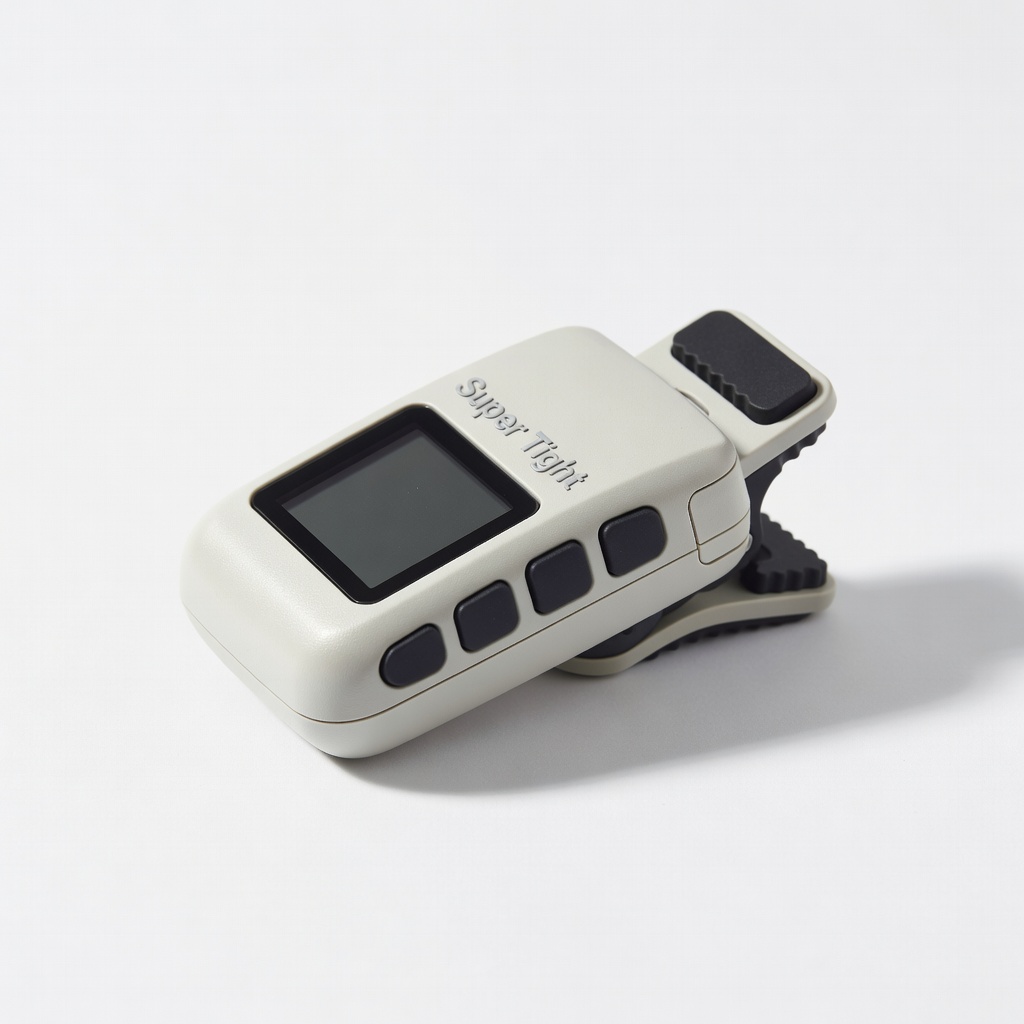
Essential for dry Cajun vibrato adjustments.
Snark ST-8HZ Super Tight All Instrument Tuner High-precision (±0.35 cents) clip-on for accurate triple-reed tuning.
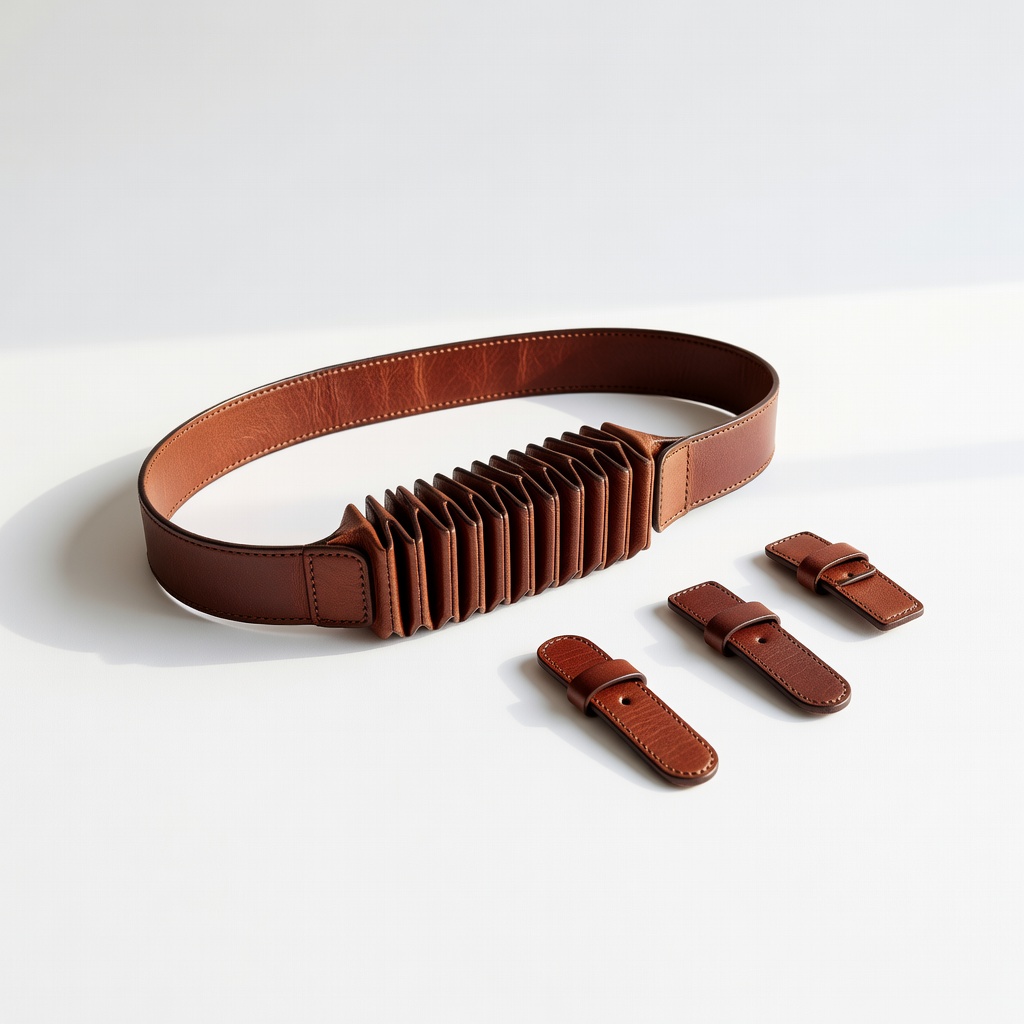
Replacing worn straps for comfort during long sets.
Gewebe Leather Accordion Strap Set Durable, adjustable for aggressive Cajun strap tension.
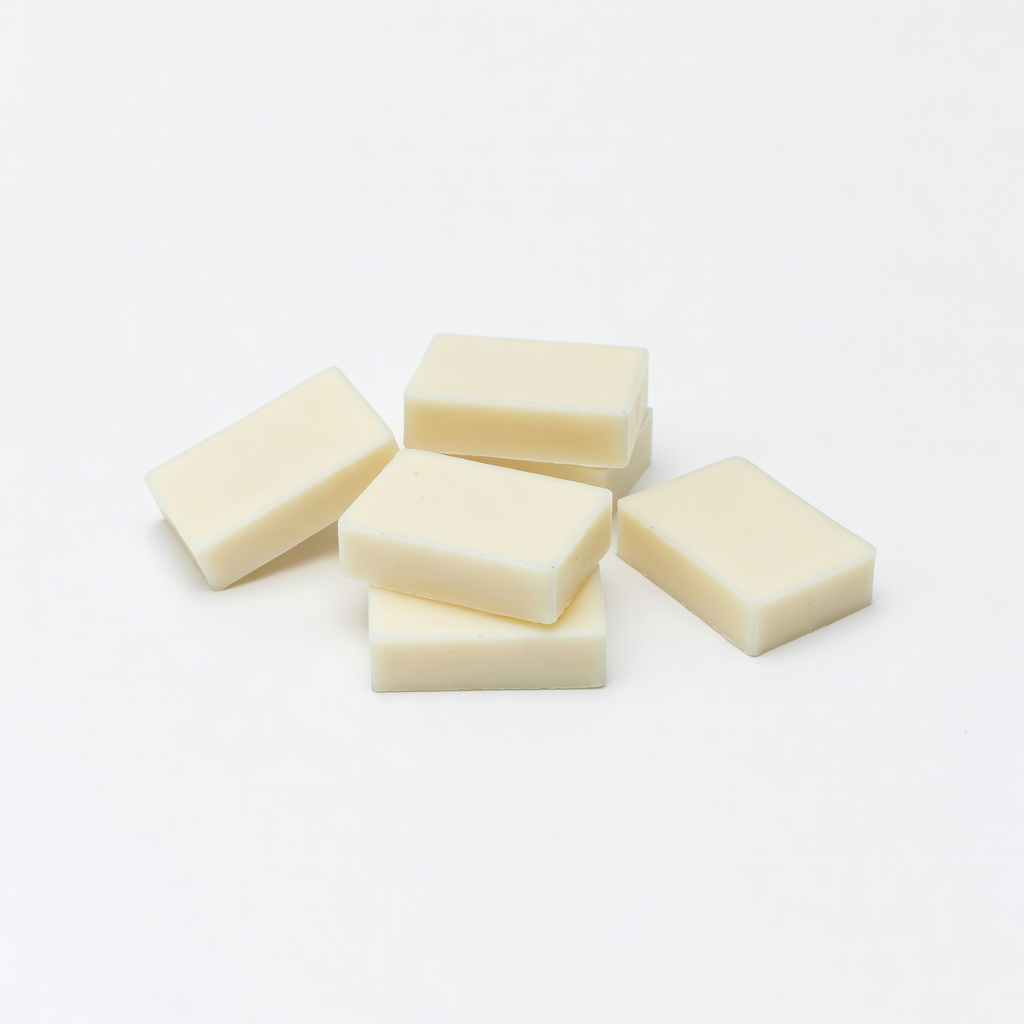
Rewaxing loose reeds during alignment.
Rubber Accordion Reed Wax Melts perfectly for securing reeds without cracking.
Preventive maintenance post-setup.
D'Addario Accordion Lubricant Non-gumming oil for smooth buttons and bellows.