Toddlers are bundles of energy, curiosity, and chaos. Without structured play areas, they can turn your living room into a toy tornado, leaving parents exhausted. Activity centers solve this by providing dedicated spaces for sensory exploration, motor skills, and imaginative play, fostering independence while keeping messes contained.
In this beginner-friendly guide, you'll learn how to design and set up customizable activity centers tailored to your toddler's age (12-36 months). We'll cover planning, setup, safety, and maintenance with simple steps. Expect a fun, low-stress process that transforms any room into a learning haven.
Total setup takes 30-45 minutes, using household items or affordable buys. No advanced skills needed—just creativity and a bit of organization.
▸What You'll Need
- •Soft play mat or rug (required for comfort and noise reduction)
- •Storage bins or baskets (3-5, clear plastic or fabric)
- •Age-appropriate toys: soft blocks, sensory balls, stacking cups, musical toys (required)
- •Toddler-safe mirrors or activity panels (optional for visual stimulation)
- •Baby gates or playpen panels (optional for boundaries)
- •Cleaning wipes and baby-safe cleaner (required for safety)
- •Tape measure and painter's tape (for marking zones)
Estimated Time: 30-45 minutes
Difficulty: beginner
▸Step-by-Step Instructions
Step 1: Choose and Prepare the Location
Select a quiet, well-lit corner or area (4x6 feet minimum) away from hazards like stairs or outlets. Ensure it's on a flat, carpeted floor for stability.
Clear the space of furniture and clutter. Lay down painter's tape to outline your activity center boundaries. This prevents toys from scattering everywhere.
What success looks like: A clean, marked-off zone ready for setup, with easy access for supervision.
💡 Tips:
- •Opt for natural light to encourage play; avoid TV areas.
⚠️ Warnings:
- •Avoid kitchens or high-traffic zones to minimize accidents.
Step 2: Gather and Sort Materials
Collect toys into categories: sensory (balls, textures), fine motor (stackers, puzzles), gross motor (push toys), and imaginative (dolls, animals). Use 10-15 toys total to avoid overwhelm.
Wash all items with baby-safe cleaner and let dry. Sort into bins labeled by type (use stickers for visuals).
What success looks like: Organized bins with 3-4 toys each, clean and toddler-ready.
💡 Tips:
- •Rotate toys weekly to keep interest high.
⚠️ Warnings:
- •Check for small parts; remove anything under 1.5 inches.
Step 3: Lay the Base Layer
Unroll a soft play mat or interlocking foam tiles over the taped area. This cushions falls and defines the play boundary.
Secure edges with double-sided tape if needed. Add a non-slip rug underneath for extra safety.
What success looks like: A cozy, padded floor that's inviting and safe for tummy time or sitting.
💡 Tips:
- •Choose waterproof mats for easy cleanup.
Step 4: Create Activity Zones
Divide the space into 3-4 zones using bins or low shelves: one for sensory play, one for building, one for music/movement.
Place one toy type per zone. For example, sensory bin in the center with rice or water beads (supervised).
What success looks like: Distinct zones encouraging focused play without chaos.
💡 Tips:
- •Use vertical space with wall-mounted pockets for books.
⚠️ Warnings:
- •Keep zones accessible at toddler height (under 2 feet).
Step 5: Add Stimulating Elements
Incorporate mirrors, hanging toys, or activity gyms for multi-sensory engagement. Clip musical toys or scarves to edges.
Test for appeal: Shake toys to make sounds your toddler loves.
What success looks like: Interactive elements that light up eyes with curiosity.
💡 Tips:
- •Black-and-white patterns attract younger toddlers (under 12 months).
Step 6: Safety Check Everything
Inspect for sharp edges, loose strings, or tip hazards. Pad corners, secure heavy items, and ensure 3 feet clearance from walls.
Test stability by pushing bins. Use outlet covers and corner guards.
What success looks like: A hazard-free zone passing a 'toddler-proof' shake test.
⚠️ Warnings:
- •Never leave unsupervised; supervise water/sensory play.
Step 7: Introduce and Observe
Guide your toddler to the center with excitement: 'Look at your play spot!' Let them explore freely for 15-20 minutes.
Observe preferences and adjust zones based on what holds attention.
What success looks like: Happy, engaged play lasting 20+ minutes.
💡 Tips:
- •Start with 10-minute sessions to build routine.
Step 8: Maintain and Rotate
Daily: Tidy toys back into bins. Weekly: Swap 50% of toys for novelty.
Deep clean monthly. Track development milestones via play.
What success looks like: A sustainable setup used daily without burnout.
💡 Tips:
- •Involve toddler in cleanup for motor skill practice.
▸Pro Tips
- •Theme zones by seasons (e.g., beach sensory in summer) for extra fun.
- •Use command hooks for hanging toys—easy to swap.
- •Incorporate household items like pots for pretend play to save money.
- •Play soft music during setup to make it a bonding ritual.
- •Photograph before/after for progress tracking.
- •Limit to 45 minutes playtime to prevent overstimulation.
- •DIY sensory bins with oats/flour for cheap textures.
▸Common Mistakes to Avoid
- •Overloading with toys: Leads to overwhelm; stick to 10-15 items.
- •Skipping safety checks: Causes bumps; always pad and inspect.
- •Poor location choice: High-traffic areas disrupt focus; pick quiet spots.
- •No rotation: Boredom sets in; refresh weekly.
- •Ignoring age: Advanced toys frustrate; match to 12-36 months.
▸Troubleshooting
Problem: Toddler ignores the center.
Solution: Add favorite toys first and demonstrate play enthusiastically. Shorten sessions.
Problem: Mess spreads outside zones.
Solution: Use baby gates or higher bin walls. Enforce 'all toys inside' rule.
Problem: Toys break or lose appeal.
Solution: Replace with durable picks; rotate frequently. Check for wear.
Problem: Space feels cramped.
Solution: Scale down zones or use wall storage. Measure twice.
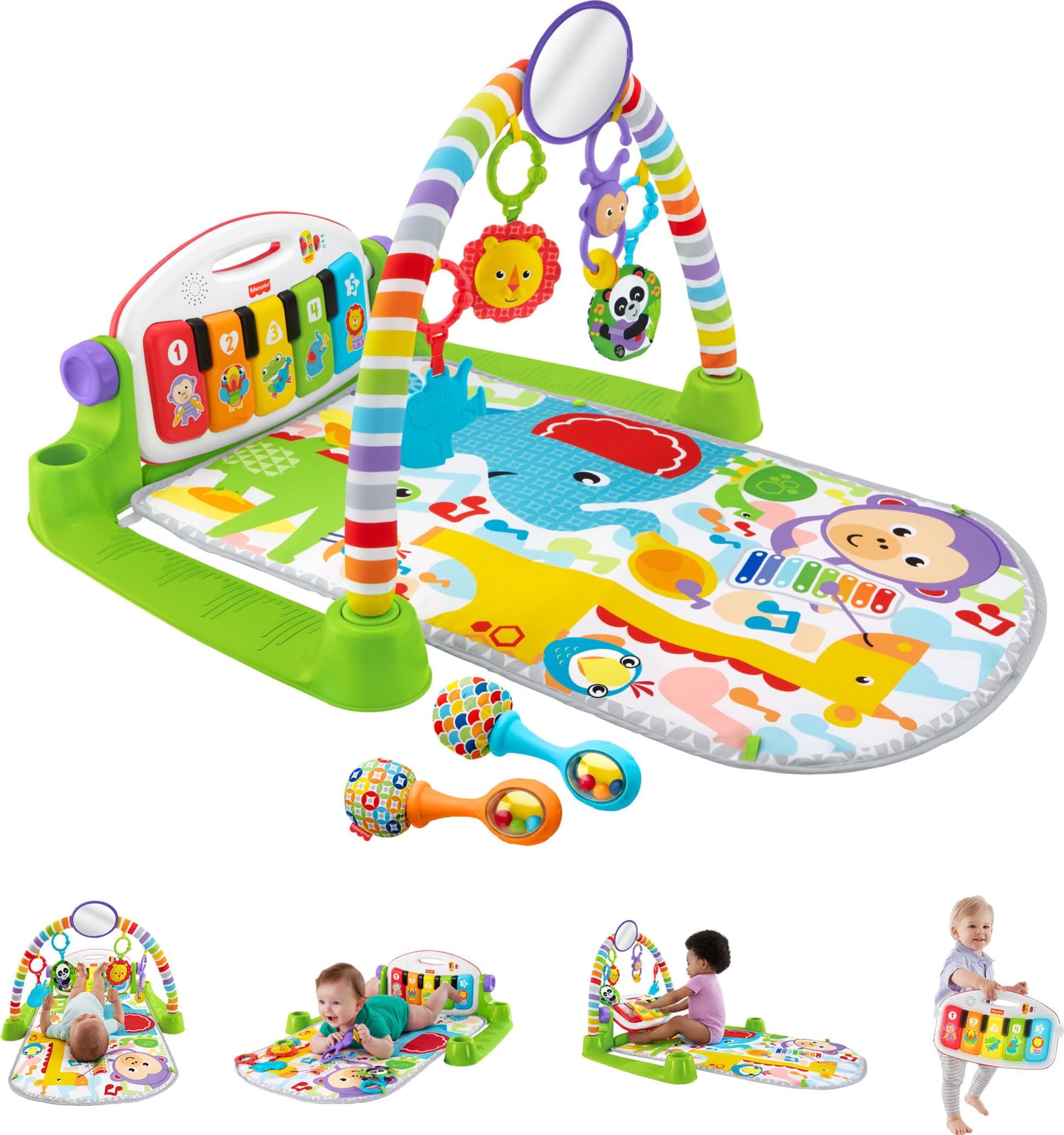
Fisher-Price Deluxe Kick & Play Piano Gym
Versatile activity mat with lights, music, and tummy time support—perfect base for sensory zones.
Best for: Core element for newborns to 12 months; expands to sitting play.
Price Range: $29.99
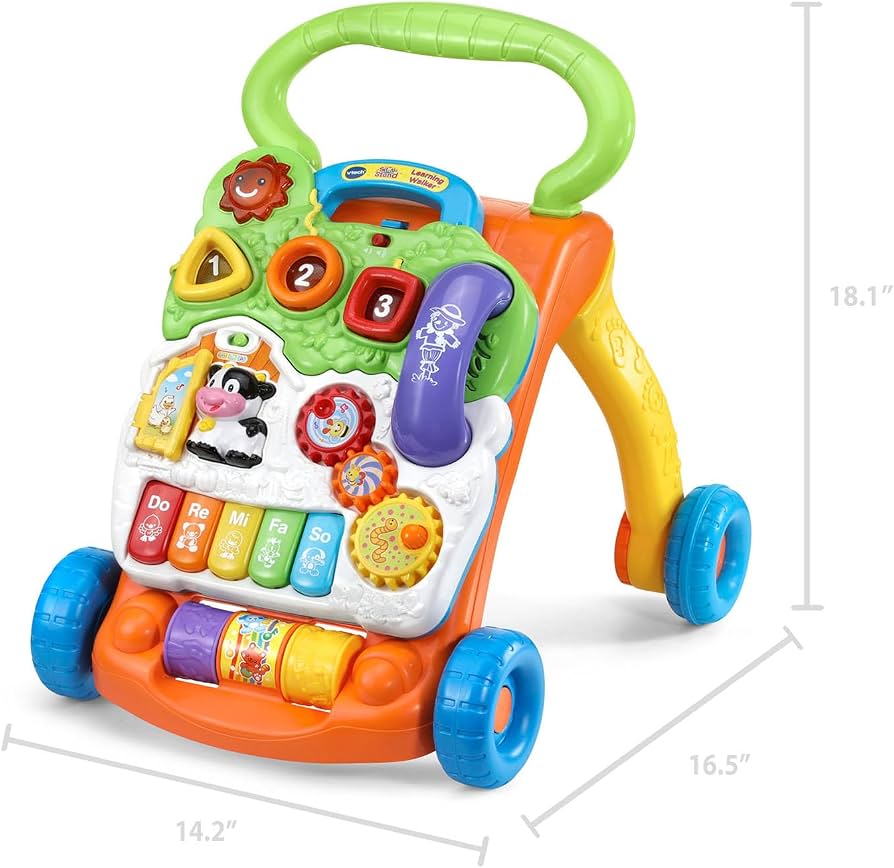
VTech Sit-to-Stand Learning Walker
Encourages walking and learning with buttons/songs; durable for motor skill zones.
Best for: For 9+ months transitioning to standing/walking.
Price Range: $39.99
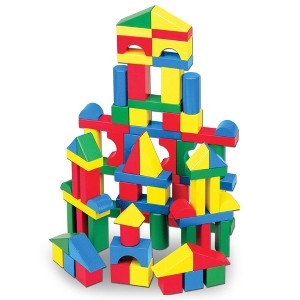
Melissa & Doug Wooden Building Blocks Set
Classic, sturdy blocks for fine motor and imagination; no batteries needed.
Best for: Building zone staple for stacking and sorting.
Price Range: $14.99
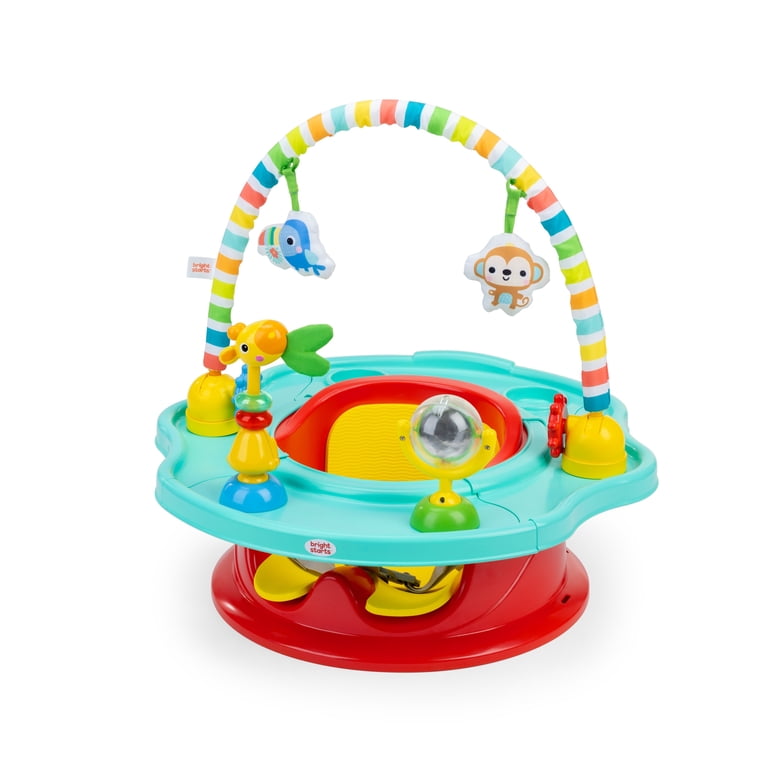
Bright Starts Playful Paradise Activity Gym
Affordable gym with arches and toys; easy to store and clean.
Best for: Compact option for small spaces.
Price Range: $39.99
Iris USA 12 Qt WeatherPro Storage Bin
Clear, stackable bins for toy organization; toddler-proof lids.
Best for: Sorting and storage across all zones.
Price Range: $12.99