
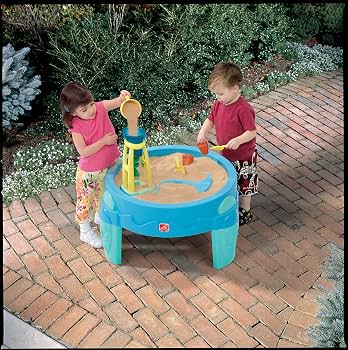
Step2 WaterWheel Activity Table
Core sensory zone; holds 4 gallons, drains easily.
$55-$65
Step2 WaterWheel Activity Table Perfect all-in-one sensory center with spinning wheels and waterfalls for endless water play.
Get the App
Better experience on mobile
Create safe, fun play zones in 1-2 hours to boost your toddler's motor skills, creativity, and outdoor exploration.
Unlock endless outdoor fun for your toddler! In a world of screens, toddlers aged 1-3 thrive on physical play that builds coordination, sensory awareness, and imagination. Yet many parents struggle with unstructured backyards turning into chaos. This guide solves that by teaching you to set up organized activity centers.
You'll learn to design 3-4 themed zones (sensory, gross motor, imaginative) using simple, affordable items. Expect a beginner-friendly process taking 1-2 hours, with no special skills needed—just creativity and safety focus. By the end, your yard will have engaging stations keeping little ones happily busy.
What success looks like: Distinct play areas that rotate attention, promote independent play, and minimize supervision stress.
Estimated Time: 1-2 hours Difficulty: beginner
Select a sunny, flat outdoor area away from traffic or hazards. Clear debris, toys, or sharp objects. Mark boundaries with chalk or string to define a 10x10 ft play zone.
Why it matters: A dedicated space prevents toddlers from wandering and ensures safety. Expect a clean slate ready for zones.
Lay down soft surfacing like grass or add foam mats if hard ground.
💡 Tips:
⚠️ Warnings:
Divide space into 3-4 centers: Sensory (sand/water), Gross Motor (movement), Imaginative (role-play), and optional Quiet (books/puzzles).
Sketch a simple layout on paper. Allocate 3x3 ft per zone. Why? Themed stations match toddler development stages, preventing overstimulation.
Success: A bird's-eye plan with labeled zones.
💡 Tips:
⚠️ Warnings:
Collect items per zone: Sensory (tub, water, scoops); Motor (balls, hoops, cones); Imaginative (dolls, kitchen toys).
Sort into bins labeled by zone. Why? Preps streamline setup and teach tidying.
Lay out everything nearby for easy access.
💡 Tips:
⚠️ Warnings:
Place a large plastic tub in one zone. Fill halfway with water, sand, or rice; add scoops, funnels, toys.
Why it matters: Engages touch/exploration senses, calming fidgets. Expect messy fun—hose off later.
Cover ground with a splash mat.
💡 Tips:
⚠️ Warnings:
Arrange hoops, cones, balls in a path or circle. Create an obstacle course with cushions or ropes.
Why? Builds balance, running skills. Toddlers will weave, throw, jump.
Space elements 2-3 ft apart.
💡 Tips:
⚠️ Warnings:
Set up a play kitchen, tent, or doll area with props like pots, blankets.
Why it matters: Sparks pretend play, social skills. Expect dramatic tea parties.
Add seating like stools.
💡 Tips:
⚠️ Warnings:
Install fencing/chalk borders. Add mulch or mats under high-activity spots. Place a canopy for sun protection.
Why? Prevents injuries; UV safety crucial.
Test stability.
💡 Tips:
⚠️ Warnings:
Guide toddler through zones. Observe 15 mins; adjust based on interests.
Why? Ensures engagement. Rotate toys daily.
Success: Happy, active play for 30+ mins.
💡 Tips:
⚠️ Warnings:
Problem: Toddler loses interest quickly
Solution: Introduce one new toy/zone daily; follow their lead.
Problem: Mess everywhere
Solution: Use tarps under centers; hose-down routine.
Problem: Too hot/cold
Solution: Shade + frozen toys for heat; layers/blankets for cold.
Problem: Items blow away
Solution: Weigh down with sandbags; store indoors post-play.
Perfect all-in-one sensory center with spinning wheels and waterfalls for endless water play.
Best for: Core sensory zone; holds 4 gallons, drains easily.
Price Range: $55-$65
Durable, bright cones for motor courses; stackable for storage.
Best for: Gross motor obstacles, boundaries.
Price Range: $15-$20
Non-messy sensory sand with molds/vehicles; stays damp.
Best for: Dry sensory bin alternative.
Price Range: $18-$25
Sturdy wooden imaginative center with sink/oven for role-play.
Best for: Imaginative zone centerpiece.
Price Range: $80-$100
Interlocking EVA foam for soft landings under activities.
Best for: Safety surfacing everywhere.
Price Range: $25-$35
Core sensory zone; holds 4 gallons, drains easily.
Step2 WaterWheel Activity Table Perfect all-in-one sensory center with spinning wheels and waterfalls for endless water play.

Gross motor obstacles, boundaries.
Coolrunner Kids Traffic Cones (6 Pack) Durable, bright cones for motor courses; stackable for storage.
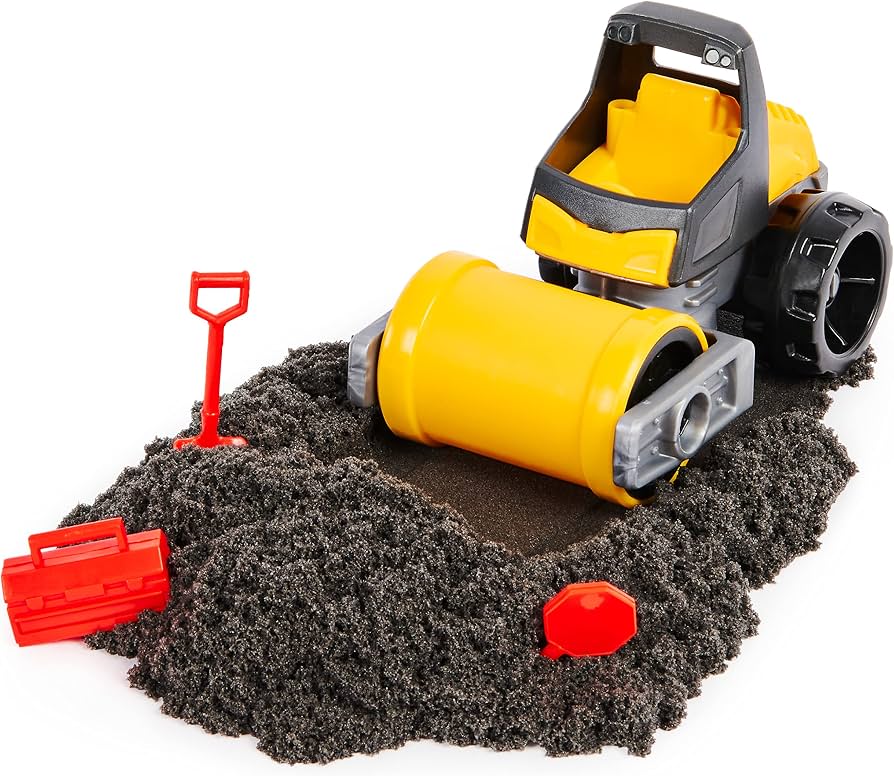
Dry sensory bin alternative.
Kinetic Sand Beach Street Vehicle Play Kit Non-messy sensory sand with molds/vehicles; stays damp.
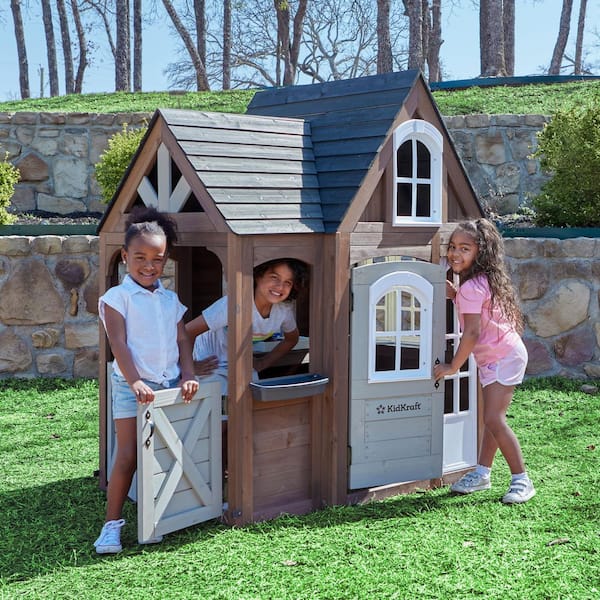
Imaginative zone centerpiece.
KidKraft Outdoor Playhouse Kitchen Sturdy wooden imaginative center with sink/oven for role-play.
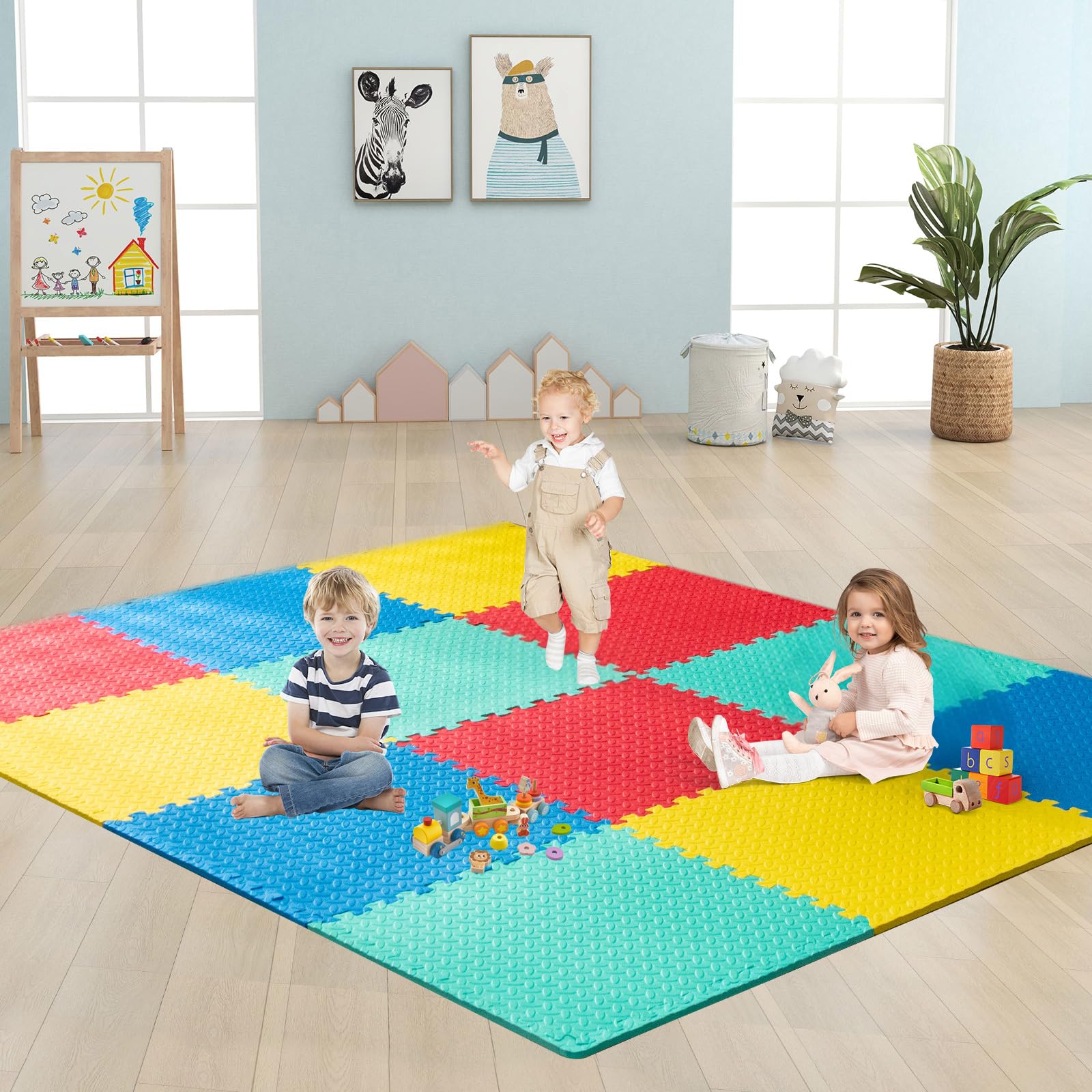
Safety surfacing everywhere.
JOYMAR Foam Play Mats (6 Pack) Interlocking EVA foam for soft landings under activities.