
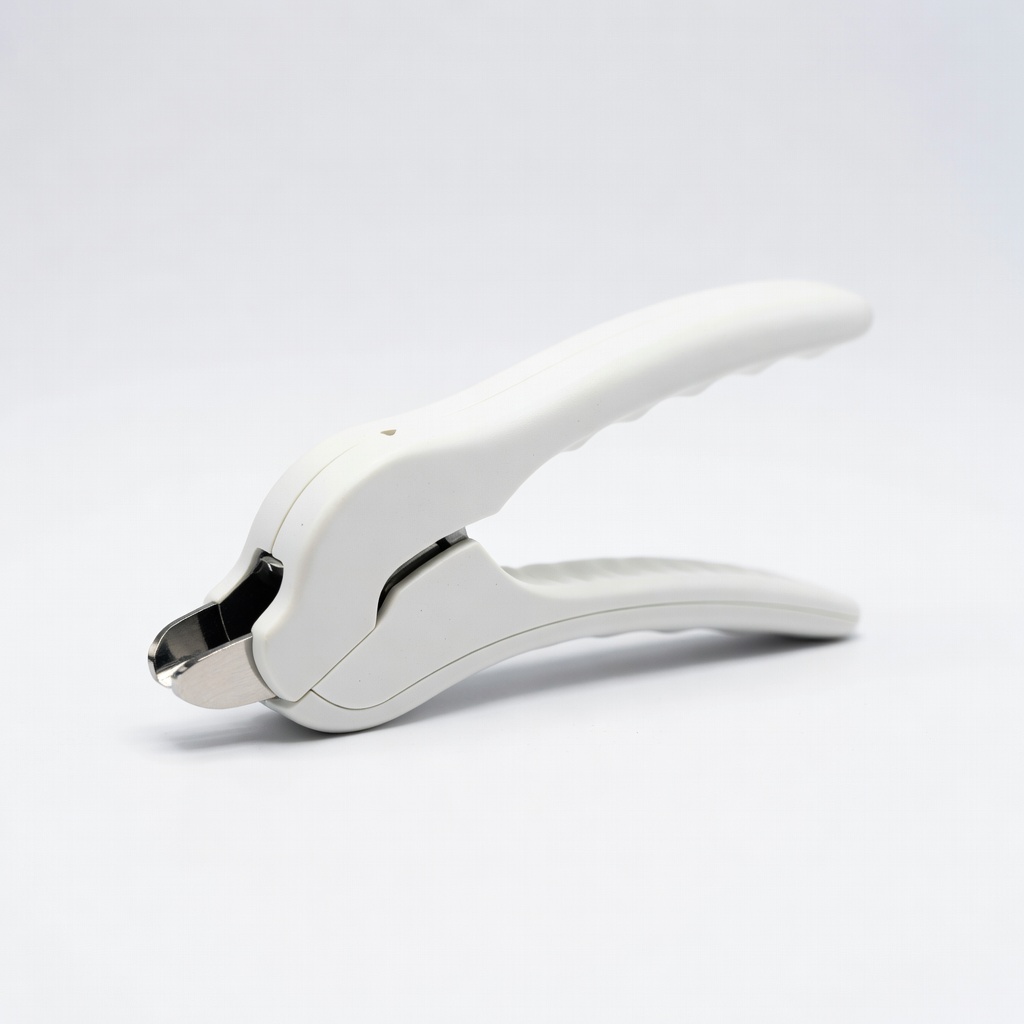
D'Addario Planet Waves String Winder and Cutter
Essential for loosening and cutting old strings cleanly.
$7.99
D'Addario Planet Waves String Winder and Cutter Speeds up string removal/install with ergonomic design and built-in cutters.
Get the App
Better experience on mobile
Achieve buttery-smooth playability on your acoustic guitar by lowering string action step-by-step, reducing finger fatigue and enhancing tone.
High string action on your acoustic guitar can make playing feel like a chore—fretting chords tires your fingers, bends are tough, and speed suffers. Low action (typically 2-3mm at the 12th fret) fixes this, making your guitar faster and more comfortable without fret buzz if done right. As an intermediate player, you're ready to dial in pro-level setup.
In this guide, you'll learn to assess your guitar's neck relief, adjust the truss rod safely, file the saddle, and restring for optimal low action. We'll cover tools, precise measurements, and checks to ensure buzz-free results. Expect a playable guitar in under 2 hours.
This process requires basic luthier skills like measuring with feeler gauges—no advanced woodworking needed. Always work methodically to avoid damage.
Estimated Time: 1-2 hours Difficulty: intermediate
Before changes, measure your guitar's action and neck relief to baseline your setup. Place a capo on the 1st fret and press the low E string at the 14th fret. Use feeler gauges under the string at the 8th fret—ideal relief is 0.010-0.012" (0.25-0.3mm) for low action.
Action is measured at the 12th fret: bass side 2-2.5mm, treble 1.5-2mm. Note buzzing or high spots. This tells you if truss rod, nut, or saddle needs work.
Success: Recorded measurements on paper.
💡 Tips:
⚠️ Warnings:
Loosen all strings by turning tuners counterclockwise. Use string winder for speed. Cut strings at the bridge with cutters for easy removal.
Unwind and remove from tuners, then pull bridge pins (wiggle gently). Clean exposed fretboard with soft cloth—no strings means full access.
Success: Fretboard bare and clean.
💡 Tips:
⚠️ Warnings:
Wipe fretboard with fretboard conditioner or lemon oil on cloth. Scrub gently between frets with steel wool (0000 grade) if dirty.
Check nut slots with feeler gauge: slots should be 0.020-0.025" deep for low E, tapering to treble. File high slots if strings bind.
Success: Shiny, conditioned fretboard; smooth nut slots.
💡 Tips:
Insert truss rod wrench into nut at headstock. Turn clockwise (quarter-turn max) to straighten excessive bow, counterclockwise for back-bow. Retest relief with capo method.
Wait 15 mins between adjustments—wood settles. Target 0.010" relief.
Success: Neck relief matches ideal spec.
💡 Tips:
⚠️ Warnings:
Remove saddle (gently pry). Measure height—aim to remove 0.5-1mm total for low action. Tape guitar top, sand bottom evenly with 400-grit on flat surface.
Recheck angle; polish with 800-grit. Reinstall.
Success: Saddle lowered, action drops 0.5mm.
💡 Tips:
⚠️ Warnings:
Insert ball ends into bridge, secure pins. Thread through tuners, stretch 3-4 times while tuning to pitch.
Use lighter strings (11s) for easier low action tension.
Success: Strings tuned to standard EADGBE, stable after stretching.
💡 Tips:
Tune with electronic tuner, stretch strings repeatedly. Measure action at 12th fret.
Play full neck—listen for buzz. Readjust truss or saddle if needed.
Success: Low action (2mm bass), no buzz, comfortable play.
💡 Tips:
⚠️ Warnings:
Problem: Fret buzz on specific frets
Solution: Check neck relief first; file high frets or nut slot. If persistent, pro leveling needed.
Problem: Strings bind at nut
Solution: Deepen slot slightly with nut files; add graphite lubricant.
Problem: Action too low post-setup
Solution: Shim saddle temporarily with paper; rebuild if permanent.
Problem: Neck won't adjust
Solution: Heat truss rod area gently or wait for humidity change; consult luthier.
Speeds up string removal/install with ergonomic design and built-in cutters.
Best for: Essential for loosening and cutting old strings cleanly.
Price Range: $7.99
Coated for long life, light gauge perfect for low action without buzz.
Best for: Restringing step—reduces tension for easier bending.
Price Range: $12.99
Precision 0.001" increments for accurate relief and action measurement.
Best for: All measurement steps—pro luthier standard.
Price Range: $9.99
Fits most acoustics, long reach prevents stripping.
Best for: Safe truss rod adjustments.
Price Range: $19.99
Accurate, swivel display for easy tuning during setup.
Best for: Tuning and intonation checks.
Price Range: $14.99
Essential for loosening and cutting old strings cleanly.
D'Addario Planet Waves String Winder and Cutter Speeds up string removal/install with ergonomic design and built-in cutters.
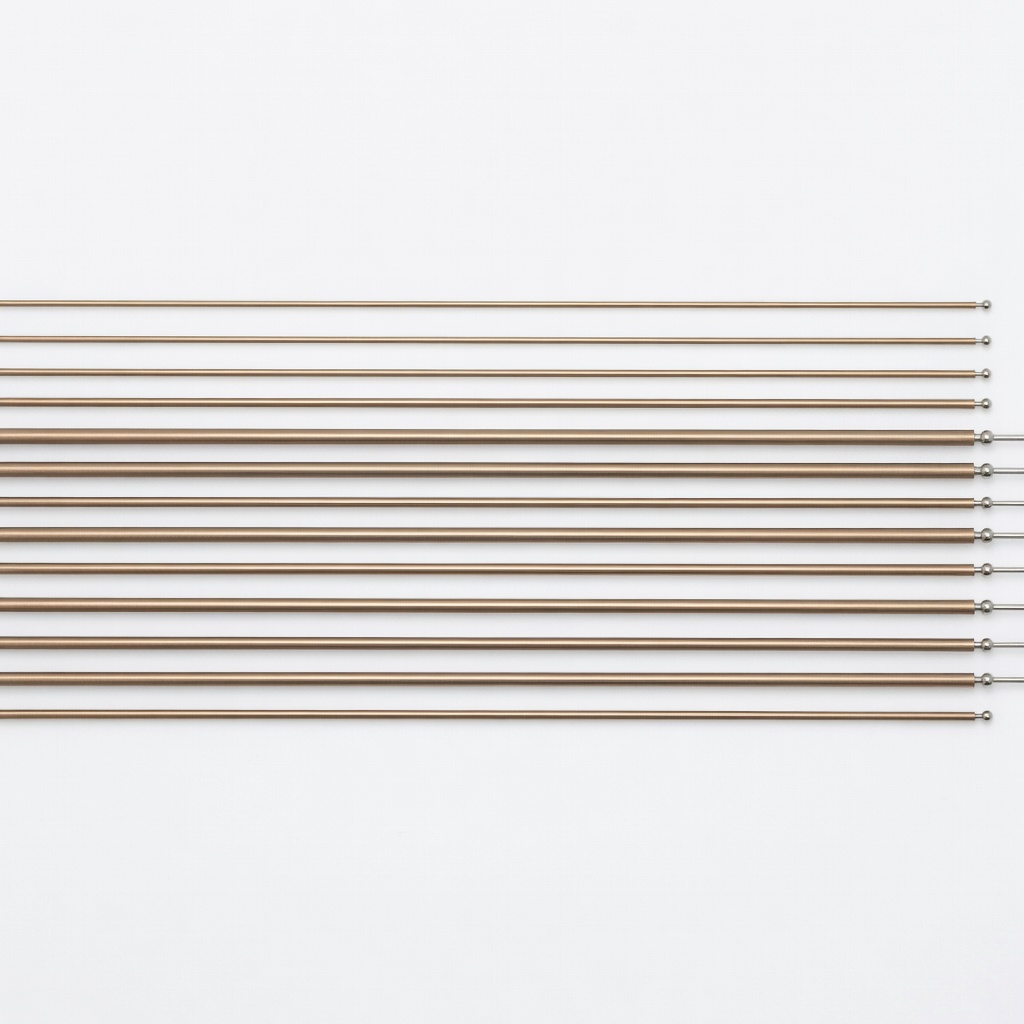
Restringing step—reduces tension for easier bending.
Elixir Nanoweb 80/20 Bronze Light Acoustic Strings (11-52) Coated for long life, light gauge perfect for low action without buzz.
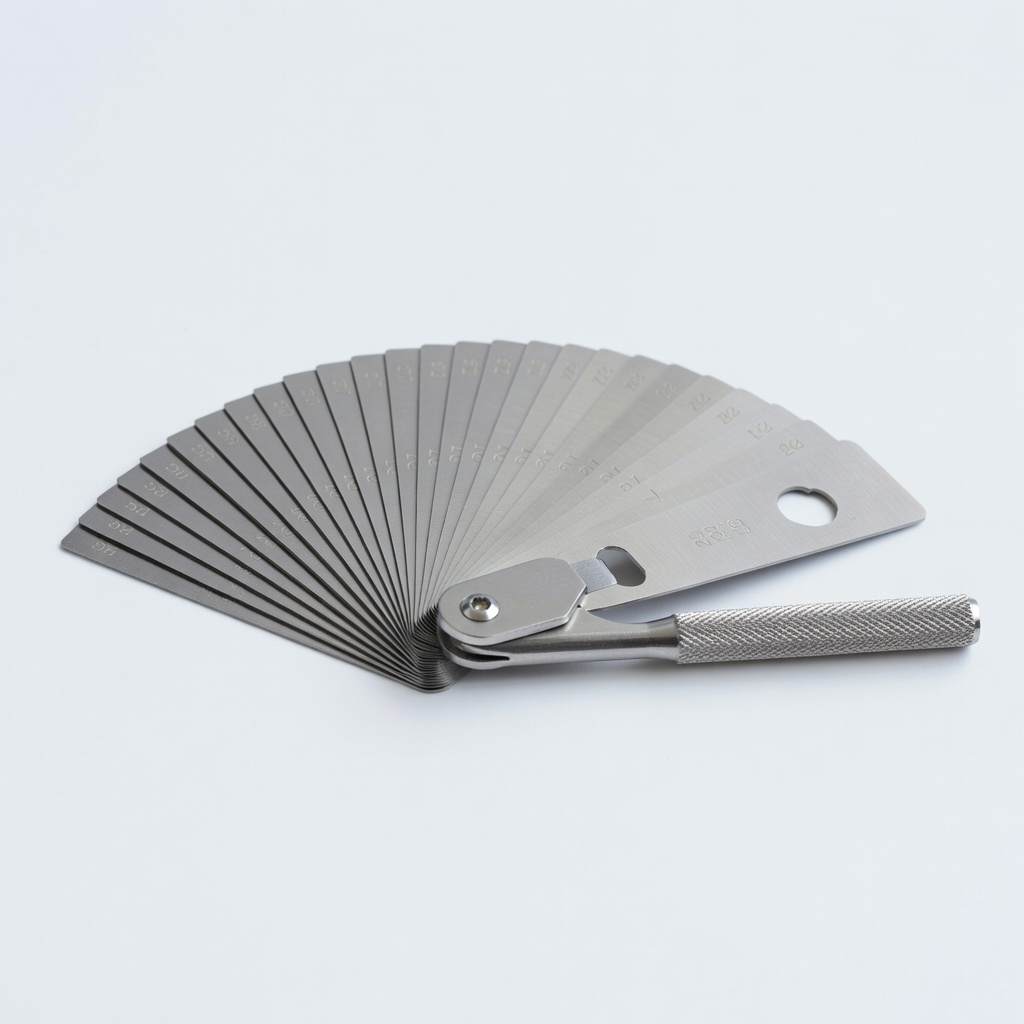
All measurement steps—pro luthier standard.
Stewart-MacDonald Feeler Gauge Set Precision 0.001" increments for accurate relief and action measurement.
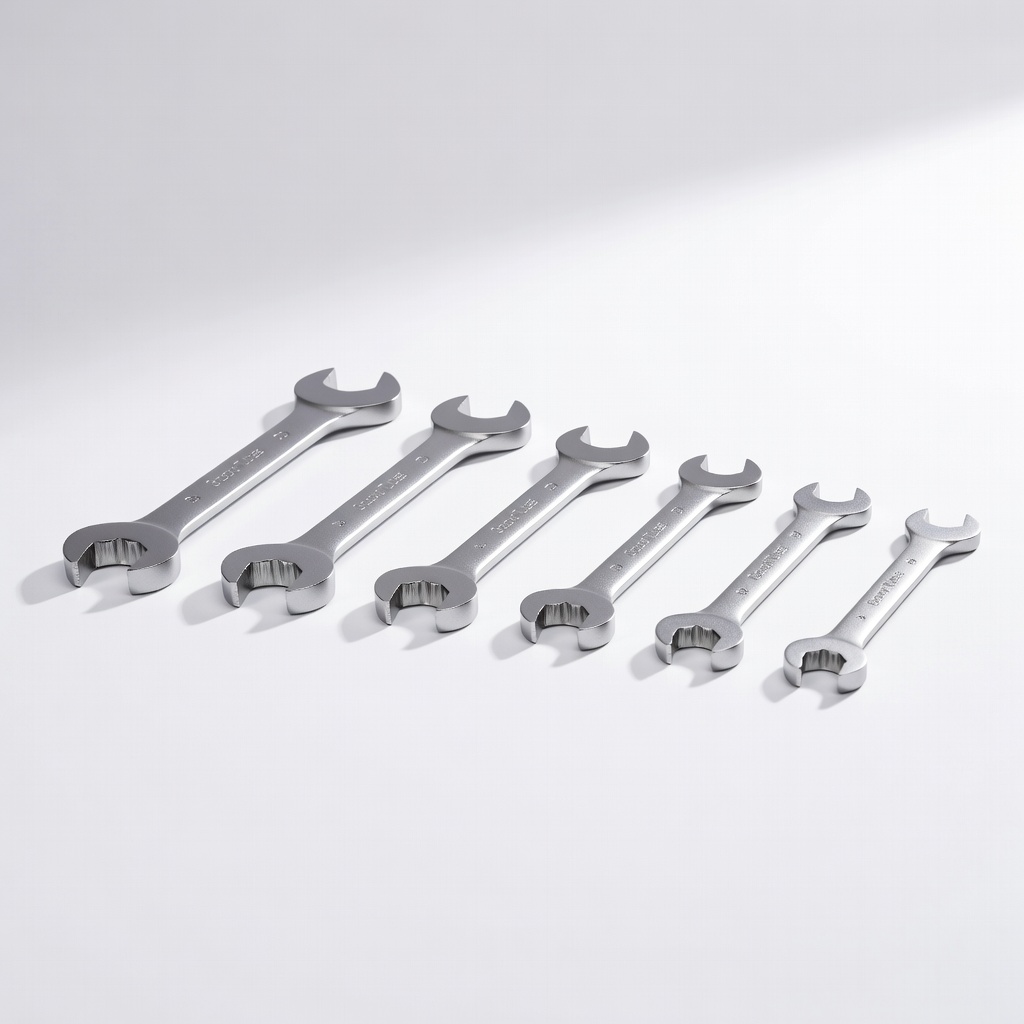
Safe truss rod adjustments.
Groove Tubes Truss Rod Wrench Set Fits most acoustics, long reach prevents stripping.
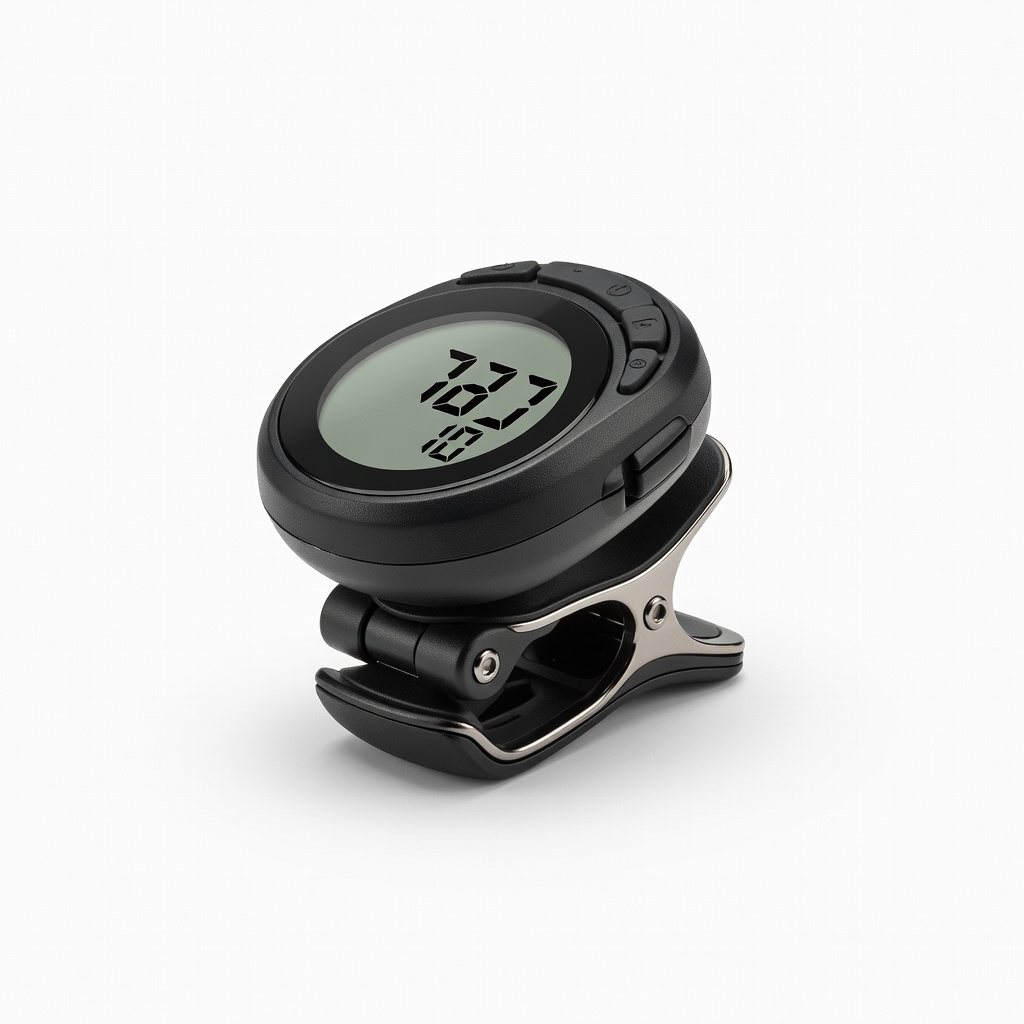
Tuning and intonation checks.
Snark ST-8HZ Clip-On Tuner Accurate, swivel display for easy tuning during setup.