
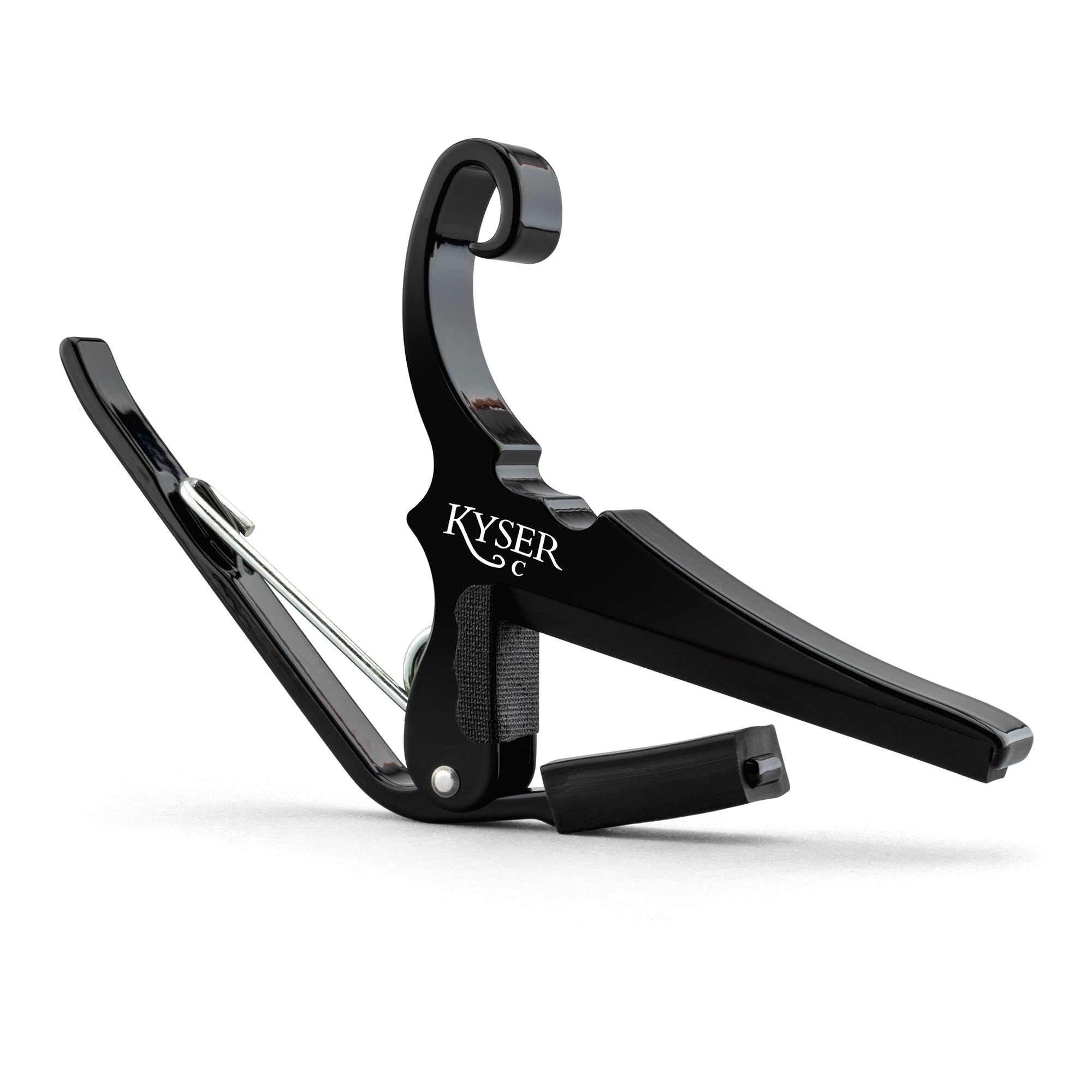
Kyser Quick-Change Capo Large
Capo on 1st fret during all measurements.
$14.99
Kyser Quick-Change Capo Large Essential for accurate action checks with consistent nut pressure.
Get the App
Better experience on mobile
Adjust your acoustic guitar's action perfectly for effortless fingerstyle playing, reducing fatigue and enhancing tone in 45-60 minutes.
Struggling with high action on your acoustic guitar that makes fingerstyle playing tiring and buzz-free fretting impossible? Many intermediate players face buzzing strings or overly high action, leading to hand cramps during intricate Travis picking or classical pieces. Proper action setup optimizes playability for fingerstyle, where low action (around 2-3mm) allows clean notes without excessive finger pressure.
In this guide, you'll learn to measure and adjust neck relief, nut height, and saddle action step-by-step. No prior luthier experience needed—just basic tools and care. Expect a smoother, more responsive guitar tailored to fingerstyle demands.
The process takes 45-60 minutes, depending on adjustments needed. It's intermediate level, assuming you can tune your guitar and change strings comfortably.
Estimated Time: 45-60 minutes Difficulty: intermediate
Start by tuning your acoustic guitar to standard EADGBE using a reliable clip-on tuner. Proper tension is crucial as string pull affects action measurement.
Capo the first fret to simulate nut pressure and fret all strings lightly. Play each string open (with capo) and check for buzzing—this baselines your current setup.
Success looks like: All strings ring clear at pitch without wolf tones.
💡 Tips:
⚠️ Warnings:
Hold the low E string at the 1st and 14th frets (or last fret). Use feeler gauges at the 7th-8th fret to measure the gap underneath.
Ideal relief for fingerstyle: 0.010"-.012" (0.25-0.3mm). Too much bow causes high action; too straight leads to buzz.
Success: Gauge slides with slight resistance—neck has gentle forward curve.
💡 Tips:
⚠️ Warnings:
Locate the truss rod nut at the headstock (under cover or inside soundhole). Insert the correct wrench.
For high relief (too much bow), turn clockwise 1/8 turn; for back-bow (too flat), counterclockwise. Retune and recheck after 10 minutes as wood settles.
Success: Relief stabilizes at 0.010"-.012". Play up the neck—no dead spots.
💡 Tips:
⚠️ Warnings:
Capo 1st fret. Use action gauge or feeler at 12th fret: bass E side 3/32" (2.4mm), treble e side 2/32" (1.6mm) for fingerstyle—low for speed.
Press string at 12th; gap should allow gauge snug fit.
Success: Comfortable fretting, no buzz when played hard.
💡 Tips:
⚠️ Warnings:
If action >3mm, loosen strings, remove bridge pins, pull saddle with pliers (wrapped in cloth). Sand bottom evenly with 400-grit on flat surface.
Remove 0.5mm at a time, recheck fit. Goal: drop action 0.5-1mm.
Success: Saddle fits snugly, action now ideal. Clean slot.
💡 Tips:
⚠️ Warnings:
Fret strings at 3rd fret; measure open string gap at 1st fret: <0.5mm treble, 0.75mm bass ideal.
If high, file slots carefully with nut files matching string gauge.
Success: Open strings ring clean, easy barring at nut.
💡 Tips:
⚠️ Warnings:
Drop saddle in, restring with winder. Tune up gradually. Stretch strings by pulling up.
Recheck relief/action after 24 hours settling.
Success: Stable tuning, playtested fingerstyle riff clean.
💡 Tips:
⚠️ Warnings:
Play scales, chords, fingerstyle patterns (e.g., thumb independence). Check buzz across neck.
Micro-adjust truss/saddle if needed.
Success: Buzz-free from 1-22 frets, effortless thumb/index play.
💡 Tips:
⚠️ Warnings:
Problem: Fret buzz after lowering action
Solution: Increase relief slightly or raise saddle 0.25mm. Check frets for leveling needs.
Problem: Truss rod won't turn
Solution: Loosen strings fully. Apply penetrating oil, wait 30 min. If stuck, see luthier.
Problem: Action uneven side-to-side
Solution: Reshape saddle top with file for straightness across bridge.
Problem: Poor intonation post-setup
Solution: Verify saddle position; consider compensated saddle for acoustics.
Problem: Strings bind in nut
Solution: Apply graphite (pencil lead) to slots; file if needed.
Essential for accurate action checks with consistent nut pressure.
Best for: Capo on 1st fret during all measurements.
Price Range: $14.99
Speeds up string changes, peg turner, and cutters in one tool.
Best for: Restringing after saddle adjustments.
Price Range: $12.99
Precision .003-.020" blades perfect for relief and action measurement.
Best for: Checking neck gap and fret heights.
Price Range: $9.99
Combines ruler, relief gauge, and understring measurer in one durable tool.
Best for: 12th fret action and radius checks.
Price Range: $11.99
Wet/dry for smooth, even saddle sanding without gouging.
Best for: Lowering bridge saddle height precisely.
Price Range: $9.99
Capo on 1st fret during all measurements.
Kyser Quick-Change Capo Large Essential for accurate action checks with consistent nut pressure.
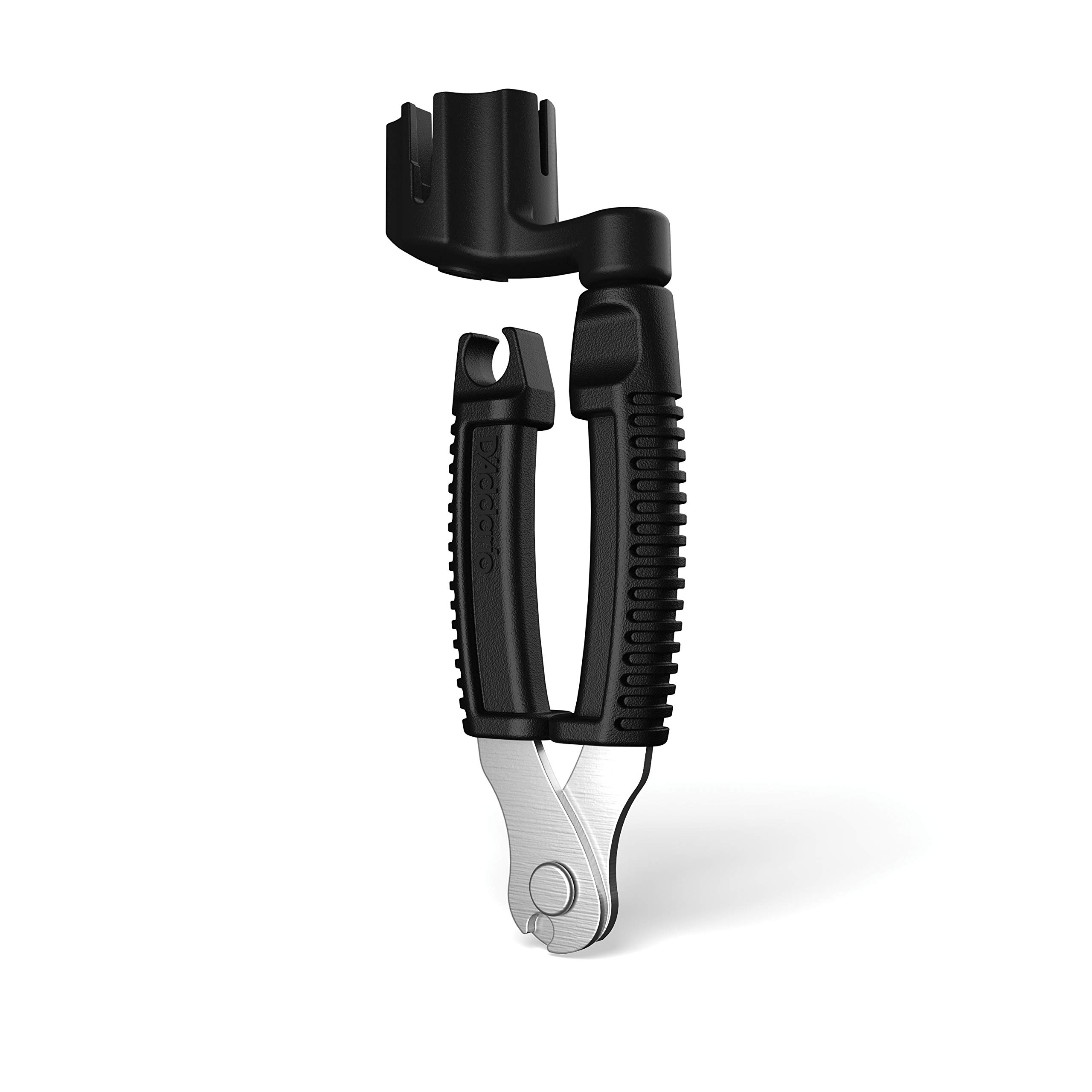
Restringing after saddle adjustments.
D'Addario Pro-Winder String Winder Speeds up string changes, peg turner, and cutters in one tool.
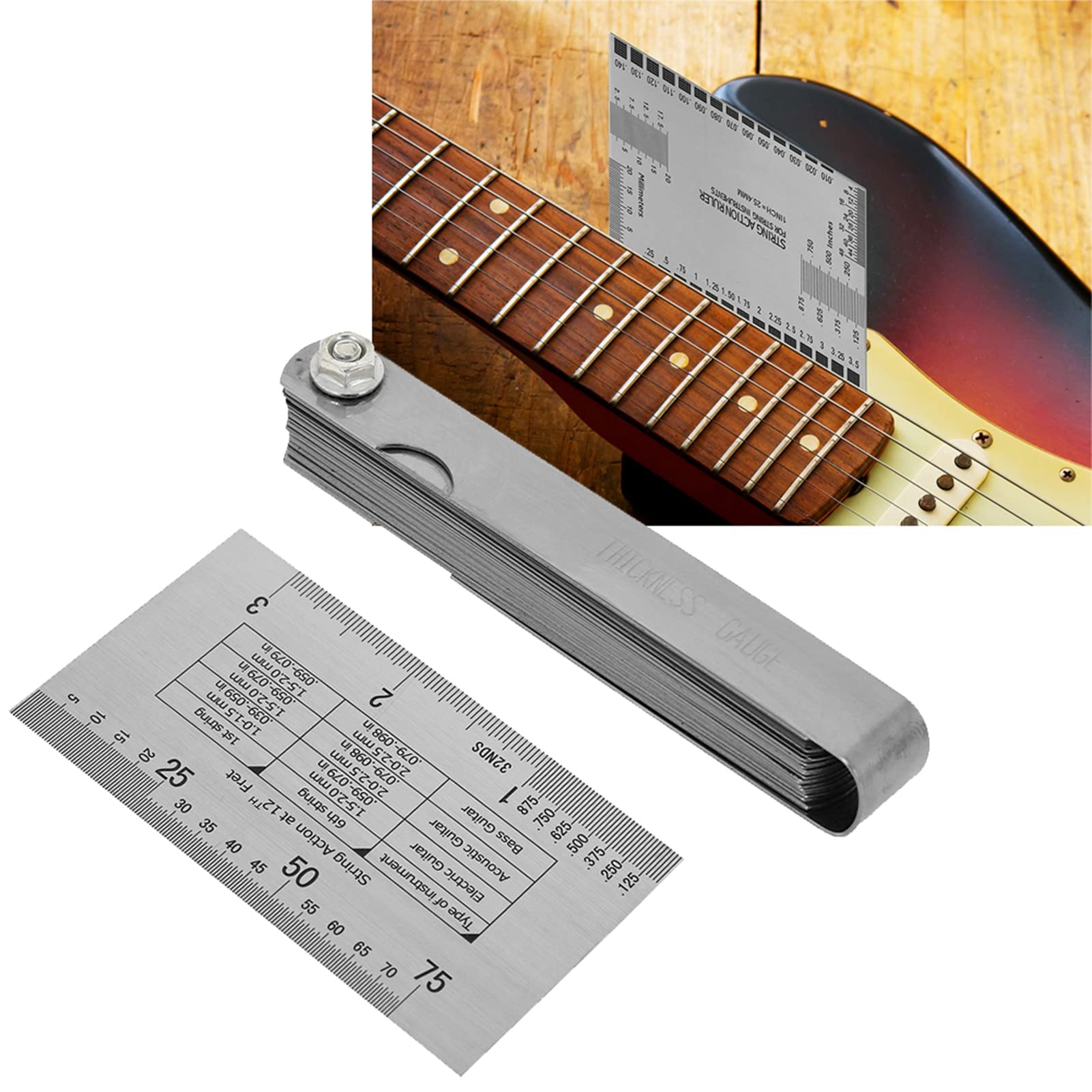
Checking neck gap and fret heights.
GHS Feeler Gauges for Guitar Action Precision .003-.020" blades perfect for relief and action measurement.
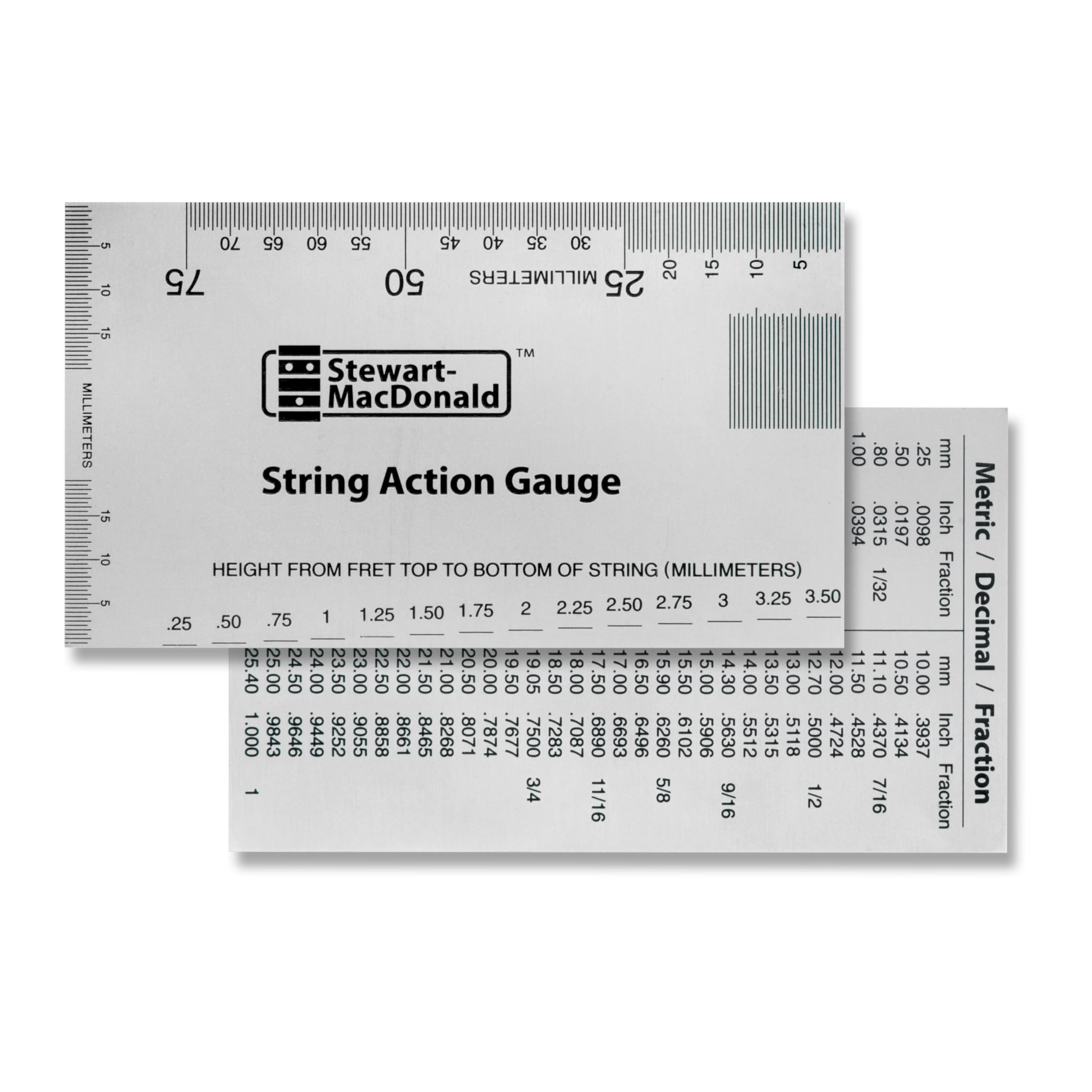
12th fret action and radius checks.
Stewart-MacDonald String Action Gauge Ruler Combines ruler, relief gauge, and understring measurer in one durable tool.
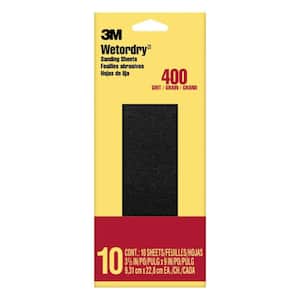
Lowering bridge saddle height precisely.
3M Wetordry Sandpaper 400-2000 Grit Wet/dry for smooth, even saddle sanding without gouging.