

Boss TU-3 Chromatic Tuner Pedal
Essential for precise intonation and on-stage tuning.
$99.99
Boss TU-3 Chromatic Tuner Pedal Accurate, stage-proof tuner with buffer to maintain signal integrity over long cables.
Get the App
Better experience on mobile
Optimize your acoustic-electric guitar for crystal-clear stage sound, eliminating feedback and boosting volume with this intermediate guide.
Playing an acoustic-electric guitar on stage can be a nightmare if it's not properly set up—think piercing feedback squeals, muddy tone, or weak output that gets lost in the mix. Many intermediate players struggle with this because factory setups prioritize studio play over live amplification. This guide fixes that, teaching you to transform your guitar into a stage-ready beast.
You'll learn a complete setup process covering mechanical tweaks, electronics optimization, and live testing. By the end, your guitar will deliver balanced, feedback-resistant sound at any venue. Expect 1-2 hours total, assuming basic guitar maintenance knowledge like truss rod adjustments.
No need for a luthier; these steps use common tools and focus on stage-specific tweaks like pickup positioning and EQ for amplified play.
Estimated Time: 1-2 hours Difficulty: intermediate
Start with fresh strings for optimal tone and intonation—old strings cause dull sound and feedback on stage. Remove old strings using a winder, clean the fretboard with a soft cloth, and install new phosphor bronze strings tuned to pitch.
Why it matters: Stage volume amplifies string imperfections; fresh strings ensure clarity and reduce squeaks. Expect a bright, responsive feel once tuned.
Stretch strings by pulling gently and retune 3-4 times.
💡 Tips:
⚠️ Warnings:
Intonation ensures notes play in tune across the fretboard, crucial for stage where amps magnify errors. Capo at 1st fret, tune open strings, then compare 12th fret harmonic to fretted note using a tuner.
Adjust saddle pieces forward/backward with pliers (piezo pickups) or files (if fixed bridge). Success: Harmonics and fretted notes match within 5 cents.
Why stage-specific: Amplified dissonance sounds harsh in a mix.
💡 Tips:
⚠️ Warnings:
Proper neck relief prevents buzz and high action under stage lights/handling. Hold string at 1st and last fret; check 8th fret gap (0.010-0.012 inches ideal).
Turn truss rod nut clockwise (quarter-turns) to straighten; let settle 15 mins, retune. Success: Frets clear without buzz, playability smooth.
This setup complements high stage volume.
💡 Tips:
⚠️ Warnings:
Lower action reduces picking effort for fast stage playing but avoids buzz. Measure at 12th fret: 3/32" bass, 2/32" treble sides.
Shim saddle or sand carefully. Expect: Effortless bends, no dead notes. Stage bonus: Easier muting to cut feedback.
💡 Tips:
⚠️ Warnings:
Raise/lower piezo or magnetic pickups for balanced output. Under strings at 12th fret: 3/16" bass, 1/8" treble.
Check phase switch (if present) for hum cancellation. Success: Even string response, no weak spots.
Why for stage: Prevents hot spots causing feedback.
💡 Tips:
⚠️ Warnings:
Spray DeoxIT into volume/tone pots and jacks; work knob to distribute. Replace 9V battery if low.
Test unplugged: Volume clean, no crackle. Matters for stage: Dirty pots drop signal mid-song.
💡 Tips:
⚠️ Warnings:
Plug into acoustic amp at stage volume. Set flat EQ, boost mids (800Hz-2kHz) for cut-through, cut lows (below 100Hz) to kill boom.
Enable notch filter for feedback freqs. Success: Full, present sound without squeal.
💡 Tips:
⚠️ Warnings:
Strum chords, play solos at gig volume. Note any issues, fine-tune. Record via phone for objective listen.
Stage ready: Balanced tone, no feedback up to 90% volume.
💡 Tips:
Problem: Persistent feedback squeal
Solution: Notch exact frequency with preamp filter; reposition guitar away from speakers; lower treble.
Problem: Humming or buzz from electronics
Solution: Check battery/grounds; reverse pickup phase; use balanced DI or humbuster cable.
Problem: Weak output or thin tone
Solution: Clean pots; check cable; raise pickups; add preamp buffer.
Problem: Fret buzz after adjustments
Solution: Add slight truss rod relief; raise action minimally; pro setup if persistent.
Accurate, stage-proof tuner with buffer to maintain signal integrity over long cables.
Best for: Essential for precise intonation and on-stage tuning.
Price Range: $99.99
Restores crackly pots and jacks without residue, vital for reliable stage electronics.
Best for: Cleaning volume/tone controls before gigs.
Price Range: $17.95
Long-lasting with bright stage tone; coating reduces squeaks under lights.
Best for: Fresh strings for every few gigs.
Price Range: $12.99
Low capacitance preserves highs, oxygen-free copper for noise-free signal.
Best for: Connecting to amp/PA without tone loss.
Price Range: $49.99
Pro acoustic preamp/DI with tuner, EQ, and anti-feedback for direct-to-PA perfection.
Best for: Upgrade for onboard preamp-limited guitars.
Price Range: $249
Essential for precise intonation and on-stage tuning.
Boss TU-3 Chromatic Tuner Pedal Accurate, stage-proof tuner with buffer to maintain signal integrity over long cables.
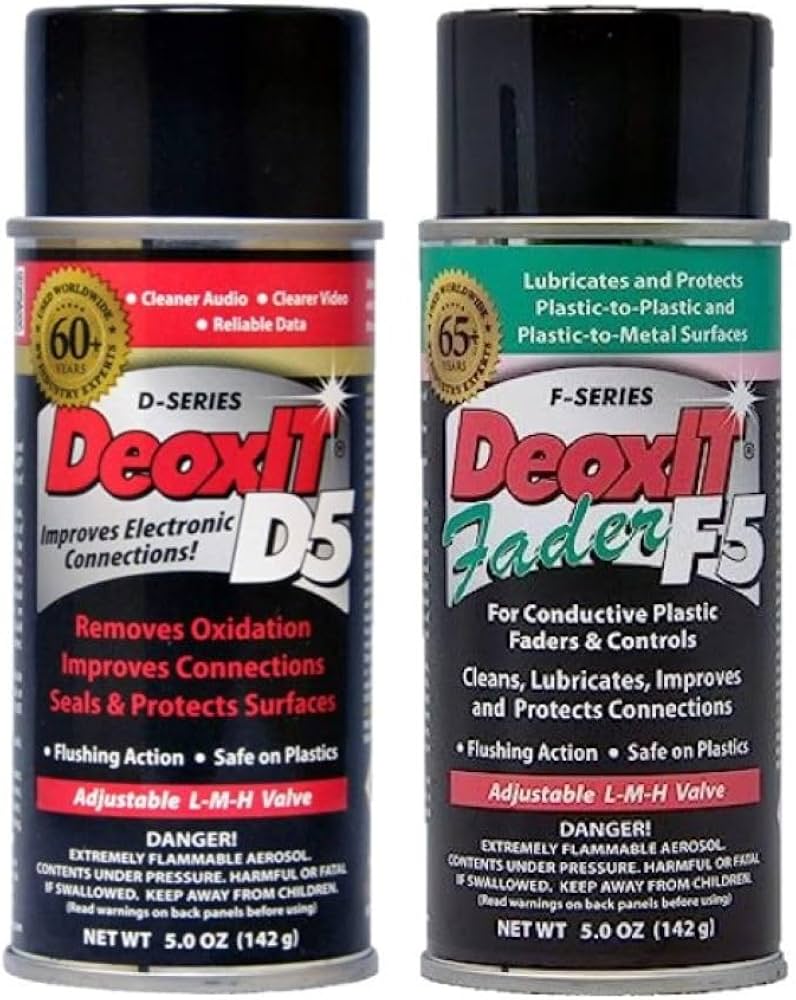
Cleaning volume/tone controls before gigs.
CAIG DeoxIT D5 Contact Cleaner Restores crackly pots and jacks without residue, vital for reliable stage electronics.

Fresh strings for every few gigs.
Elixir Nanoweb Phosphor Bronze Light Strings (12-53) Long-lasting with bright stage tone; coating reduces squeaks under lights.
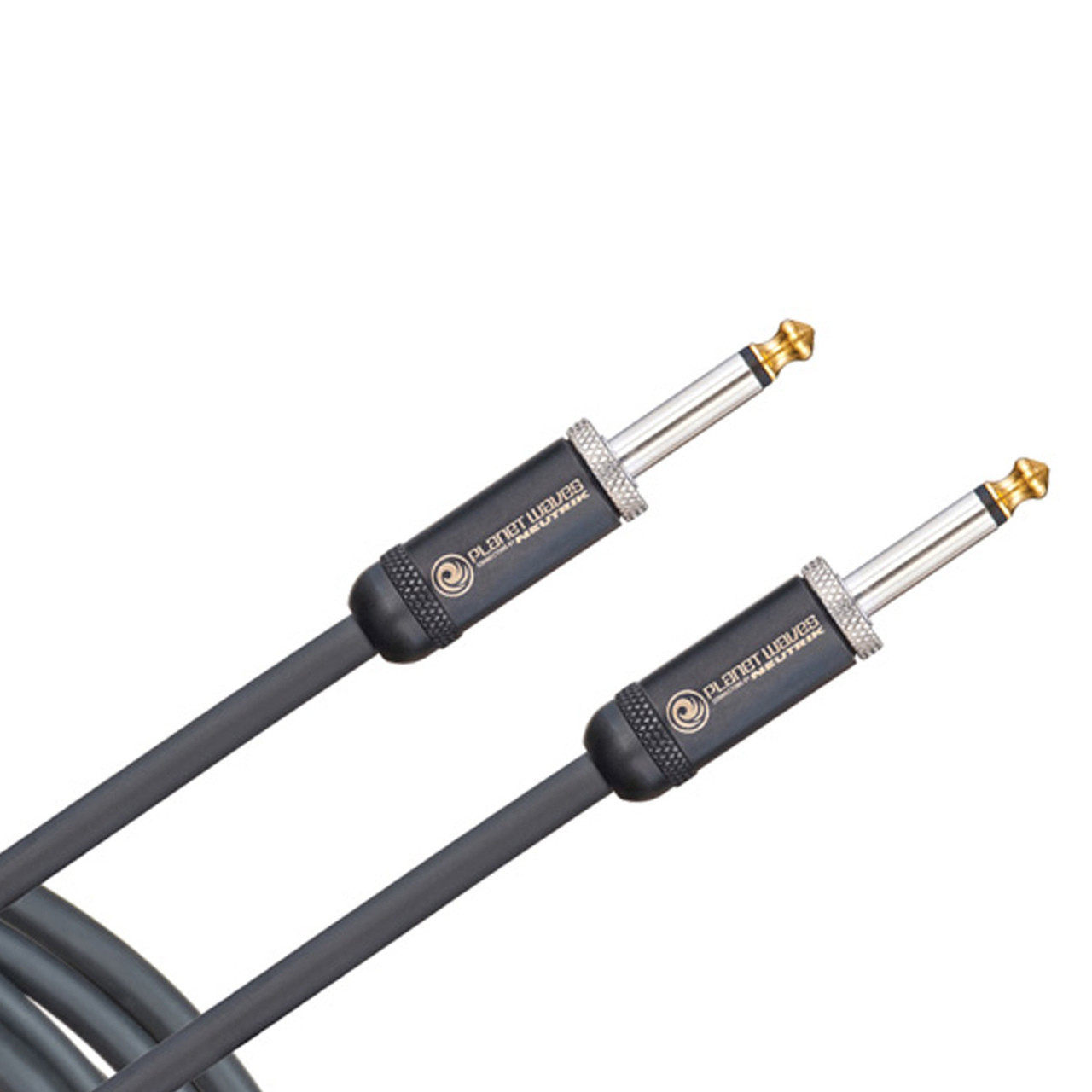
Connecting to amp/PA without tone loss.
Planet Waves American Stage Cable (20 ft) Low capacitance preserves highs, oxygen-free copper for noise-free signal.
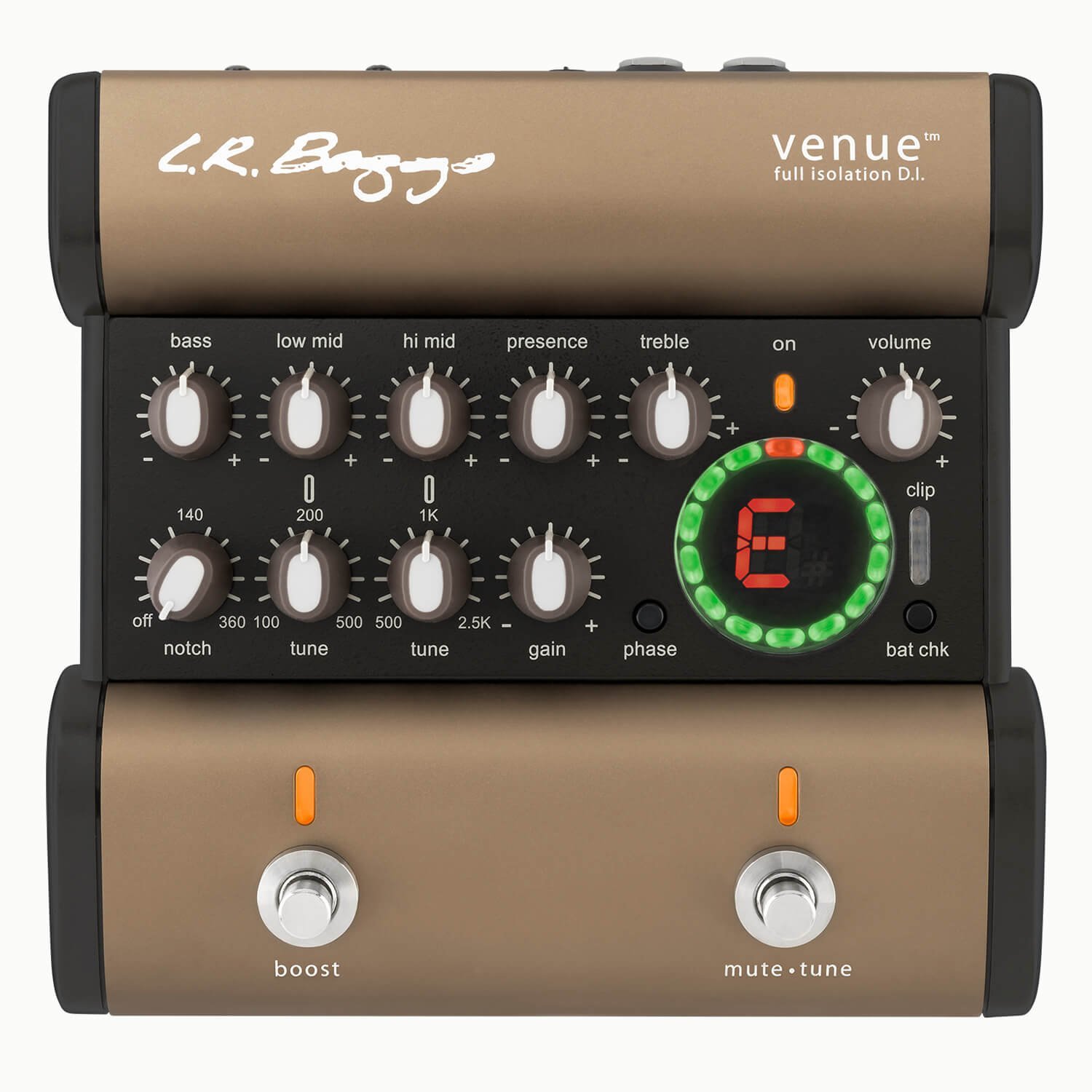
Upgrade for onboard preamp-limited guitars.
LR Baggs Venue DI Pro acoustic preamp/DI with tuner, EQ, and anti-feedback for direct-to-PA perfection.