
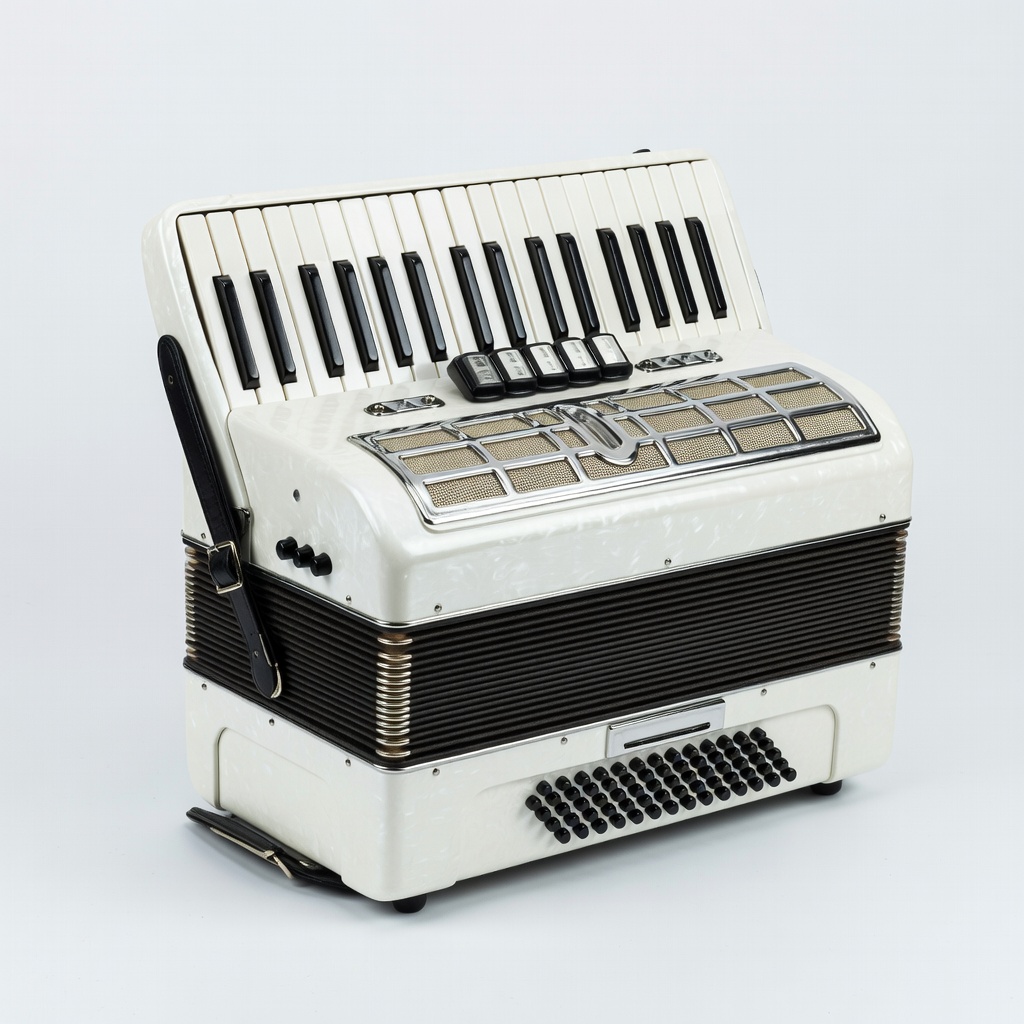
Hohner Bravo III 80-Key Piano Accordion
Primary instrument for advanced players needing authentic acoustic tone.
$500-$600
Hohner Bravo III 80-Key Piano Accordion Versatile 3-voice treble and 3-voice bass ideal for jazz registers and comping.
Get the App
Better experience on mobile
Optimize your accordion's ergonomics, registers, and amplification for seamless, expressive jazz improvisation in under an hour.
Jazz improvisation on accordion demands fluid motion, rich timbres, and reliable amplification—yet many advanced players struggle with setups that cramp their style during gigs or practice. A poor strap fit or mismatched reed voicing can kill your flow mid-solo. This guide equips you to configure your piano or chromatic accordion for jazz's rhythmic drive and harmonic complexity.
You'll learn to adjust straps for endurance, preset registers for jazz comping and melody lines, fine-tune reeds for dry or musette tones, and mic up for band integration. Expect pro-level results: effortless bebop runs, lush chord-melody, and stage-ready sound. Total setup takes 45-60 minutes, assuming advanced skills in scales and bellows control.
Estimated Time: 45-60 minutes Difficulty: advanced
Start by laying your accordion flat on a soft surface. Wipe down keys, buttons, and bellows with a microfiber cloth dampened in accordion-safe cleaner. Remove dust from reed blocks via grille access if needed—use compressed air sparingly.
This prevents sticky actions during fast improv runs. Success: Keys respond crisply, no grime on palms.
Image description: Close-up of hands cleaning piano keys and bass buttons on a black accordion with open grille.
💡 Tips:
⚠️ Warnings:
Attach high-quality leather straps to the accordion's strap blocks. Stand with feet shoulder-width; adjust upper straps so elbows are at 90 degrees when bellows are neutral. Lower straps secure the instrument against your torso for stability during walking bass lines.
Why it matters: Jazz requires constant bellows nuance—poor fit causes fatigue in 10 minutes. Test by playing a ii-V-I; success feels balanced, no shoulder hike.
Image description: Side view of player adjusting accordion straps while standing, showing elbow alignment.
💡 Tips:
⚠️ Warnings:
Access treble register panel. Preset combinations: Melody (high reeds only for solos), Jazz Comp (low + medium reeds for punchy chords), Tutti (all reeds with tremolo reduction for full band). On piano accordions, label switches (L/M/H) with tape for quick recall.
Jazz thrives on clean voicings—avoid muddy stacks. Play a major 7th chord; expect vibrant, piano-like response.
💡 Tips:
Use a clip-on tuner on the bellows grill. Play single notes across octaves, aiming for dry tuning (minimal tremolo, A=442Hz for brightness) or light musette for French jazz vibe. Adjust reed tongues with a tuning knife if advanced—otherwise, note for pro service.
Matters for intonation in key changes. Success: Scales ring true, no wolf tones in 7ths.
⚠️ Warnings:
Check bellows screws for even pressure. Engage lock for static chords during improv builds. Test dynamic swells on a blues scale.
Ensures subtle volume control vital for jazz phrasing. Expect smooth resistance, no leaks.
💡 Tips:
Clip condenser mic to upper grille with accordion-specific mount. Route cable through strap loop, secure to belt pack preamp. Test gain staging to avoid feedback—aim for natural bellows response.
Jazz bands need clarity over drums. Success: Clean signal, no handling noise.
💡 Tips:
⚠️ Warnings:
Run Dorian mode on ii chord, Mixolydian on V, then free improv over rhythm track. Switch registers mid-phrase, check strap shift.
Confirms holistic readiness. Success: 15-minute session without fatigue or tone drops.
Problem: Sticky keys/buttons
Solution: Clean with isopropyl-damp cloth; lubricate with silicone if persists. Pro luthier for reeds.
Problem: Bellows leak
Solution: Tighten corner screws; tape test corners underwater.
Problem: Feedback squeal
Solution: Lower mic gain, reposition amp, use EQ cut at 300Hz.
Problem: Uneven tuning
Solution: Recheck with tuner at room temp; professional reed service if >5 cents off.
Versatile 3-voice treble and 3-voice bass ideal for jazz registers and comping.
Best for: Primary instrument for advanced players needing authentic acoustic tone.
Price Range: $500-$600
Digital modeling with customizable jazz tunings, no maintenance hassles.
Best for: Gigging pros wanting consistent tone and effects like reverb for improv.
Price Range: $1,000-$1,100
Clip-on design captures bellows nuance perfectly for jazz amplification.
Best for: Attaching to grille for live band integration.
Price Range: $90-$100
Durable, adjustable for precise ergonomic fit during extended improv.
Best for: Replacing stock straps for comfort.
Price Range: $40-$50
Accurate clip-on for precise reed tuning in jazz dry/musette styles.
Best for: Quick setup checks before practice.
Price Range: $20-$25
Primary instrument for advanced players needing authentic acoustic tone.
Hohner Bravo III 80-Key Piano Accordion Versatile 3-voice treble and 3-voice bass ideal for jazz registers and comping.
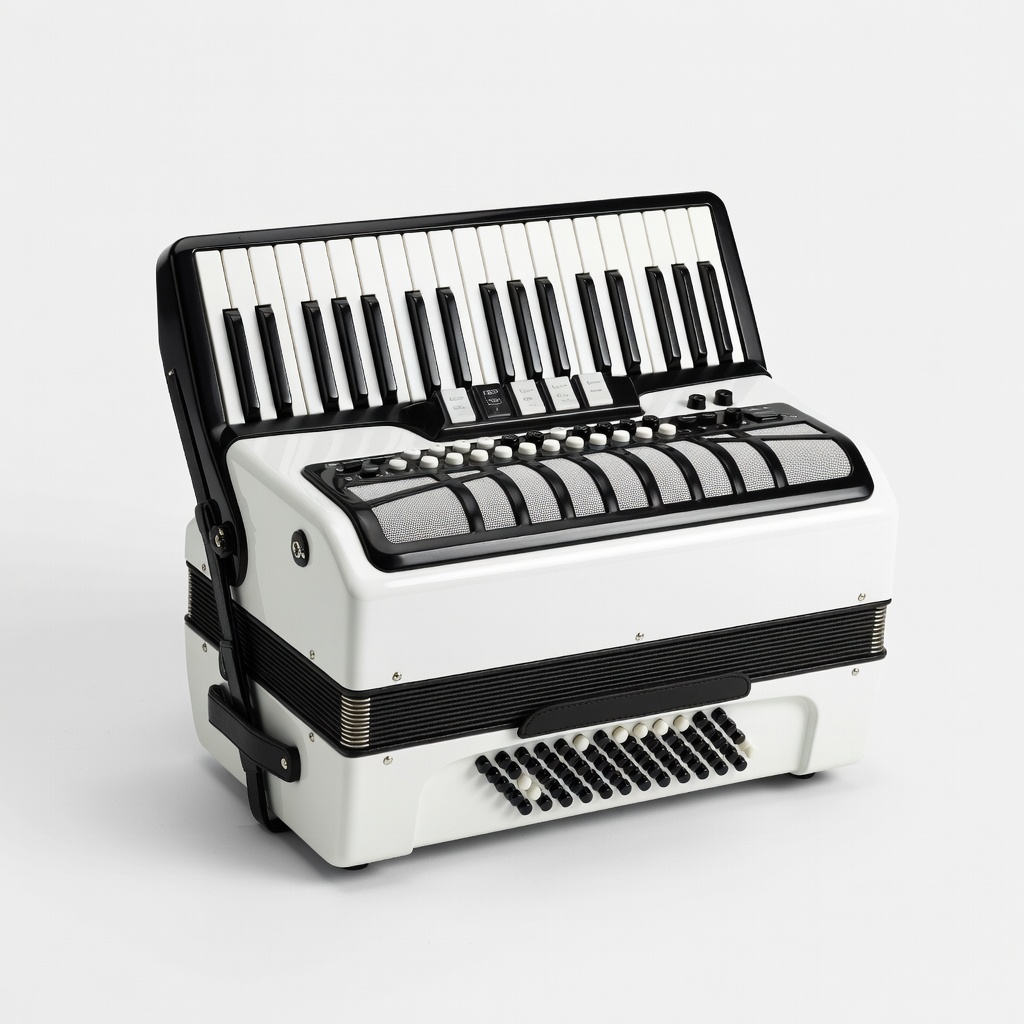
Gigging pros wanting consistent tone and effects like reverb for improv.
Roland FR-1x V-Accordion Digital modeling with customizable jazz tunings, no maintenance hassles.
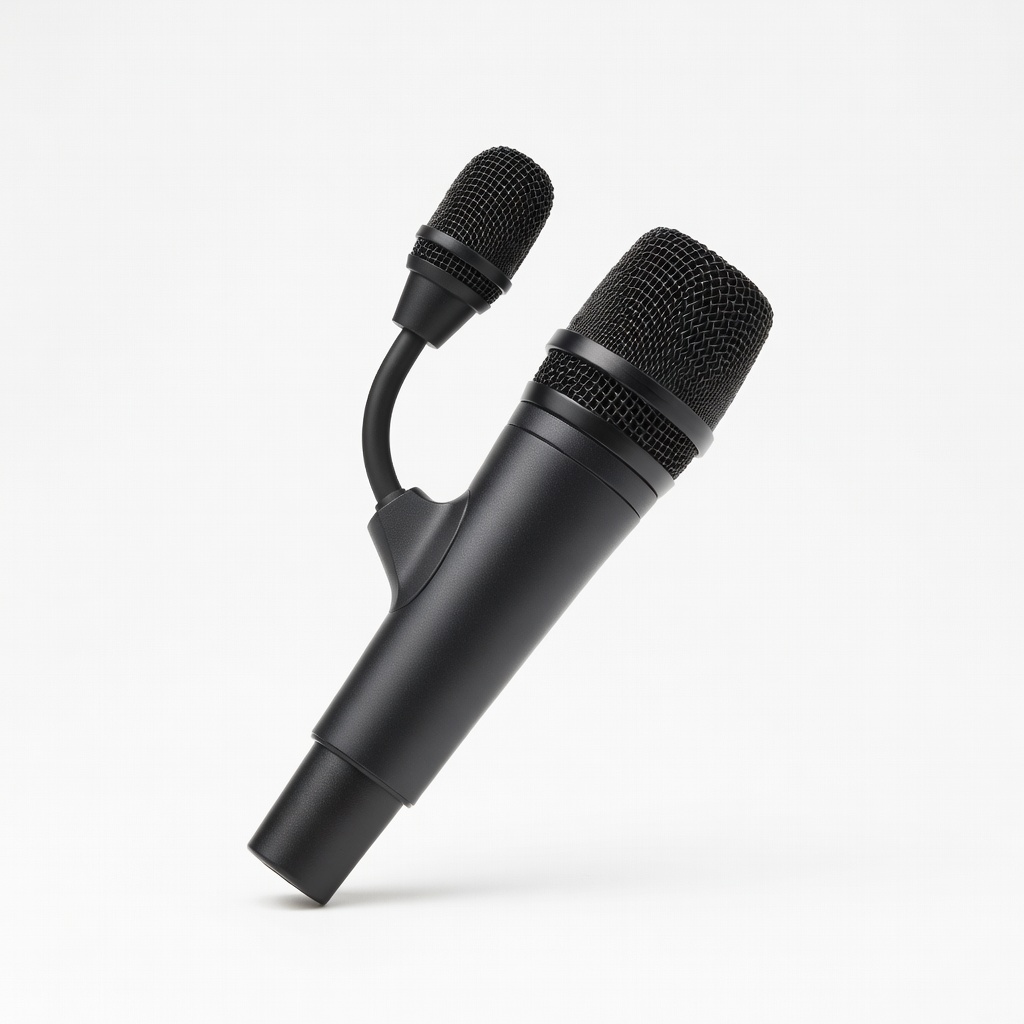
Attaching to grille for live band integration.
Shure PGA98H Condenser Microphone Clip-on design captures bellows nuance perfectly for jazz amplification.
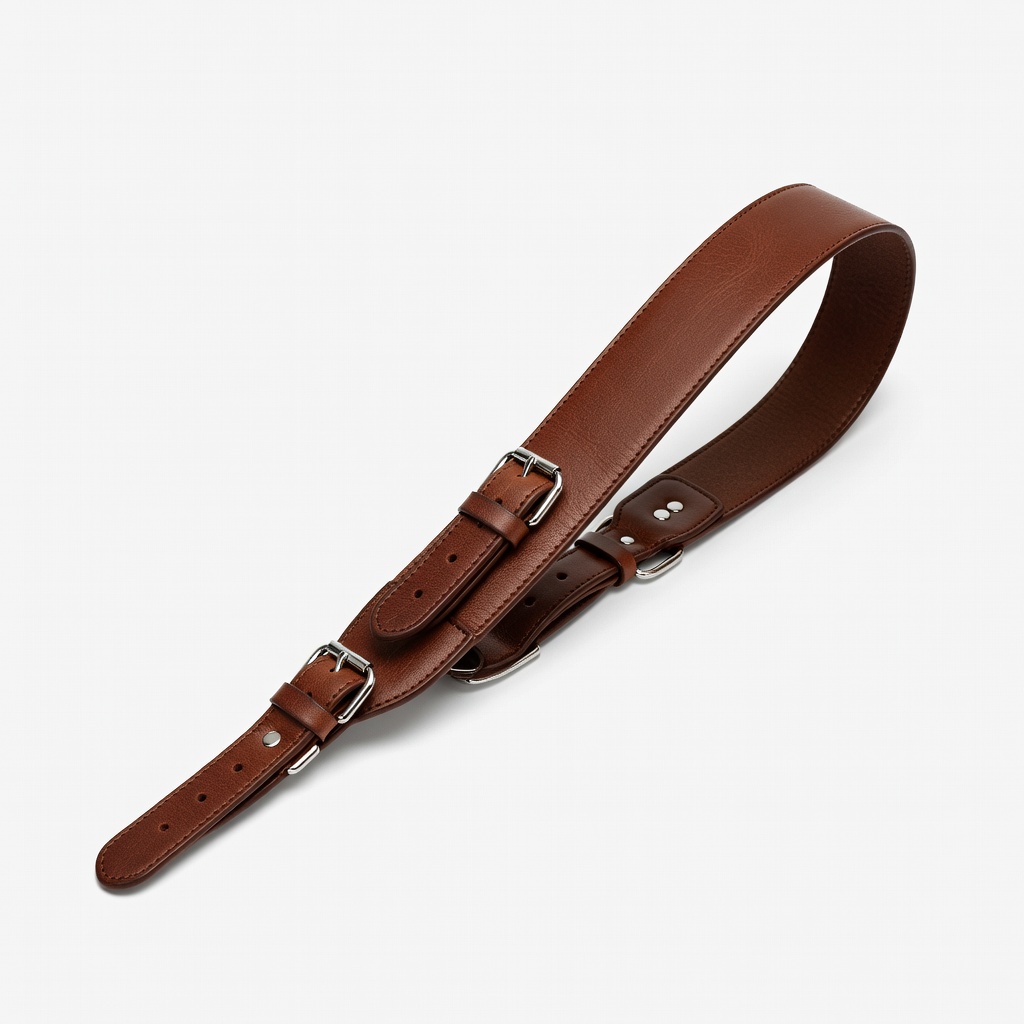
Replacing stock straps for comfort.
Hohner AC1030 Leather Accordion Strap Durable, adjustable for precise ergonomic fit during extended improv.
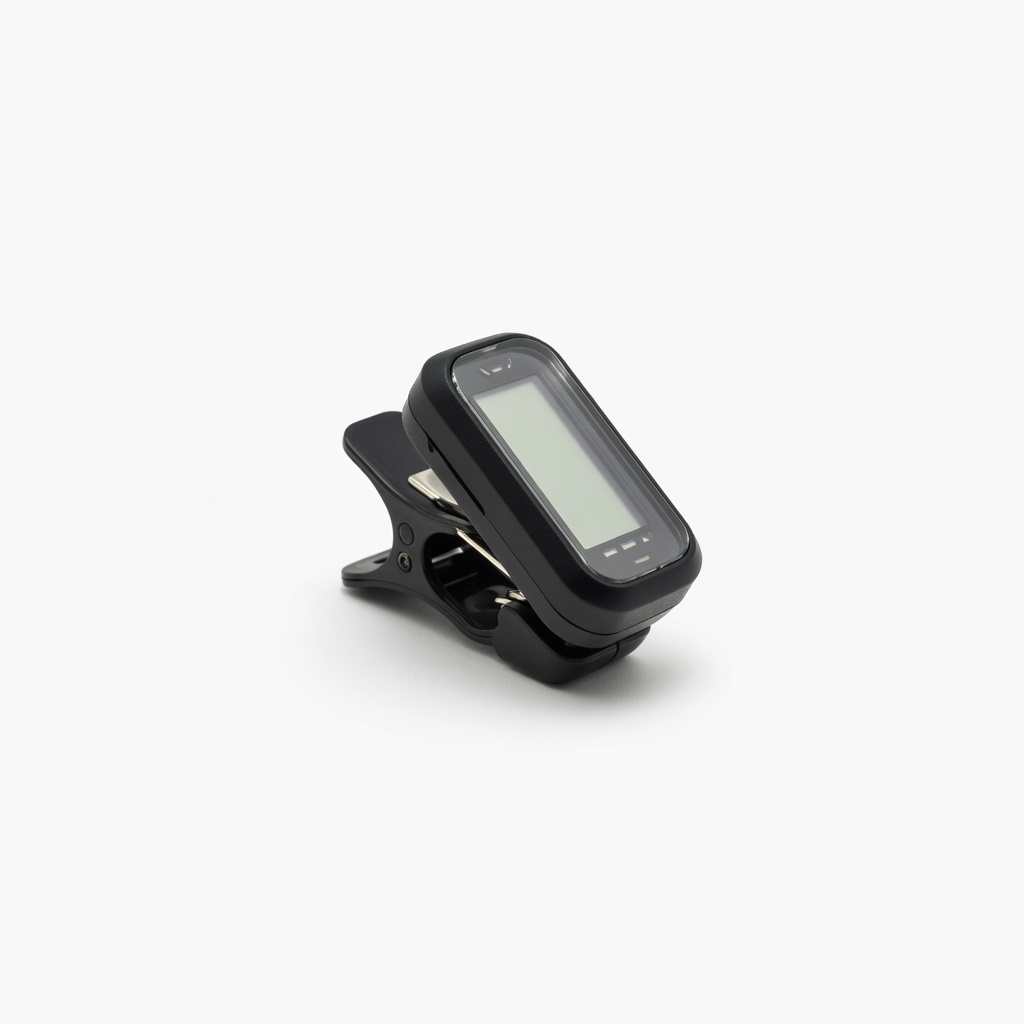
Quick setup checks before practice.
Korg Pitchclip 2 Tuner Accurate clip-on for precise reed tuning in jazz dry/musette styles.