
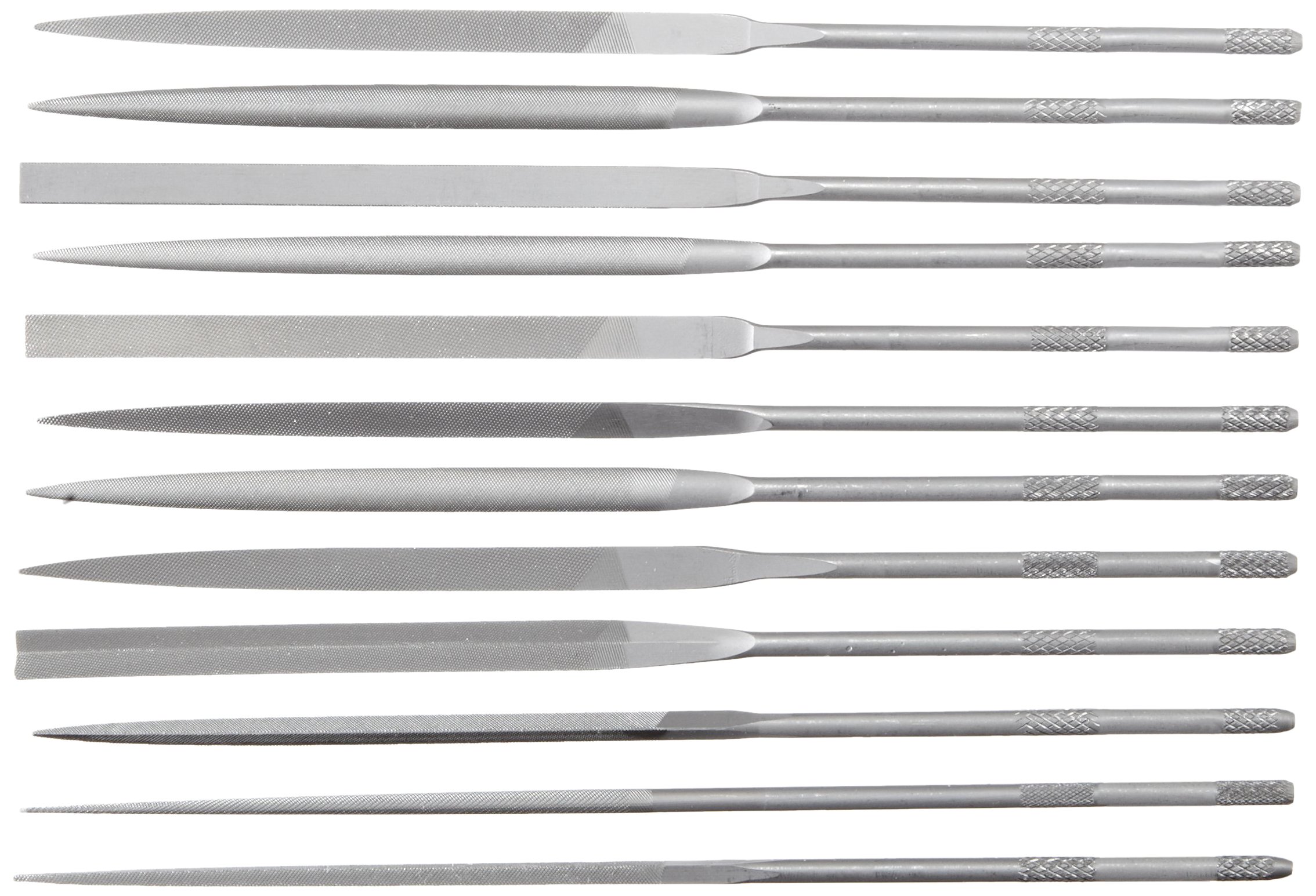
Nicholson 06706N Needle File Set (6-Piece)
Filing tongue edges during Step 5.
$12-15
Nicholson 06706N Needle File Set (6-Piece) Precision files essential for shaping reed tips without gouging, perfect for jazz brightness.
Get the App
Better experience on mobile
Unlock fast response, bends, and dynamics by adjusting your accordion reeds for pro-level jazz improvisation in 3-5 hours.
Jazz accordion improvisation demands reeds that respond instantly to rapid runs, subtle bends, and dynamic swells—unlike the slower setup for folk or classical. Poorly gapped or tuned reeds lead to sluggish attacks and muddy chords, killing your solos. This guide equips advanced players to optimize their reeds for that Galliano-esque fluidity.
You'll learn precise disassembly, cleaning, gapping, filing, tuning, and testing tailored for jazz. Expect hands-on work with reed blocks, achieving quicker speech, brighter highs, and controllable tremolo. Total process: 3-5 hours over 1-2 sessions, assuming you have intermediate repair skills.
No shortcuts here—this advanced setup transforms your accordion into a jazz beast, but requires patience and precision to avoid damage.
Estimated Time: 3-5 hours (spread over 1-2 days for drying) Difficulty: advanced
Set up a well-lit, static-free bench with good ventilation. Lay out all tools and wear an anti-static wrist strap if possible. Remove the accordion's reed blocks carefully—unscrew the pallet screws first, then lift out blocks labeled for treble/bass.
Why? Cleanliness prevents debris from damaging delicate reeds. Success: Reed blocks out without bending tongues.
Image description: Clean workbench with disassembled accordion reed block, tools laid out neatly.
💡 Tips:
⚠️ Warnings:
Use compressed air to blow out dust, then brush gently. Wipe plates with isopropyl-dampened cloth. Inspect each reed tongue for corrosion or wax buildup—scrape lightly if needed.
For jazz, clean channels ensure fast airflow. Expect: Shiny, debris-free reeds ready for adjustment.
Image description: Close-up of reed block being cleaned with air blower.
💡 Tips:
⚠️ Warnings:
Check for cracks, flat spots, or loose tongues. Test by plucking—discard if no clear tone. Install matches (e.g., Hohner 41-grade for jazz).
Jazz needs vibrant reeds; damaged ones cause dead notes. Success: All reeds vibrate freely.
Image description: Damaged vs. new reed side-by-side.
💡 Tips:
⚠️ Warnings:
Use feeler gauges to set gap: 0.15-0.20mm for highs (quick jazz runs), 0.20-0.25mm for lows (bass punch). Gently bend rivet with tool.
Why? Tighter gaps = faster start for improv speed. Test by blowing—reed should speak instantly.
Expect crisp response without sticking.
💡 Tips:
⚠️ Warnings:
File tips lightly with needle file at 10-15° angle to thin edges, enhancing highs and bends. Polish with fine stone.
Creates 'bite' for solos. Success: Clear, projecting tone on plucks.
Image description: Filing reed tip under magnification.
💡 Tips:
⚠️ Warnings:
Melt wax at low heat (150°F), dab under loose tongues, press flat. Let cool 30 mins.
Ensures stability for dynamic playing. Expect vibration-free hold.
💡 Tips:
⚠️ Warnings:
Install blocks loosely, use strobe tuner for dry tuning: Equal temperament base, +10-15¢ tremolo on thirds for musette jazz vibe. Play scales.
Jazz favors slight dry for clean lines. Success: In-tune chords with shimmer.
💡 Tips:
⚠️ Warnings:
Secure blocks, play jazz etudes (e.g., ii-V-I). Adjust gaps/tuning iteratively.
Full success: Fluid improv with no delays or buzzes.
Image description: Player testing accordion with tuner nearby.
💡 Tips:
⚠️ Warnings:
Problem: Reed won't speak
Solution: Check gap (increase 0.05mm) or clean debris; replace if bent.
Problem: Buzzing or rattling
Solution: Re-wax loose tongues; ensure even filing.
Problem: Out-of-tune after reassembly
Solution: Loosen blocks, retune under bellows pressure; check for air leaks.
Problem: Slow attack on runs
Solution: Tighten gaps further or file tips thinner.
Problem: Persistent issues
Solution: Seek pro luthier—advanced setups risk warranty.
Precision files essential for shaping reed tips without gouging, perfect for jazz brightness.
Best for: Filing tongue edges during Step 5.
Price Range: $12-15
Accurate 0.0015-0.035" blades for exact reed gapping, critical for fast jazz response.
Best for: Setting gaps in Steps 4 and 8.
Price Range: $20-25
Compact, accurate for reed work; flat cents display ideal for jazz tremolo tuning.
Best for: Tuning in Steps 7-8.
Price Range: $18-22
High-quality, low-melt wax grips reeds securely without brittleness.
Best for: Securing tongues in Step 6.
Price Range: $10-15
Pro strobe accuracy for visual reed tuning, unmatched for advanced jazz setups.
Best for: Precise intonation in Step 7.
Price Range: $300-350
Filing tongue edges during Step 5.
Nicholson 06706N Needle File Set (6-Piece) Precision files essential for shaping reed tips without gouging, perfect for jazz brightness.
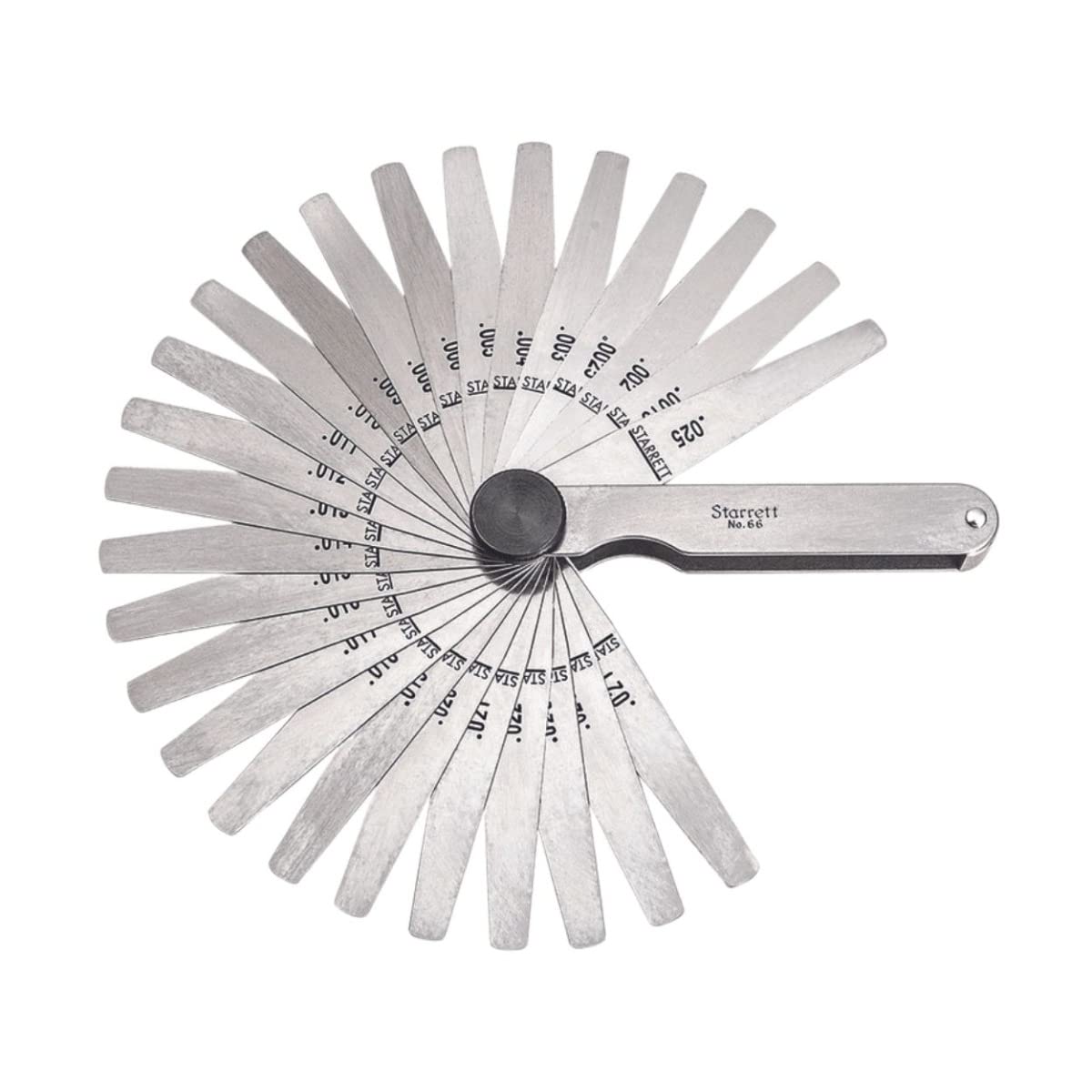
Setting gaps in Steps 4 and 8.
Starrett 124E Pocket Feeler Gauge Set Accurate 0.0015-0.035" blades for exact reed gapping, critical for fast jazz response.
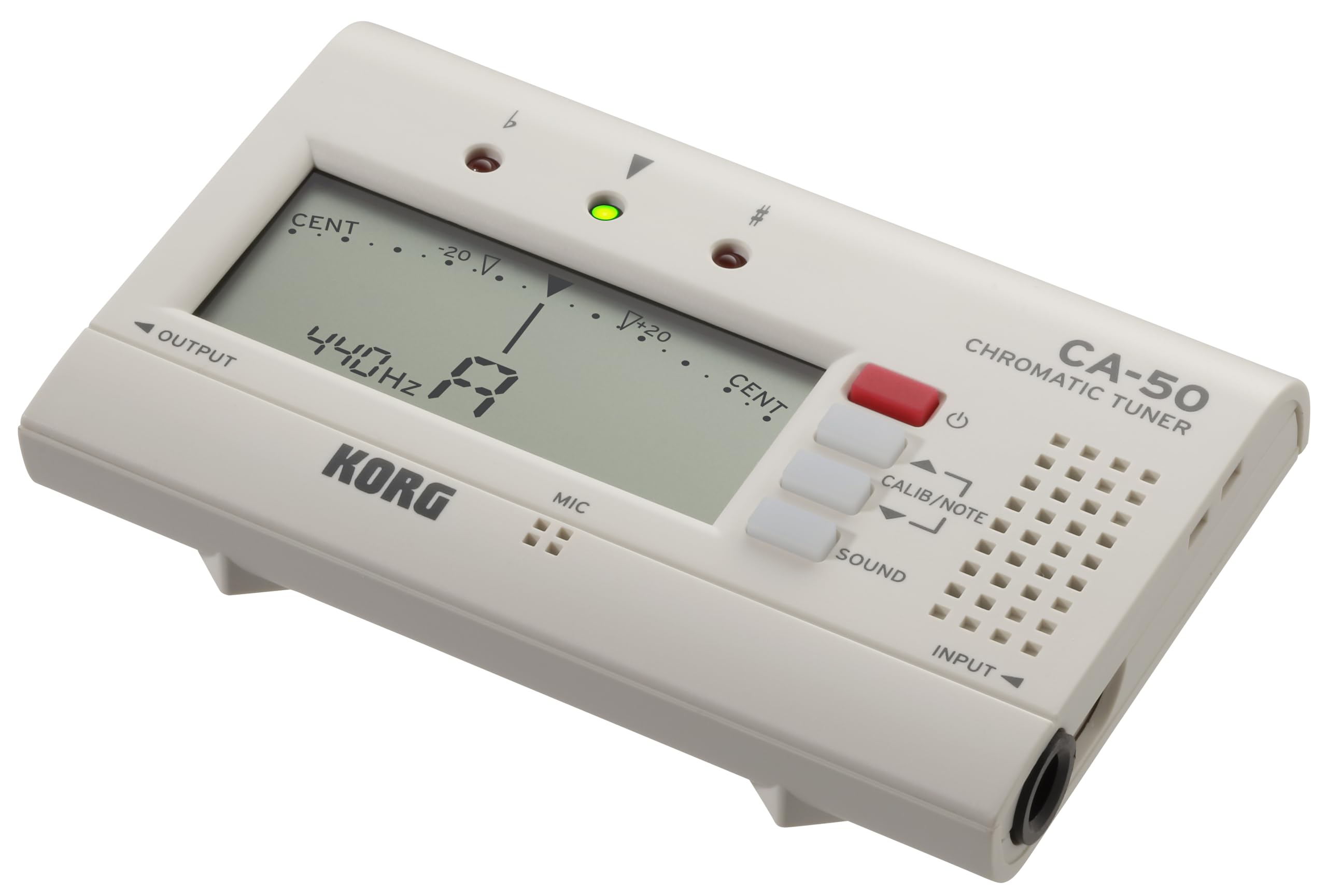
Tuning in Steps 7-8.
Korg CA-50 Digital Tuner Compact, accurate for reed work; flat cents display ideal for jazz tremolo tuning.

Securing tongues in Step 6.
Rosetti Accordion Reed Wax (1 lb) High-quality, low-melt wax grips reeds securely without brittleness.
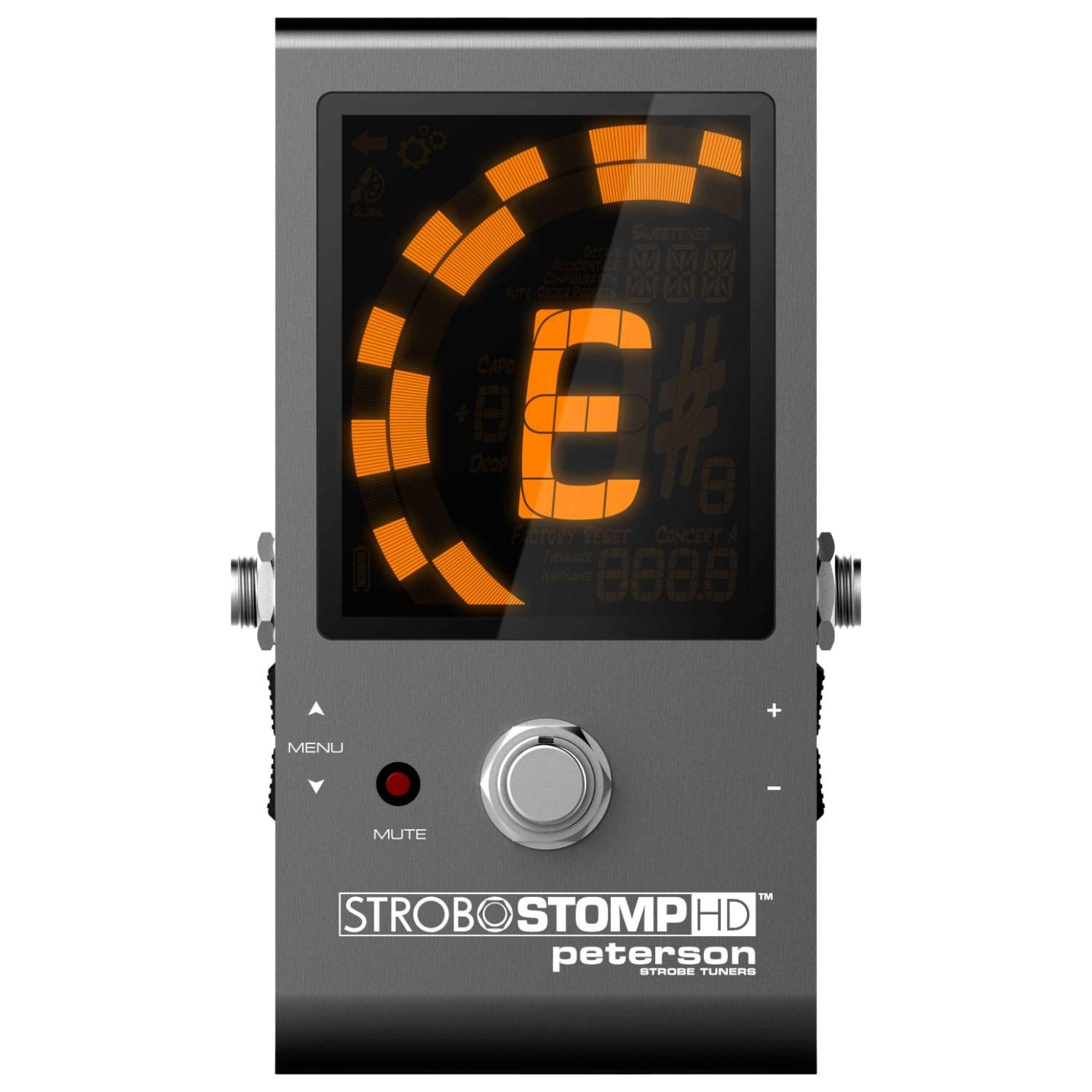
Precise intonation in Step 7.
Peterson StroboStrobe 470 Tuner Pro strobe accuracy for visual reed tuning, unmatched for advanced jazz setups.