Dreaming of a home gym but worried about space? You're not alone. Many people think they need a dedicated room or expensive machines to get a great workout at home. The truth is, with smart planning and the right equipment, you can set up a highly effective activity center in as little as a corner of your living room, a spare closet, or even a balcony. This guide will walk you through every step, from assessing your space and choosing multi-functional gear to organizing it all efficiently. Whether you're a complete beginner or looking to optimize your current setup, you'll learn how to create a gym that fits your space, budget, and fitness goals. Expect to spend a weekend on planning and setup, and you'll be ready to sweat in your own mini gym.
▸What You'll Need
- •Measuring tape
- •Notebook or app for planning
- •Floor protection (interlocking foam mats or rubber tiles)
- •Wall-mounted hooks or shelves
- •Storage bins or baskets
- •Mirror(s) for form checking
- •Lighting (if needed)
- •Essential equipment: adjustable dumbbells, resistance bands, yoga mat, doorway pull-up bar, folding weight bench (optional), kettlebells or medicine ball (optional)
Estimated Time: 2-4 hours (plus time for shopping and assembly)
Difficulty: beginner
▸Step-by-Step Instructions
Step 1: Assess Your Available Space
Start by measuring the area you plan to use. Use a measuring tape to get the length and width, and note any obstacles like doors, windows, or radiators. Consider the ceiling height, especially if you plan to use a pull-up bar or overhead exercises. Clear the space of any furniture or clutter. Take photos and draw a rough floor plan. This will help you visualize where equipment can go and ensure everything fits without feeling cramped.
💡 Tips:
- •Include clearance space for movement (at least 2-3 feet around each piece of equipment).
- •Consider multi-purpose furniture like a weight bench that folds up.
⚠️ Warnings:
- •Don't forget to account for door swings and walkways.
Step 2: Define Your Workout Goals and Preferences
Before buying anything, think about what types of exercises you enjoy and what your fitness goals are. Do you want to build strength, lose weight, improve flexibility, or all of the above? This will guide your equipment choices. For example, if you love yoga and Pilates, prioritize a good mat and resistance bands. If strength training is your focus, adjustable dumbbells and a bench are essential. Write down your top 3-5 exercises you'd like to do frequently. This list will prevent impulse buys and keep your setup streamlined.
💡 Tips:
- •Start with bodyweight exercises to minimize equipment.
- •Consider a mix of cardio (jump rope, workouts) and strength.
⚠️ Warnings:
- •Avoid buying trendy equipment that doesn't match your actual routine.
Step 3: Choose Multi-Functional, Space-Saving Equipment
Now it's time to select gear that offers multiple exercises in one compact package. For limited spaces, the golden rule is: one piece of equipment should do the work of several. Adjustable dumbbells replace a whole rack of fixed weights. Resistance bands are versatile for strength and stretching, and they store easily. A folding weight bench can be tucked away. A doorway pull-up bar works for pull-ups, push-ups, and ab exercises. Look for items that can be stored under a bed or hung on a wall. Research reviews and check dimensions to ensure they'll fit your space.
💡 Tips:
- •Consider adjustable kettlebells or a TRX suspension trainer for maximum versatility.
- •Buy quality; cheap equipment often takes more space or breaks quickly.
⚠️ Warnings:
- •Resist the urge to buy too many specialized items like ab rollers or leg machines.
Step 4: Select a Suitable Flooring Surface
Protect your floor and provide a safe workout surface by installing interlocking foam mats or rubber tiles. They cushion falls, reduce noise, and mark your exercise zone. If you have carpet, a large plastic mat under your equipment can prevent wear. For hardwood or tile, a thicker mat (at least ½ inch) is recommended. Measure your space and buy enough mats to cover the high-traffic areas where you'll drop weights or do floor exercises. Many mats cut easily with a utility knife to fit odd shapes.
💡 Tips:
- •Dark-colored mats hide dirt better than light ones.
- •Leave small gaps between mats for expansion if in a garage.
⚠️ Warnings:
- •Cheap mats may off-gas; let them air out before installing.
Step 5: Set Up Smart Storage Solutions
Maximize your small space by using vertical storage. Install wall-mounted hooks for resistance bands, jump ropes, and yoga mats. Use heavy-duty shelves above head height for lighter items like foam rollers and towels. A pegboard with accessories can hold bands, straps, and small weights. For heavier dumbbells or kettlebells, consider a dedicated storage rack that fits under a bench or in a corner. Clear bins can categorize smaller accessories (e.g., chalk, gloves, clips). Label everything so you can find what you need quickly and keep the area tidy.
💡 Tips:
- •Use a tension rod inside a closet to hang resistance bands.
- •Magnetic strips on the wall can hold metal attachments.
⚠️ Warnings:
- •Ensure shelves and hooks are anchored to studs for heavy items.
Step 6: Arrange Equipment for Workout Flow
Arrange your equipment in a logical order that follows your typical workout sequence. For example, place your yoga mat in the center for warm-ups and stretching, with your dumbbells and bench nearby for strength training, and a clear area for cardio moves. Leave enough room to move freely between exercises. If you have a mirror, position it so you can check your form during lifts. Keep frequently used items within arm's reach, and store less-used gear out of the way. Test the layout by walking through a mock workout to ensure you have comfortable access.
💡 Tips:
- •If space is very tight, use a foldable bench that can be stored under a bed or behind a door.
- •Use a cart on wheels to move equipment around if needed.
⚠️ Warnings:
- •Don't block emergency exits or create tripping hazards.
Step 7: Add Mirrors, Good Lighting, and Ambiance
A mirror is invaluable for checking form and making your space feel larger. Install a full-length mirror on the wall where you perform exercises. If drilling isn't possible, lean a large mirror against the wall. Good lighting is crucial—especially if your area is a corner of a garage or basement. Add a bright LED light or floor lamps. Consider a white or neutral paint color to make the space feel open. A few personal touches like a poster for motivation or a small speaker for music can boost your mood and help you stay consistent.
💡 Tips:
- •Use wall-mounted mirror tiles for a seamless look.
- •Smart bulbs with app control let you adjust brightness.
⚠️ Warnings:
- •Ensure mirrors are securely fastened to avoid accidents.
Step 8: Organize Accessories and Create a Cleaning Station
Keep small accessories like water bottles, towels, headphones, and cleaning wipes in a dedicated basket or caddy near your workout area. After each session, wipe down equipment with sanitizing wipes to maintain hygiene and prolong gear life. Have a small trash bin for used wipes and tissues. For more extensive cleaning, keep a spray bottle of mild detergent and a microfiber cloth. Store these items in an easily accessible but out-of-the-way spot, like under the bench or on a wall shelf.
💡 Tips:
- •A mesh laundry bag can hold used towels and gym clothes.
- •Store resistance bands in a zippered pouch to prevent tangling.
⚠️ Warnings:
- •Avoid leaving sweaty items on equipment—it can cause rust or odor.
Step 9: Test Your Layout and Make Adjustments
Now it's time for a test drive. Perform a short workout using your new setup. Pay attention to whether you can move freely between exercises, if you have enough space for stretching, and if you need to reach for anything. Note any friction points—like a dumbbell rack that's too far away or a mirror that reflects a distracting view. Make small adjustments, such as moving a shelf a few inches or swapping the position of the bench and dumbbells. Once everything feels natural, finalize the arrangement. Your home gym is ready!
💡 Tips:
- •Invite a friend to work out with you to get a second opinion on the flow.
- •Take photos to compare before and after.
⚠️ Warnings:
- •Don't be afraid to reconfigure; a flexible setup is key for small spaces.
▸Pro Tips
- •Use vertical space aggressively: install shelves, hooks, and pegboards to keep the floor clear.
- •Choose foldable or collapsible equipment whenever possible (e.g., folding bench, collapsible water jug).
- •Invest in a quality equipment mat to protect floors and reduce noise for downstairs neighbors.
- •Rotate seasonal decorations: in summer, move some workout gear to the patio or balcony for fresh air.
- •Create a 'gym in a box' for small items: a large storage ottoman can double as a seat and hide weights and bands.
- •Use heavy-duty command strips for lightweight items like band hooks to avoid drilling.
- •Set a routine for retightening bolts and cleaning to keep equipment in top shape.
▸Common Mistakes to Avoid
- •Buying equipment based on aspiration (e.g., a rowing machine for a closet-sized space).
- •Neglecting floor protection, leading to damaged floors or loud noise.
- •Poor layout that forces you to constantly move things out of the way during a workout.
- •Overlooking ventilation – small spaces can get stuffy; consider a fan or open window.
- •Buying too many single-purpose gadgets that clutter the area.
▸Troubleshooting
Problem: My space is too small for a bench AND a yoga mat.
Solution: Use a foldable bench that stores upright against the wall. Alternatively, use a thick mat for both floor and bench exercises.
Problem: My equipment creaks or wobbles on the mat.
Solution: Place a plywood board under the mat for a sturdier base, or use a thinner mat for under the equipment.
Problem: I don't have a wall to mount a mirror.
Solution: Use a freestanding mirror or a door-mounted mirror. Many models hang over a door without drilling.
Problem: Resistance bands keep getting tangled.
Solution: Store them individually in a small bag or hang them on a hook with separate clips.
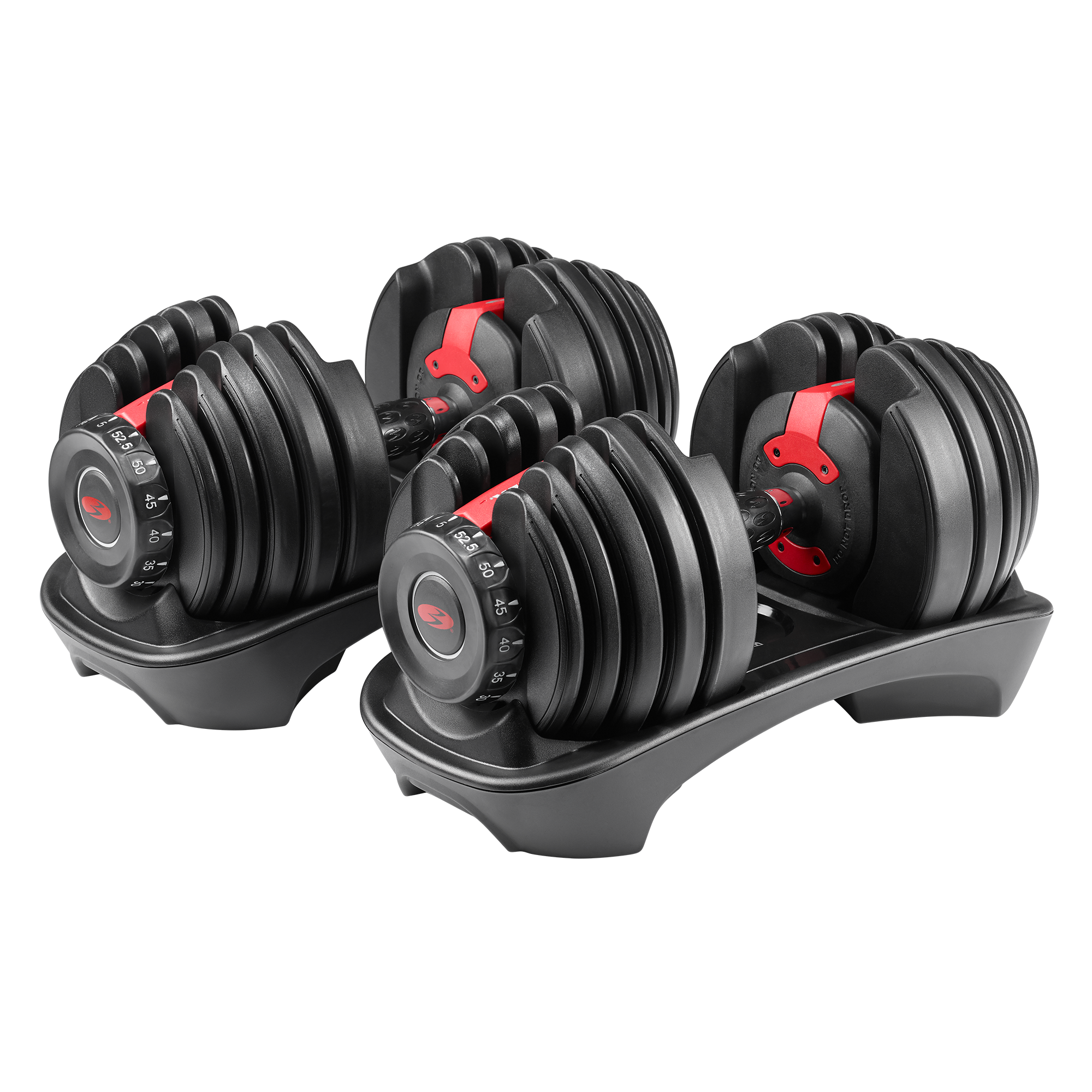
Bowflex SelectTech 552 Adjustable Dumbbells
These replace 15 sets of dumbbells in one compact unit, saving huge space. Weight adjustment is quick, from 5 to 52.5 lbs.
Best for: Strength training exercises like bicep curls, shoulder presses, rows, and lunges.
Price Range: $299-$349
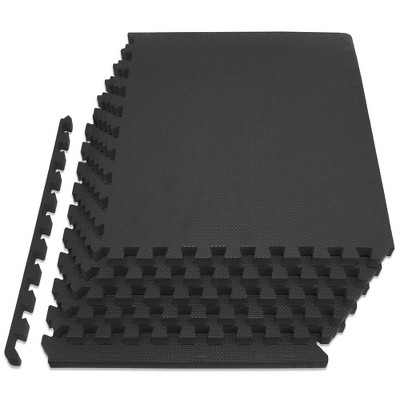
ProsourceFit Puzzle Exercise Mat (set of 6 tiles)
Provides cushioned, interlocking floor protection that covers 24 sq ft. Easy to install, cut, and clean.
Best for: Flooring for home gyms, yoga, stretching, and weightlifting.
Price Range: $30-$40
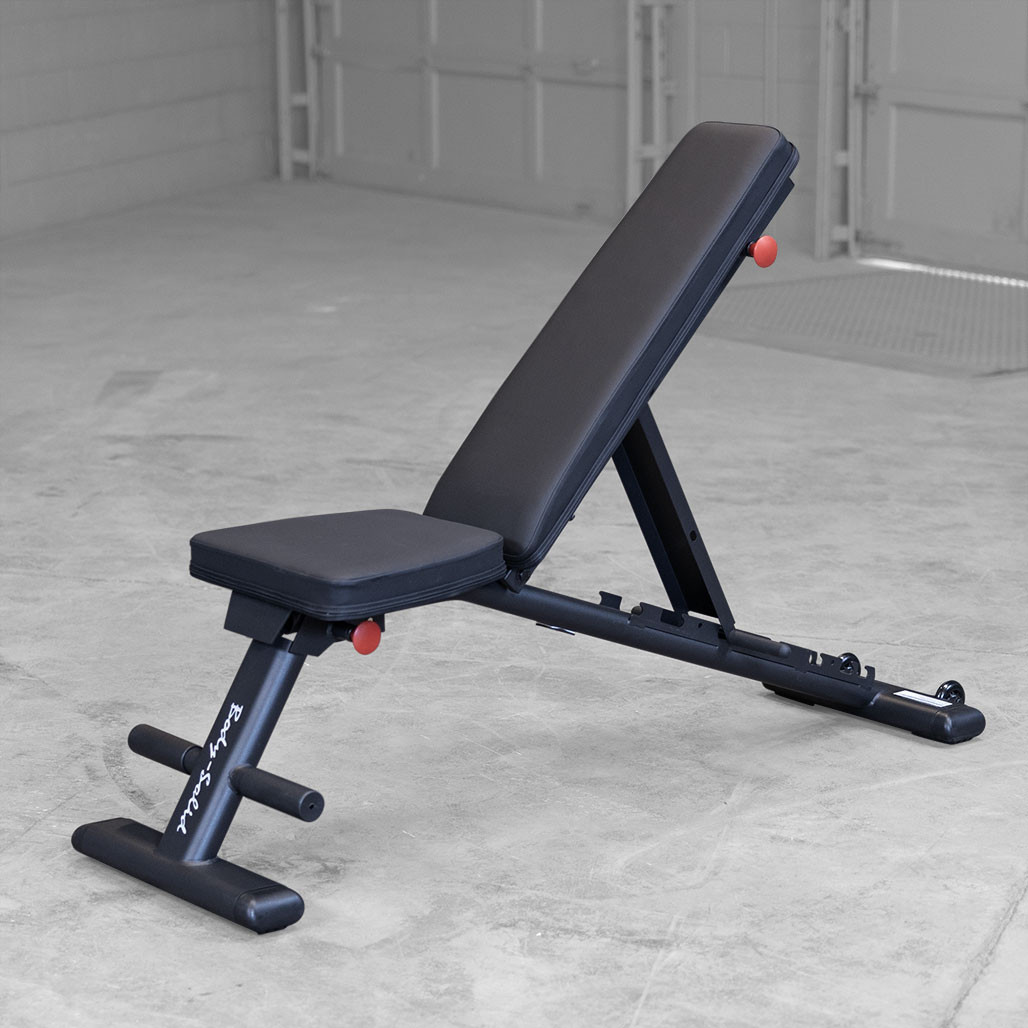
Body-Solid Folding Weight Bench FB-100
Folds flat for storage under a bed or in a closet, yet supports up to 600 lbs. Multiple angle positions for varied exercises.
Best for: Bench press, dumbbell rows, seated shoulder exercises, and step-ups.
Price Range: $150-$200
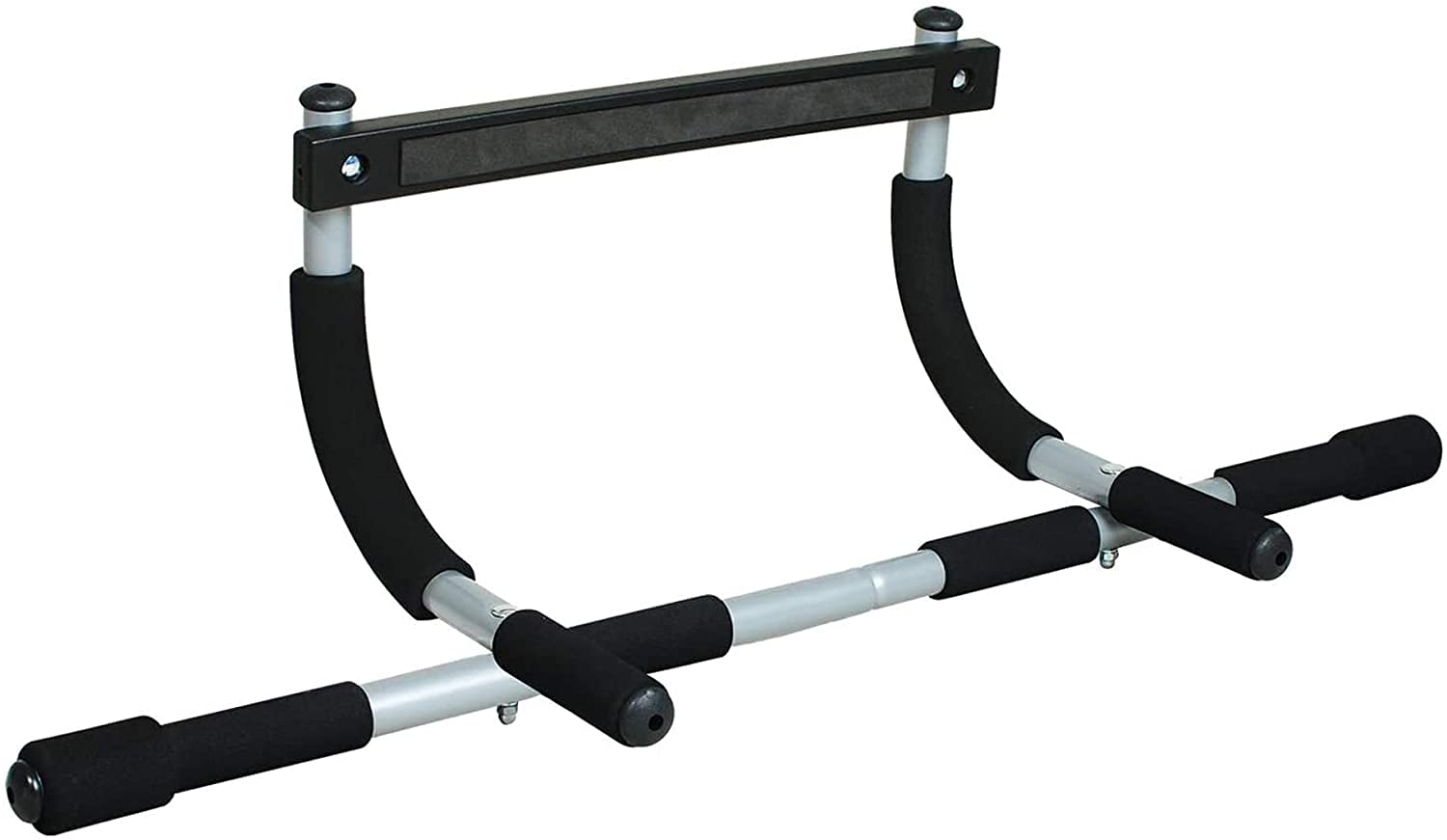
Iron Gym Total Upper Body Workout Bar
Doorway pull-up bar that installs without screws and works for pull-ups, push-ups, and ab exercises. Removable quickly.
Best for: Pull-ups, chin-ups, push-ups, and ab straps for hanging leg raises.
Price Range: $25-$35
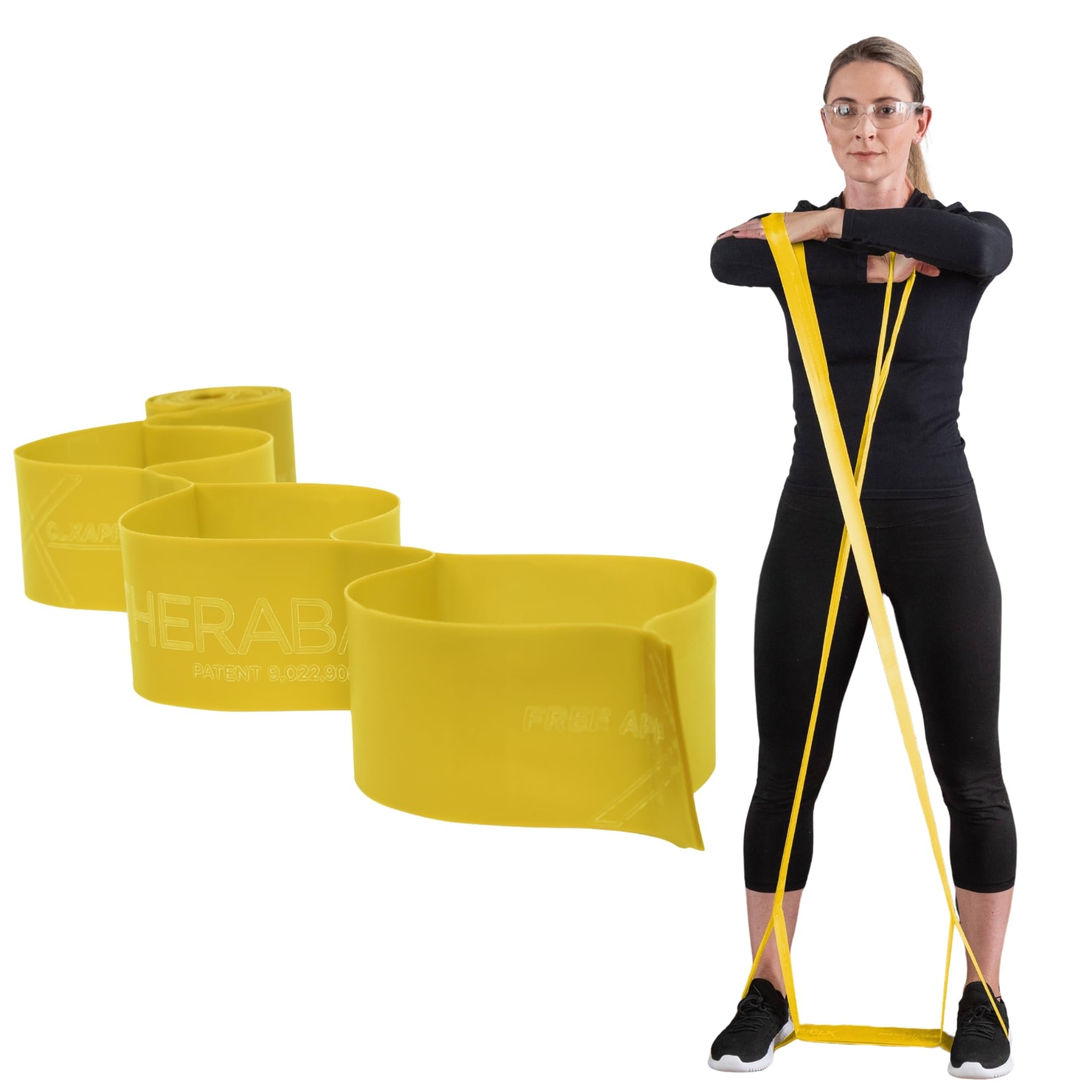
TheraBand CLX Resistance Band System
Includes multiple resistance levels and a door anchor for versatile training. Compact enough to fit in a drawer.
Best for: Resistance training for all muscle groups, rehabilitation, and stretching.
Price Range: $30-$45