
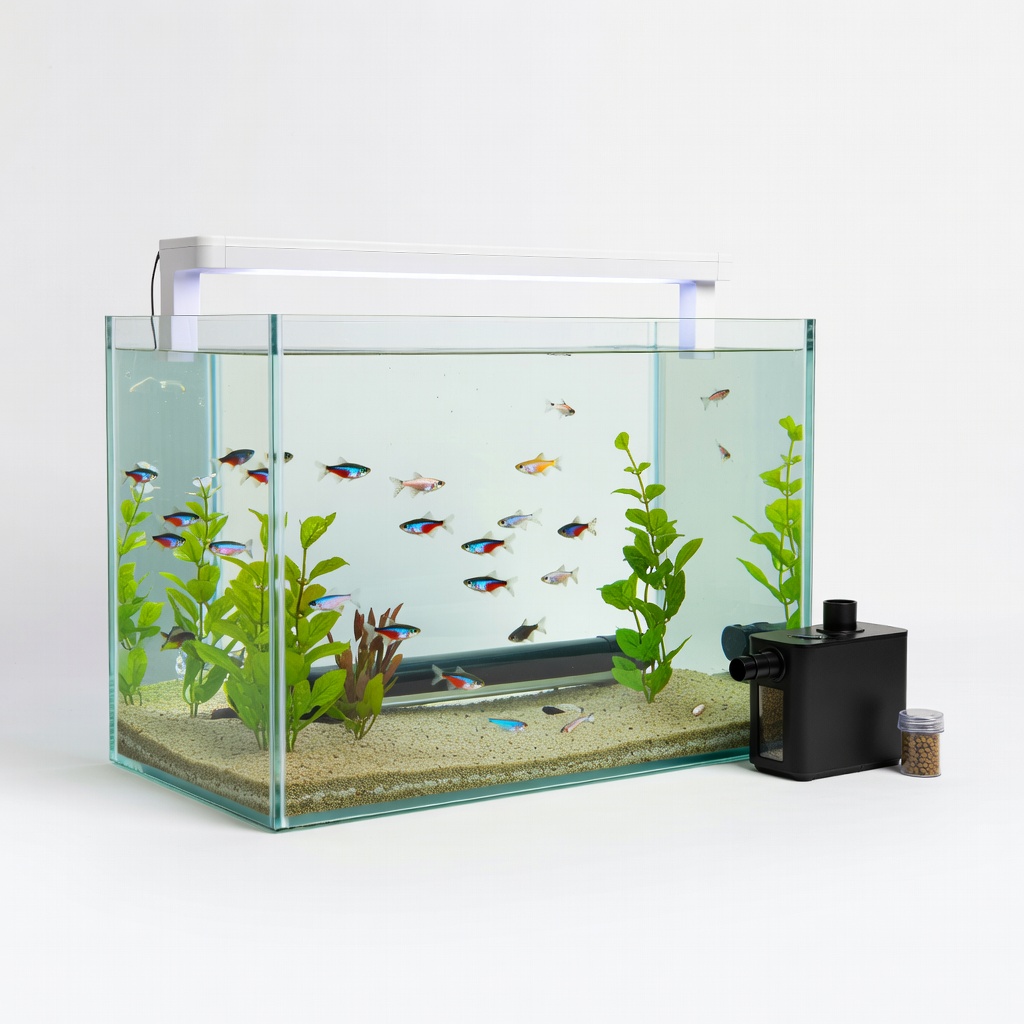
Aqueon 10 Gallon LED Aquarium Kit
Initial tank setup for beginners.
$50-$70
Aqueon 10 Gallon LED Aquarium Kit All-in-one starter with light, filter, heater—perfect nano reef base.
Get the App
Better experience on mobile
Build your first thriving coral reef aquarium in a 10-20 gallon nano tank with simple steps and essential gear—no prior experience needed.
Dreaming of a vibrant underwater world with colorful corals and fish darting around? Reef aquariums bring a slice of the ocean into your home, but beginners often fear the complexity and high costs. The good news: a nano reef tank (10-20 gallons) is perfect for starters, offering big beauty in a small space without breaking the bank.
In this guide, you'll learn everything from picking gear to cycling your tank and adding livestock. We'll cover a foolproof process using proven beginner methods, so you avoid costly mistakes like parameter crashes. Expect a rewarding hobby that teaches patience and biology basics.
Total setup takes 4-6 hours hands-on, but plan for 4-6 weeks of cycling before adding corals. Difficulty is beginner-friendly if you follow steps precisely.
Estimated Time: 4-6 hours for initial setup + 4-6 weeks cycling Difficulty: beginner
Start with a 10-20 gallon nano tank—ideal for beginners as it's affordable, manageable, and forgiving. Larger tanks are stable but harder to start. Place it on a level, sturdy stand away from direct sun, drafts, or carpet (water = 10 lbs/gallon!).
Why? Stability prevents leaks; light control avoids algae. Success: Tank secure, power outlets nearby.
Image: Clean 15-gallon tank on wooden stand in living room corner.
💡 Tips:
⚠️ Warnings:
Unbox your heater, pumps, light, and skimmer. Rinse sand/rock in RO/DI water (not tap) to remove dust. Dry fit plumbing.
This prevents contaminants that crash new tanks. Expect cloudy rinse water clearing after 3-5 rinses.
💡 Tips:
⚠️ Warnings:
Level the tank on the stand. Add 1-2" sand layer, sloping deeper at back for aquascaping. Slope prevents dead spots.
Success: Smooth substrate bed ready for rock.
💡 Tips:
Stack rinsed live rock stably (use sand under bases). Create caves/swim space—avoid touching pieces tightly. Live rock seeds bacteria for cycling.
Why? Natural filtration. Expect porous, natural look.
💡 Tips:
⚠️ Warnings:
Mount light 6-8" above water. Place heater/pump per manual. Hang/plumb skimmer. Plug into power strip with timer.
Ensures even light/flow/heat. Success: All humming quietly.
💡 Tips:
Mix salt to 1.025 SG (use refractometer). Fill tank slowly via plate to avoid sand disturbance. Heat to 77-80°F. Aerate 24hrs.
Matches reef params. Expect crystal-clear water.
⚠️ Warnings:
Run system 24/7. Add ammonia source (pure ammonia or fish food). Test daily: Ammonia spikes then drops, nitrite follows, zero both + nitrates = cycled (4-6 weeks).
Builds bacteria colony. Patience key.
💡 Tips:
Aim for: Salinity 1.025, pH 8.1-8.4, Temp 77-80°F, Ammonia/Nitrite 0, Nitrate <20ppm. Adjust slowly.
Success: Stable for 1 week = livestock-ready.
💡 Tips:
⚠️ Warnings:
Acclimate drip-method 1-2hrs. Start with cleanup crew (snails, hermits), then 1-2 clownfish, finally soft corals (zoas, mushrooms).
Build ecosystem gradually. Expect settling in days.
💡 Tips:
Problem: Algae outbreak
Solution: Reduce light to 6hrs, add cleanup crew, cut nitrates via 50% water change.
Problem: Parameter swings
Solution: Calm—slow changes max 10% daily; check equipment.
Problem: Cloudy water
Solution: Bacteria bloom normal in cycle; patience or poly filter.
Problem: Corals not opening
Solution: Check flow/light; acclimate 1 week, stable params.
All-in-one starter with light, filter, heater—perfect nano reef base.
Best for: Initial tank setup for beginners.
Price Range: $50-$70
Full spectrum blues/reds for coral fluorescence, dimmable, budget-friendly.
Best for: Daily lighting over 10-20g reef.
Price Range: $25-$35
Reef-specific trace elements for coral health, mixes easily.
Best for: Saltwater mixing and water changes.
Price Range: $30-$40
Accurate for pH, ammonia, nitrite, nitrate—essential monitoring.
Best for: Daily/weekly parameter checks.
Price Range: $25-$35
Precise salinity readings vs cheap hydrometers.
Best for: Accurate SG measurement.
Price Range: $100-$120
Initial tank setup for beginners.
Aqueon 10 Gallon LED Aquarium Kit All-in-one starter with light, filter, heater—perfect nano reef base.
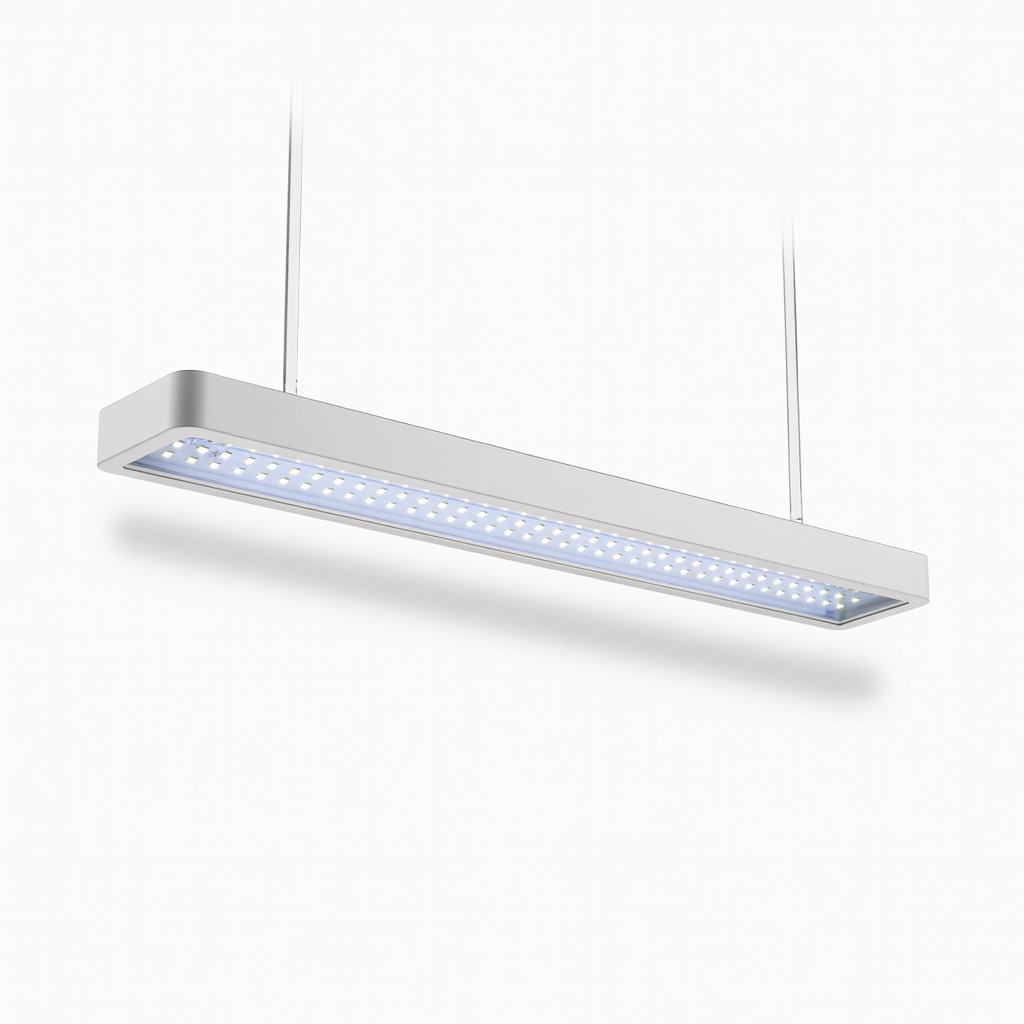
Daily lighting over 10-20g reef.
NICREW ClassicLED Marine Aquarium Light Full spectrum blues/reds for coral fluorescence, dimmable, budget-friendly.
Saltwater mixing and water changes.
Instant Ocean Reef Crystals Salt Mix Reef-specific trace elements for coral health, mixes easily.
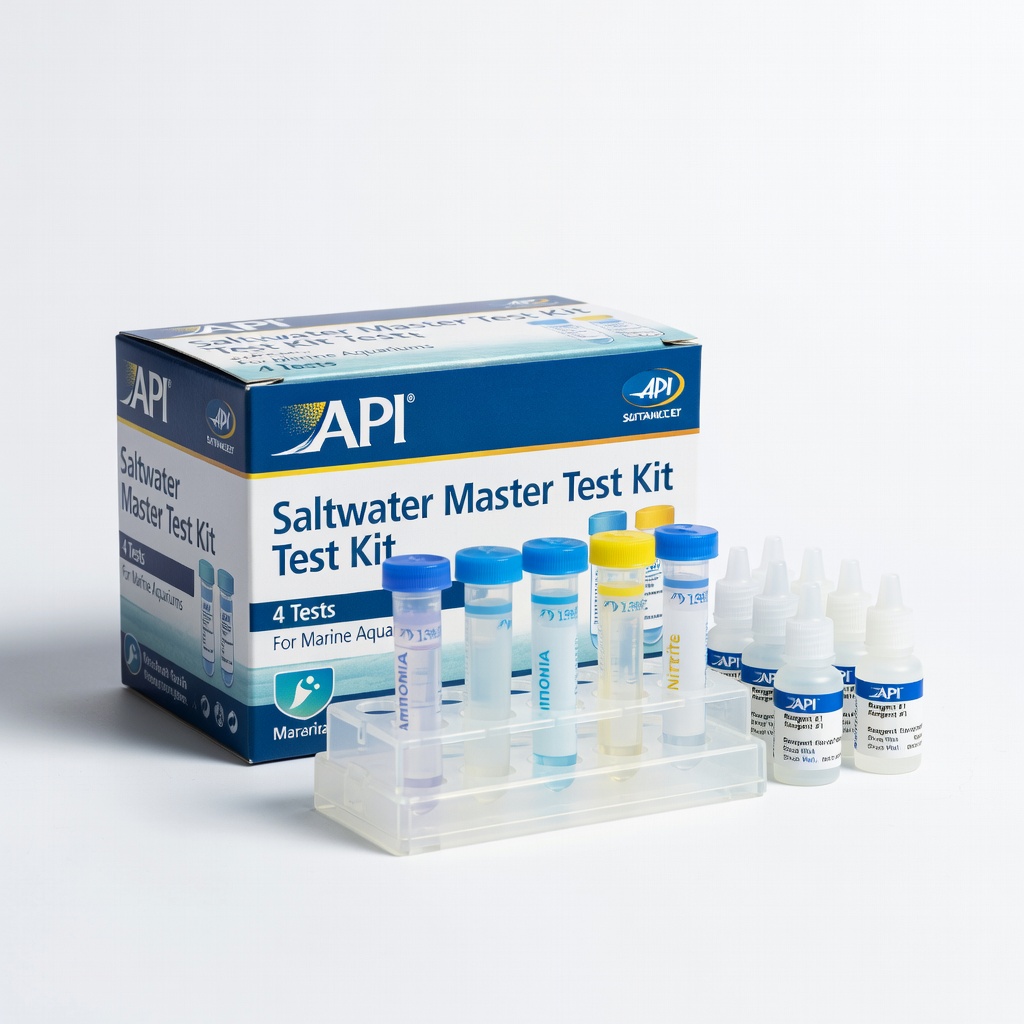
Daily/weekly parameter checks.
API Saltwater Master Test Kit Accurate for pH, ammonia, nitrite, nitrate—essential monitoring.
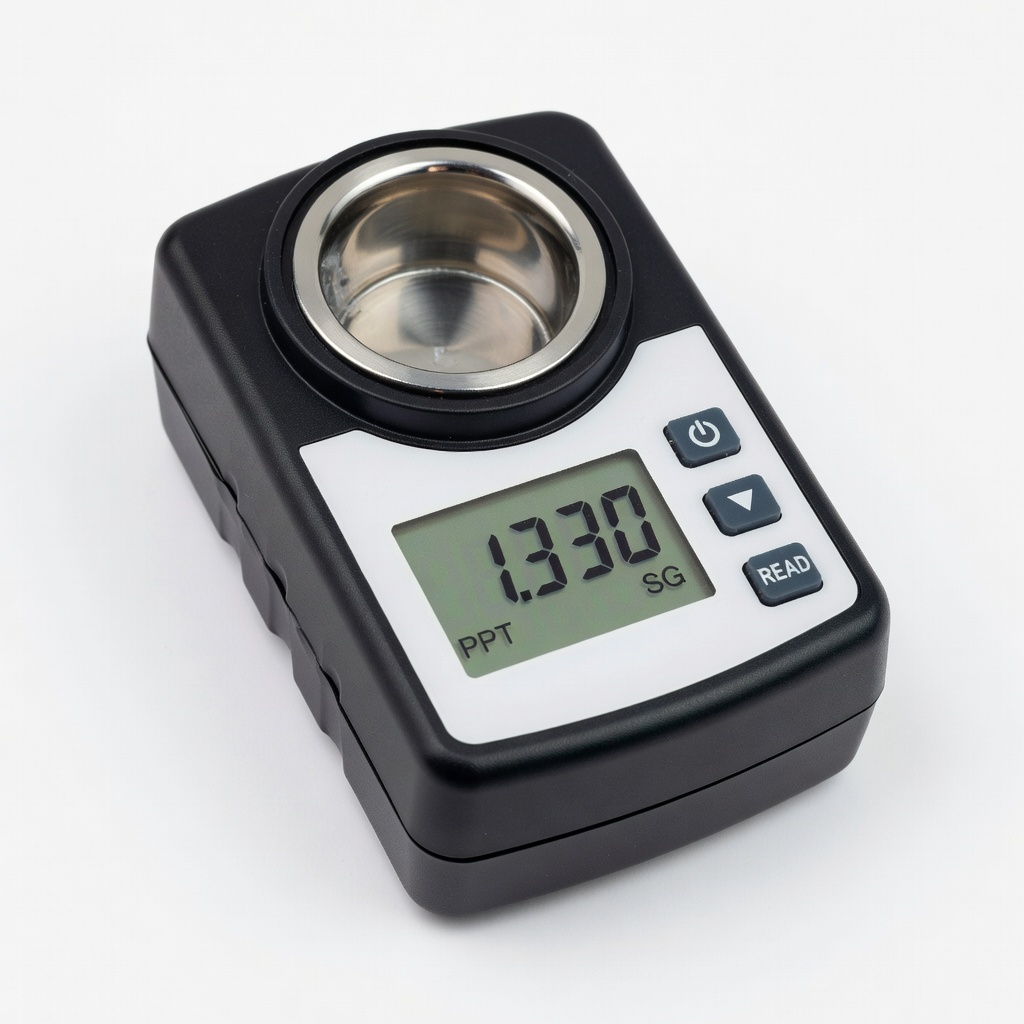
Accurate SG measurement.
Milwaukee Instruments MA887 Digital Refractometer Precise salinity readings vs cheap hydrometers.