Struggling with rising diesel costs and suboptimal fuel economy? You're not alone—many diesel truck owners, fleet managers, and RV enthusiasts lose 10-20% efficiency due to poor fuel quality or injector buildup. The right additives can reclaim that lost power, but choosing wrong ones leads to wasted cash or engine damage.
In this guide, you'll learn a step-by-step process to evaluate and select additives tailored to your diesel engine's needs. We'll cover types, ingredients, compatibility, and testing—empowering you to boost MPG by up to 5-10% safely. Expect 30-45 minutes to research and decide; intermediate knowledge of diesel basics assumed.
By the end, you'll confidently pick additives that deliver real efficiency gains, backed by science and user data.
▸What You'll Need
- •Your vehicle's owner manual (for fuel specs and engine type)
- •Current diesel fuel details (ULSD or off-road, sulfur content)
- •Access to online reviews (Amazon, forums like DieselForum or TDIClub)
- •Optional: Fuel test kit (e.g., cetane tester or water detection strips)
- •Calculator for cost-per-gallon analysis
Estimated Time: 30-45 minutes
Difficulty: intermediate
▸Step-by-Step Instructions
Step 1: Assess Your Engine's Specific Needs
Start by identifying why you need an additive. Common diesel efficiency killers include injector deposits, low cetane, water contamination, or poor lubricity in ultra-low sulfur diesel (ULSD).
Review your manual for engine type (e.g., Cummins, Duramax, Powerstroke) and usage (daily driver vs. heavy towing). Track current MPG via odometer and fuel logs for baseline. High-mileage engines (>100k miles) often need cleaners; cold climates demand anti-gel.
This step ensures targeted selection—generic additives won't fix root issues.
💡 Tips:
- •Log MPG over 500 miles for accurate baseline.
- •Note symptoms: rough idle, smoke, or power loss.
⚠️ Warnings:
- •Ignore symptoms at your peril—untreated issues lead to $1,000+ repairs.
Step 2: Understand Key Types of Diesel Additives
Diesel additives fall into categories: cetane boosters (improve ignition, +2-5 MPG), cleaners (remove deposits), lubricity enhancers (protect pumps/injectors), anti-gel/winterizers, and all-in-one formulas.
For efficiency, prioritize cetane boosters and cleaners—studies from ASTM show 1-3% MPG gains. Avoid 'miracle' fuels promising 50% boosts; they're scams.
Match type to need: towing? Lubricity. City driving? Cleaners.
💡 Tips:
- •Multi-function additives save money if needs overlap.
Step 3: Evaluate Active Ingredients
Scan labels for proven actives: 2-EHN or DTBP for cetane (aim 5-7% concentration), polyether amines (PEA) for cleaning (e.g., 300ppm+), and fatty acid esters for lubricity (HFRR <460 microns).
Top performers like Stanadyne use proprietary blends tested to OEM specs. Check treat rates: 1oz/10gal ideal for ease.
Why it matters: Weak formulas dilute in tank; strong ones deliver measurable dyno-tested gains.
💡 Tips:
- •Use SDS sheets from manufacturer sites for exact chemistry.
⚠️ Warnings:
- •Skip unlisted or 'proprietary' without backing data.
Step 4: Verify Compatibility and Certifications
Ensure additive suits ULSD, biodiesel blends (B20), and your engine (common rail vs. older). Look for API, OEM approvals (e.g., Mack, Volvo), or 50,000+ mile warranties.
Test for interactions: no foaming or separation. EPA registration avoids regulated junk.
Compatibility prevents gelling or corrosion—critical for modern common-rail systems at 30,000+ PSI.
💡 Tips:
- •Cross-reference with fuel supplier specs.
Step 5: Analyze Reviews and Real-World Data
Dive into 100+ Amazon reviews, Reddit (r/Diesel), and forums for your engine. Filter for verified MPG logs, dyno charts, or before/after scans.
Seek 4+ stars with specifics: 'Duramax gained 2.5 MPG highway.' Ignore hype.
Data trumps claims—independent tests (e.g., SAE papers) confirm top picks.
💡 Tips:
- •Sort reviews by 'most recent' for formulation changes.
Step 6: Calculate Cost per Treated Gallon
Compare price vs. treat rate: $20 bottle treating 300gal = $0.07/gal. Factor MPG gain: 2% boost on $4/gal diesel saves $0.08/gal.
ROI in 1-2 tanks for winners.
Budget options under $0.10/gal outperform premiums if effective.
💡 Tips:
- •Use online calculators from additive sites.
Step 7: Test and Monitor Results
Buy pint-size for trial: add per instructions, log MPG/emissions over 1,000 miles. Use OBD scanner for injector balance.
No gain? Switch. Track via app like Fuelly.
Proof is in data—adjust seasonally.
⚠️ Warnings:
- •Overdosing clogs filters.
▸Pro Tips
- •Buy in bulk for fleets to drop cost/gal by 30%.
- •Combine additives sparingly (e.g., cleaner + winterizer).
- •Store sealed in cool dark place—shelf life 2 years.
- •Pair with fuel filter changes for 20% better results.
- •Use during filter swaps to blast deposits loose.
- •Check local diesel quality via apps like GasBuddy.
- •Dyno test pre/post for pros.
▸Common Mistakes to Avoid
- •Choosing by brand hype, not data—wastes $50+ on duds.
- •Overlooking treat rate—under-dosing yields zero gains.
- •Ignoring engine type—mechanical vs. common rail needs differ.
- •Skipping trials—full tanks committed to failures.
- •Using gas additives in diesel—destroys injectors.
▸Troubleshooting
Problem: No MPG improvement after use
Solution: Verify treat rate and run 500+ miles; check for underlying issues like bad injectors. Switch formulas.
Problem: Fuel filter clogs post-additive
Solution: Overdose likely—flush tank, replace filter. Use half-dose next time.
Problem: Gelling in cold weather
Solution: Wrong additive type—switch to anti-gel rated to -20°F or lower.
Problem: Smoke or rough idle
Solution: Incompatibility—drain tank, seek mechanic if persists.
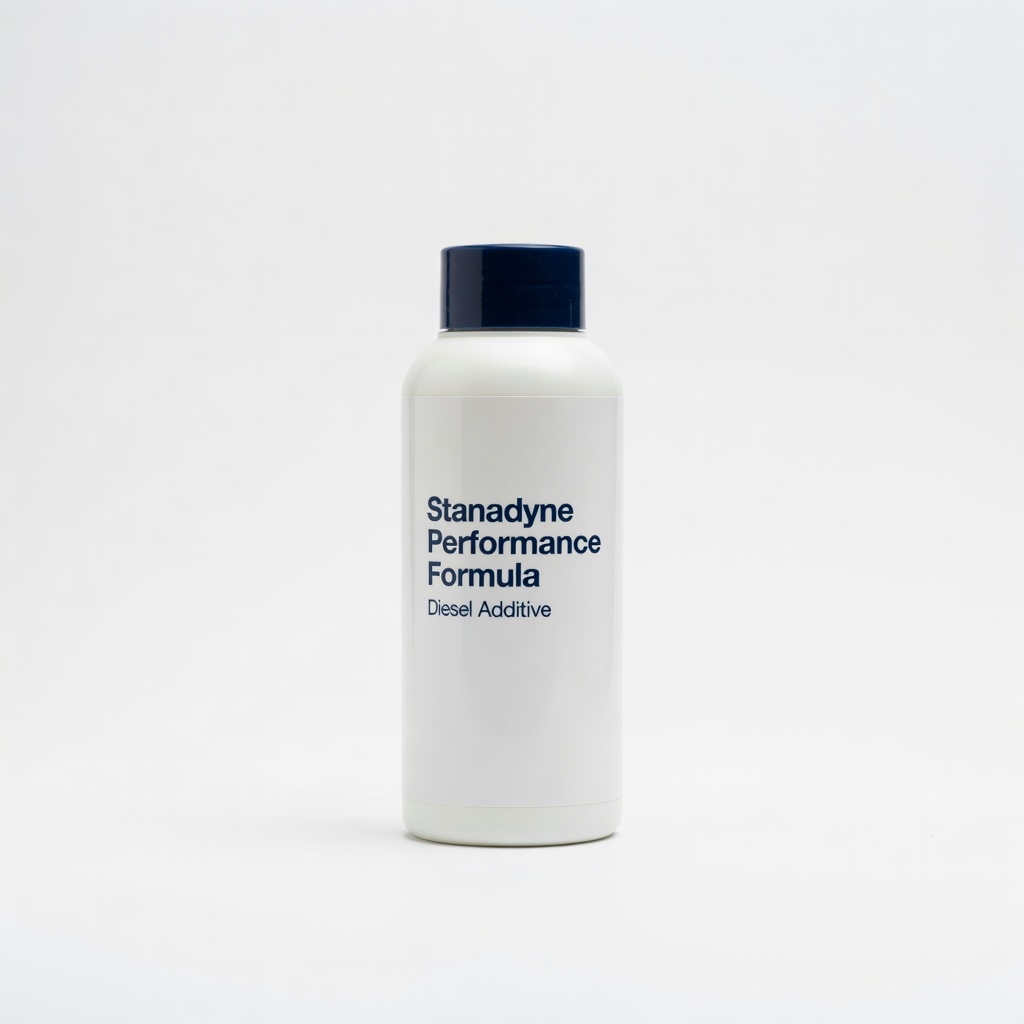
Stanadyne Performance Formula Diesel Additive
OEM-approved with PEA cleaners and cetane boost; lab-tested for 2-4% MPG gains on high-mileage diesels.
Best for: Daily drivers or trucks needing all-season efficiency.
Price Range: $15-20
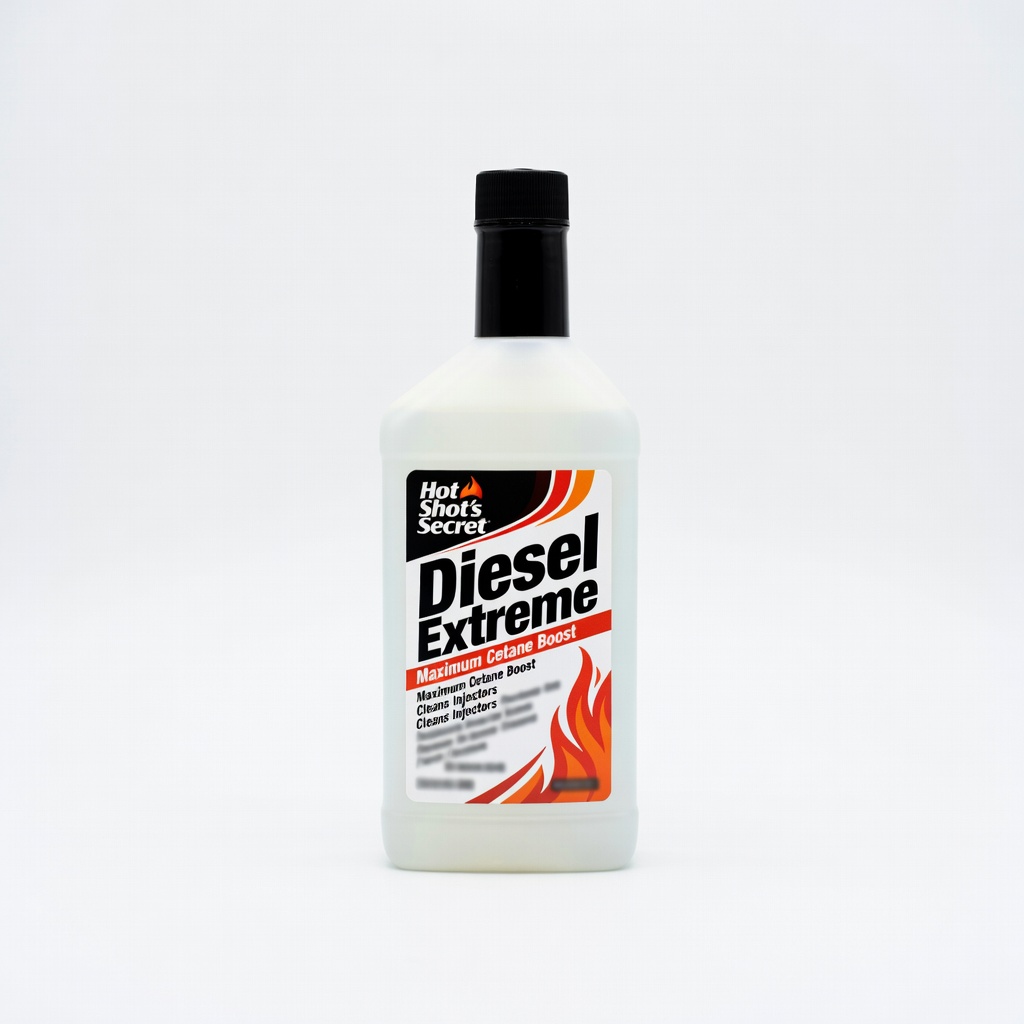
Hot Shot's Secret Diesel Extreme
Ultra-concentrated cleaner dissolves varnish; users report 3-5 MPG on Cummins/Powerstroke.
Best for: Deep clean for neglected injectors every 6 months.
Price Range: $25-30
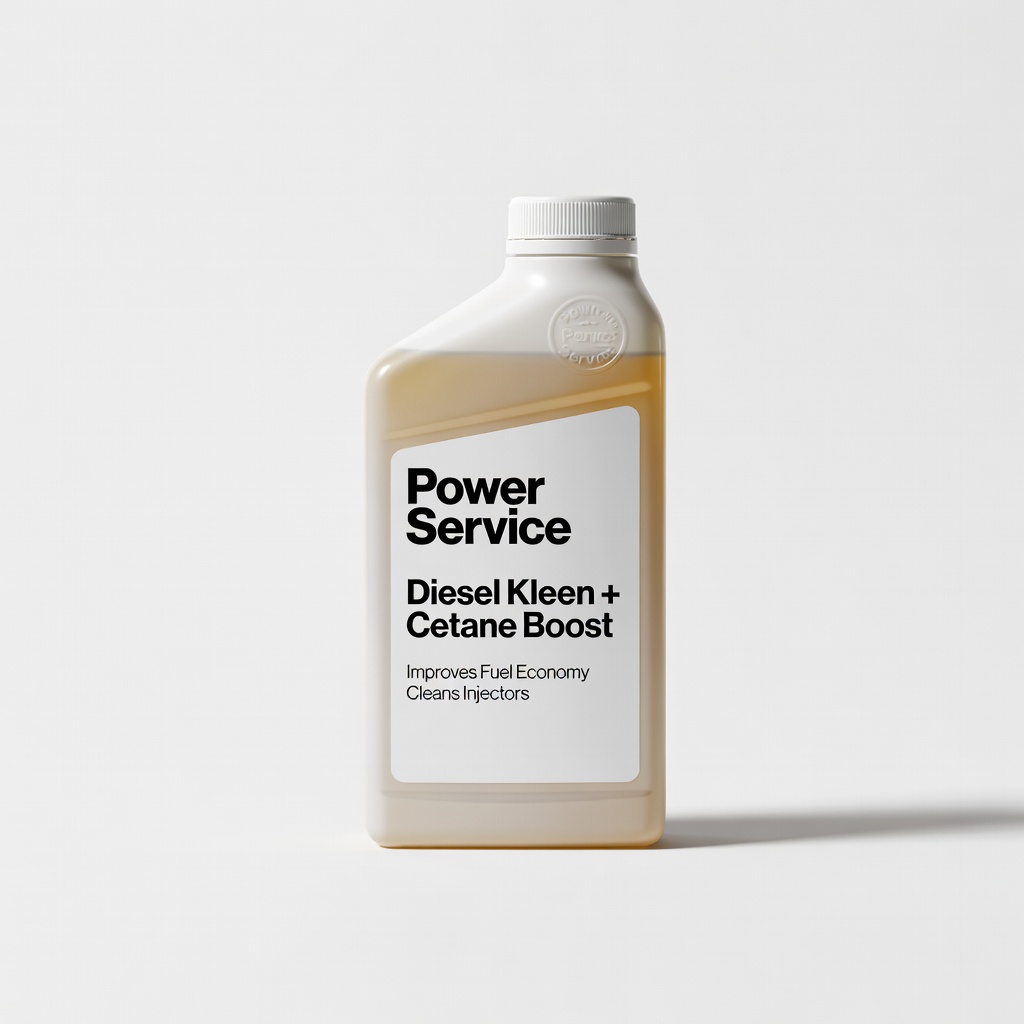
Power Service Diesel Kleen + Cetane Boost
Affordable cetane booster (+6 points) with lubricity; ASTM-tested for ULSD.
Best for: Budget fleets or winter use to prevent dry starts.
Price Range: $8-12
Opti-Lube XPD Multi-Dimensional Diesel Additive
Top lubricity (HFRR 221); extends pump life, subtle MPG gains via smoother combustion.
Best for: High-pressure common-rail engines prone to wear.
Price Range: $30-35
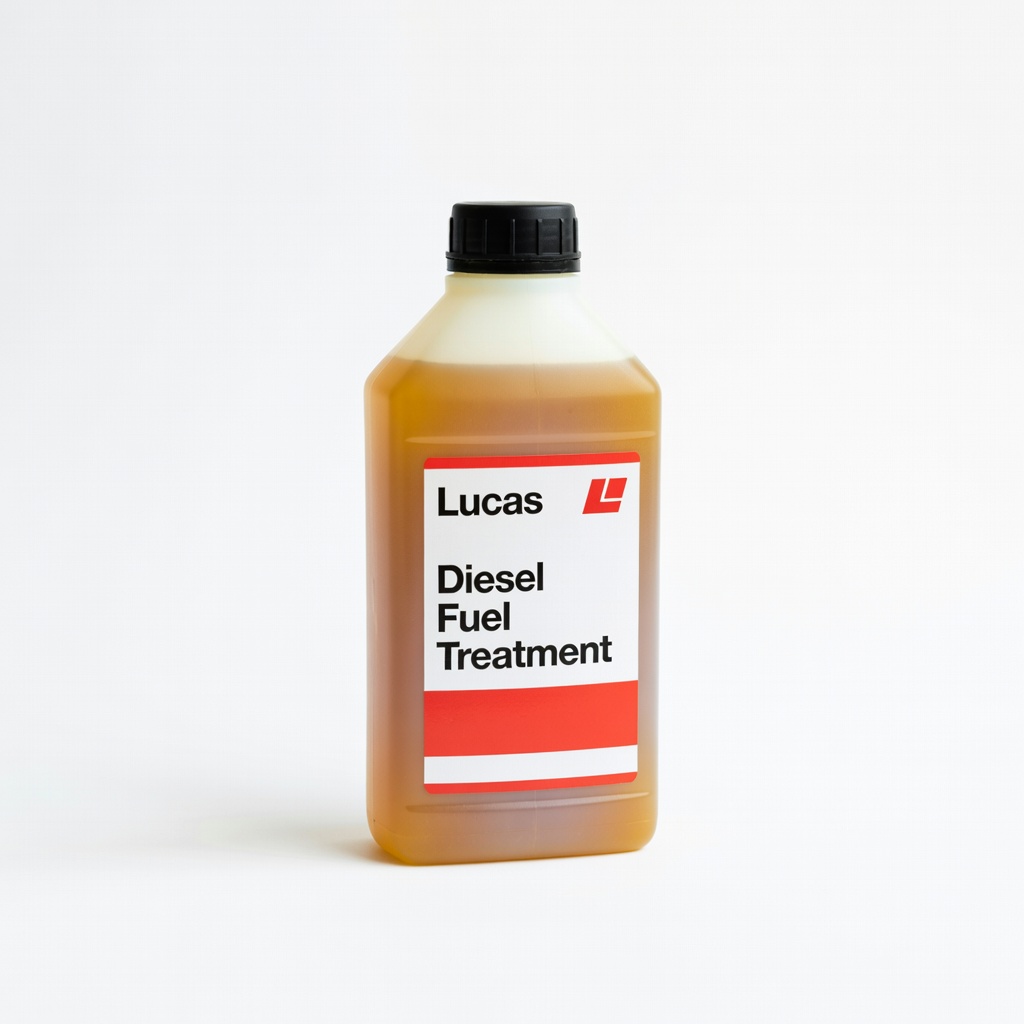
Lucas Diesel Fuel Treatment
Versatile stabilizer cleans/stabilizes; great value for storage or biodiesel mixes.
Best for: RVs or off-road diesels sitting months.
Price Range: $10-15