Choosing the wrong abrasive wheel for metal cutting can lead to frustrating results like jagged edges, excessive vibration, wheel shatter, or even injury. Many DIYers and pros waste time and money on mismatched discs that dull quickly or don't fit their tools. This guide solves that by teaching you exactly how to match wheels to your needs.
You'll learn the key factors—from tool specs to metal types—and follow a proven selection process. By the end, you'll confidently buy wheels that last longer, cut faster, and keep you safe. This intermediate guide takes 20-30 minutes and assumes basic knowledge of power tools like angle grinders.
Expect clear steps with real-world tips, avoiding common pitfalls like ignoring RPM ratings. No more trial-and-error shopping!
▸What You'll Need
- •Angle grinder or cutoff tool manual (required for specs like arbor size and max RPM)
- •Details on metal type, thickness, and cut length (measure with caliper or ruler)
- •Safety gear: gloves, goggles, ear protection (required)
- •Access to online retailer or store for product specs (phone/laptop)
- •Optional: Metal samples for testing
Estimated Time: 20-30 minutes
Difficulty: intermediate
▸Step-by-Step Instructions
Step 1: Identify Your Cutting Tool Specs
Start by checking your power tool's manual or label for key specs: disc diameter (e.g., 4.5 inches), arbor hole size (usually 7/8 inch), and maximum RPM (often 13,300 RPM for 4.5-inch grinders).
Why it matters: Mismatched sizes cause poor fit or dangerous overspeeding, leading to wheel failure. Success looks like noting exact numbers—e.g., '4-1/2" disc, 7/8" arbor, 13,300 RPM max.'
This ensures compatibility from the start.
💡 Tips:
- •Take a photo of the tool label for quick reference while shopping.
⚠️ Warnings:
- •Never exceed the tool's RPM rating—it's a shatter risk.
Step 2: Determine the Metal Type
Identify if you're cutting mild steel, stainless steel, aluminum, or alloys. Check material labels or use a magnet (non-magnetic = stainless/aluminum).
Why it matters: Different abrasives perform best on specific metals—aluminum oxide for steel, zirconia for stainless to prevent clogging. Expect to note: 'Mild steel sheet' or 'Stainless pipe.'
Success: Clear metal classification guides material choice.
💡 Tips:
- •For mixed jobs, prioritize the hardest metal.
Step 3: Assess Material Thickness and Cut Demands
Measure thickness (e.g., 1/8 inch sheet vs. 1/2 inch bar) and cut type (straight, curved, plunge). Thin materials need thinner wheels for less material removal.
Why it matters: Thick metal requires coarser grains and thicker wheels for durability. Success: '1/4-inch steel bar, straight cuts up to 10 feet.'
This prevents wheel wear or binding.
⚠️ Warnings:
- •Thick wheels on thin metal waste material and overheat.
Step 4: Choose the Abrasive Grain Type
Select based on metal: Aluminum Oxide (AO) for ferrous metals; Zirconia Alumina (ZA) for stainless/hard steels; Ceramic for high-performance; Silicon Carbide (SC) for non-ferrous like aluminum.
Why it matters: Wrong grain clogs or dulls fast. Expect faster, cooler cuts with matches. Success: 'ZA for stainless.'
Check product labels for grain type.
💡 Tips:
- •Ceramic grains self-sharpen for 2x life in heavy use.
Step 5: Pick Wheel Thickness and Type
Opt for 0.040-inch thin kerf for fast cuts on sheet metal; 1/16-inch for bars. Type 1 (flat) for saws; Type 27 (depressed center) for grinders.
Why it matters: Thinner = less resistance but fragile; thicker = durable. Success: Smooth, burr-free cuts without vibration.
Match your tool type.
⚠️ Warnings:
- •Don't use cutoff wheels on grinders without guards.
Step 6: Verify Size, Arbor, and RPM Match
Ensure wheel diameter/arbor matches tool; RPM rating >= tool max (e.g., 13,300+ RPM wheel).
Why it matters: Prevents explosions from overspeed. Success: All specs align perfectly.
Double-check packaging.
💡 Tips:
- •Buy packs with mixed sizes for versatility.
Step 7: Check Bond Type and Grain Size
Resinoid bonds for high-speed metal cutting; 46-60 grit for general use (coarser for heavy stock removal).
Why it matters: Resinoid handles heat/vibration. Success: Clean cuts without burning metal.
Finer grit for finishing.
Step 8: Confirm Safety Certifications and Brand
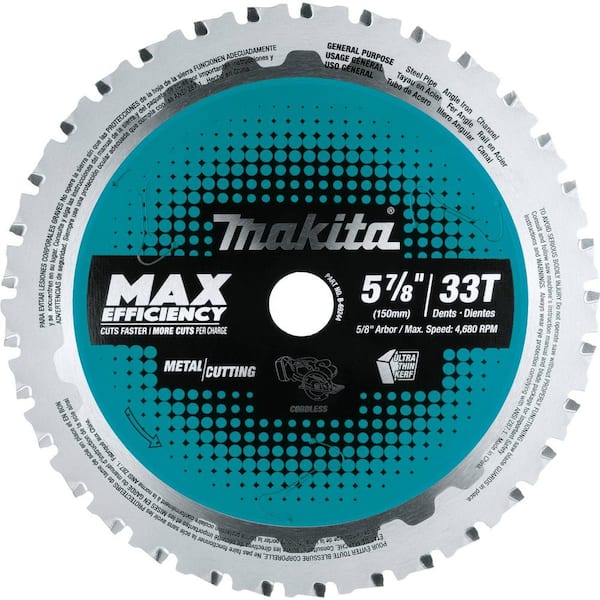
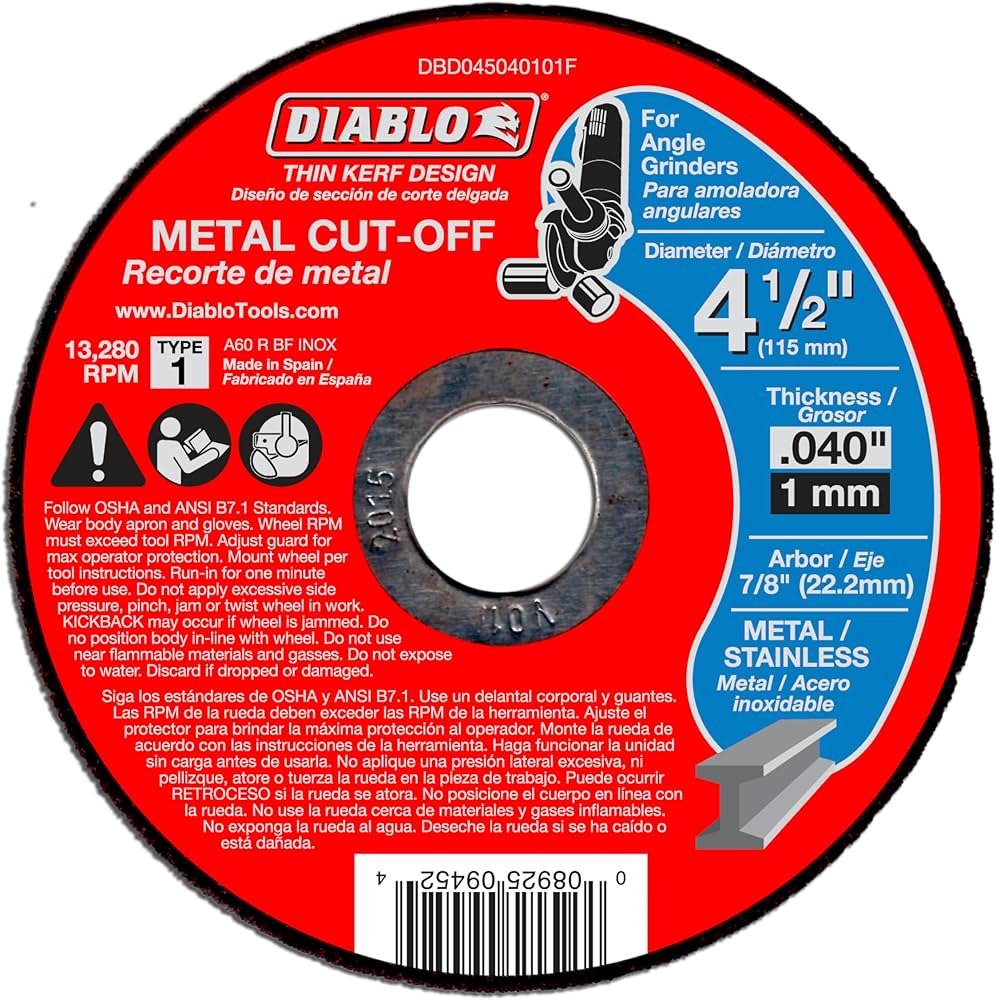
Look for ANSI B7.1, EN 12413, or OSA stamps. Choose reputable brands like 3M, Makita, or Diablo.
Why it matters: Certified wheels meet shatter tests. Success: High-rated product (4.5+ stars).
Read reviews for real performance.
💡 Tips:
- •Buy from trusted sellers to avoid counterfeits.
⚠️ Warnings:
- •Cracked or expired wheels (check date code) are unsafe.
▸Pro Tips
- •Always buy 10-25 packs for cost savings—$0.50/wheel vs. singles.
- •Store wheels in dry, original packaging to prevent moisture damage.
- •Mark wheels by type with tape for quick toolbox access.
- •Test a single wheel first on scrap to confirm performance.
- •Pair with a variable-speed grinder for better control on sensitive metals.
- •Upgrade to premium grains for 30-50% longer life in production work.
- •Use a wheel gauge tool ($10) to check wear before each use.
▸Common Mistakes to Avoid
- •Ignoring RPM ratings: Causes wheel burst—always verify tool < wheel RPM.
- •Using steel wheels on aluminum: Clogs and sparks fire risk—switch to SC grain.
- •Overlooking arbor size: Leads to wobble/vibration—measure precisely.
- •Choosing thick wheels for thin sheets: Slow cuts and material waste—go thin kerf.
- •Skipping safety certs: Cheap imports fail under load—stick to ANSI/OSHA approved.
▸Troubleshooting
Problem: Wheel doesn't fit arbor
Solution: Confirm 7/8-inch hole; use reducers if needed but avoid for safety.
Problem: Wheel dulls too fast
Solution: Wrong grain for metal—switch to zirconia/ceramic; reduce pressure.
Problem: Vibration or wobble
Solution: Check for damage/cracks; ensure tight flanges and correct RPM.
Problem: Burning or blue sparks on stainless
Solution: Use INOX-rated wheel; cut intermittently to cool.
Makita A-93681 4-1/2-Inch by 7/8-Inch Metal Cut-Off Wheel, 50-Pack
Durable aluminum oxide for general steel cutting, high RPM rating, and ANSI certified for safety.
Best for: High-volume mild steel fabrication or DIY projects.
Price Range: $40-$50
Diablo D0508DH 4.5" x .040" High Performance Metal Cut-Off Wheel (10-Pack)
Zirconia grain cuts stainless 5x faster with less burrs; thin kerf reduces effort.
Best for: Stainless steel pipes/sheets where heat control is key.
Price Range: $20-$25
Forney 71813 4-1/2-Inch x .040-Inch Cut-Off Wheel, 25-Pack
Budget-friendly AO wheel with solid performance for ferrous metals; great value.
Best for: Occasional home use on steel bars/sheets.
Price Range: $12-$15
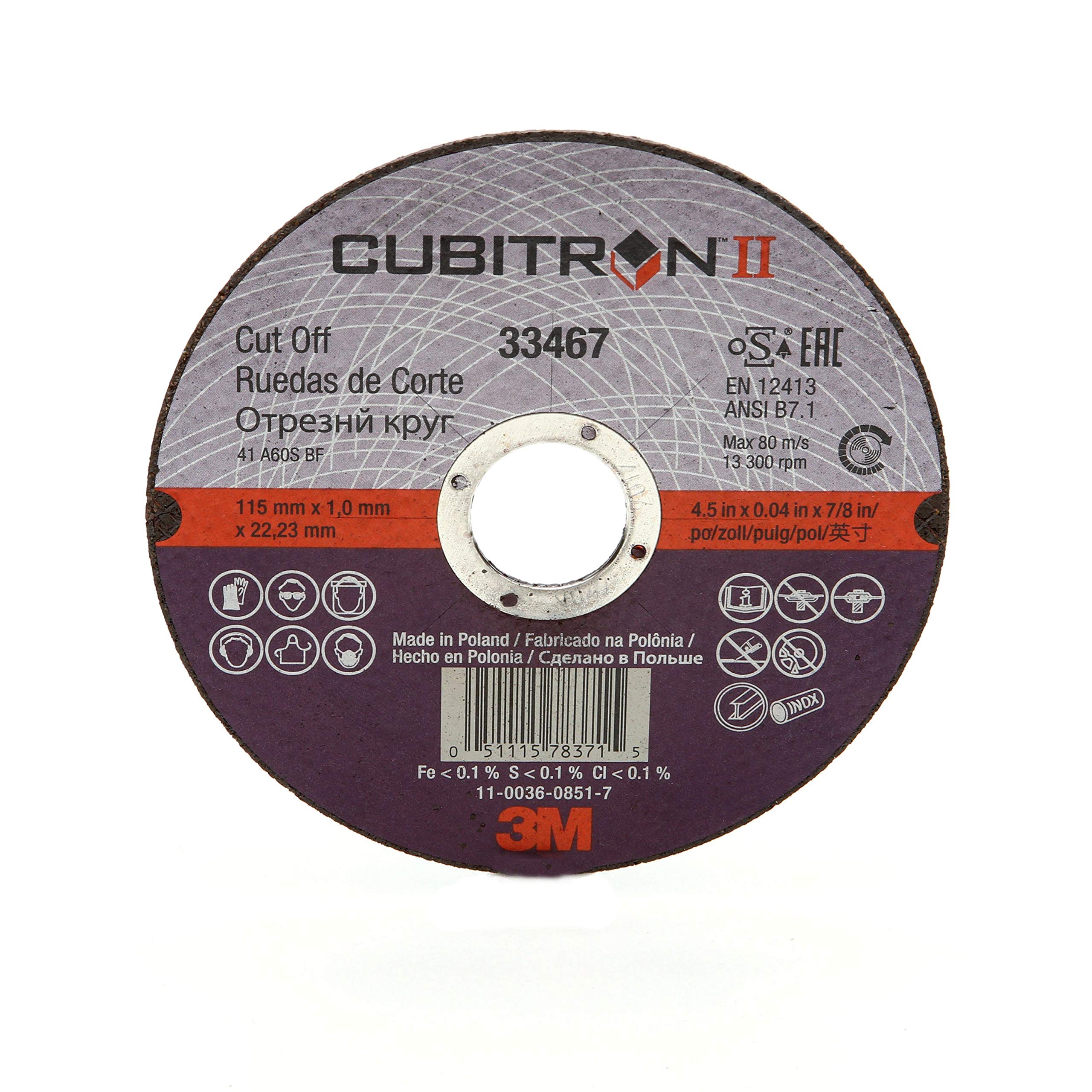
3M Cubitron II 984F Cut-Off Wheel 4-1/2" x 7/8"
Precision-shaped ceramic grains for longest life (up to 4x others) and cool cuts.
Best for: Professional heavy-duty cutting on alloy steels.
Price Range: $25-$35 per pack
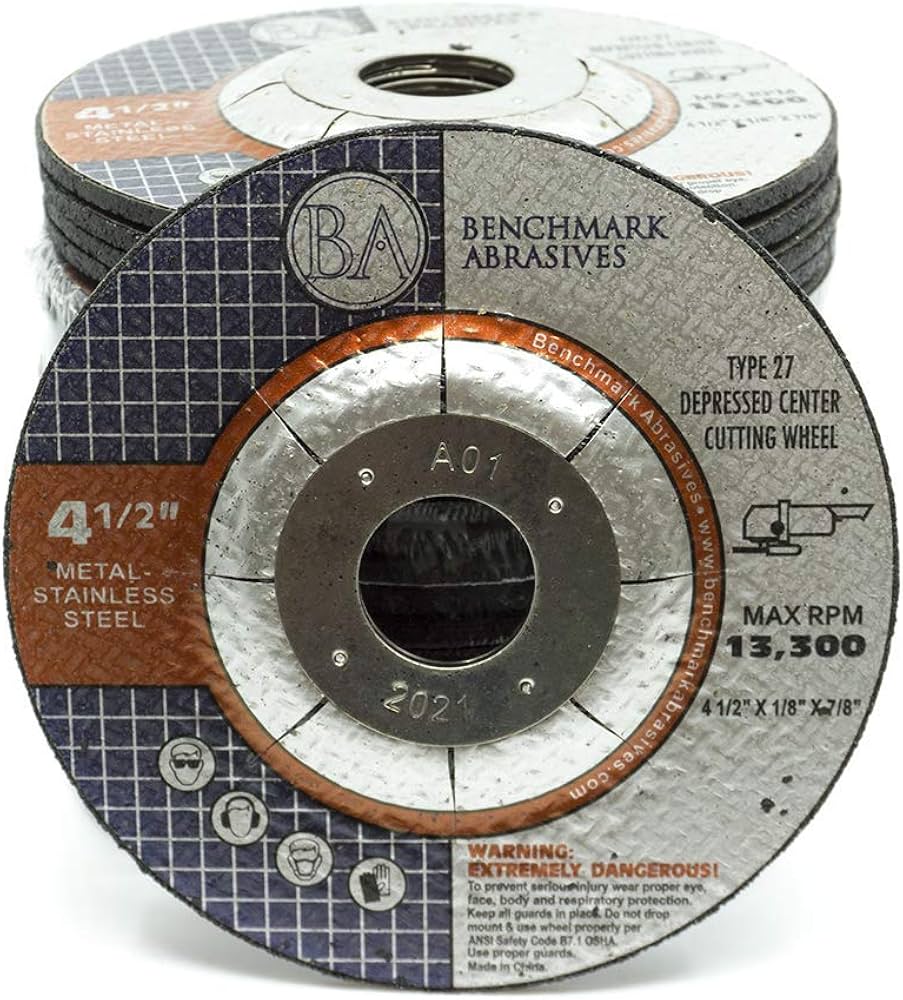
Benchmark Abrasives Silicon Carbide Cut-Off Wheels 4.5" (10-Pack)
Ideal for non-ferrous like aluminum; prevents loading with SC grain.
Best for: Aluminum extrusions or non-ferrous alloys.
Price Range: $18-$22