
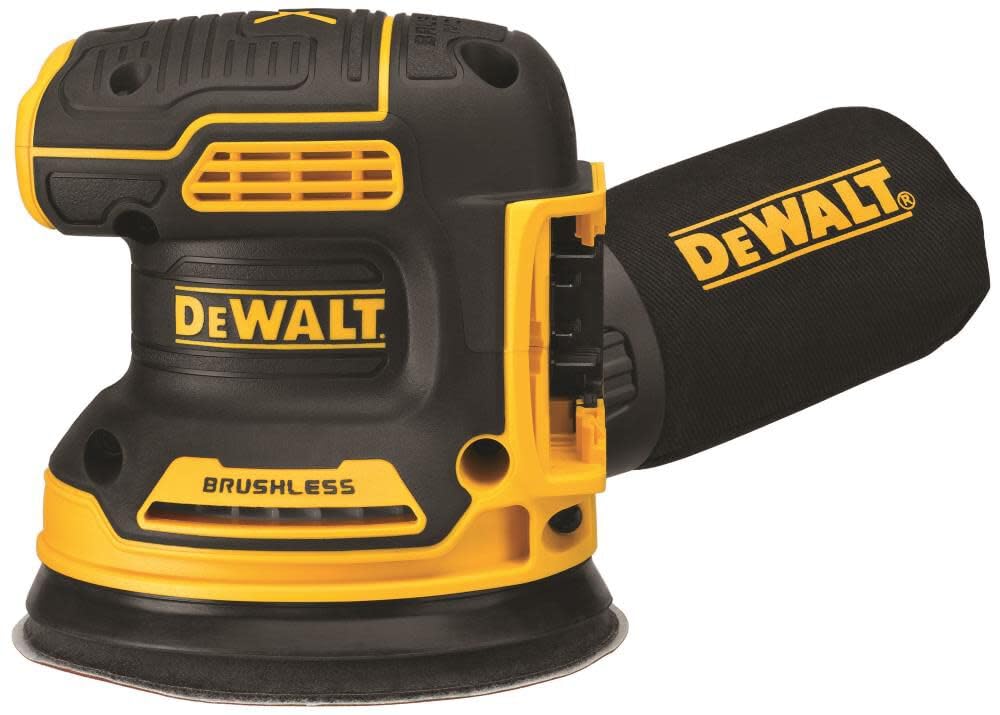
DeWalt 20V MAX XR Random Orbital Sander (DCW210B)
Power sanding large flat areas efficiently.
$99-$120
DeWalt 20V MAX XR Random Orbital Sander (DCW210B) Variable speed prevents swirls/burns; dust collection port for safety.
Get the App
Better experience on mobile
Learn step-by-step techniques to sand wood smoothly and safely, avoiding damage for a pro finish in under 2 hours.
Sanding wood with abrasives is essential for a flawless finish, but one wrong move—like using too much pressure or the wrong grit—can gouge your project or cause injury from flying debris. Intermediate woodworkers often struggle with swirl marks, uneven surfaces, or dust inhalation, leading to frustrating redo's.
In this guide, you'll master safe abrasive use on wood, from selecting grits to power sanding techniques. Expect clear steps that build progressively, resulting in buttery-smooth wood ready for staining or sealing. Perfect for furniture, cabinets, or trim projects.
Total time: 1-2 hours for a small-to-medium workpiece. Difficulty: intermediate, assuming basic tool familiarity.
Estimated Time: 1-2 hours (depending on workpiece size) Difficulty: intermediate
Start by setting up a well-ventilated area, ideally outdoors or with a dust collector. Cover nearby surfaces with drop cloths to contain dust. Don all safety gear: respirator (filters fine wood particles), glasses, gloves, and ear protection if using power tools.
Why it matters: Wood dust is hazardous to lungs and eyes; poor prep leads to health risks and mess. Success looks like a clean, protected space ready for action—no exposed skin or surfaces.
💡 Tips:
⚠️ Warnings:
Choose abrasives based on wood type and condition. For rough lumber, start with 80-120 grit; softer woods like pine need finer starts (150 grit). Use aluminum oxide or zirconia for durability on power tools; garnet for hand sanding.
Match discs/sheets to your sander (e.g., 5-inch for orbital). Success: abrasives suited to your project—no tearing on resinous woods.
💡 Tips:
⚠️ Warnings:
Examine your wood for defects: fill cracks with wood filler, remove loose knots, and plane high spots. Lightly scuff if previously finished.
Why: Uneven starts create waves. Wipe clean. Expect a stable, defect-free surface ready for sanding.
💡 Tips:
Begin with coarsest grit needed to level. For power: light pressure, move with grain at 1000-1500 RPM. Hand: long, even strokes. Sand until flat—no ridges.
Progress every 10-15 sq ft. Success: surface feels uniformly rough but level.
💡 Tips:
⚠️ Warnings:
Remove coarse scratches: same technique, but lighter passes. Vacuum dust between grits.
Why: Builds smoothness. Expect scratches to vanish, surface tactilely smoother.
💡 Tips:
Final pass for polish: ultra-light pressure, short strokes. For hardwoods, go to 400 grit.
Success: wood feels glassy smooth to fingertips—no visible scratches under light.
💡 Tips:
⚠️ Warnings:
Vacuum, then wipe with tack cloth. Repeat per grit.
Why: Residual grit causes deep scratches. Final clean preps for finish.
💡 Tips:
Graze light across surface; feel for highs/lows. Resand spots as needed.
Success: flawless, ready-to-finish wood.
💡 Tips:
Vacuum everything, dispose dust properly (combustible). Store gear.
⚠️ Warnings:
Problem: Swirl marks from orbital sander
Solution: Use anti-swirl backing pad or lighter pressure; resand with finer grit by hand.
Problem: Burn marks or shiny spots
Solution: Stop immediately; resand coarser grit over area with fresh abrasive.
Problem: Uneven surface or waves
Solution: Check tool flatness; use sanding board and straightedge; plane first if severe.
Problem: Excess dust inhalation
Solution: Upgrade to powered respirator; improve ventilation.
Variable speed prevents swirls/burns; dust collection port for safety.
Best for: Power sanding large flat areas efficiently.
Price Range: $99-$120
Heavy-duty, clog-resistant for longer life and consistent cuts.
Best for: Hand or power sanding all grits on any wood.
Price Range: $12-$20
Comfortable seal for fine dust; reusable with replaceable filters.
Best for: All sanding sessions to protect lungs.
Price Range: $25-$35
Anti-fog, wraparound for full protection without bulk.
Best for: Eye shield during dusty sanding.
Price Range: $12-$18
Premium hook-and-loop for flawless finish on orbital sanders.
Best for: Coarse starting grit on power tools.
Price Range: $20-$30
Power sanding large flat areas efficiently.
DeWalt 20V MAX XR Random Orbital Sander (DCW210B) Variable speed prevents swirls/burns; dust collection port for safety.

Hand or power sanding all grits on any wood.
3M Pro Grade Precision Sandpaper Assortment (9A3NA) Heavy-duty, clog-resistant for longer life and consistent cuts.
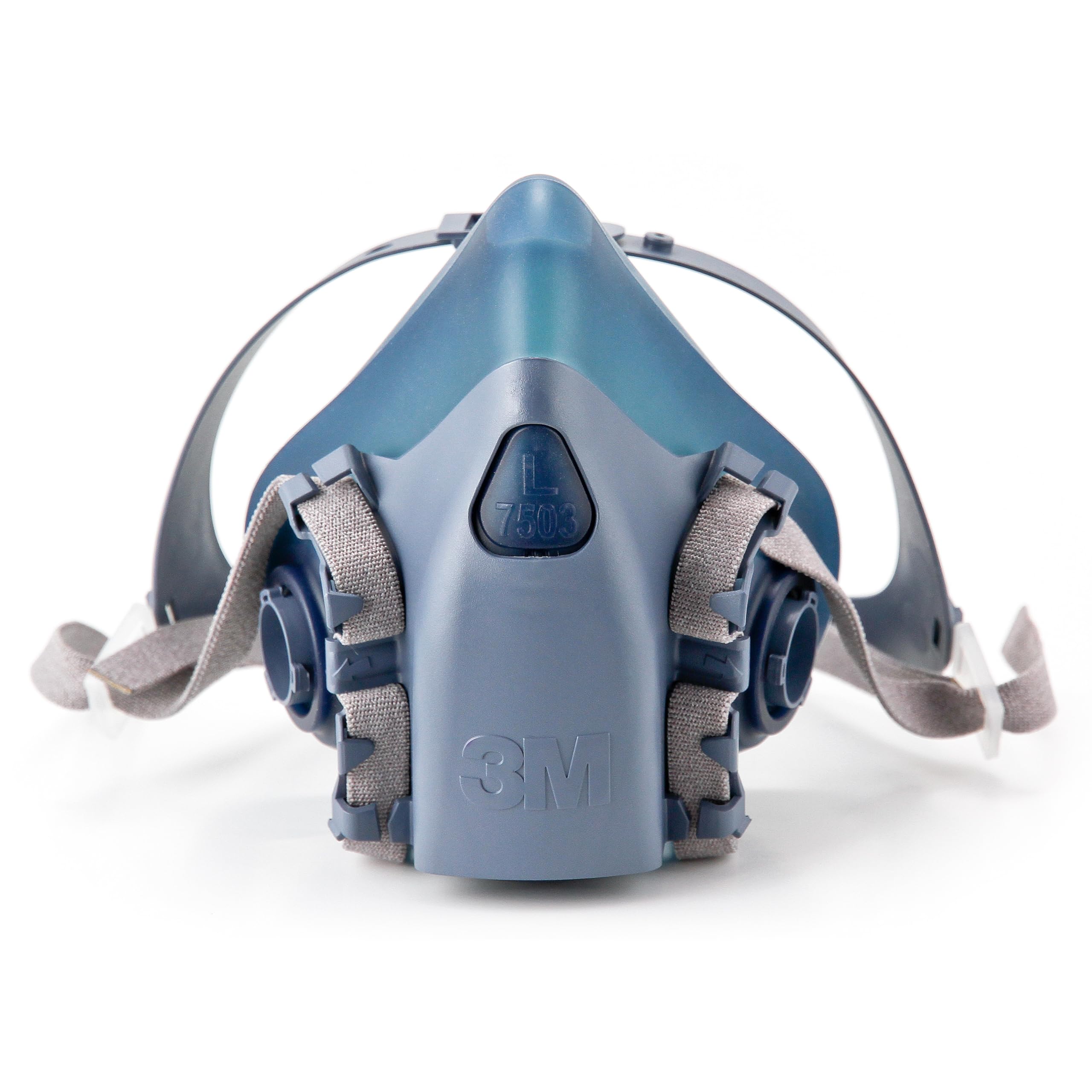
All sanding sessions to protect lungs.
3M 6502QL1A1 Half Facepiece Respirator Comfortable seal for fine dust; reusable with replaceable filters.
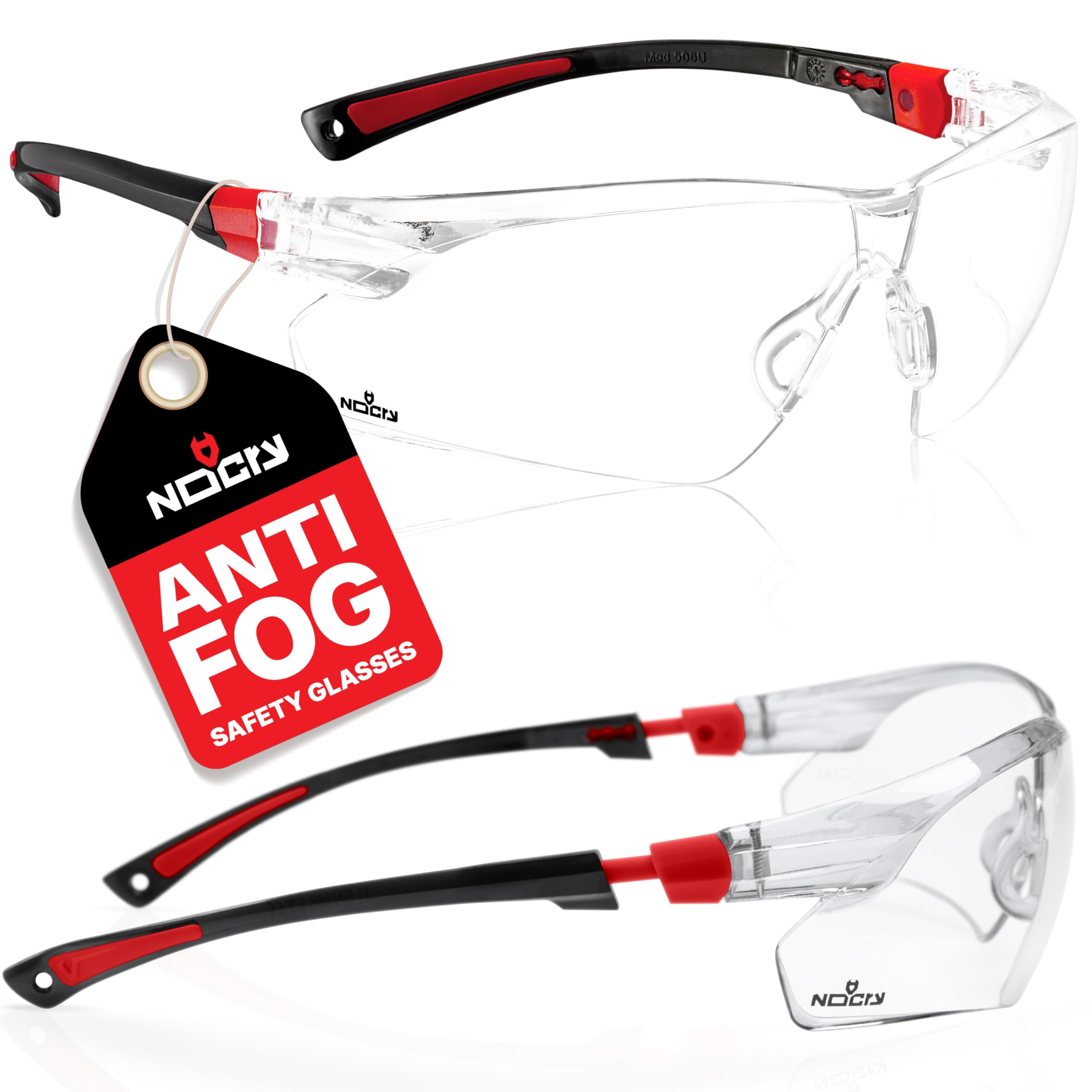
Eye shield during dusty sanding.
NoCry Safety Glasses Anti-fog, wraparound for full protection without bulk.
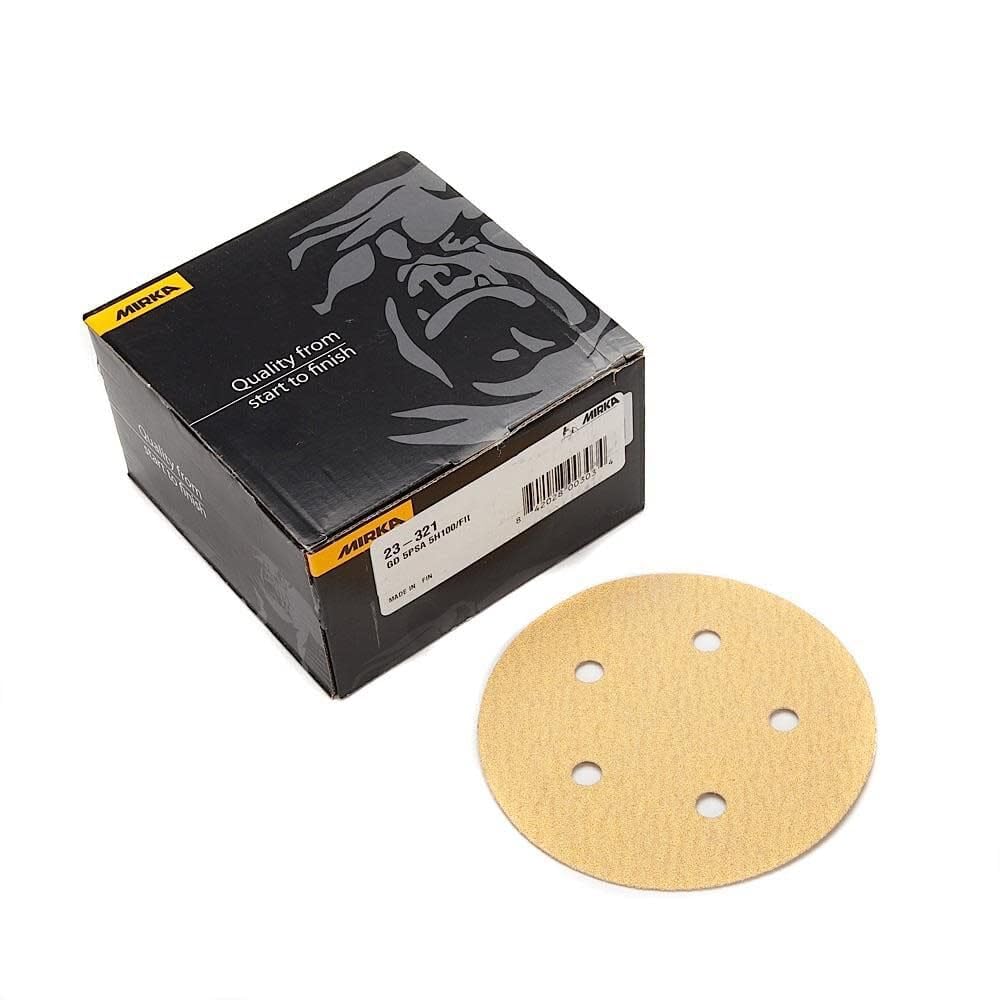
Coarse starting grit on power tools.
Mirka 23-615-120 5-Inch 120 Grit Discs (Pack of 25) Premium hook-and-loop for flawless finish on orbital sanders.