
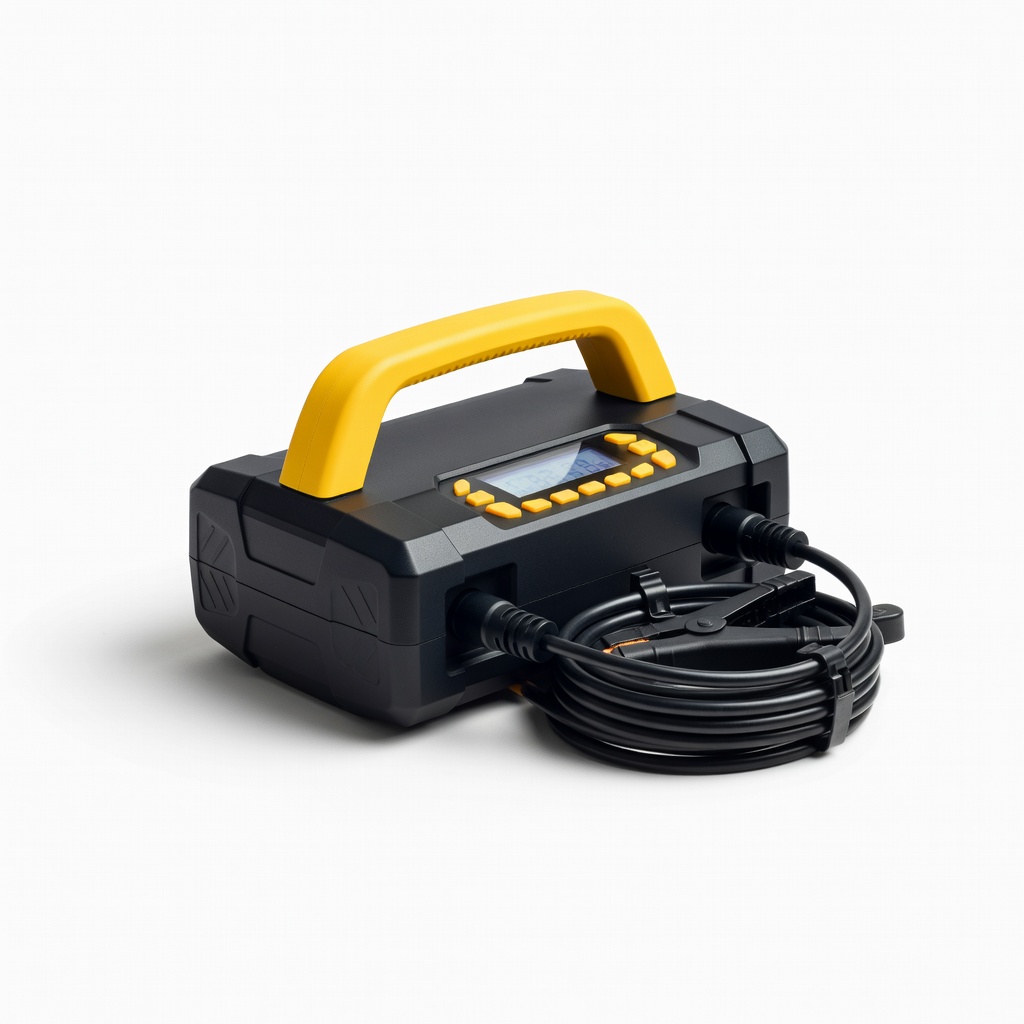
NOCO Boost Plus GB40 1000 Amp 12V Jump Starter
Solo jumps or emergencies without help nearby.
$130-$150
NOCO Boost Plus GB40 1000 Amp 12V Jump Starter Portable lithium jump starter—no donor car needed, safer for beginners, holds charge for months.
Get the App
Better experience on mobile
Master the step-by-step process to revive your dead car battery safely in minutes, avoiding damage or injury.
Imagine being stranded in a parking lot or on the roadside with a dead battery—no one wants that frustration. A dead 12V car battery is common, especially in cold weather or after leaving lights on. This guide teaches beginners how to jump start it safely using jumper cables and a donor vehicle.
You'll learn the exact sequence to connect cables, start the engine, and disconnect everything without sparks, explosions, or electrical damage. The process takes just 10-20 minutes and requires no special tools beyond basic jumper cables. Follow these steps precisely for success.
By the end, your car will be running, and you'll know how to prevent future issues. Always prioritize safety—wear gloves and eye protection.
Estimated Time: 10-20 minutes Difficulty: beginner
Park both vehicles close but not touching—ensure they're in neutral/park with parking brakes on. Turn off engines, lights, and accessories on both cars. Inspect batteries for damage, leaks, or corrosion. Clean terminals if needed using a brush.
Why it matters: Prevents short circuits or shocks. Success: Vehicles secure, batteries visible and clean.
💡 Tips:
⚠️ Warnings:
Locate the positive (+) terminal (red cover or marked +) and negative (-) terminal (black or marked -) on both batteries. Positive is usually larger.
Expect: Clear markings. Why: Wrong connection causes sparks or damage.
💡 Tips:
⚠️ Warnings:
Clamp the red (positive) jumper cable securely to the positive (+) terminal of the dead battery.
Success: Firm clamp, no loose fit. This starts the positive flow safely.
Attach the other end of the red cable to the donor battery's positive (+) terminal.
Why: Completes positive circuit. Expect a secure connection.
Clamp one black (negative) cable to the donor battery's negative (-) terminal.
Success: Tight clamp.
Attach the final black clamp to an unpainted metal surface on the dead car's engine block or frame—away from battery and fuel lines.
Why: Grounds safely, avoiding hydrogen gas explosion near battery. Success: No sparks.
⚠️ Warnings:
Start the donor car and let it idle for 2-5 minutes. Rev gently to 2000 RPM if needed.
Why: Charges the dead battery. Success: Donor running smoothly.
💡 Tips:
Try starting the dead car. If it doesn't crank after 30 seconds, wait 1-2 minutes and retry.
Success: Engine turns over and starts. Drive immediately to charge.
With both engines running: Remove black from ground, black from donor negative, red from donor positive, red from dead positive.
Why reverse: Prevents arcing. Success: Cables off, both cars running.
⚠️ Warnings:
Drive the revived car for 20-30 minutes at highway speeds to recharge. Get battery tested soon.
Success: No stalling, alternator light off.
💡 Tips:
Problem: Dead car won't start after 5 minutes
Solution: Check connections, let donor idle longer, or donor battery weak—use thicker cables or charger. Test batteries.
Problem: Sparks when connecting
Solution: Ensure engines off, clean terminals. Stop if excessive—seek pro.
Problem: Car starts but dies after disconnect
Solution: Alternator issue or bad battery—drive to auto parts store for free test.
Problem: Smell of burning or smoke
Solution: Disconnect immediately, check for shorts. Do not restart—call tow.
Portable lithium jump starter—no donor car needed, safer for beginners, holds charge for months.
Best for: Solo jumps or emergencies without help nearby.
Price Range: $130-$150
Heavy-duty with thick gauge for reliable power transfer, long length for easy positioning, includes carry bag.
Best for: Standard two-car jumps on sedans/SUVs.
Price Range: $25-$35
Quickly checks battery/alternator health before/after jump—prevents repeat failures.
Best for: Diagnose if battery needs replacement.
Price Range: $20-$30
2,000A peak power plus USB ports for phone charging—versatile roadside tool.
Best for: Larger vehicles or with added convenience.
Price Range: $120-$140
Solo jumps or emergencies without help nearby.
NOCO Boost Plus GB40 1000 Amp 12V Jump Starter Portable lithium jump starter—no donor car needed, safer for beginners, holds charge for months.
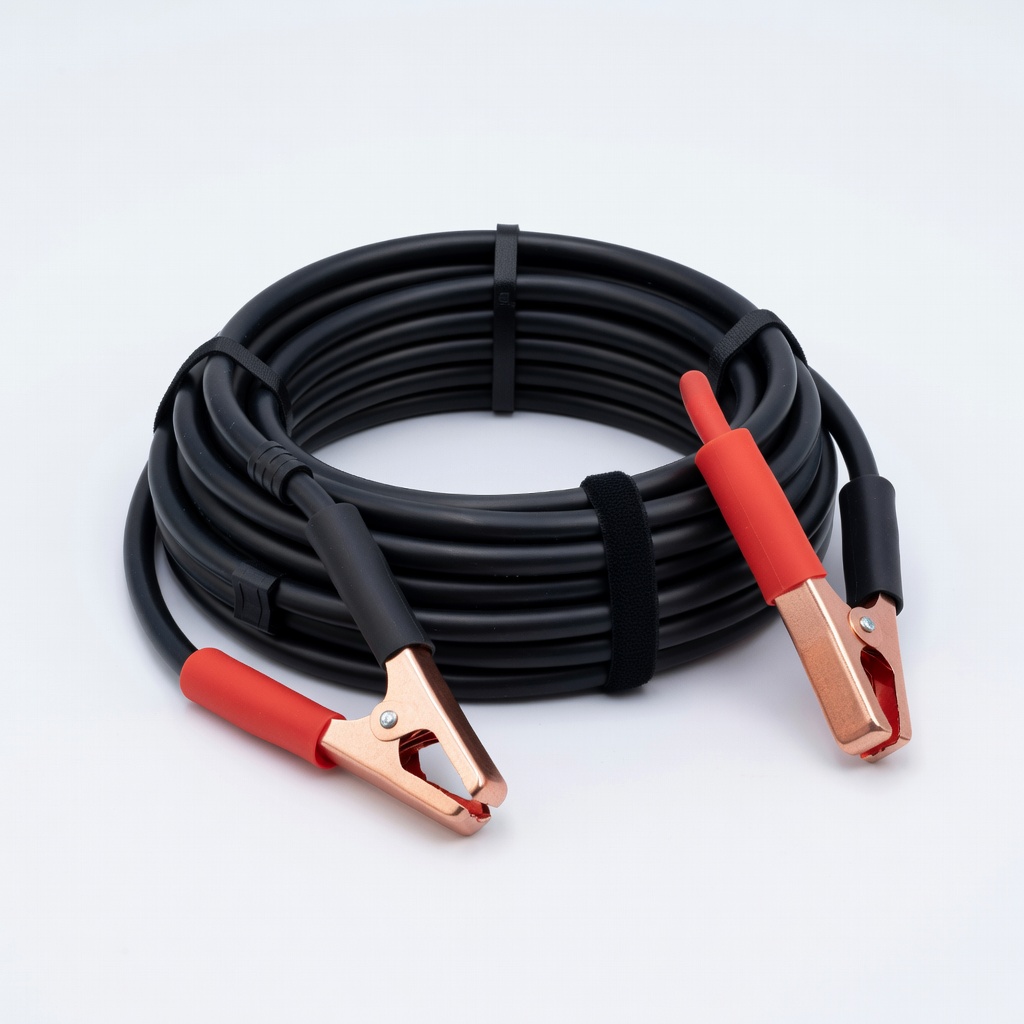
Standard two-car jumps on sedans/SUVs.
TOPDC 4 Gauge 20Ft Jumper Cables Heavy-duty with thick gauge for reliable power transfer, long length for easy positioning, includes carry bag.
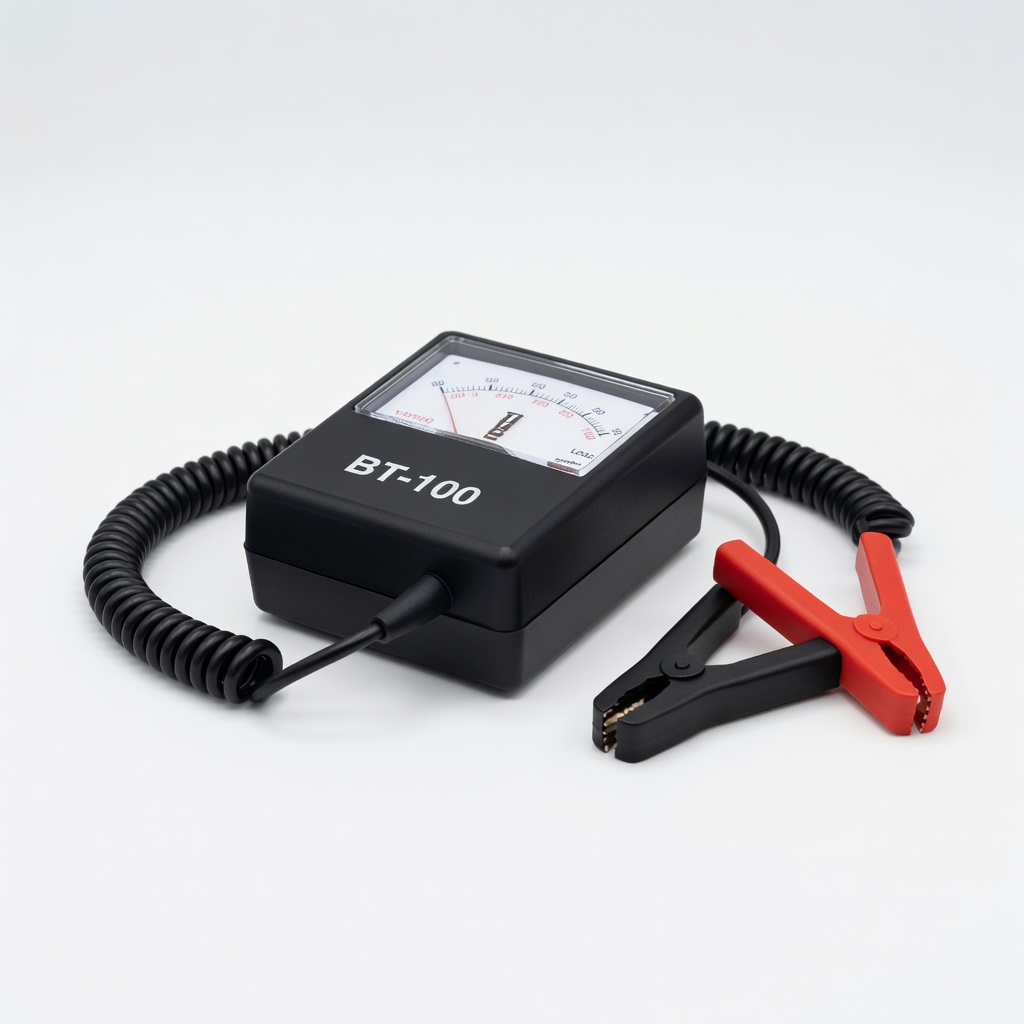
Diagnose if battery needs replacement.
Schumacher BT-100 Battery Tester Quickly checks battery/alternator health before/after jump—prevents repeat failures.
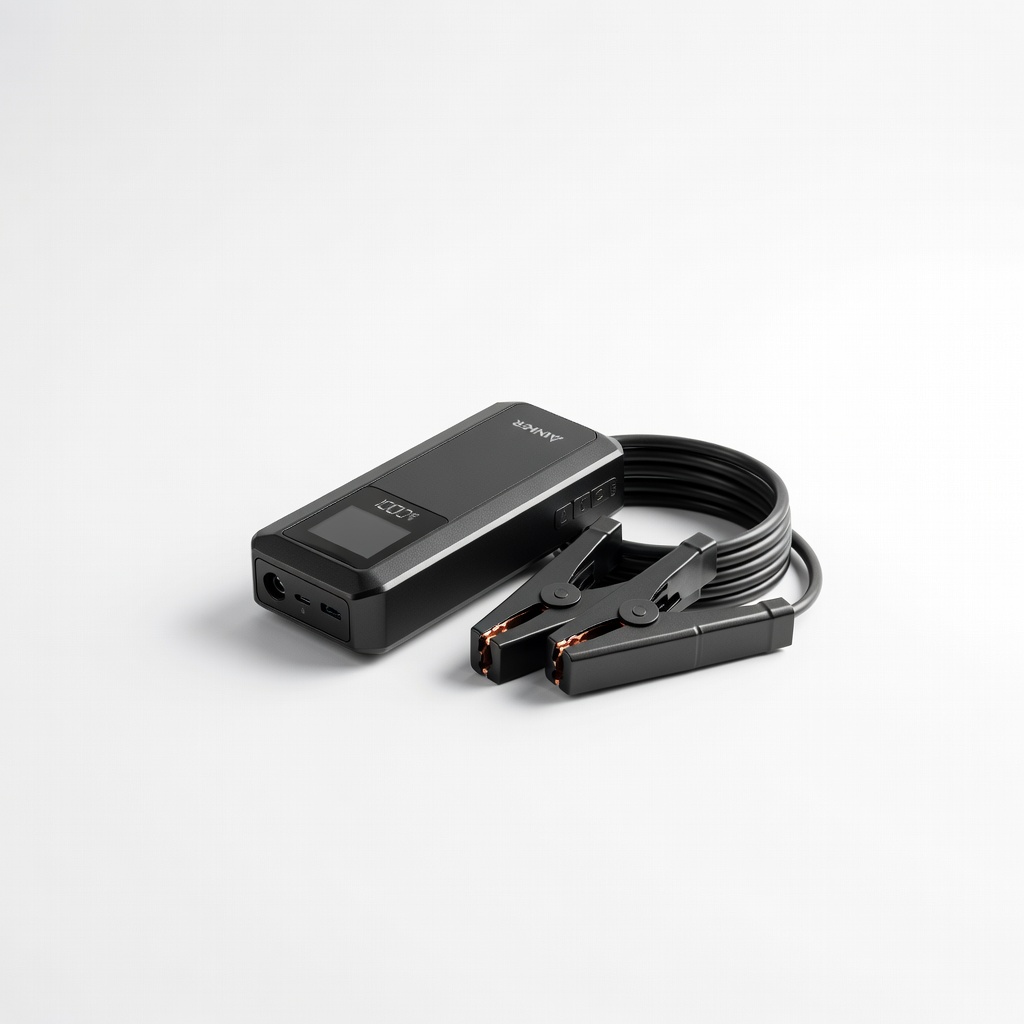
Larger vehicles or with added convenience.
Anker 535 Car Jump Starter 2,000A peak power plus USB ports for phone charging—versatile roadside tool.