
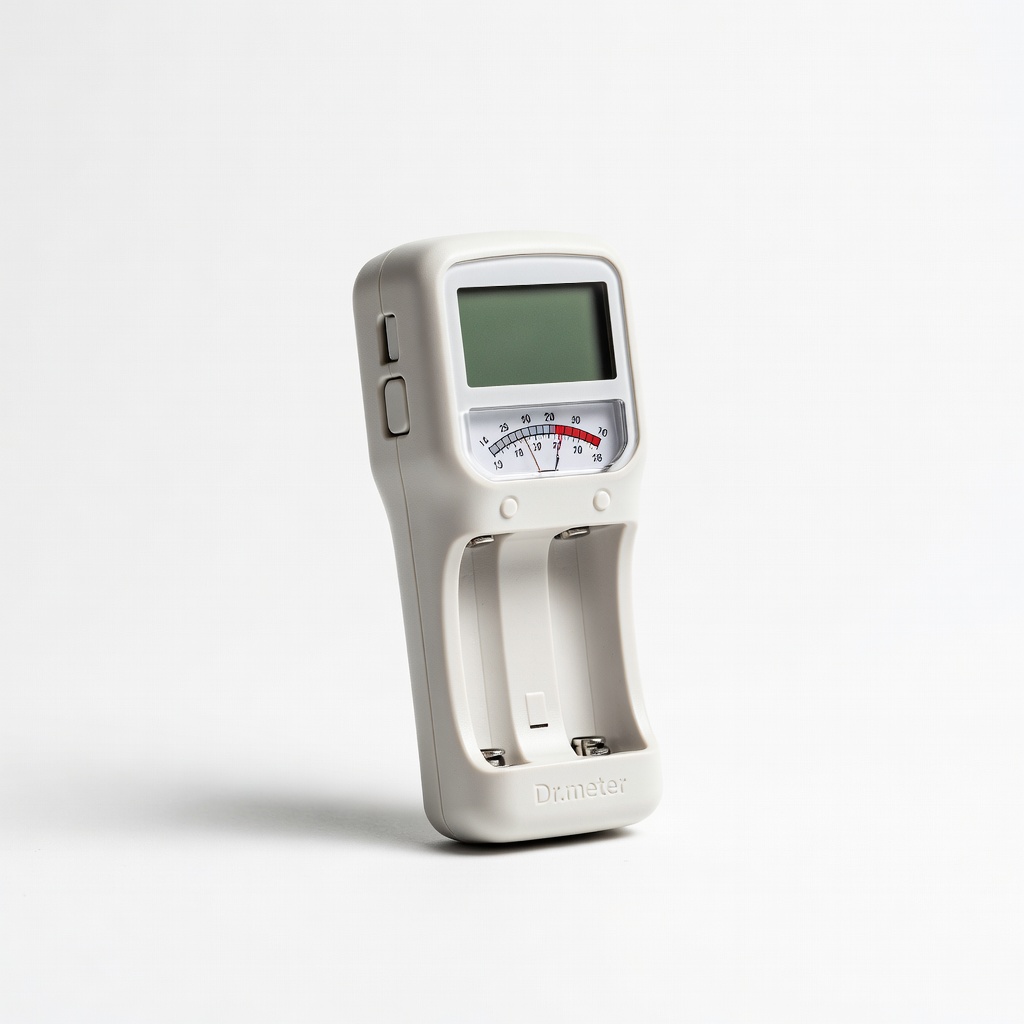
Dr.meter Digital Battery Tester
Step 2: Test multiple batteries quickly without wasting devices.
$9.99
Dr.meter Digital Battery Tester Accurately checks voltage on AAA batteries to confirm they're dead before disposal.
Get the App
Better experience on mobile
Follow these beginner-friendly steps to recycle AAA batteries responsibly, preventing fires and protecting the environment in just 15-30 minutes.
Throwing AAA batteries in the trash might seem convenient, but it can lead to dangerous chemical leaks, fires in landfills, or environmental pollution from heavy metals like mercury and cadmium. With millions of batteries discarded yearly, safe disposal is crucial for your safety and the planet.
In this guide, you'll learn how to identify, prepare, and recycle AAA batteries—whether alkaline, rechargeable NiMH, or lithium—using household items and free local services. No advanced skills needed; it's straightforward for beginners.
Expect to spend 15-30 minutes (plus travel time to a drop-off), with clear steps that ensure compliance with laws in most areas.
Estimated Time: 15-30 minutes (plus travel to recycling center) Difficulty: beginner
Examine your AAA batteries to determine if they are alkaline (single-use, often labeled Duracell or Energizer), rechargeable (NiMH or NiCd, marked 'rechargeable'), or lithium (thinner, high-energy like Energizer Ultimate Lithium).
Why it matters: Different types have unique risks—alkalines can leak acids, rechargeables contain cadmium, and lithium can catch fire if short-circuited. Check the label or use a multimeter if unsure.
Success looks like: Batteries sorted into piles by type, with no unknowns.
💡 Tips:
⚠️ Warnings:
Insert batteries into a device like a remote or flashlight to confirm they don't work. For precision, use a battery tester.
This prevents recycling live batteries, which some centers reject, and ensures safety during handling. Expect most used batteries to be dead, but rechargeables might hold a charge.
Success: All batteries confirmed drained—no power output.
💡 Tips:
For batteries with slight charge, leave them in a low-drain device (e.g., clock) for 24 hours or connect via resistor (advanced, skip for beginners).
Why: Reduces short-circuit risk during transport. Most household batteries discharge naturally.
Success: Batteries show zero voltage on tester.
⚠️ Warnings:
Wearing gloves, place each battery in a plastic bag individually. Cover the positive (+) and negative (-) terminals with a strip of clear tape to prevent contact.
This insulation stops accidental shorts that could spark fires in trash or vehicles. Label the bag 'Used AAA Batteries for Recycling.'
Success: Batteries taped, bagged, and leak-free.
💡 Tips:
Use apps like Call2Recycle, Earth911, or websites from Home Depot/Best Buy. Search 'AAA battery recycling near me.' Common spots: hardware stores, electronics retailers, libraries.
Why: Free programs handle 95% of household batteries safely. Note: Trash disposal is illegal in many states.
Success: List of 2-3 nearby locations with hours.
Keep prepared batteries in a cool, dry place in their labeled bag or organizer box, away from kids/pets.
Prevents degradation until drop-off (ideally within a week).
Success: Secure storage setup.
⚠️ Warnings:
Drive or walk to the center with batteries in your trunk. Hand to staff—many have drop boxes.
Confirm receipt; get a recycling certificate if offered.
Success: Empty bag, confirmation of disposal.
💡 Tips:
Problem: No recycling center nearby
Solution: Use mail-back kits from Call2Recycle or Amazon; ship prepaid.
Problem: Battery is leaking or swollen
Solution: Place in bucket of sand; contact local hazmat for pickup—don't transport.
Problem: Center won't accept AAA
Solution: Verify via phone; try another like Lowe's or auto parts stores.
Accurately checks voltage on AAA batteries to confirm they're dead before disposal.
Best for: Step 2: Test multiple batteries quickly without wasting devices.
Price Range: $9.99
Compartments hold AAA batteries safely separated, ideal for staging before recycling.
Best for: Steps 4 & 6: Organize taped batteries to prevent contact.
Price Range: $19.99
Protects hands from leaks or residue during handling.
Best for: All prep steps: Safe for beginners avoiding skin contact.
Price Range: $12.99
Durable, non-conductive tape perfect for covering terminals securely.
Best for: Step 4: Insulates against shorts better than duct tape.
Price Range: $6.99
Prepaid mail-back option for remote areas, hazmat-compliant.
Best for: Troubleshooting: Ship batteries safely when no local drop-off.
Price Range: $15-$25
Step 2: Test multiple batteries quickly without wasting devices.
Dr.meter Digital Battery Tester Accurately checks voltage on AAA batteries to confirm they're dead before disposal.
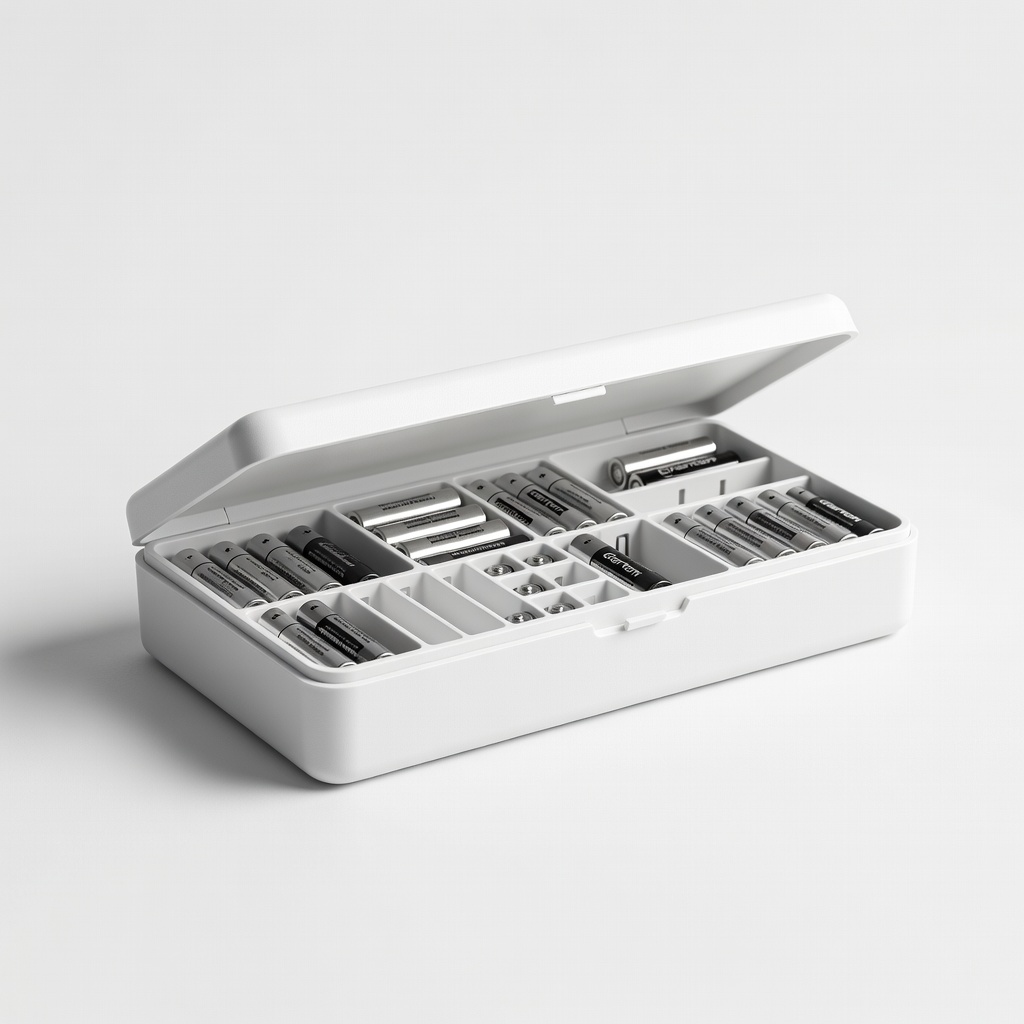
Steps 4 & 6: Organize taped batteries to prevent contact.
Barton QuickFit Battery Storage Organizer Compartments hold AAA batteries safely separated, ideal for staging before recycling.
All prep steps: Safe for beginners avoiding skin contact.
AMZCHEF Nitrile Disposable Gloves (100-pack) Protects hands from leaks or residue during handling.
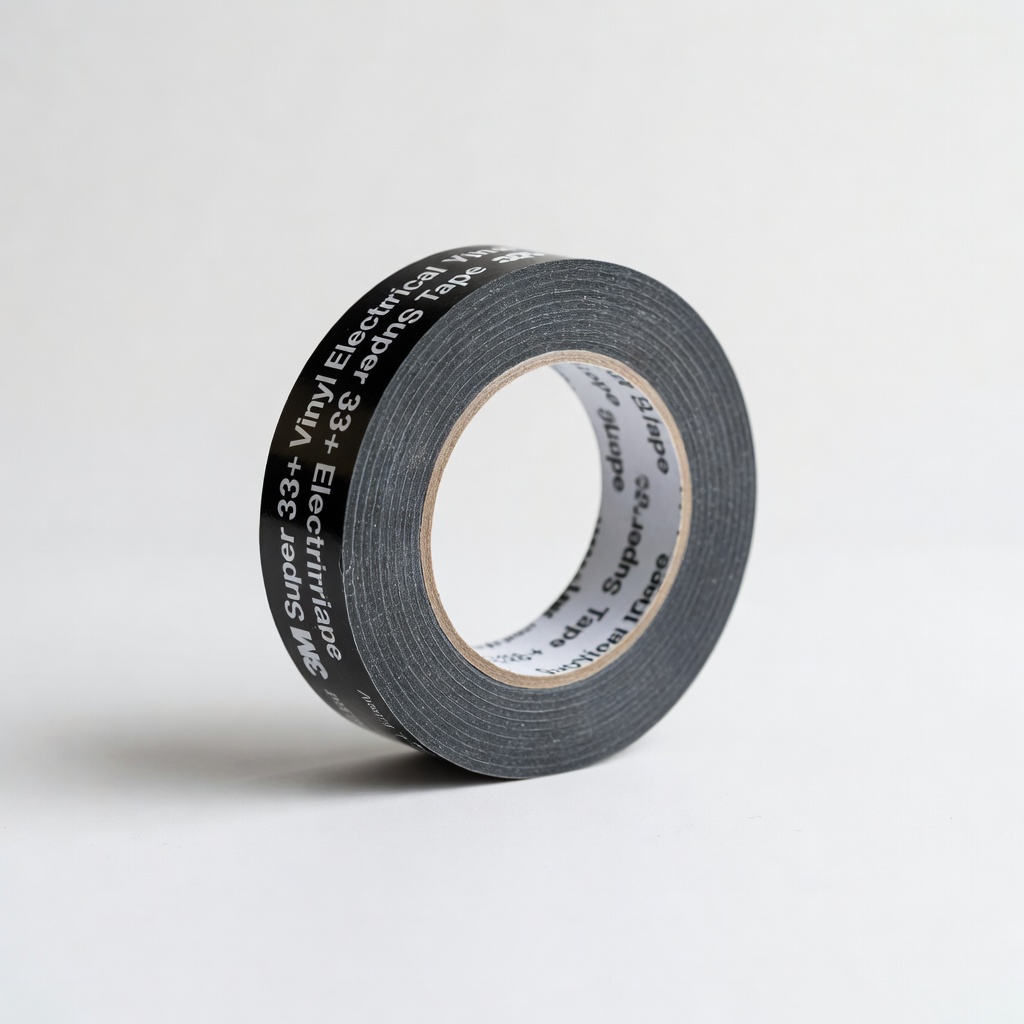
Step 4: Insulates against shorts better than duct tape.
3M Super 33+ Vinyl Electrical Tape Durable, non-conductive tape perfect for covering terminals securely.
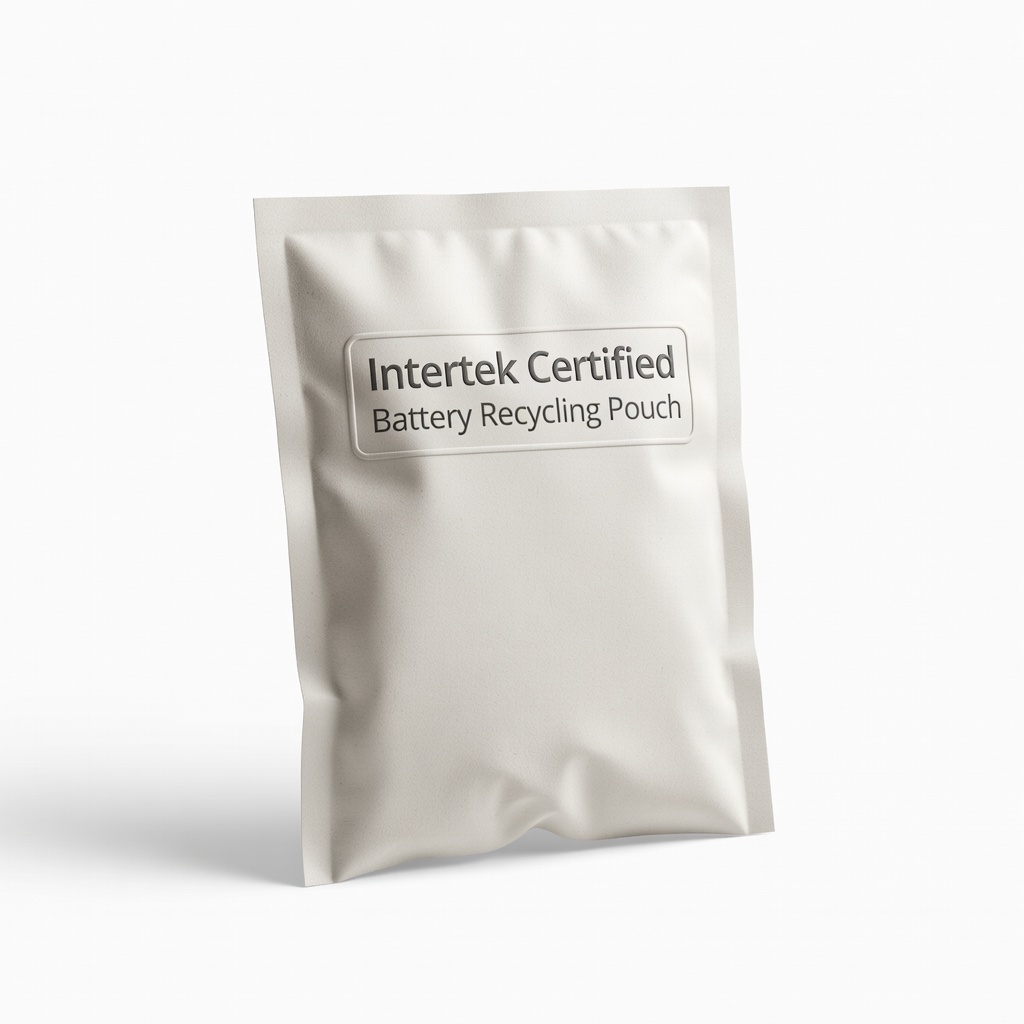
Troubleshooting: Ship batteries safely when no local drop-off.
Intertek Certified Battery Recycling Pouch Prepaid mail-back option for remote areas, hazmat-compliant.