Struggling with a scratchy or slipping violin bow? Proper rosin application is essential for acoustic violin players, providing the friction needed for clear, smooth tones. Without it, your bow hair won't grip the strings effectively, leading to frustrating playing sessions.
In this step-by-step guide, you'll learn how to rosin your violin bow correctly as a beginner. We'll cover everything from cleaning to testing, ensuring even coverage for optimal performance. The process is quick, simple, and requires no special tools.
Expect to spend 5-10 minutes total. By the end, your bow will glide effortlessly, producing rich, controlled sound on your acoustic violin.
▸What You'll Need
- •Acoustic violin bow (hair should be clean and taut)
- •High-quality violin rosin cake (light or dark based on preference; required)
- •Soft, lint-free cloth or microfiber towel (for wiping excess)
- •Flat, stable surface (optional: rosin bag for easier grip)
Estimated Time: 5-10 minutes
Difficulty: beginner
▸Step-by-Step Instructions
Step 1: Prepare Your Workspace
Choose a clean, flat surface like a table away from dust or moisture. Lay down a soft cloth to catch rosin dust. Ensure good lighting to see the bow hair clearly.
Why it matters: A clean workspace prevents contaminants from sticking to the rosin, which could damage your bow hair or violin strings. Expect a dust-free area ready for precise work.
💡 Tips:
- •Work near your violin stand for quick testing later.
⚠️ Warnings:
- •Avoid windy areas or kitchens to prevent greasy buildup.
Step 2: Clean the Bow Hair
Gently wipe the bow hair from frog to tip using a dry, soft cloth. If hair is very dirty, use a damp cloth first (dry thoroughly after).
Why it matters: Old rosin buildup or dirt reduces grip and causes uneven sound. Success looks like clean, white or light-colored hair ready for fresh rosin—no visible residue.
💡 Tips:
- •Brush hair lightly; never pull or tug.
⚠️ Warnings:
- •Don't use alcohol or harsh cleaners—they strip natural oils from horsehair.
Step 3: Inspect and Hold the Rosin Cake
Examine your rosin for cracks or debris; tap gently to loosen surface dust. Hold the rosin flat in your non-dominant hand or secure it in a rosin bag.
Why it matters: Fresh rosin provides better grip. You'll see a smooth, matte surface on the cake after use.
💡 Tips:
- •Choose light rosin for brighter tone, dark for warmer—test both!
Step 4: Position the Bow Correctly
Hold the bow vertically by the frog (butt end) in your dominant hand. Tilt the hair downward at a 45-degree angle toward the rosin.
Why it matters: Proper angle ensures even application without bending hair. Expect the hair to face the rosin surface naturally.
⚠️ Warnings:
- •Don't loosen the bow—hair must be tight.
Step 5: Apply Rosin with Long Strokes
Stroke the bow hair over the rosin 5-10 times from frog to tip in one smooth motion. Use moderate pressure—let the hair 'drag' slightly.
Why it matters: Long strokes distribute rosin evenly for consistent grip. Success: Hair turns slightly matte and opaque after 3-5 passes.
💡 Tips:
- •Count strokes aloud for consistency.
Step 6: Twist and Repeat for Full Coverage
Rotate the bow 90 degrees and repeat strokes 5-10 times. Do 2-3 full rotations total.
Why it matters: Twisting covers all hair sides, preventing patchy grip. Hair should look uniformly frosted.
⚠️ Warnings:
- •Avoid short, choppy strokes—they cause buildup.
Step 7: Wipe Off Excess Dust
Tap the bow gently over the cloth to shake off loose rosin powder. Wipe hair lightly if needed.
Why it matters: Excess dust dirties strings and rosinates clothes. Clean bow hair looks dusted but not powdery.
💡 Tips:
- •Store rosin in a bag to contain dust.
Step 8: Test on Your Violin Strings
Play open strings (G-D-A-E). Bow should grab without slipping or screeching.
Why it matters: Confirms perfect grip. Smooth, warm sound means success—adjust if gritty.
▸Pro Tips
- •Rosin every 2-4 hours of play; more for new bows.
- •Store bow hair-up to prevent rosin clumping.
- •Use a mirror to check evenness from behind.
- •Warmer climates need less rosin—adjust seasonally.
- •For softer hair, apply fewer strokes.
- •Keep rosin in a sealed bag to stay fresh.
- •Practice on spare bow if nervous.
▸Common Mistakes to Avoid
- •Applying too much rosin: Causes sticky buildup and string wear—use fewer strokes.
- •Uneven strokes: Leads to patchy grip and inconsistent tone—always twist bow.
- •Dirty bow hair: Traps grit, damaging strings—clean first every time.
- •Wrong angle: Hair bends, breaking strands—maintain 45 degrees.
- •Ignoring bow tension: Loose hair won't hold rosin—tighten before starting.
▸Troubleshooting
Problem: Bow slips on strings
Solution: Apply 5 more strokes; ensure hair is clean and taut. Seek luthier if persistent.
Problem: Screechy or gritty sound
Solution: Wipe excess dust; clean strings. Use fresh rosin.
Problem: Excessive dust everywhere
Solution: Tap more vigorously; use rosin bag. Wipe bow post-application.
Problem: Hair looks clumpy
Solution: Clean thoroughly with dry cloth. Re-rosin lightly. Professional cleaning if matted.
Super-Sensitive Red Rosin for Violin
Affordable, beginner-friendly rosin with excellent grip for acoustic violins; smooth application without excess stickiness.
Best for: Daily practice for students; great starter for new bows.
Price Range: $4.99
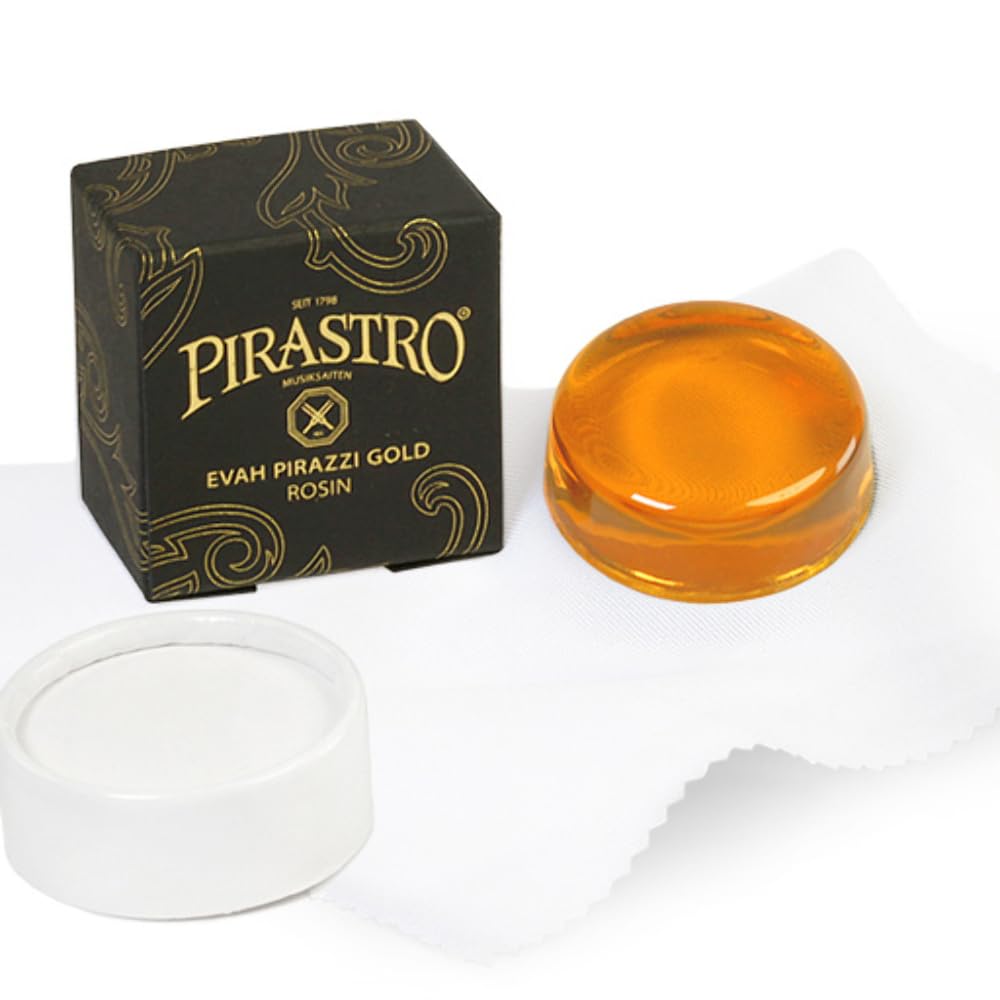
Pirastro Evah Pirazzi Rosin
Premium synthetic-friendly rosin for bright, clear tone; low dust and even spread.
Best for: Intermediate play or synthetic-core strings; longer-lasting.
Price Range: $17.99
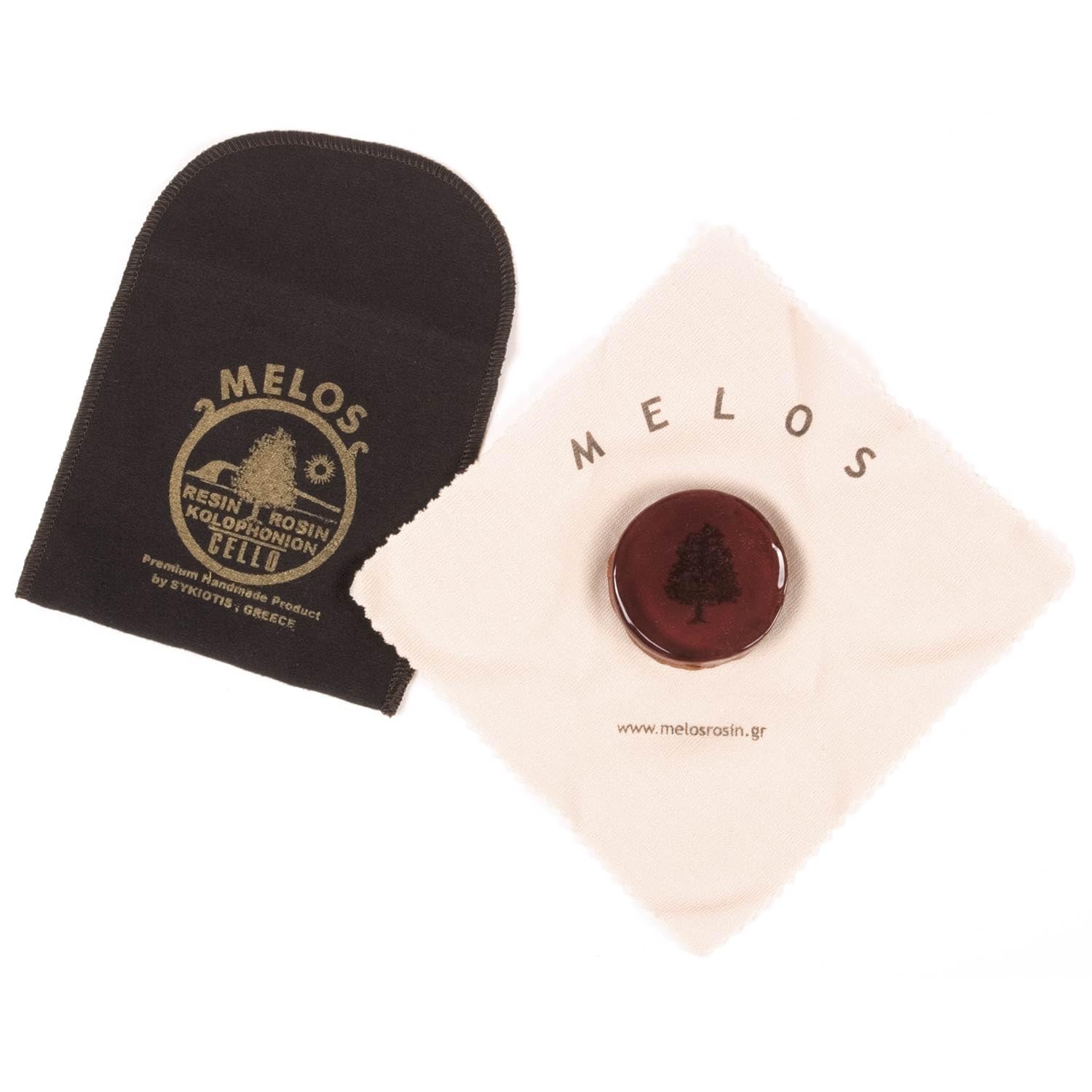
Melos MAESTRO Dark Rosin
Natural rosin for warm, rich sound; ideal for traditional horsehair bows.
Best for: Classical repertoire needing deeper tone; all skill levels.
Price Range: $12.99
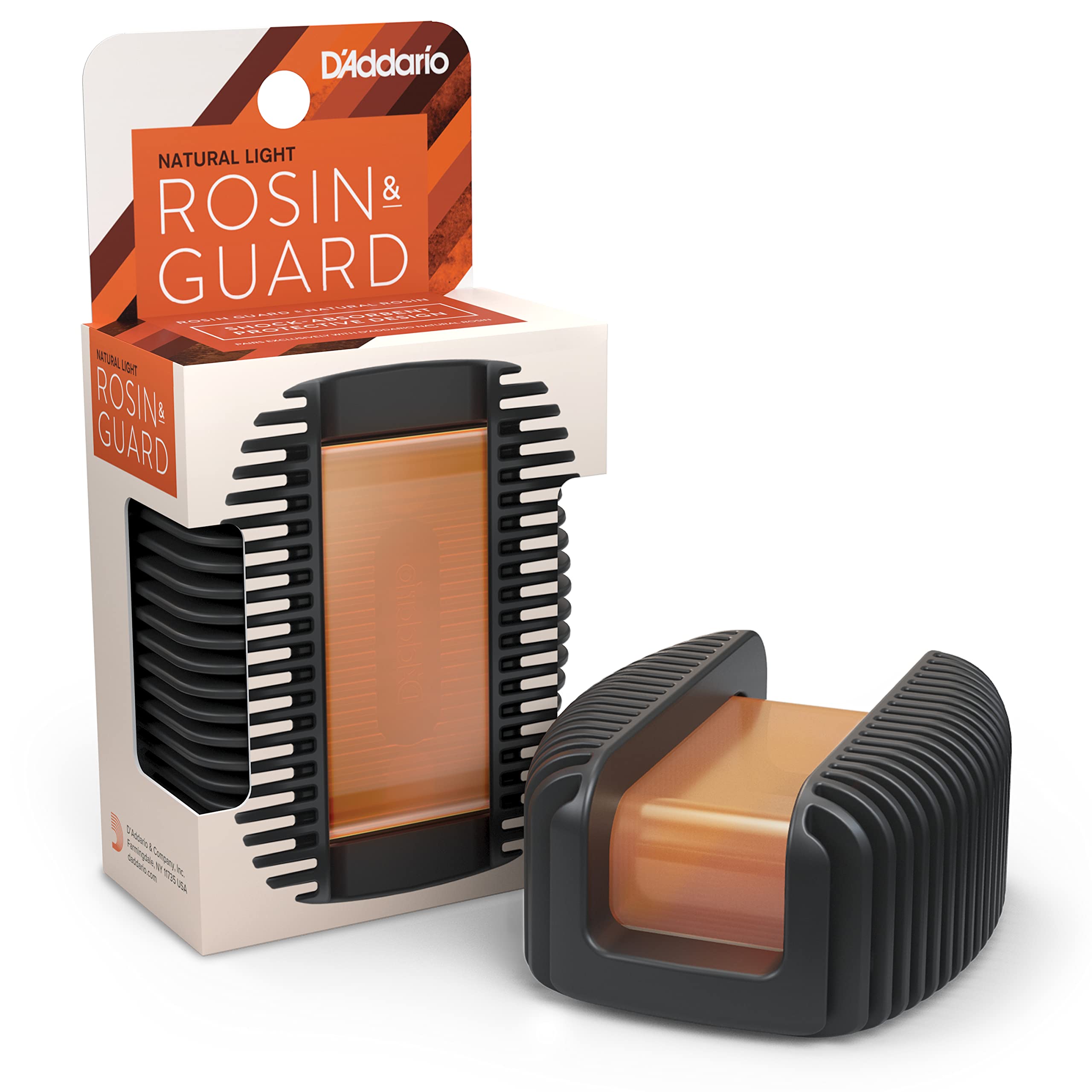
D'Addario Rosin Applicator Bag
Convenient cloth bag secures rosin for steady, mess-free application.
Best for: Beginners to prevent dropping rosin; travel-friendly.
Price Range: $8.99