
Super-Sensitive Red Rosin
Daily practice for students; ideal for acoustic violins in moderate climates.
$4.99-$6.99
Super-Sensitive Red Rosin Affordable, beginner-friendly light rosin provides smooth grip without excess buildup.
Get the App
Better experience on mobile
Learn simple steps to apply rosin correctly, improving your tone, control, and bow grip as a beginner violinist.
If your violin bow is producing scratchy, weak sounds or slipping on the strings, it's likely time to rosin it. Rosin is the sticky resin that creates friction between the bow hair and strings, essential for clear, vibrant tones. Without proper rosining, even the best violin won't sound right.
In this beginner-friendly guide, you'll learn the exact step-by-step process to rosin your acoustic violin bow safely and effectively. No prior experience needed—we'll cover everything from tools to testing. The whole process takes just 5-10 minutes and will transform your playing.
Expect smooth, even application that lasts through practice sessions. Follow along, and you'll avoid common pitfalls like over-rosining, which leads to gunky buildup.
Estimated Time: 5-10 minutes Difficulty: beginner
Choose a clean, flat surface away from dust or wind to avoid contaminants on the rosin or bow hair. Lay down a soft towel to protect your bow and catch any falling rosin dust.
This step matters because a dirty environment leads to uneven application and poor grip. You'll know it's ready when your area is clutter-free and stable.
Tip: Work near good lighting to spot any old rosin buildup.
💡 Tips:
⚠️ Warnings:
Hold the bow horizontally and examine the hair for old rosin buildup, dust, or loose strands. Gently brush off excess with a rosin brush or soft cloth, stroking from frog (bottom) to tip (top).
Cleaning ensures fresh rosin adheres properly—dirty hair reduces friction and causes squeaks. Expect fine white powder to fall off; that's normal.
If hair is very gunky, wipe lightly with a damp cloth (dry immediately) or seek a luthier for rehairing.
💡 Tips:
⚠️ Warnings:
Remove the rosin from its box (keep the box for storage). Place it flat on your towel, notched side up if applicable. Hold it steady with one hand or secure it.
The rosin provides grip via tiny particles that embed in the horsehair. Success here: rosin is stable and ready for contact without slipping.
💡 Tips:
Hold the bow vertically by the frog (bottom grip area) with your dominant hand, thumb on the underside. Keep hair loose—not tightened to the ferrule.
Proper grip prevents strain and ensures even pressure. The bow should feel balanced, hair about pencil-width from stick.
💡 Tips:
⚠️ Warnings:
Tilt the bow slightly (10-20 degrees) and lower the hair onto the rosin. Stroke back and forth along the full length—from frog to tip—10-20 times slowly and evenly.
Long strokes distribute rosin uniformly, building grip without clumps. You'll see/feel white dust build up on the hair, and hear a subtle 'sanding' sound.
Pressure should be light, like petting a cat.
💡 Tips:
⚠️ Warnings:
Tilt the bow to light and inspect: hair should have a uniform frosty sheen, no shiny bald spots or thick globs. Flex the bow gently to distribute.
Evenness means consistent tone across the bow. If patchy, add 5 more strokes to sparse areas.
💡 Tips:
Use a dry microfiber cloth to gently wipe the stick and frog. Brush hair lightly once more.
Excess causes mess on your violin. Hair should look matte-white, not caked.
💡 Tips:
Loosen/tighten bow to playing tension. Draw a slow down-bow across each string—listen for clear, grippy sound without slipping or scratching.
Success: Rich tone on all strings. Re-rosin lightly if needed. Play a scale to settle the rosin.
💡 Tips:
⚠️ Warnings:
Problem: Bow slips on strings
Solution: Apply more rosin (10 extra strokes). Ensure hair tension is correct.
Problem: Scratchy or gritty sound
Solution: Clean excess rosin with brush/cloth. Check for dirt.
Problem: Hair feels too sticky
Solution: Wipe with alcohol-dampened cloth (dry immediately). Use lighter rosin next time.
Problem: Rosin dust everywhere
Solution: Work over towel; vacuum after. Use enclosed rosin box.
Problem: No improvement in tone
Solution: Bow may need rehairing—consult luthier if hair >6 months old.
Affordable, beginner-friendly light rosin provides smooth grip without excess buildup.
Best for: Daily practice for students; ideal for acoustic violins in moderate climates.
Price Range: $4.99-$6.99
Reliable medium rosin from trusted brand; even application and long-lasting.
Best for: Intermediate beginners needing consistent tone during longer sessions.
Price Range: $7.95-$9.99
Premium rosin for clear, projecting sound; low dust formula.
Best for: Serious practice or performance prep on finer violins.
Price Range: $11.50-$14.99
Horsehair brush removes old rosin perfectly without damaging bow.
Best for: Pre-rosin cleaning step; essential for maintenance.
Price Range: $8.99-$12.99
Lint-free for wiping excess; reusable and gentle on bow.
Best for: Final cleanup and bow polishing.
Price Range: $12.99 (12-pack)
Daily practice for students; ideal for acoustic violins in moderate climates.
Super-Sensitive Red Rosin Affordable, beginner-friendly light rosin provides smooth grip without excess buildup.
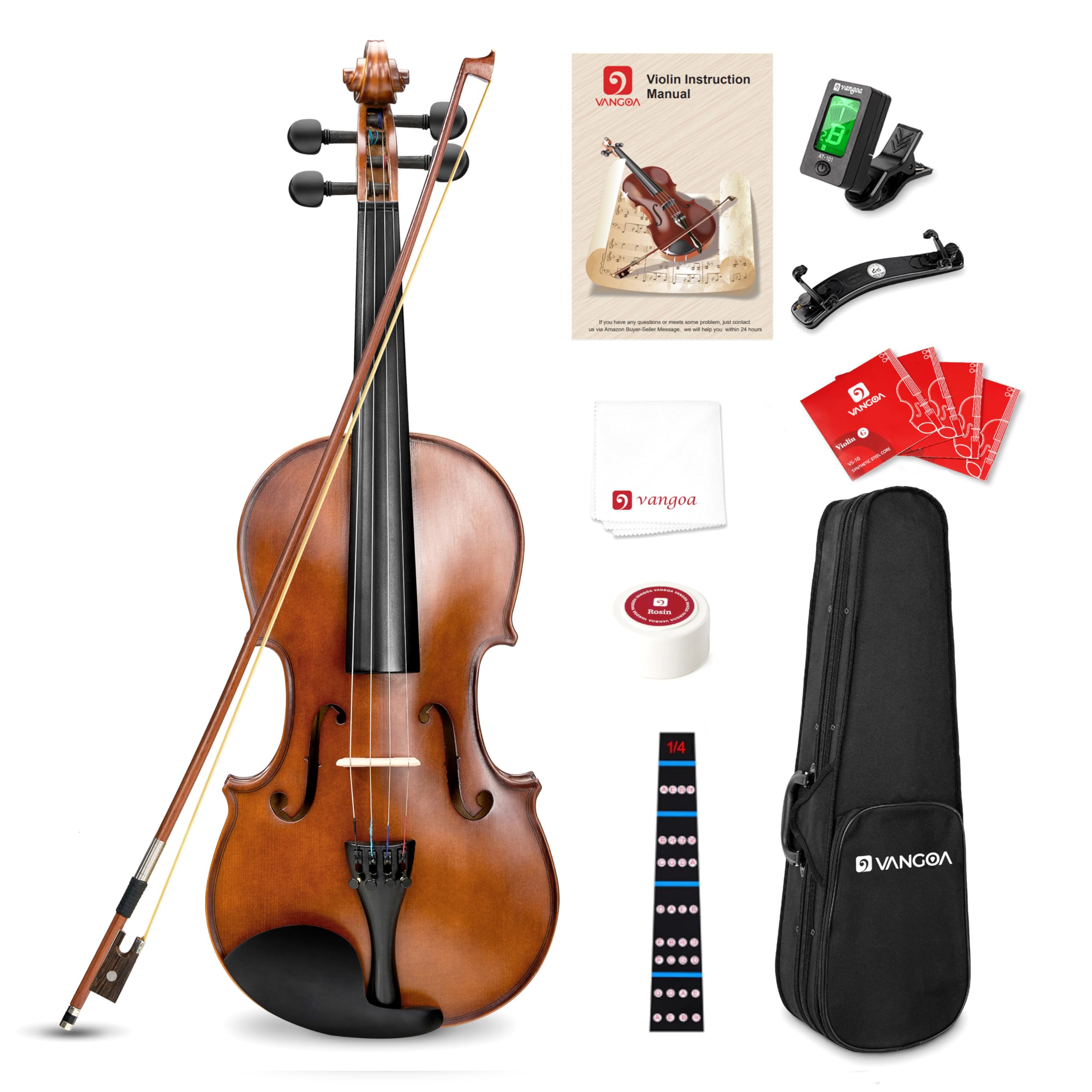
Intermediate beginners needing consistent tone during longer sessions.
D'Addario Violin Rosin Reliable medium rosin from trusted brand; even application and long-lasting.
Serious practice or performance prep on finer violins.
Pirastro No. 1 Rosin Premium rosin for clear, projecting sound; low dust formula.
Pre-rosin cleaning step; essential for maintenance.
Georges Berthold Rosin Brush Horsehair brush removes old rosin perfectly without damaging bow.

Final cleanup and bow polishing.
Amazon Basics Microfiber Cleaning Cloths Lint-free for wiping excess; reusable and gentle on bow.