
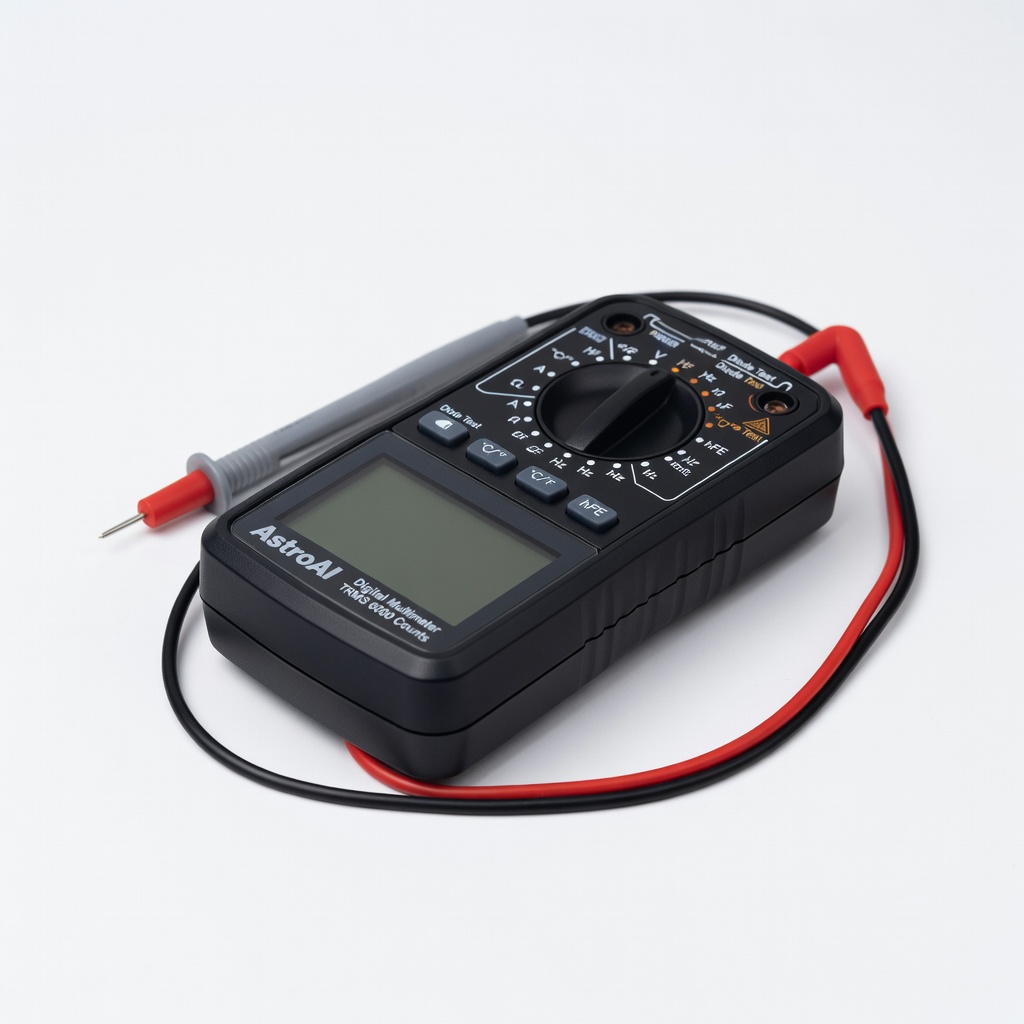
AstroAI Digital Multimeter TRMS 6000 Counts
Essential for step 2 and 6—verifies dead status and success.
$13.99
AstroAI Digital Multimeter TRMS 6000 Counts Accurate voltage testing before/after revival ensures method works safely.
Get the App
Better experience on mobile
Revive dead AAAA batteries temporarily with simple DIY methods to extend their life for hours or days without replacements.
Nothing's more frustrating than a dead AAAA battery killing your laser pointer, stylus, or TV remote right when you need it. These tiny batteries power precise devices, but they die fast and are pricey to replace in bulk. The good news? You can temporarily revive alkaline AAAA batteries using safe, intermediate-level techniques that restore partial capacity.
In this guide, you'll learn the short-circuit revival method—a quick zap to break internal crystal bridges causing high resistance—plus alternatives like saltwater soaking. These hacks work best on mildly depleted alkalines (1.0-1.2V), giving 20-80% capacity back for temporary use. Expect 15-30 minutes active time, plus optional overnight steps. Results vary; this isn't permanent or for rechargeables.
Important: This is temporary only—revived batteries may leak or fail suddenly. Always prioritize safety and switch to rechargeables long-term.
Estimated Time: 15-30 minutes active time (plus 24 hours optional soak) Difficulty: intermediate
Before starting, confirm your AAAA batteries are alkaline (check label; skip NiMH—these need a proper charger). Work in a well-ventilated area on a non-conductive surface like wood or plastic. Wear gloves to avoid acid residue.
Why it matters: Alkalines aren't designed for revival, so risks include leakage or rupture. Success looks like organized workspace with tested multimeter (set to DCV 20V range).
💡 Tips:
⚠️ Warnings:
Set multimeter to DC voltage (20V). Touch red probe to positive (+) terminal, black to negative (-). A dead battery reads under 1.0V; 1.2-1.5V is low but viable.
Why: Confirms it's worth reviving (aim for 1.0-1.2V start). Expect a weak reading—don't proceed below 0.8V.
💡 Tips:
Gently rub terminals with sandpaper or eraser to remove corrosion or dirt. Wipe with a dry cloth.
Why: Poor contact mimics dead batteries. Success: Shiny, clean metal terminals—no residue.
⚠️ Warnings:
Strip 1/4 inch insulation from both ends of the wire. Optional: Solder or twist a 10-ohm resistor inline for controlled current (safer).
Why: Direct short breaks crystal dendrites blocking ion flow inside. Expect slight warming—normal.
💡 Tips:
Touch wire ends firmly to battery terminals (+ to +, - to -? No: short + to - directly). Hold for exactly 5 seconds, then remove. Feel for warmth (not hot). Wait 1 minute to cool. Repeat 3-5 times.
Why: Brief high current (amps) dissolves crystals, restoring conductivity. Success: Battery warms mildly; voltage jumps 0.2-0.5V on retest.
💡 Tips:
⚠️ Warnings:
Retest voltage after cooling. Good revival: 1.2-1.4V. Insert into device—if it powers on briefly, success.
Why: Verifies gain. Expect 20-50% capacity back (runs device 1-24 hours).
If shorting gives little gain, mix 2 tbsp salt in 1 cup warm water. Submerge batteries 24 hours. Rinse thoroughly, dry 2+ hours.
Why: Electrolysis reforms chemistry. Success: Extra 0.1-0.3V boost, but slower.
💡 Tips:
⚠️ Warnings:
Problem: No voltage increase after shorting
Solution: Battery too depleted—try saltwater soak or discard. Test multimeter calibration.
Problem: Battery gets very hot or sparks
Solution: Stop immediately, cool in water (unsubmerged), dispose. Use resistor next time.
Problem: Device works briefly then dies
Solution: Normal for revival—capacity is partial. Monitor for leakage; replace soon.
Problem: Corrosion after soak
Solution: Rinse longer next time; vinegar dip neutralizes salt. Dry 24 hours.
Accurate voltage testing before/after revival ensures method works safely.
Best for: Essential for step 2 and 6—verifies dead status and success.
Price Range: $13.99
Best long-term alternative—no revival needed, 1000+ cycles.
Best for: Replace alkalines after temp fix for styluses/laser pointers.
Price Range: $12.99
Safely charges NiMH AAAA—no DIY risks; analyzes health.
Best for: For NiMH or post-revival testing; supports AA/AAA/AAAA.
Price Range: $24.99
Tests AAAA under load (not just voltage) for real capacity.
Best for: Quick check if revived battery powers devices reliably.
Price Range: $9.99
Flexible, insulated for safe shorting without melting.
Best for: Core tool for revival step—cut to size.
Price Range: $8.99
Essential for step 2 and 6—verifies dead status and success.
AstroAI Digital Multimeter TRMS 6000 Counts Accurate voltage testing before/after revival ensures method works safely.
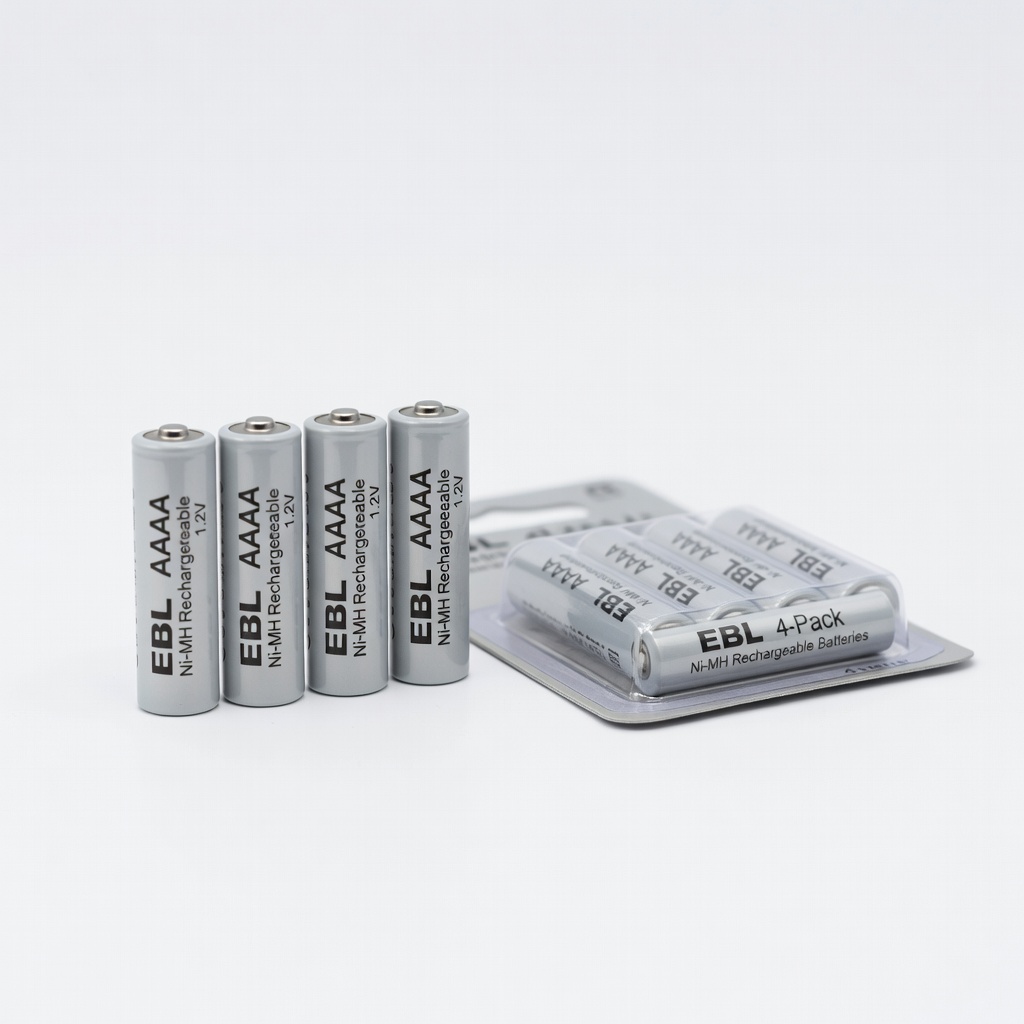
Replace alkalines after temp fix for styluses/laser pointers.
EBL 4-Pack AAAA Ni-MH Rechargeable Batteries Best long-term alternative—no revival needed, 1000+ cycles.
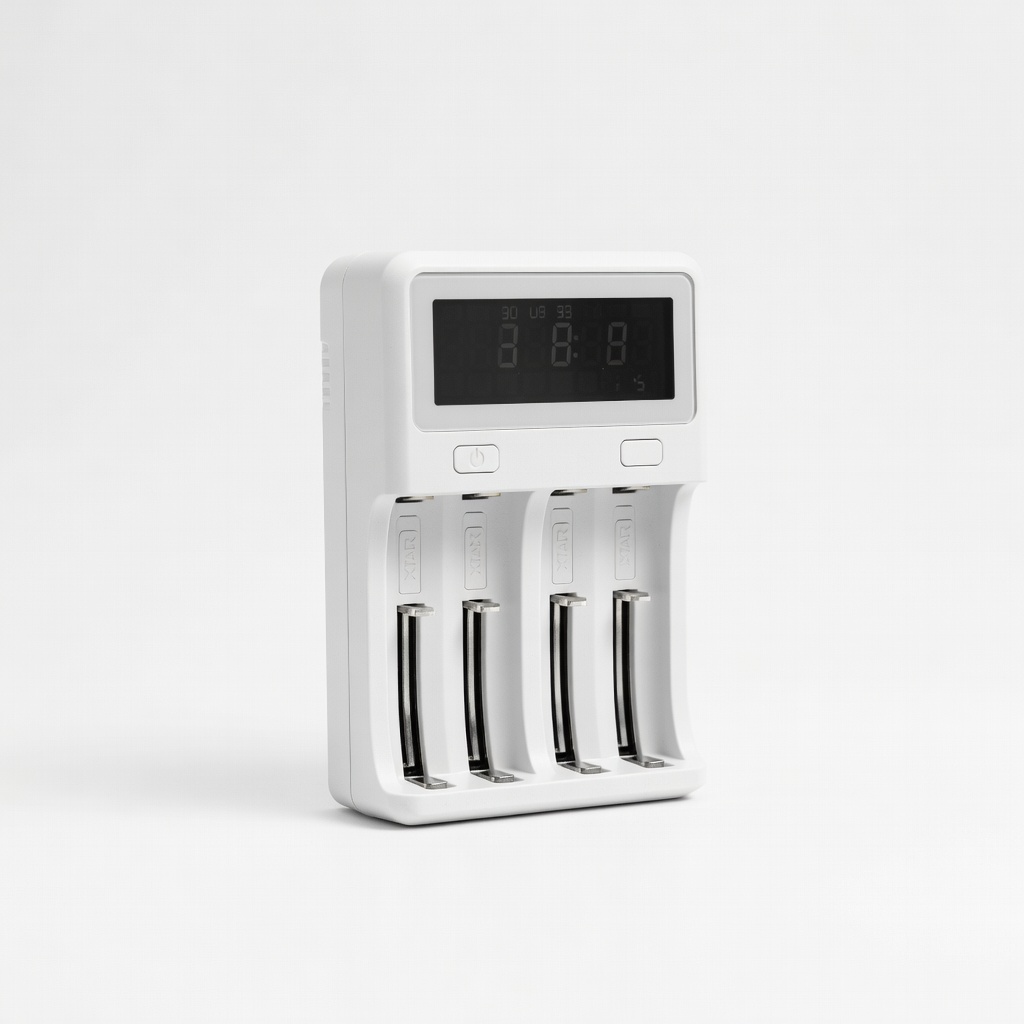
For NiMH or post-revival testing; supports AA/AAA/AAAA.
XTAR VP2 LCD Universal Battery Charger Safely charges NiMH AAAA—no DIY risks; analyzes health.
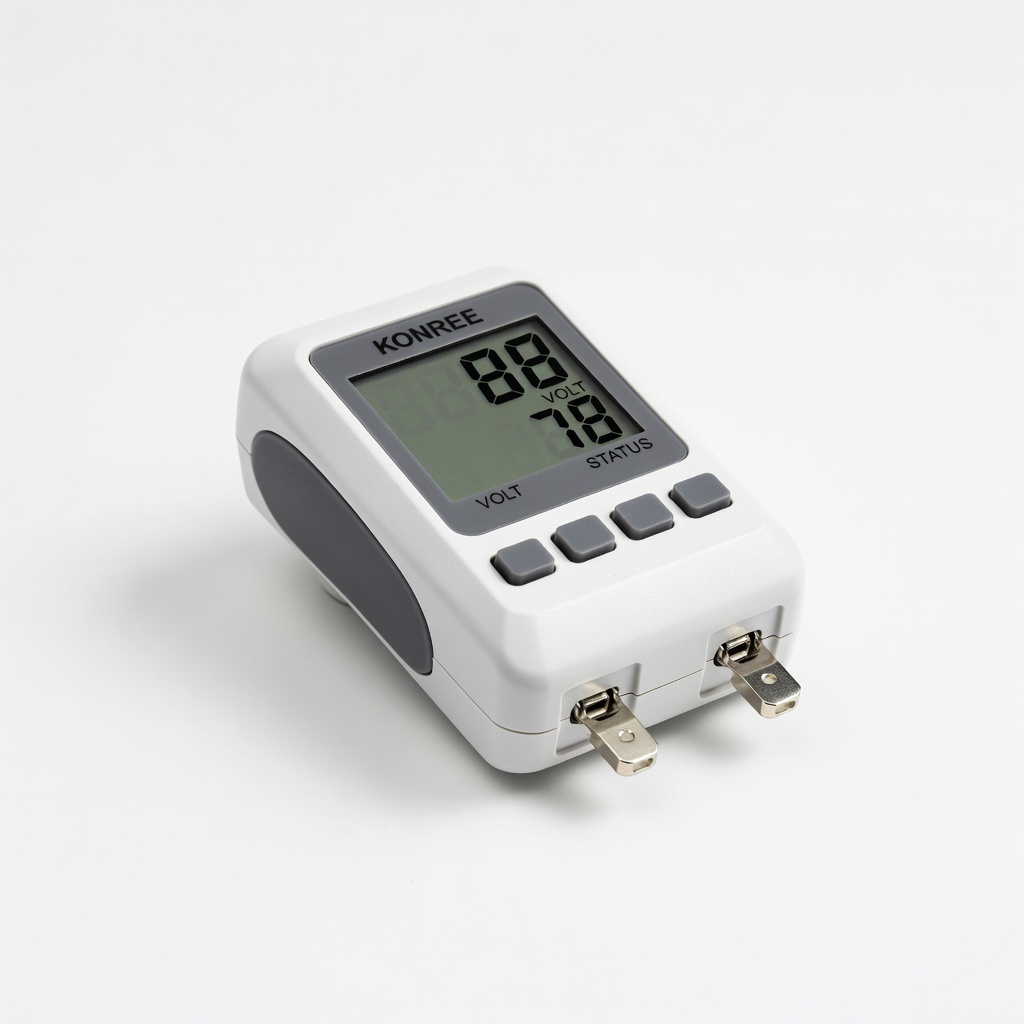
Quick check if revived battery powers devices reliably.
KONREE Digital Battery Tester Tests AAAA under load (not just voltage) for real capacity.
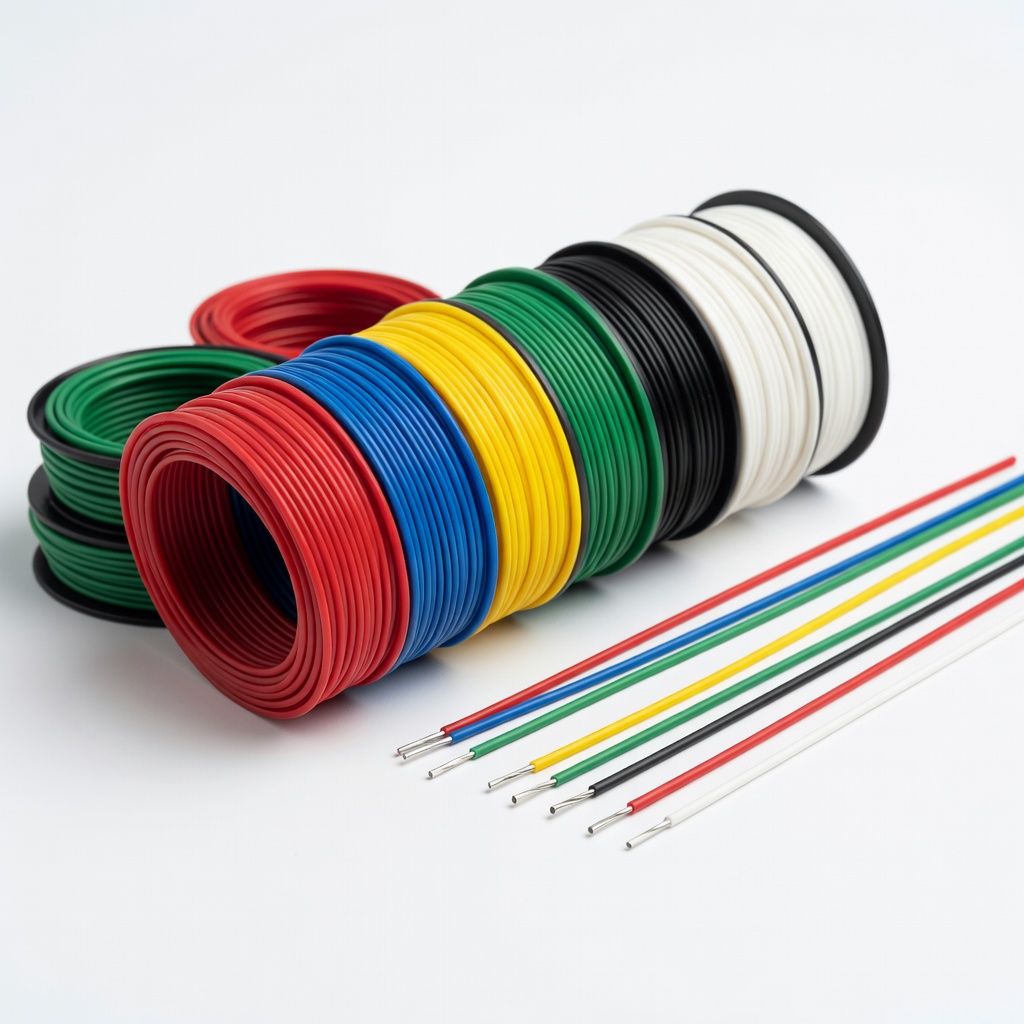
Core tool for revival step—cut to size.
22 AWG Silicone Wire Kit Flexible, insulated for safe shorting without melting.