

D'Addario EJ16 Phosphor Bronze Light Acoustic Strings (12-53)
Standard restring for beginners.
$6.99
D'Addario EJ16 Phosphor Bronze Light Acoustic Strings (12-53) Reliable light gauge prevents buzz in most acoustics; phosphor bronze for warm tone.
Get the App
Better experience on mobile
Master restringing your acoustic guitar step-by-step to eliminate buzz, restore tone, and play buzz-free in just 20-30 minutes as a beginner.
Fret buzz is a common frustration for acoustic guitar players—those annoying rattles that make chords sound muddy and solos sloppy. It often stems from worn-out strings, improper winding, or poor seating at the bridge or nut. The good news? Restringing correctly fixes it every time, giving you clear tone and sustain.
In this beginner-friendly guide, you'll learn a foolproof method to restring your acoustic guitar without buzzing. We'll cover everything from prep to final tweaks, ensuring proper tension, seating, and winding. No prior experience needed—just follow the steps.
Expect to spend 20-30 minutes total. It's straightforward, but take your time for pro results. By the end, your guitar will ring true and buzz-free.
Estimated Time: 20-30 minutes Difficulty: beginner
Set up a well-lit, stable surface like a table covered with a soft towel to protect your guitar. Lay your acoustic guitar flat with the soundhole facing up. Gather all tools nearby.
Why it matters: A clean workspace prevents losing small parts like bridge pins. Detune all strings slightly using your tuner to relieve neck tension gradually—this avoids warping.
Success looks like: Strings loose but still attached, tools organized.
💡 Tips:
⚠️ Warnings:
Start with the thickest string (low E). Use the peg winder on the tuning peg to loosen it fully, then clip it near the peghead with wire cutters. Pull the string out from the bridge by gently prying the bridge pin with pliers or fingers.
Unwind any remnants from the tuner. Repeat for each string, moving to thinnest last.
What to expect: Pins pop out easily; save them! This method maintains neck relief to prevent buzz from uneven tension.
💡 Tips:
⚠️ Warnings:
Essential step for buzz-free play. Wipe the exposed fretboard with a slightly damp microfiber cloth to remove grime. Dry thoroughly. Use a dry cloth on nut slots and bridge plate.
Why? Dirt in slots causes poor string seating and buzz. Shine a light to inspect.
Success: Fretboard looks clean, no debris in pin holes.
💡 Tips:
⚠️ Warnings:
Unpack strings; bass first (thickest). Ball end goes into bridge hole. Push pin in firmly until flush—tap lightly if needed. Pull string up tuner hole.
Why flush pins prevent buzz: They secure the string vibration point.
Repeat for A and D strings. Tug gently to seat.
💡 Tips:
⚠️ Warnings:
At headstock, cut 2-3 inches excess if too long (optional). Insert through tuner hole, pull 2-3 inches through. Wind clockwise (over top) 3-4 wraps for bass, 4-5 for treble—tight but not overtight.
Proper winding avoids slippage and buzz from loose contact.
Success: Neat coils, no overlaps.
💡 Tips:
⚠️ Warnings:
Repeat Steps 4-5 for G, B, high E. Treble strings are finer—handle gently.
What to expect: Lighter tension feels slinkier.
Full set installed loosely.
💡 Tips:
⚠️ Warnings:
Tune to standard (EADGBE) using clip-on tuner. Stretch each string by pulling up/down 1-2 inches behind nut, 3-4 times per string. Retune after each stretch.
Stretching settles strings, preventing future buzz from settling unevenly.
Repeat until stable.
💡 Tips:
⚠️ Warnings:
Clip ends 1/4 inch from tuner post. Play open chords/chords up neck. Listen for buzz—pluck each note.
Adjust: Reseat pins, check nut seating.
Success: Clean ring, no rattles.
💡 Tips:
⚠️ Warnings:
Problem: Buzz on open strings only
Solution: Check nut slots—clean or file lightly. Ensure string seats deeply.
Problem: Fret buzz after 1-2 days
Solution: Restretch and retune multiple times. Strings need settling.
Problem: Bridge pin pops out
Solution: Replace with tapered pins. Lubricate hole lightly.
Problem: High action or dead tone
Solution: Check string height; seek luthier if over 3/32" at 12th fret.
Reliable light gauge prevents buzz in most acoustics; phosphor bronze for warm tone.
Best for: Standard restring for beginners.
Price Range: $6.99
Cuts cleanly, pulls pins without damage—essential for buzz-free installs.
Best for: Removing/installing strings and pins precisely.
Price Range: $24.99
Accurate, vibration-based tuning ensures proper tension to avoid buzz.
Best for: Tuning during/after restringing.
Price Range: $14.99
Coated for corrosion resistance; reduces fret buzz from oxidation.
Best for: Long-lasting option for humid climates.
Price Range: $12.99
Speeds unwinding/winding for neat coils, preventing slippage buzz.
Best for: All restring jobs.
Price Range: $7.99
Standard restring for beginners.
D'Addario EJ16 Phosphor Bronze Light Acoustic Strings (12-53) Reliable light gauge prevents buzz in most acoustics; phosphor bronze for warm tone.
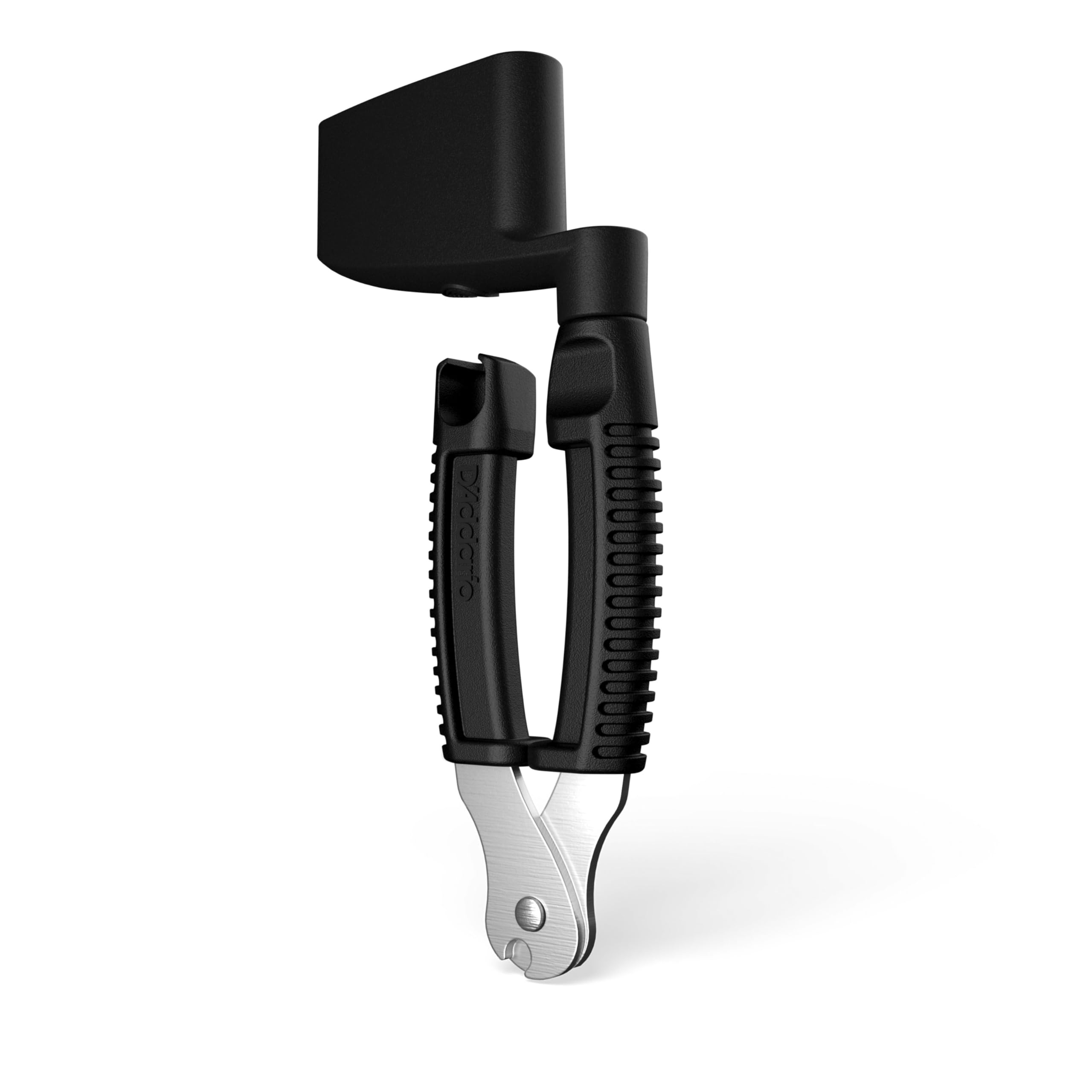
Removing/installing strings and pins precisely.
D'Addario Planet Waves PWCTP-2 Pro Compound String Cutter and Pin Puller Cuts cleanly, pulls pins without damage—essential for buzz-free installs.
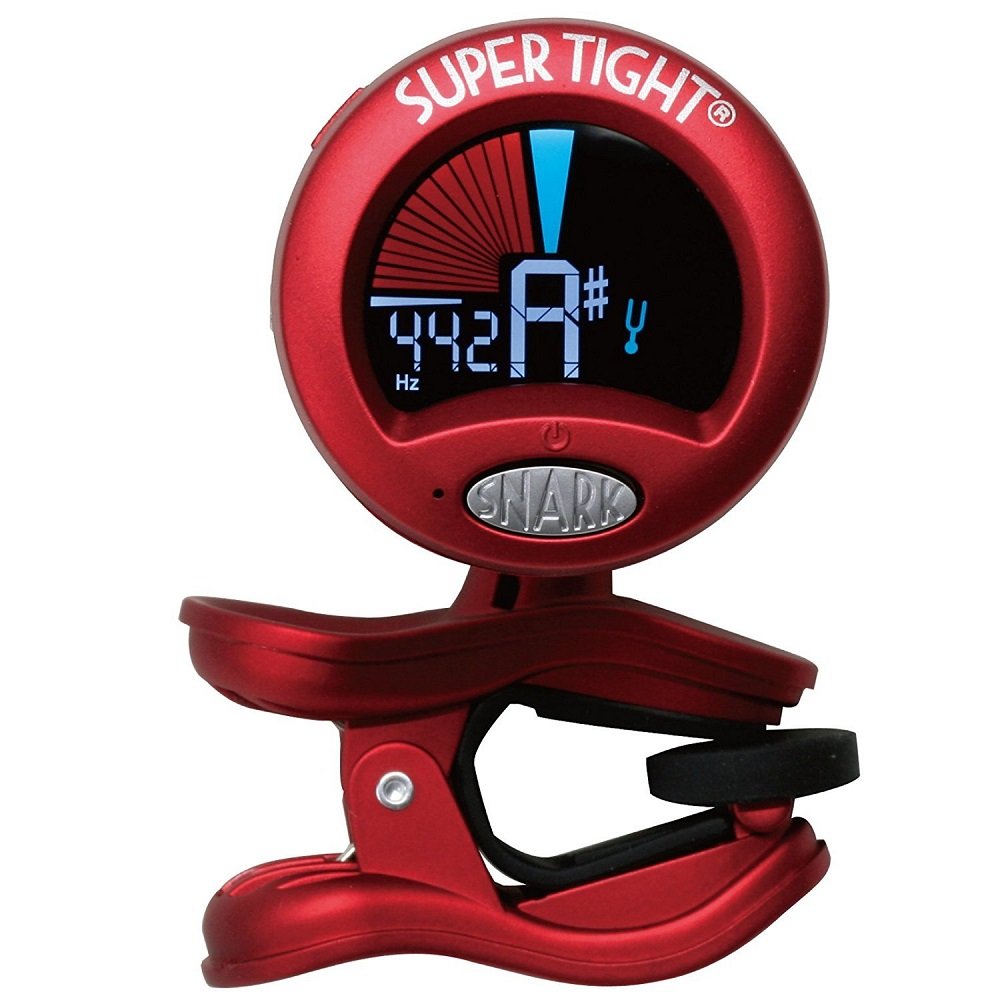
Tuning during/after restringing.
Snark SN-2 Clip-On Tuner Accurate, vibration-based tuning ensures proper tension to avoid buzz.

Long-lasting option for humid climates.
Elixir Nanoweb 80/20 Bronze Light Acoustic Strings (12-53) Coated for corrosion resistance; reduces fret buzz from oxidation.
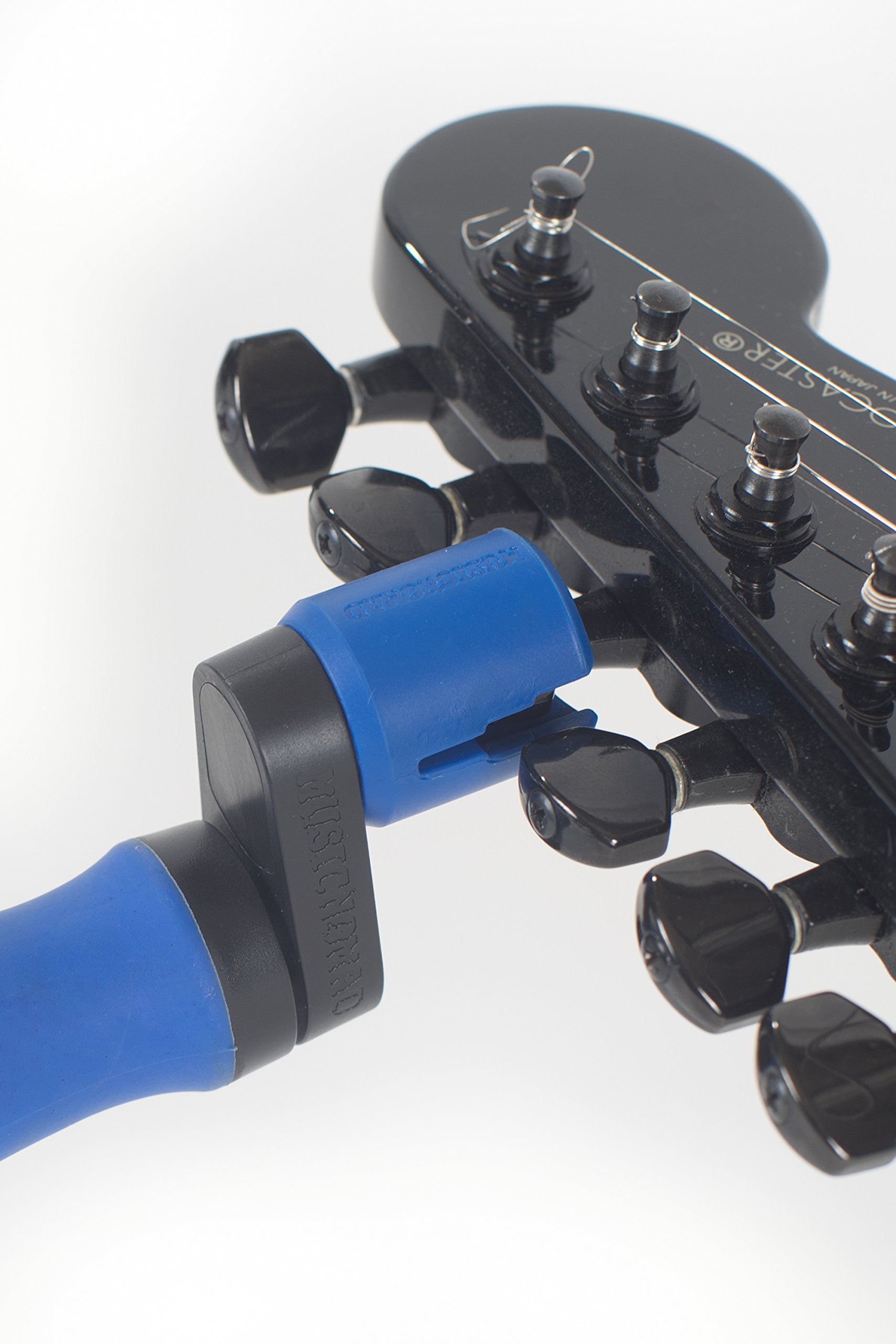
All restring jobs.
On-Stage GSW22 Guitar String Winder Speeds unwinding/winding for neat coils, preventing slippage buzz.