Has your acoustic guitar started sounding dull, with buzzing notes or strings that won't stay in tune? Worn-out strings are the culprit, and restringing is a simple maintenance task every player should know. It revives your guitar's bright tone and smooth feel without needing a pro luthier.
In this step-by-step tutorial, you'll learn everything from removing old strings to installing new ones perfectly. We'll cover tools, techniques, and tips to avoid common pitfalls. Expect a clean, professional result that makes your guitar play like new.
The process takes 30-45 minutes for beginners and requires no prior experience—just patience and care. By the end, your guitar will sound vibrant and respond effortlessly.
▸What You'll Need
- •New set of acoustic guitar strings (light gauge, e.g., phosphor bronze for warm tone)
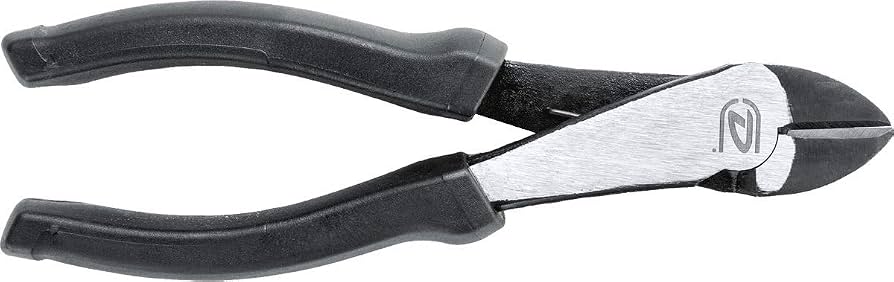
- •Wire cutters or dedicated string clippers (required for clean cuts)
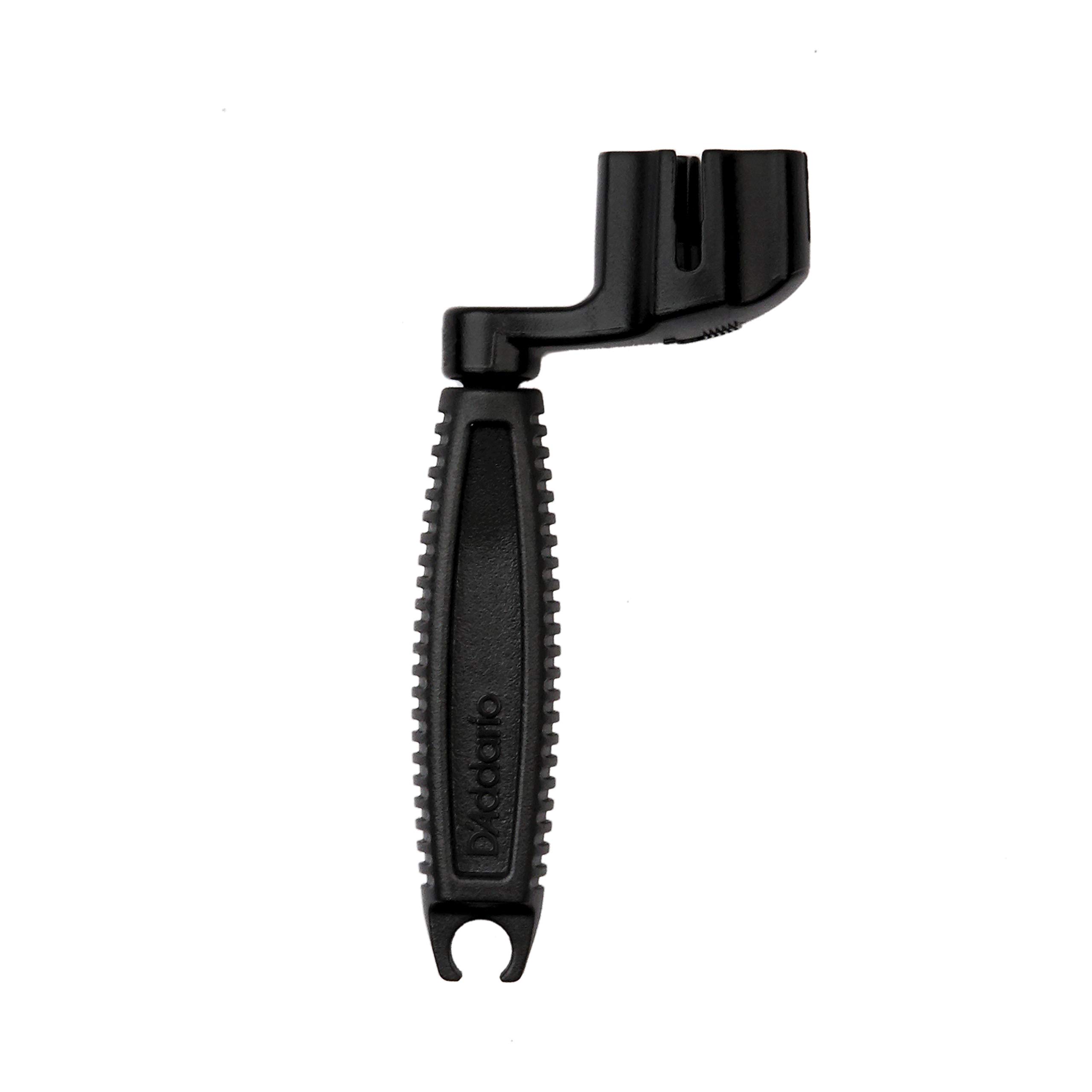
- •Peg winder (highly recommended for speed)
- •Clip-on tuner (essential for accurate tuning)
- •Clean microfiber cloth
- •Optional: Fretboard conditioner or lemon oil for cleaning
- •Tuning fork or smartphone tuner app (backup)
Estimated Time: 30-45 minutes
Difficulty: beginner
▸Step-by-Step Instructions
Step 1: Prepare Your Workspace
Clear a well-lit, flat surface like a table covered with a soft towel to protect your guitar. Remove any accessories like picks or capos. Have all tools within reach.
Why it matters: A stable setup prevents scratches and dropped parts. Lay your guitar face-up with the headstock facing you.
You'll have a organized station ready for smooth progress.
💡 Tips:
- •Work in good lighting to see string ends clearly.
- •Tune your guitar down first to reduce tension.
⚠️ Warnings:
- •Avoid hard surfaces that could ding the guitar body.
Step 2: Loosen and Remove Old Strings
Use the peg winder on each tuning peg to unwind counterclockwise (right-handed guitars). Loosen until slack, then unwind by hand.
Clip the string at the bridge end with wire cutters for quick removal. Pull the string out from the bridge pin and slide it off the tuning post. Repeat for all six strings.
Expect: Slack strings come off easily. Dispose of old strings safely.
This relieves neck tension safely.
💡 Tips:
- •Remove one string at a time if nervous about neck warp, but all at once is fine for acoustics.
⚠️ Warnings:
- •Never cut taut strings—they can whip back and injure you.
Step 3: Clean the Fretboard and Bridge
Wipe the exposed fretboard with a microfiber cloth to remove grime. Apply fretboard conditioner sparingly if using, rub in with cloth, then buff dry.
Pop out bridge pins gently with the peg winder or pliers (wrapped in cloth). Clean pin holes and bridge.
Success looks like: Shiny, residue-free wood ready for new strings.
Cleaning prevents dirt buildup under new strings.
💡 Tips:
- •Lemon oil restores dry rosewood fretboards beautifully.
⚠️ Warnings:
- •Don't over-oil—wipe excess to avoid slipperiness.
Step 4: Prepare New Strings
Unpack your string set. Identify gauges: 6th (thickest, low E) to 1st (thinnest, high E). Check for kinks.
Why: Proper order ensures correct tension and tone.
Lay them out numbered for reference.
💡 Tips:
- •Light gauge (11-52) is easiest for beginners.
Step 5: Install the Low E String (6th String)
Thread the thick end through the bridge hole. Replace pin and pull taut until the ball end seats.
Guide the other end to the tuning post. Loop over the post, bend sharply, and wind 2-3 times clockwise (away from fretboard).
Crank with peg winder while holding string taut. Tune roughly to pitch.
Expect: Secure wind that doesn't slip.
💡 Tips:
- •One wrap at post bottom, rest above for lock.
⚠️ Warnings:
- •Avoid over-winding initially to prevent breakage.
Step 6: Repeat for Strings 5-2 (A, D, G, B)
Follow the same process for the 5th (A), 4th (D), 3rd (G), and 2nd (B) strings. Use fewer winds on thinner strings (1-2).
Tune each roughly after installing.
Progress check: All but high E in place, headstock neat.
💡 Tips:
- •Keep tension even across strings.
Step 7: Install the High E String (1st String)
Same method for thinnest string: minimal wraps (1).
Now all strings are on—guitar looks complete.
💡 Tips:
- •High E is fragile; handle gently.
Step 8: Stretch, Trim, and Tune
Tune to standard (EADGBE) using clip-on tuner. Stretch each string by pulling gently upward 2-3 times.
Retune after each stretch. Clip excess tails at posts.
Final success: Stable tuning, clear open notes, no buzz.
Play and retune over next days as strings settle.
💡 Tips:
- •Up-tune gradually to avoid sharp breaks.
⚠️ Warnings:
- •Don't stretch too hard—snap risk.
▸Pro Tips
- •Change strings every 1-3 months for optimal tone.
- •Wash hands before to keep strings clean longer.
- •Use a string tree lubricant if winds slip.
- •Tune up slightly past pitch, then settle for accuracy.
- •Batch restring every 3 months during practice sessions.
- •Invest in coated strings for longer life.
- •Record before/after tones to hear improvement.
▸Common Mistakes to Avoid
- •Cutting strings under tension—causes injury; always loosen first.
- •Incorrect winding direction—slips off; wind clockwise away from nut.
- •Skipping cleaning—new strings buzz from debris; clean every time.
- •Over-tightening pins—cracks bridge; seat gently.
- •Not stretching strings—go out of tune fast; stretch 2-3 times.
▸Troubleshooting
Problem: Strings slip off tuning posts
Solution: Rewind with sharper bend and 2-3 starter turns. Use pencil graphite on post if needed.
Problem: Buzzing after restringing
Solution: Check pin seating and stretch/tune again. Neck may need truss rod tweak—seek pro if persists.
Problem: Won't stay in tune
Solution: Strings need settling: play 10-15 mins, retune repeatedly over 24 hours.
Problem: Bridge pins won't seat
Solution: Sand rough edges lightly or replace pins. Ensure ball end is through.
D'Addario EJ16 Phosphor Bronze Light Acoustic Strings
Top-rated for warm tone and easy playability on acoustics; reliable for beginners.
Best for: Standard restringing; light gauge prevents finger fatigue.
Price Range: $6.99
Planet Waves PWCT-13 Auto-Trim Peg Winder
Speeds up winding and trims excess automatically; ergonomic for beginners.
Best for: Efficiently wind and cut during restringing.
Price Range: $14.99
Snark SN5X Clip-On Tuner
Accurate, vibration-based tuner with swivel display; essential for precise tuning.
Best for: Real-time tuning feedback post-install.
Price Range: $15.99
Dunlop 6501 String Clippers
Sharp, compact for clean cuts without nicks.
Best for: Safely clip old/new string ends.
Price Range: $5.99
MusicNomad Fretboard Cleaner
Safe, effective for conditioning rosewood/maple fretboards during restring.
Best for: Step 3 cleaning for longevity.
Price Range: $9.99