Dull, worn strings rob your acoustic-electric guitar of its vibrant tone and responsiveness, especially when plugged in for gigs or recording. If you've noticed buzzing, poor intonation, or lackluster sound, it's time to restring. This quick method keeps your setup stable without neck warp risks.
In this guide, you'll learn a fast, efficient process to remove old strings, clean key areas, install fresh ones, and tune up perfectly. Tailored for intermediate guitarists familiar with basic tuning and maintenance, it emphasizes speed using essential tools.
Expect to finish in 15-20 minutes with practice. No advanced luthier skills needed – just follow the sequential steps for pro results every time.
▸What You'll Need
- •Set of acoustic guitar strings (light gauge phosphor bronze or 80/20 bronze, e.g., 12-53 for standard tuning)
- •Guitar string winder (multi-tool with peg puller preferred)
- •Wire cutters or heavy-duty nail clippers
- •Clip-on electronic tuner
- •Soft cleaning cloth and fretboard conditioner (optional but recommended)
- •Bridge pin puller (if not included in winder)
- •Graphite or peg drops (optional for tuner posts)
Estimated Time: 15-20 minutes
Difficulty: intermediate
▸Step-by-Step Instructions
Step 1: Loosen and Remove Old Strings
Use the string winder on each tuner post to loosen all six strings completely. Turn counterclockwise until slack – this prevents neck tension issues on acoustic-electrics.
Once loose, clip each string near the bridge pin with wire cutters for safety. Why it matters: Removing strings quickly avoids prolonged exposure that could warp the neck.
Pull the strings out from the tuner end. Expect some rust or dirt – that's normal after months of use.
💡 Tips:
- •Work from low E to high E for balance.
- •Save old strings if reusing bridges.
⚠️ Warnings:
- •Don't snap strings under tension – risk of injury or flying debris.
Step 2: Extract Bridge Pins and Strings
Insert the bridge pin puller or winder hook into each pin slot at the bridge. Gently rock and pull straight up to remove pins and strings.
Pro tip: Acoustic-electrics have plastic or bone pins – handle carefully to avoid cracking. Lay pins aside in order.
Clean any debris from bridge holes with a cloth. Success looks like empty, clean bridge holes ready for new strings.
💡 Tips:
- •Number pins with tape if mixing types later.
⚠️ Warnings:
- •Twisting pins can enlarge holes – pull vertically.
Step 3: Clean Fretboard and Body
Wipe the fretboard with a slightly damp cloth, then apply fretboard conditioner. Let sit 1-2 minutes, buff off.
Quick dust the body, rosette, and electronics cavity (unplugged). Why quick: Builds in cleaning for faster total time.
Fretboard should look fresh and oiled – enhances new string feel.
💡 Tips:
- •Skip conditioner first time? Use lemon oil sparingly.
Step 4: Prepare and Install Low E String
Unpack strings, start with thickest (6th, low E). Insert ball end into bridge hole farthest from neck.
Replace pin firmly (flush but not hammered). Pull string taut to tuner post, snip 2-3 inches excess at post.
Success: String secure, no slippage when tugged.
💡 Tips:
- •Bend ball end slightly for better pin seat.
Step 5: Thread and Wind Remaining Strings
Repeat Step 4 for 5th (A), 4th (D), 3rd (G), 2nd (B), 1st (E) strings – thinnest last.
At tuner: Loop string through post hole, pull snug, crank winder clockwise 2-3 wraps below strings, then overhand.
Why order matters: Balances tension evenly for intonation.
💡 Tips:
- •Same wind direction on all posts prevents slipping.
⚠️ Warnings:
- •Don't over-wrap – max 4 wraps or tuner binds.
Step 6: Initial Tune and Stretch Strings
Clip-on tuner: Bring each to pitch (EADGBE). Stretch by pulling/fretting each string 3-4 times from bridge to neck.
Retune after each stretch – strings will drop sharp.
Expect: Multiple passes; stable after 5-10 mins.
💡 Tips:
- •Tune up gradually in fourths to avoid overshoot.
Step 7: Trim Excess and Final Check
Clip tails at tuner posts close to windings (1/4 inch). Tuck if needed.
Play open/chords: Check for buzz, even action. Plug in – verify pickup balance.
Done right: Bright tone, no slips, ready to play.
⚠️ Warnings:
- •Leave 1/8 inch or rewinding needed.
▸Pro Tips
- •Pre-cut all strings to tuner length for 2-min speed gain.
- •Lube tuner posts with graphite for smoother winding.
- •Stretch strings vigorously – settles faster, holds tune longer.
- •Use coated strings for acoustic-electrics to resist sweat near pickups.
- •Tune in small increments (quarter tones) post-stretch.
- •Work in good light; inspect pins for wear.
- •Batch restring every 3 months for gig-ready tone.
▸Common Mistakes to Avoid
- •Removing strings one-by-one slowly: Causes uneven tension – do all at once.
- •Hammering pins too hard: Cracks bridge – press firmly only.
- •Skipping stretch: Strings detune constantly in first days – always stretch.
- •Wrong string gauge: Throws off intonation on acoustic-electrics – match original.
- •Over-winding tuners: Slips or breaks posts – 2-3 wraps max.
▸Troubleshooting
Problem: String slips off bridge pin
Solution: Re-seat ball end deeper; use pliers on pin gently. Switch to Tusq pins if chronic.
Problem: Buzzing after restring
Solution: Stretch more and retune; check nut slots. Truss rod tweak if persists (seek pro).
Problem: Tuner won't hold pitch
Solution: Clean/lube posts with peg drops. Tighten tuner screws.
Problem: Pickup sounds dull
Solution: Wipe strings/pickup area; new strings revive piezo output.
Elixir Nanoweb Phosphor Bronze Light Acoustic Strings 12-53 (ASIN: B00HVO9VJ0)
Coated for 3-5x longer life, ideal for acoustic-electrics to maintain bright plugged-in tone.
Best for: Regular players needing sweat-resistant strings that stay fresh for gigs.
Price Range: $15-17
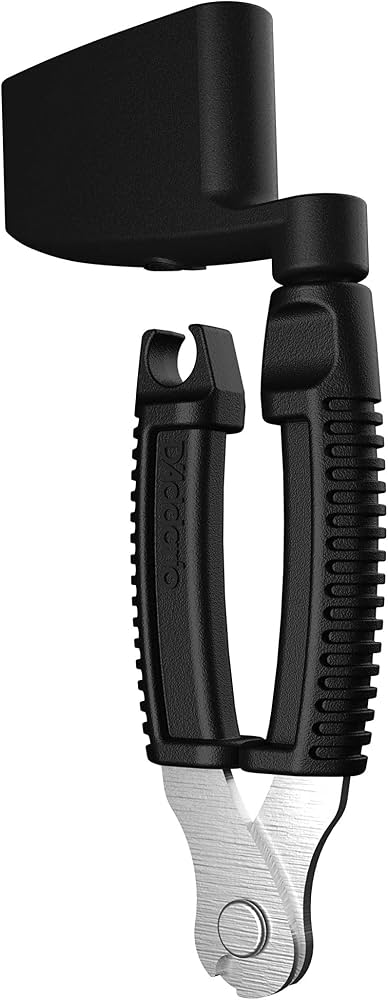
D'Addario PW-CT-15 Planet Waves String Winder & Cutter & Bridge Pin Puller (ASIN: B07D7J5J7S)
3-in-1 tool speeds entire process – essential for quick restringing.
Best for: DIY maintenance at home or on tour; saves time vs separate tools.
Price Range: $12-15
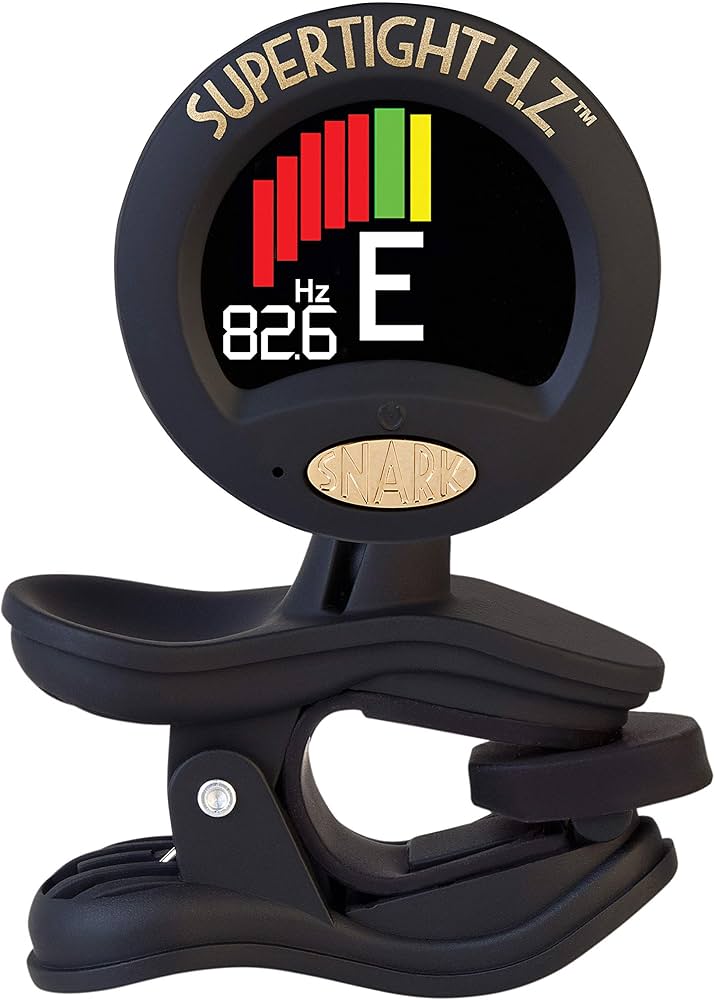
Snark ST-8HZ Clip-On Tuner (ASIN: B00KFE1QW0)
Vibrato detection tunes accurately even with new stretchy strings.
Best for: Fast, hands-free tuning during restring; works unplugged or amplified.
Price Range: $14-16
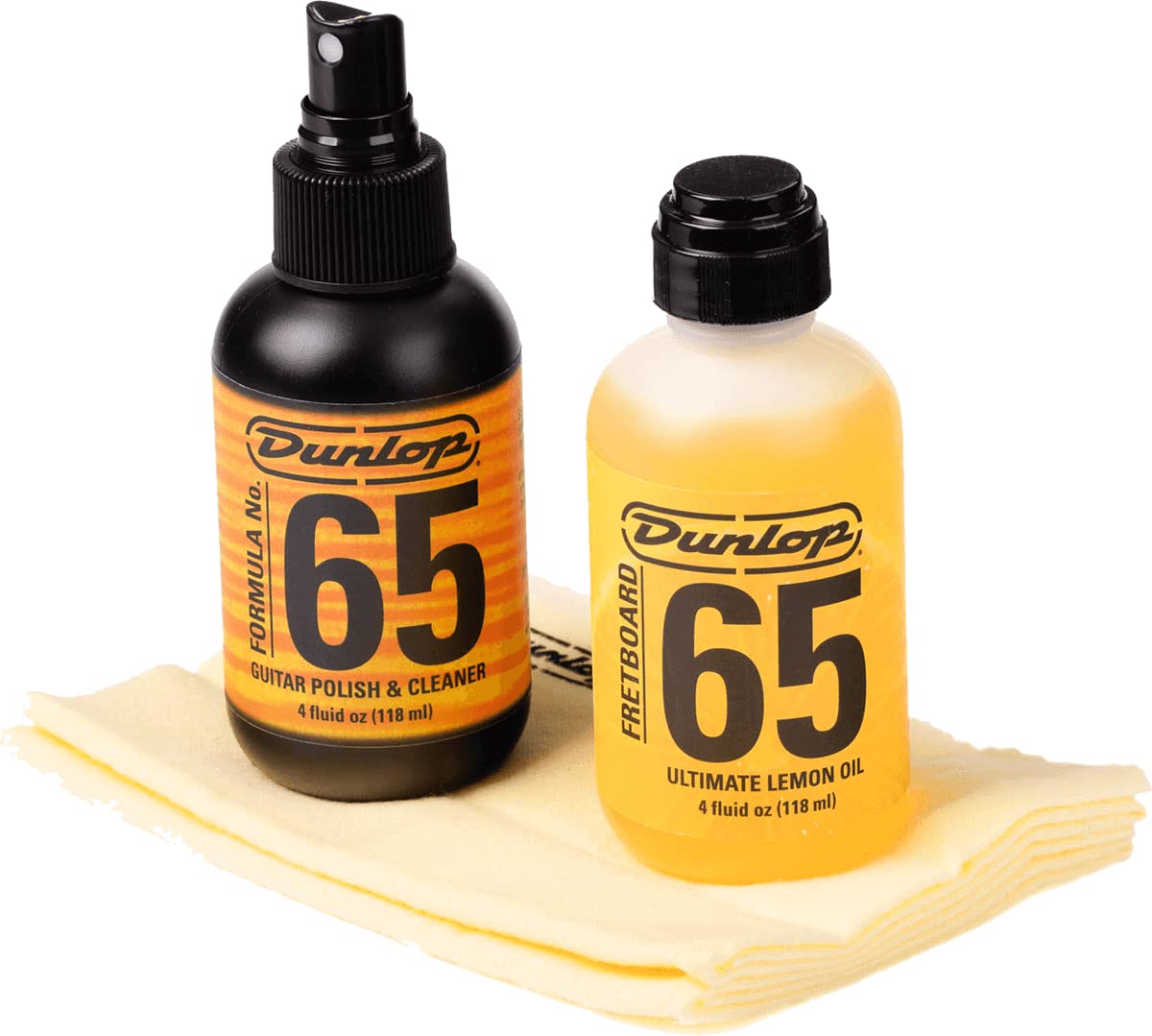
Dunlop 6503 Peg Drops (ASIN: B0009QOH4Y)
Prevents tuner slip-ups for stable tuning post-restring.
Best for: Sticky vintage tuners on acoustic-electrics; apply sparingly.
Price Range: $5-7
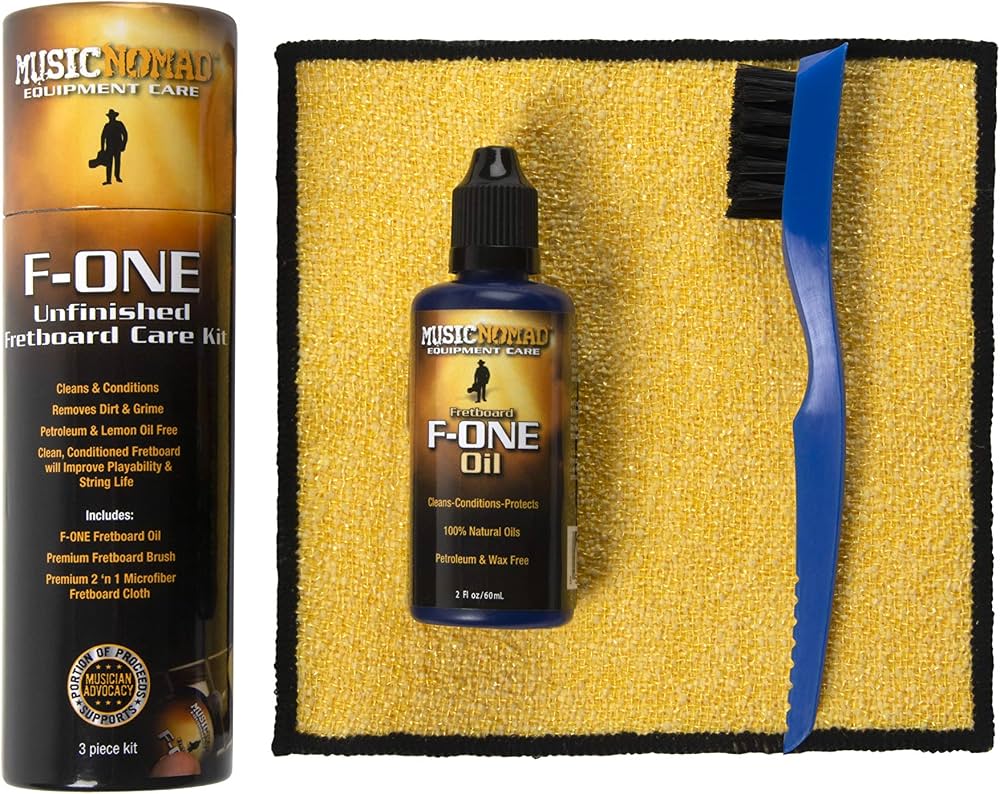
MusicNomad Fretboard Cleaner Kit (ASIN: B00N4I6K9Q)
Safe, effective clean during restring boosts new string performance.
Best for: Rosewood/ebony boards; optional but elevates playability.
Price Range: $10-12