Nothing kills the vibe like dull, dead strings on your acoustic guitar. If your guitar sounds flat or strings are breaking, it's time to restring. Coated strings, like Elixir or D'Addario EXP, add a thin polymer layer for extended life—up to 3-5x longer than uncoated—while keeping that bright acoustic sparkle.
This beginner-friendly guide walks you through every step, from removing old strings to tuning new coated ones. You'll achieve fresh, vibrant sound without frustration. The process takes 30-45 minutes, requires basic tools, and prevents common pitfalls like improper winding.
Expect a clean, professional result: strings seated perfectly, no buzzing, and playability restored. Let's get your guitar singing again!
▸What You'll Need
- •New set of coated acoustic guitar strings (light gauge .012-.053 recommended for beginners)
- •Guitar string clippers or heavy-duty wire cutters
- •Peg winder (highly recommended for speed)
- •Electronic clip-on tuner
- •Clean microfiber cloth
- •Optional: Capo (to secure strings during install), string lubricant or peg drops
Estimated Time: 30-45 minutes
Difficulty: beginner
▸Step-by-Step Instructions
Step 1: Prepare Your Workspace
Clear a flat, well-lit surface like a table covered with a soft towel to protect your guitar. Lay out all tools and the new string pack. Remove the guitar from its case and relax the tension slightly by turning tuning pegs counterclockwise—this prevents neck stress during restringing.
Why it matters: A organized setup avoids lost parts or scratches. Coated strings are slippery, so keep them handy. Success looks like: Guitar stable, tools within arm's reach.
💡 Tips:
- •Work in good light to see ball ends clearly.
- •Play music to stay relaxed!
⚠️ Warnings:
- •Avoid hard surfaces that could ding the guitar body.
Step 2: Loosen and Remove Old Strings
Turn each tuning peg counterclockwise to slacken all strings fully. Starting with the low E (thickest), clip the string near the bridge with clippers for safety—never near your face. Unwind from the tuner post and pull the ball end out from the bridge pin.
Remove one string at a time or all at once; for beginners, all at once is fine on acoustics. Gently rock bridge pins out with pliers if stuck. Success: Fretboard exposed, no old string remnants.
💡 Tips:
- •Clip midway to control the string—prevents whip-back.
⚠️ Warnings:
- •Don't yank pins; they can break or strip holes.
Step 3: Clean the Fretboard and Bridge
Wipe the fretboard with a slightly damp microfiber cloth, then dry thoroughly. Use steel wool (#0000) lightly on frets if dirty (optional). Clean nut, saddle, and tuner posts.
This step is crucial for coated strings—they adhere better to clean surfaces, maximizing tone transfer. Expect a fresh, lemon-oil scented board. Success: Shiny frets, no grime.
💡 Tips:
- •Apply fretboard conditioner post-clean for extra protection.
Step 4: Unpack and Identify New Coated Strings
Open the coated string pack carefully—note the color-coded ends (thinnest high E is usually green or marked). Lay them in order: low E (thickest, often purple) to high E.
Coated strings feel slick; handle by ends to avoid oils. Success: Strings sorted left-to-right on table.
💡 Tips:
- •Keep wrappers for gauge reference.
Step 5: Install the Low E String
Insert the ball end into the low E bridge pin hole. Push the pin in firmly until flush (tap lightly with fist if needed). Pull string taut to the neck.
Route up the headstock, over nut, into tuner post hole (about 3/16" in). Success: String secure at bridge, threaded to tuner.
💡 Tips:
- •Use capo on 1st fret to hold tension while winding.
Step 6: Wind the String on Tuner Post
Use peg winder: Turn clockwise 1-2 full turns to seat, then tighter. Wind downward toward tuner base (2-3 layers max). Coated strings need more turns initially due to slipperiness.
Cut excess after 3-4 winds. Success: Neat coils, no overlaps.
💡 Tips:
- •Bend string 90° at post hole for secure start.
⚠️ Warnings:
- •Avoid piling winds at top—causes slippage.
Step 7: Repeat for Remaining Strings
Install A, D, G, B, high E similarly, from thickest to thinnest. Tune roughly to pitch as you go using clip-on tuner.
Success: All strings on, basic tension.
💡 Tips:
- •Thinner strings wind faster—fewer turns.
Step 8: Stretch, Tune, and Trim
Stretch each string: Pull gently upward 4-5 times while tuning back up. This sets the coating and prevents tuning instability. Tune to standard (EADGBE), retune 3-4 times as they settle. Clip excess ends near post.
Play chords to check intonation. Success: Stable tuning, clear tone.
💡 Tips:
- •Stretch more on coated strings—they're stretchier.
⚠️ Warnings:
- •Don't over-stretch; can pop pins.
Step 9: Final Check and Play-In
Lubricate nut slots if sticky (peg drops). Play for 10-15 mins; retune as needed. Coated strings break in over 1-2 days.
Success: Buzz-free, bright sound ready to play.
💡 Tips:
- •Wash hands before playing to preserve coating.
▸Pro Tips
- •Install thickest strings first for easier access to bridge pins.
- •Use a felt tip to mark tuner post start for perfect winds.
- •For coated strings, tune up in small increments to avoid kinks.
- •Keep guitar in case post-restring to stabilize humidity.
- •Invest in a peg winder—saves 15 minutes per change.
- •Stretch strings from bridge to nut only; avoid neck pulls.
- •Clean tools after to prevent rust on coated string residue.
▸Common Mistakes to Avoid
- •Winding strings upward on post—increases slip risk; always downward.
- •Not stretching strings—leads to constant retuning for days.
- •Over-tightening bridge pins—strips holes; tap gently.
- •Installing all thin strings first—bridge gets crowded.
- •Skipping cleanup—old grime dulls new coated tone immediately.
▸Troubleshooting
Problem: String slips off tuner post
Solution: Re-wind with 90° bend at hole; add 1-2 drops lubricant if sticky.
Problem: Buzzing after restringing
Solution: Check nut seating and stretch more; retune slowly.
Problem: Bridge pin won't seat
Solution: Sand pin lightly or swap with spare; ensure ball end is straight.
Problem: Won't hold tune
Solution: Stretch repeatedly; coated strings need 24-48 hours to settle.
Problem: Strings feel stiff
Solution: Normal for coated—play in for a week; use lighter gauge next time.
Elixir Nanoweb Acoustic Guitar Strings, Light .012-.053
Top-rated coated strings with anti-corrosion coating for 3-5x life; smooth feel ideal for beginners.
Best for: Standard 6-string acoustic restringing.
Price Range: $16.99
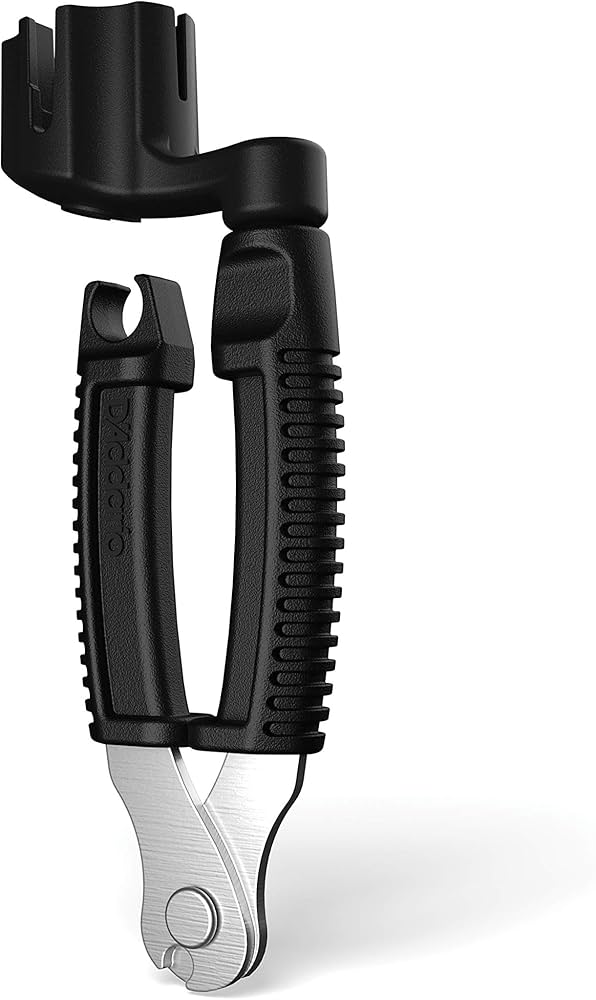
D'Addario Planet Waves Polypropylene Guitar String Winder
Ergonomic lever speeds peg turning by 50%; fits most acoustics.
Best for: Quick winding without finger fatigue.
Price Range: $5.99
undefined
All-in-one tool with sharp cutters for coated strings; durable steel.
Best for: Cutting old strings safely and winding new.
Price Range: $8.99
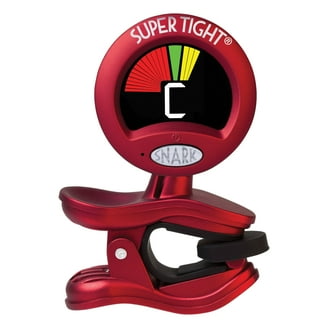
Snark ST-8HZ Clip-On Tuner
Accurate, swivel display for easy acoustic tuning; vibration-based.
Best for: Precise pitch during install and stretching.
Price Range: $14.99
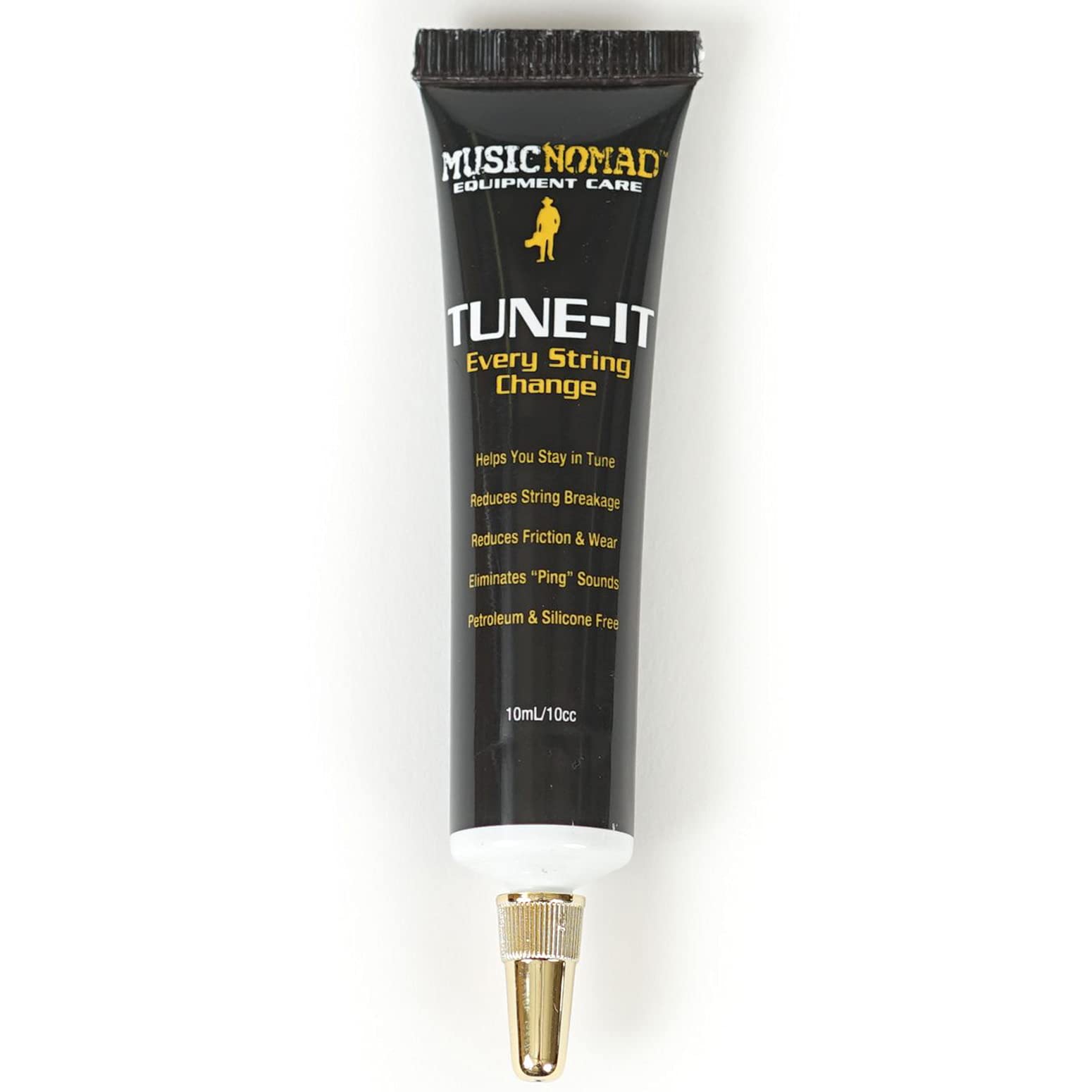
MusicNomad Nut Sauce String Lubricant
Prevents sticking on coated strings; extends tuner life.
Best for: Nut and tuner post lubrication post-install.
Price Range: $9.99