
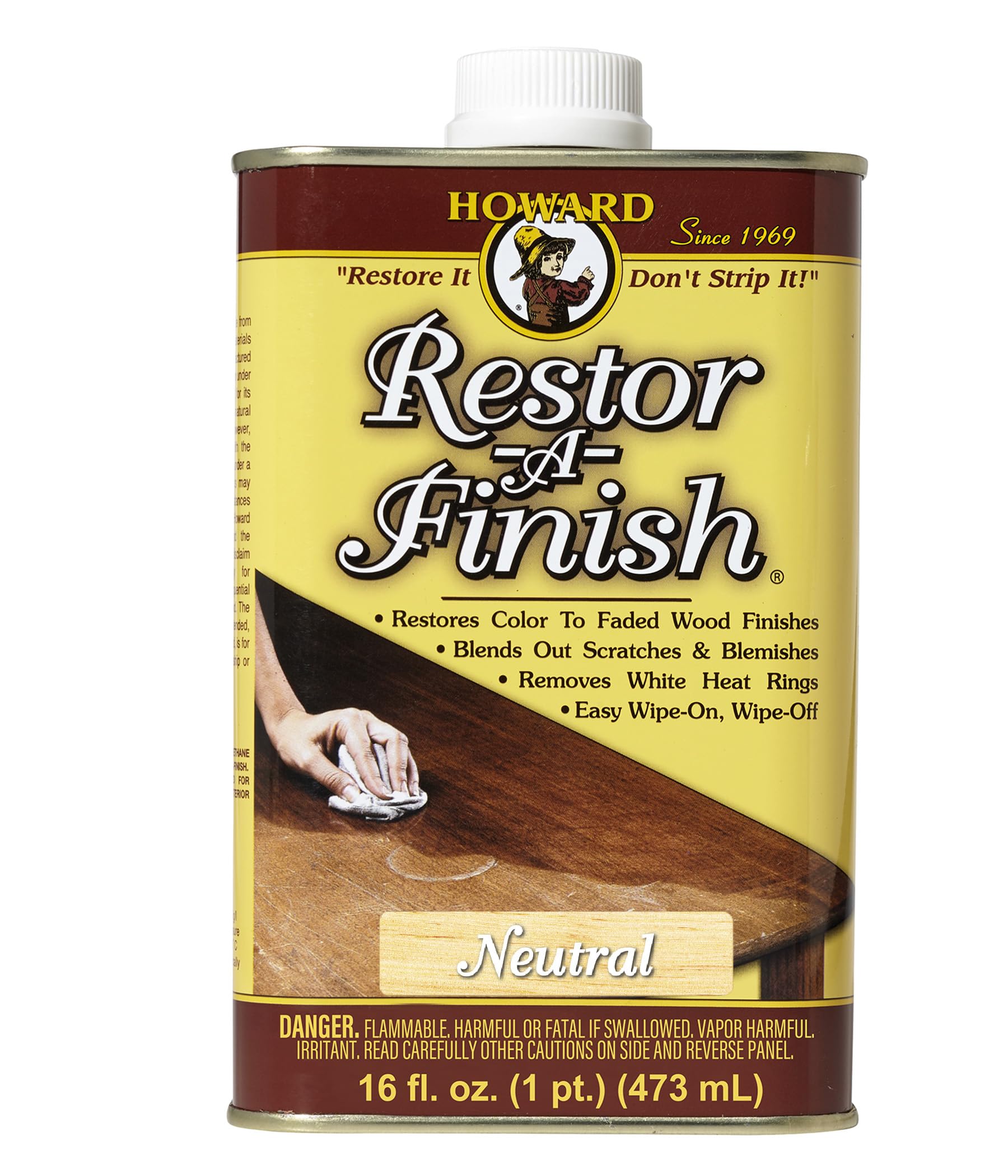
Howard Products RF3016 Restor-A-Finish
Color matching and minor wear on tabletops
$12.99
Howard Products RF3016 Restor-A-Finish Blends oils to revive shellac/varnish without stripping
Get the App
Better experience on mobile
Revive faded antique finishes to original luster using advanced techniques, preserving value without stripping the wood.
Antique furniture often loses its shine due to years of dust, wax buildup, and environmental wear, diminishing its historical value and aesthetic appeal. For collectors and restorers, restoring the original finish—rather than refinishing—maintains authenticity and can increase worth by thousands. This guide equips advanced enthusiasts with proven methods to breathe new life into pieces like Victorian tables or Chippendale chairs.
You'll learn a step-by-step process focusing on assessment, cleaning, repair, and traditional finishing like French polishing. Expect 4-8 hours of active work spread over 2-3 days to account for drying times. Success means a satin-smooth, even sheen matching the era's style, with no modern plastic-like gloss.
This advanced tutorial assumes familiarity with wood grains, solvents, and fine sanding—perfect for those who've tackled basic stripping before.
Estimated Time: 4-8 hours over 2-3 days Difficulty: advanced
Examine the furniture under bright, angled light or UV to identify the finish: shellac (alcohol-soluble, warm tone), varnish (water-resistant, glossy), or lacquer (modern, fast-drying). Test solubility by dabbing denatured alcohol on an inconspicuous area—if it softens, it's shellac.
Document damage: crazing, alligataring, white haze (water damage), or color fading. This determines restorability—shellac responds best to traditional revival.
Success looks like: A clear diagnosis, e.g., 'Victorian shellac with haze.'
💡 Tips:
⚠️ Warnings:
Mix mild soap (Murphy's Oil Soap diluted 1:10) with warm water; wipe with a soft cloth, avoiding saturation. Follow with denatured alcohol on cheesecloth to dissolve wax buildup—work in sections, immediate buff dry.
This removes grime without abrading. Alcohol evaporates fast, preventing water rings.
Success looks like: Uniform matte surface, no sticky residue.
💡 Tips:
⚠️ Warnings:
Dip #0000 steel wool in mineral spirits or Restor-A-Finish; lightly scrub in circular motions to level uneven finish. Wipe residue with tack cloth.
This abrades oxidation without penetrating to bare wood, ideal for shellac.
Success looks like: Even color, satin feel—no shiny spots.
💡 Tips:
⚠️ Warnings:
For dents, steam with damp cloth over hot iron to swell fibers. Fill deep scratches with shellac stick, melt with burn-in knife, scrape flush once cool.
Sand lightly with 600-grit if needed, feather edges.
Success looks like: Invisible repairs blending seamlessly.
💡 Tips:
⚠️ Warnings:
Apply Restor-A-Finish sparingly with #0000 wool, let penetrate 15 min, wipe excess. For traditional shellac, mix 2-lb cut (2 oz flakes per pint alcohol), brush thin coats.
Buff between coats with pumice slurry (pumice + water).
Success looks like: Revived depth, no blotchiness.
💡 Tips:
⚠️ Warnings:
Pad shellac with cheesecloth-wrapped cotton ball charged with shellac and oil drop. Rub concentric circles building pressure, spirit off alcohol haze.
Repeat 20-30 passes per section.
Success looks like: Mirror-like depth matching antiques.
💡 Tips:
⚠️ Warnings:
Polish with Renaissance Wax using soft cloth. Inspect under light, touch up.
Allow 24-48 hr cure.
Success looks like: Period-perfect patina, water beads off.
Problem: Blotchy color after cleaning
Solution: Blend with artist oil pigments in shellac; apply thin glazes.
Problem: Cloudy haze post-polish
Solution: Wipe with denatured alcohol pad; re-polish.
Problem: Cracking new finish
Solution: Shrinkage mismatch—switch to compatible shellac grade.
Problem: Veneer lifting
Solution: Clamp with hide glue; seek pro if extensive.
Blends oils to revive shellac/varnish without stripping
Best for: Color matching and minor wear on tabletops
Price Range: $12.99
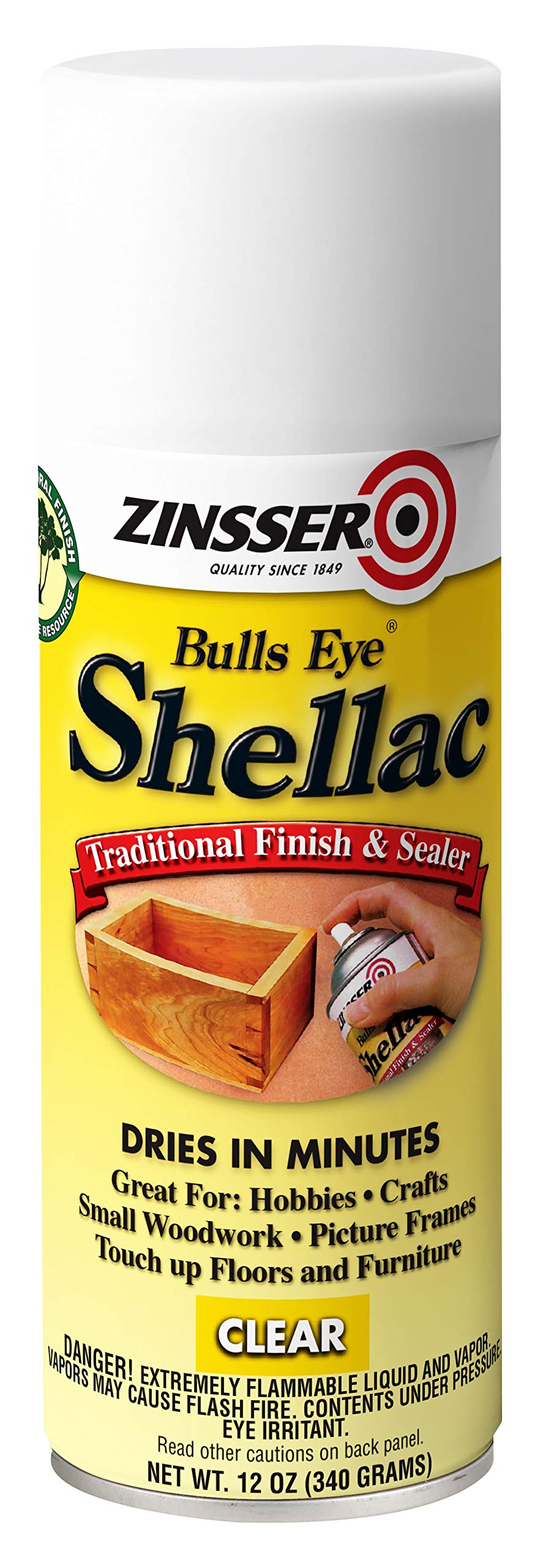
Pre-mixed traditional finish, alcohol-soluble for authenticity
Best for: French polishing heirloom cabinets
Price Range: $19.99
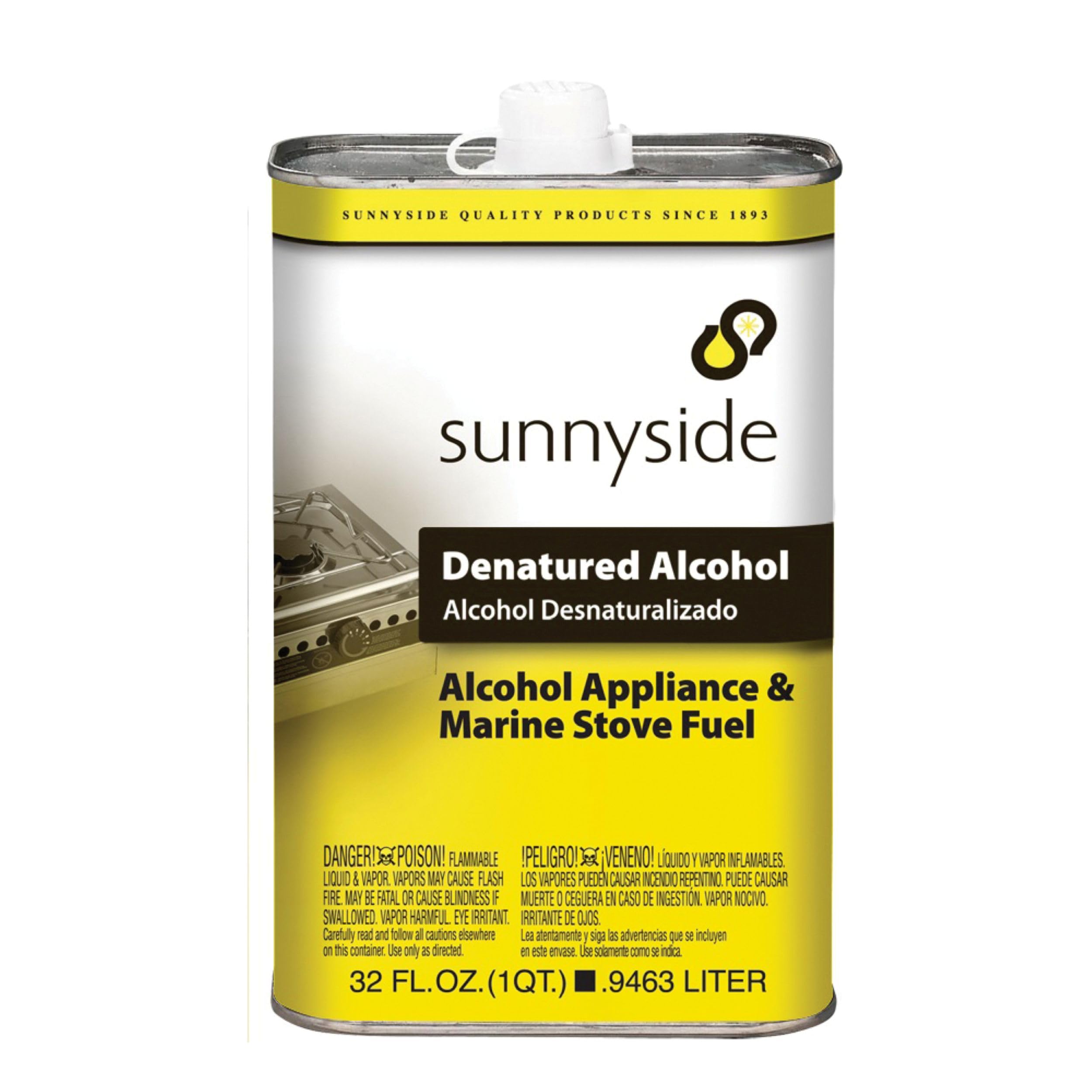
Pure solvent for cleaning and shellac thinning
Best for: Removing wax buildup safely
Price Range: $14.99
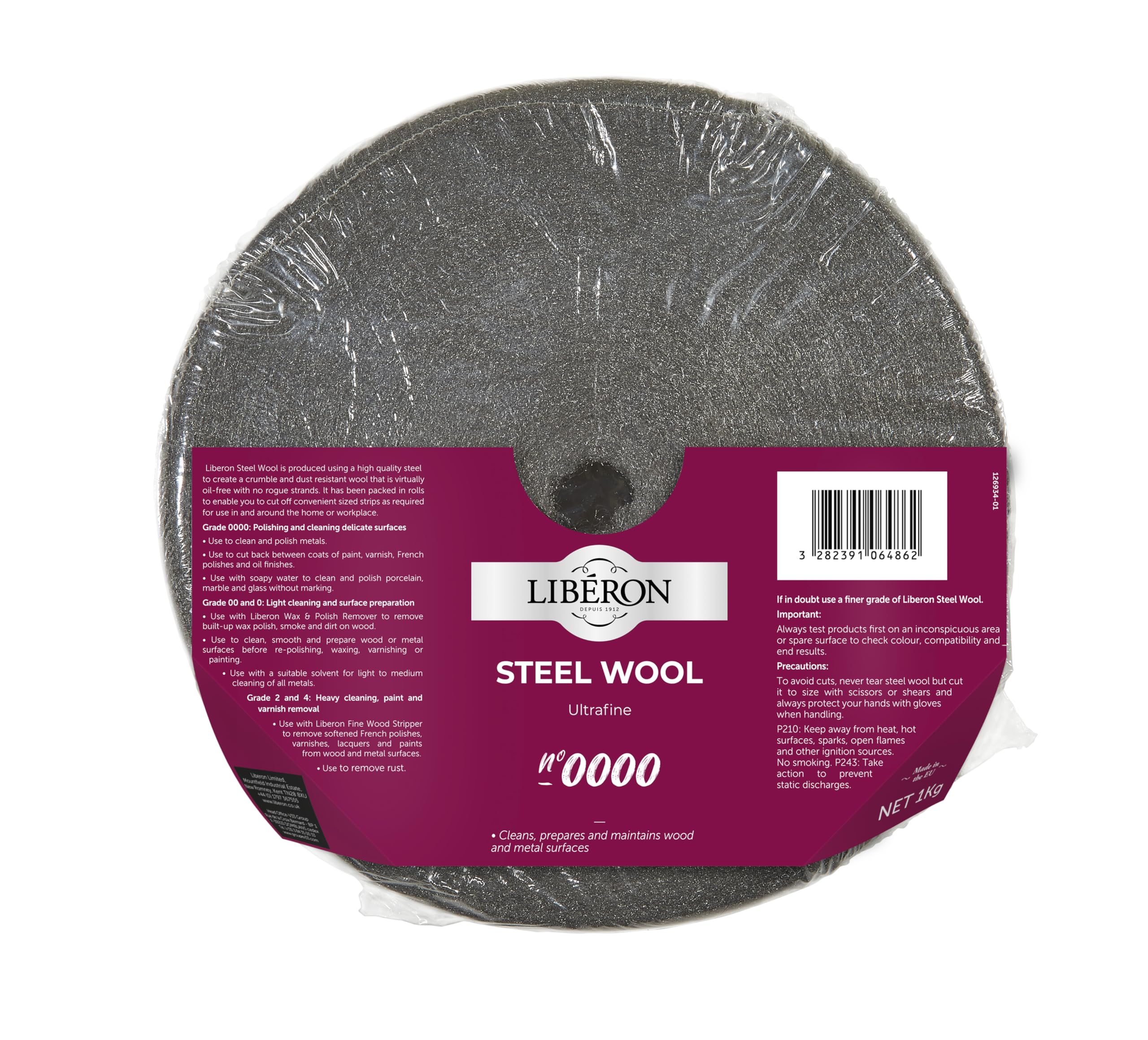
Ultra-fine grade prevents scratching delicate finishes
Best for: Leveling oxidation on carved details
Price Range: $9.99
Protects restored finish with museum-grade satin
Best for: Final buff on high-traffic antiques
Price Range: $24.99
Color matching and minor wear on tabletops
Howard Products RF3016 Restor-A-Finish Blends oils to revive shellac/varnish without stripping
French polishing heirloom cabinets
Zinsser Bulls Eye Shellac Pre-mixed traditional finish, alcohol-soluble for authenticity
Removing wax buildup safely
Sunnyside Denatured Alcohol Pure solvent for cleaning and shellac thinning
Leveling oxidation on carved details
Liberon 0000 Steel Wool Ultra-fine grade prevents scratching delicate finishes
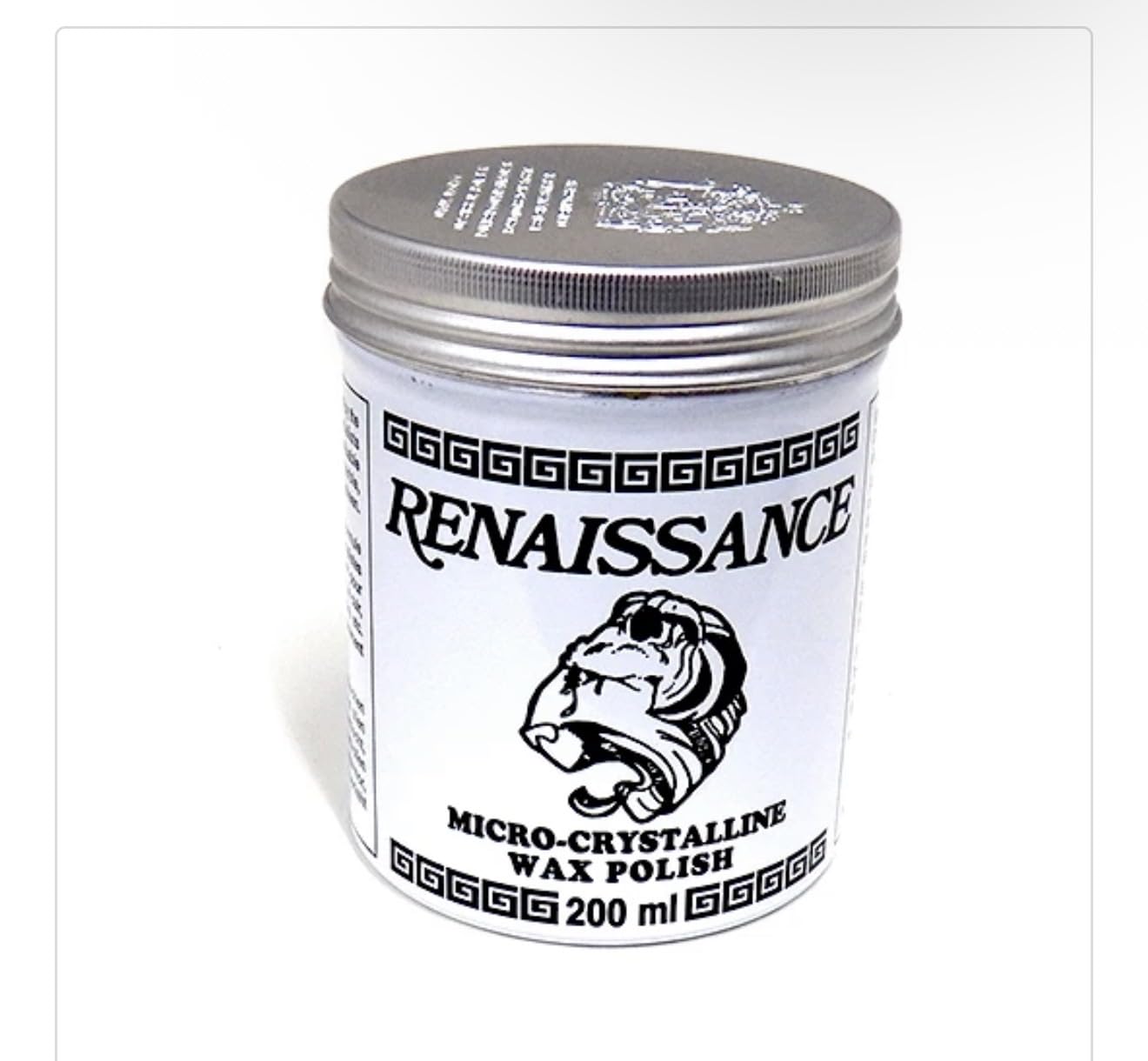
Final buff on high-traffic antiques
Renaissance Micro-Crystalline Wax Polish Protects restored finish with museum-grade satin