
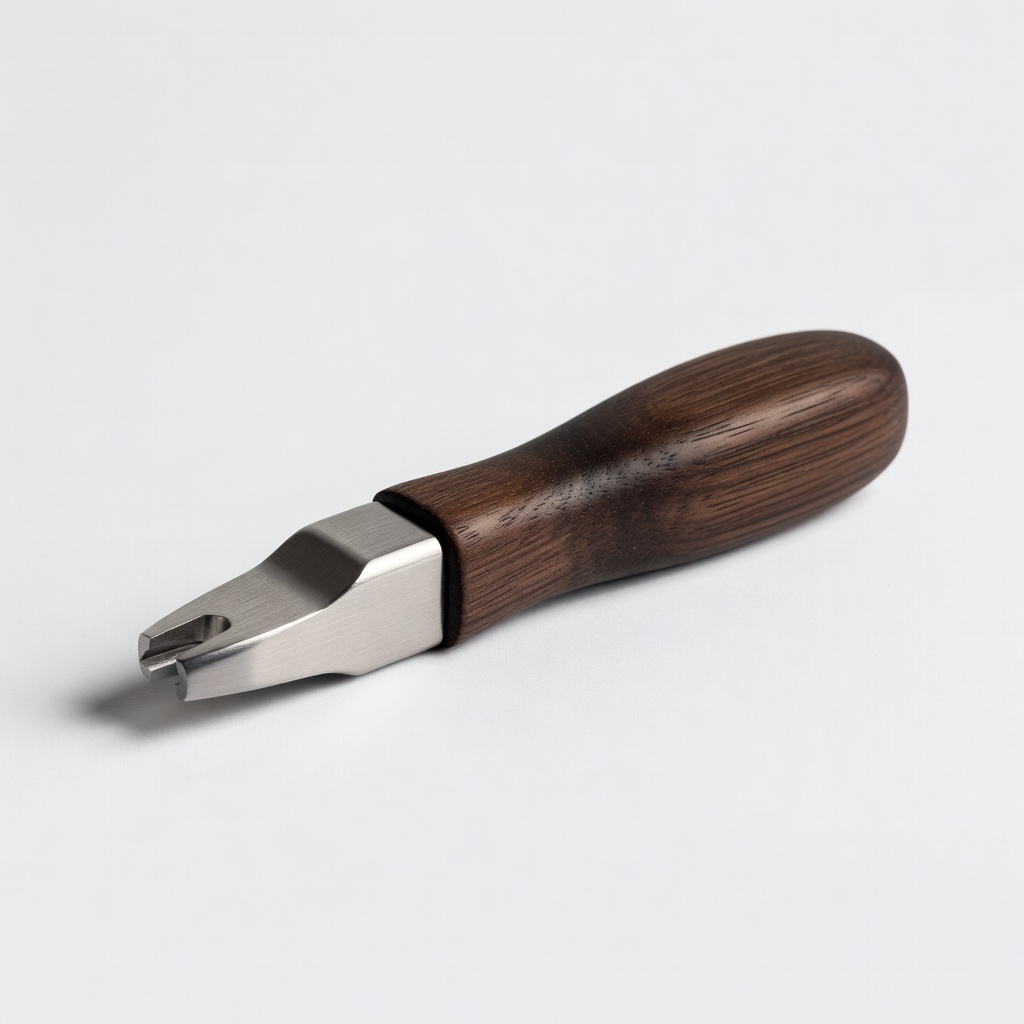
MusicNomad MN200 Bridge Pin Puller
Essential for safe removal on stubborn pins during replacement.
$14.99
MusicNomad MN200 Bridge Pin Puller Ergonomic design grips pins securely without slipping, preventing bridge damage.
Get the App
Better experience on mobile
Restore your acoustic guitar's tone and intonation by replacing worn bridge pins in just 20-30 minutes with this easy intermediate guide.
Worn or loose bridge pins on your acoustic guitar can cause buzzing strings, poor sustain, and intonation issues, robbing your playing of clarity and volume. If you've noticed your guitar sounding dull or strings slipping out of tune easily, it's time for a bridge pin replacement. This simple maintenance task can breathe new life into your instrument without a luthier visit.
In this step-by-step guide, you'll learn how to safely remove old pins, clean the bridge, and install new ones for optimal performance. Perfect for intermediate players comfortable with basic guitar setup. The process takes 20-30 minutes and requires minimal tools—no soldering or advanced skills needed.
By the end, your guitar will have improved string stability, better tone transmission, and a refreshed feel. Let's get started!
Estimated Time: 20-30 minutes Difficulty: intermediate
Choose a well-lit, stable surface like a guitar stand or table covered with a soft towel to avoid scratches. Remove any accessories from the guitar body.
Inspect the bridge pins for wear: look for cracks, discoloration, or looseness by gently wiggling them. Confirm you have matching replacement pins—most acoustics use plastic pins about 2-1/8" long with a 1/4" dot diameter. Success here: guitar is detensioned and ready.
Lay out all tools for easy access.
💡 Tips:
⚠️ Warnings:
Use a string winder or your fingers to loosen all six strings significantly—turn tuners counterclockwise until slack. This reduces tension on the bridge pins, preventing the bridge from lifting.
Why it matters: High tension can make pins hard to remove and risk damaging the bridge plate. Expect strings to flop loosely; detune to below the 12th fret pitch if using a tuner.
Clip excess slack if needed, but don't remove strings yet.
💡 Tips:
⚠️ Warnings:
Insert the bridge pin puller into the slot of the first pin (usually bass side first). Squeeze the handles gently and rock side-to-side while pulling up steadily. The pin should pop out smoothly.
Repeat for all six pins. Place removed pins aside for inspection. Success: all pins out without breaking strings or scratching wood.
If pins are stuck, apply slight downward pressure first, then pull.
💡 Tips:
⚠️ Warnings:
Shine a light into the pin holes to check the bridge plate for dirt, corrosion, or wear. Use a soft cloth lightly dampened with isopropyl alcohol to wipe the bridge and remove debris from holes.
Why: Clean holes ensure new pins seat properly for better tone transfer. Let dry fully (1-2 minutes). Expect to see ball ends of strings visible in holes.
Gently push strings back if needed.
💡 Tips:
⚠️ Warnings:
Select pins matching your guitar's style (e.g., white dot for Martin-style). Test-fit one pin: it should slide in smoothly over the string ball end and sit flush without excessive wobble.
Trim any excess length if pins are too long (rare), using clippers. Success: pins ready, snug but not tight fit.
Arrange in playing order (thickest to thinnest).
💡 Tips:
⚠️ Warnings:
Hook each string ball end securely in its hole. Align the pin slot with the string, then tap gently with your palm or a soft mallet until flush (head 1-2mm above bridge).
Work from bass to treble. Pins should hold strings firmly without gaps. Why: Proper seating maximizes vibration transfer.
Repeats for all strings.
💡 Tips:
⚠️ Warnings:
Tune to standard pitch using an electronic tuner. Stretch strings lightly by pulling up at 12th fret.
Check intonation: compare open string to 12th fret harmonic/note. Adjust saddle if needed (separate guide). Play chords—listen for clear tone, no buzz.
Success: stable tuning, rich sustain.
💡 Tips:
⚠️ Warnings:
Problem: Pins won't come out
Solution: Apply WD-40 specialist lubricant sparingly, wait 5 min, retry puller. If seized, seek luthier.
Problem: New pins too loose
Solution: Wrong size—exchange for thicker dots. Temporary fix: slight epoxy on pin base.
Problem: Buzzing after install
Solution: Reseat pins flush, check string height, tune and stretch strings.
Problem: Intonation off
Solution: Pins not aligned with strings—remove/reinsert. May need saddle adjustment.
Ergonomic design grips pins securely without slipping, preventing bridge damage.
Best for: Essential for safe removal on stubborn pins during replacement.
Price Range: $14.99
Affordable plastic pins with perfect fit for most acoustics, great starter upgrade.
Best for: Full set replacement for Martins, Taylors; white dot style.
Price Range: $9.99
Self-lubricating Tusq material improves tuning stability and sustain over plastic.
Best for: Premium upgrade for better tone on mid-range guitars.
Price Range: $39.95
Compact, multi-tool with string cutter—versatile for quick jobs.
Best for: On-the-go maintenance or restringing sessions.
Price Range: $12.99
Authentic bone for authentic warm tone and projection.
Best for: High-end replacement for vintage-style acoustics.
Price Range: $25-$35
Essential for safe removal on stubborn pins during replacement.
MusicNomad MN200 Bridge Pin Puller Ergonomic design grips pins securely without slipping, preventing bridge damage.
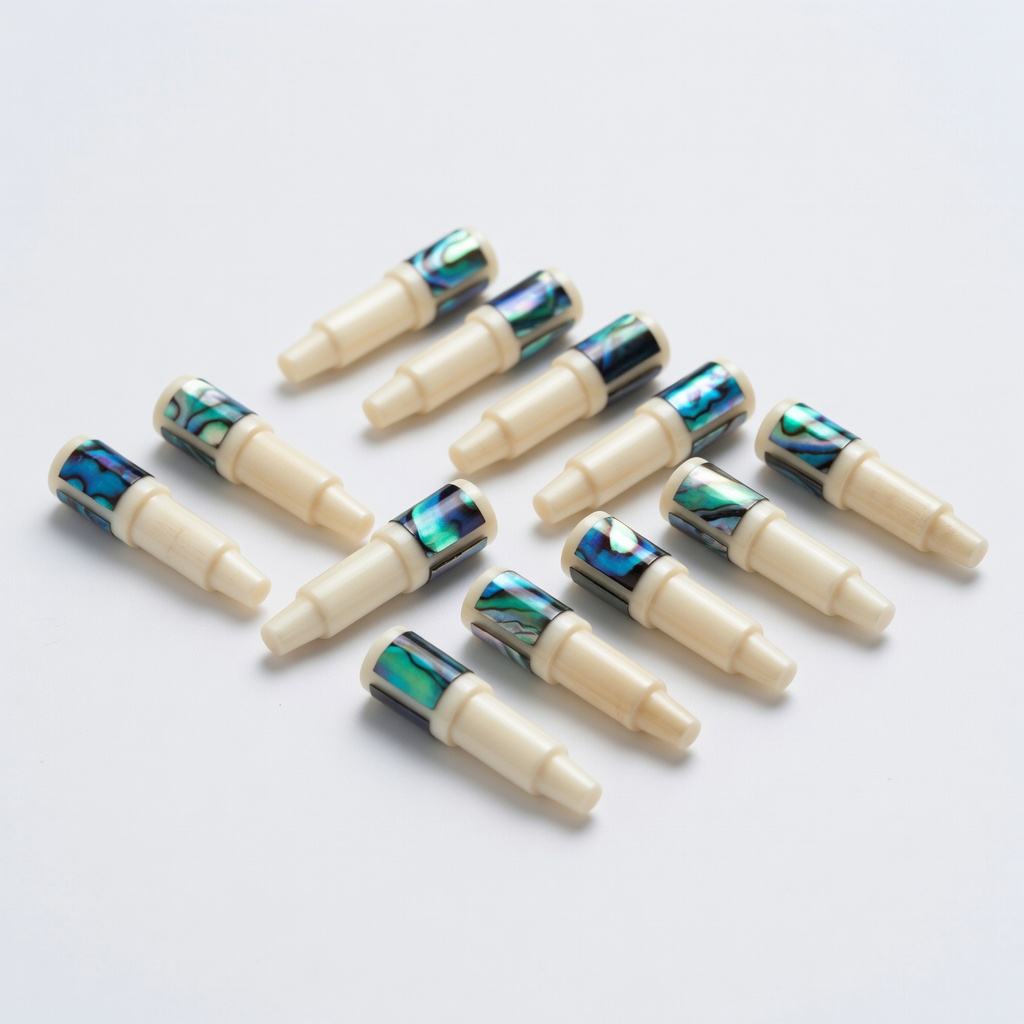
Full set replacement for Martins, Taylors; white dot style.
Blisstime 12 Sets Acoustic Guitar Bridge Pins Affordable plastic pins with perfect fit for most acoustics, great starter upgrade.
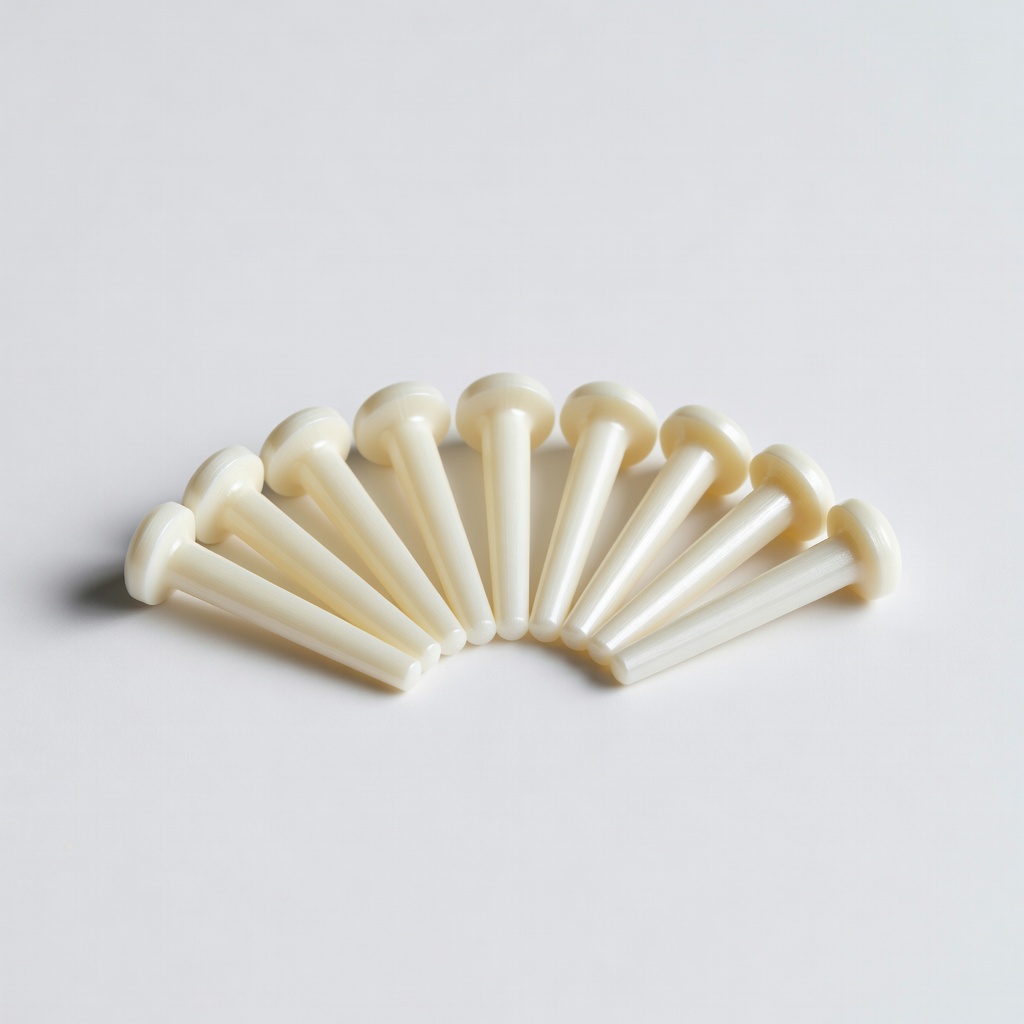
Premium upgrade for better tone on mid-range guitars.
Graph Tech TUSQ XL Bridge Pins Self-lubricating Tusq material improves tuning stability and sustain over plastic.
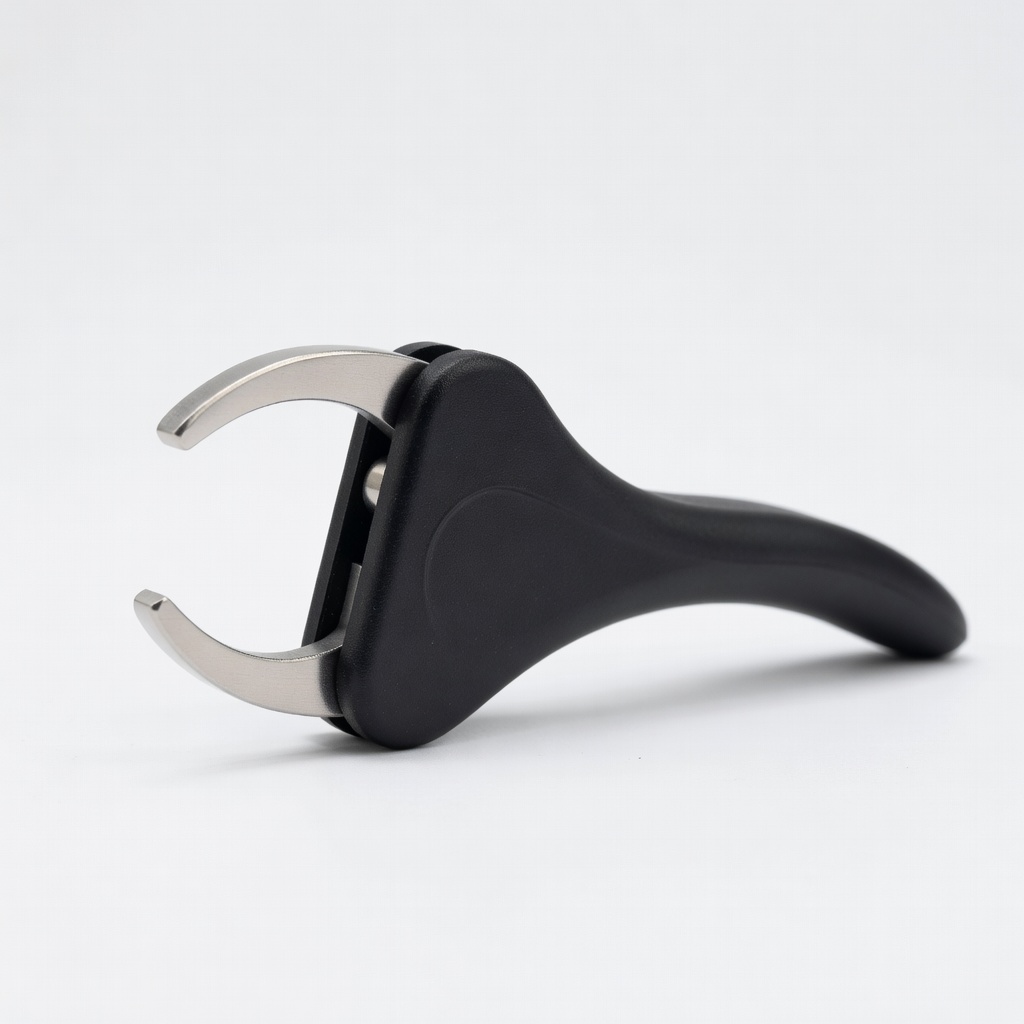
On-the-go maintenance or restringing sessions.
D'Addario Planet Waves Bridge Pin Puller Compact, multi-tool with string cutter—versatile for quick jobs.
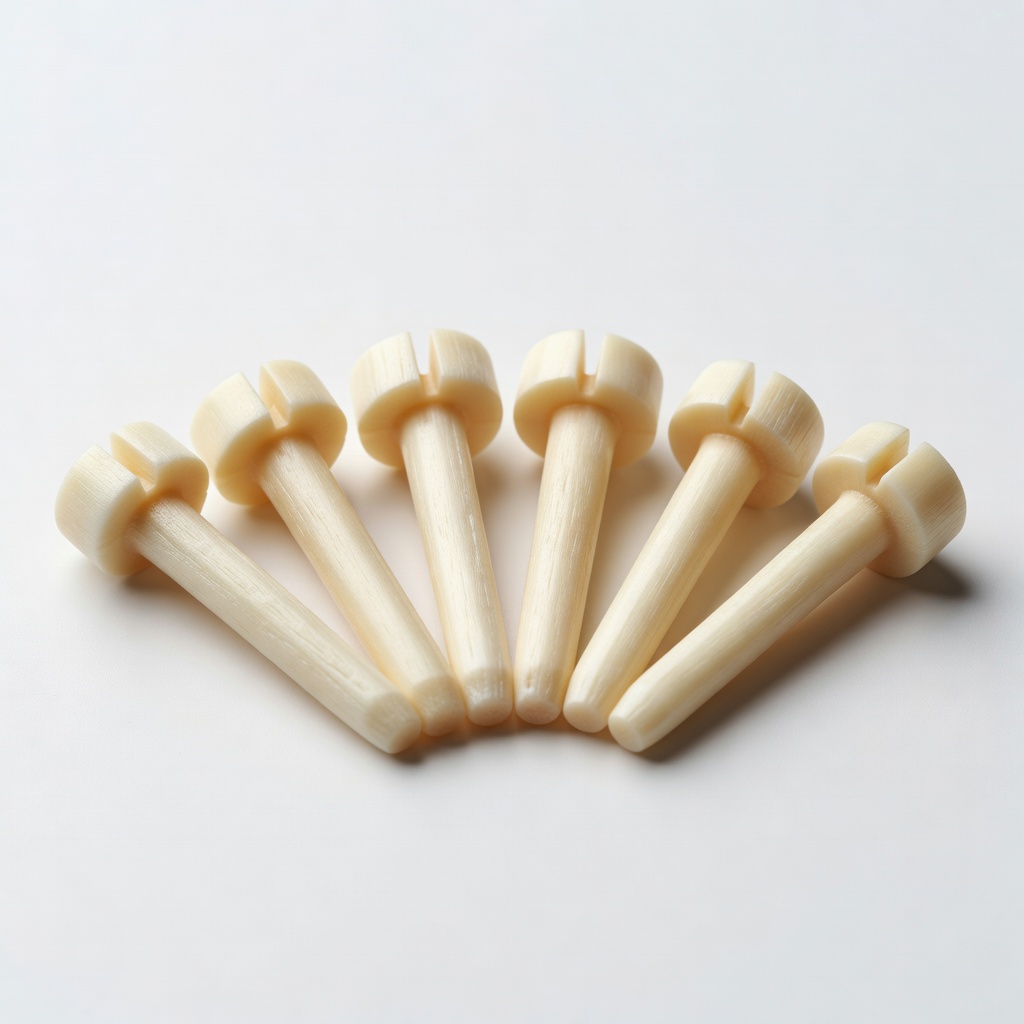
High-end replacement for vintage-style acoustics.
Hosco Real Bone Bridge Pins Authentic bone for authentic warm tone and projection.