Active hoodies take a beating from intense workouts, gym bags, and outdoor adventures, leading to frustrating tears that make your pricey gear look worn out. Instead of tossing them or paying for expensive repairs, you can fix most tears yourself in under an hour. This guide teaches intermediate DIYers how to assess damage, choose the best method (patching or sewing), and achieve pro-level results.
You'll learn two reliable techniques: iron-on patching for quick fixes on stretchy synthetics like polyester or fleece, and hand-sewing for high-stress areas. Expect 30-60 minutes total, depending on tear size. No advanced skills required—just patience and the right materials for long-lasting repairs that withstand washing and wear.
▸What You'll Need
- •Iron-on repair patches or Tenacious Tape (stretchy for activewear fabrics)
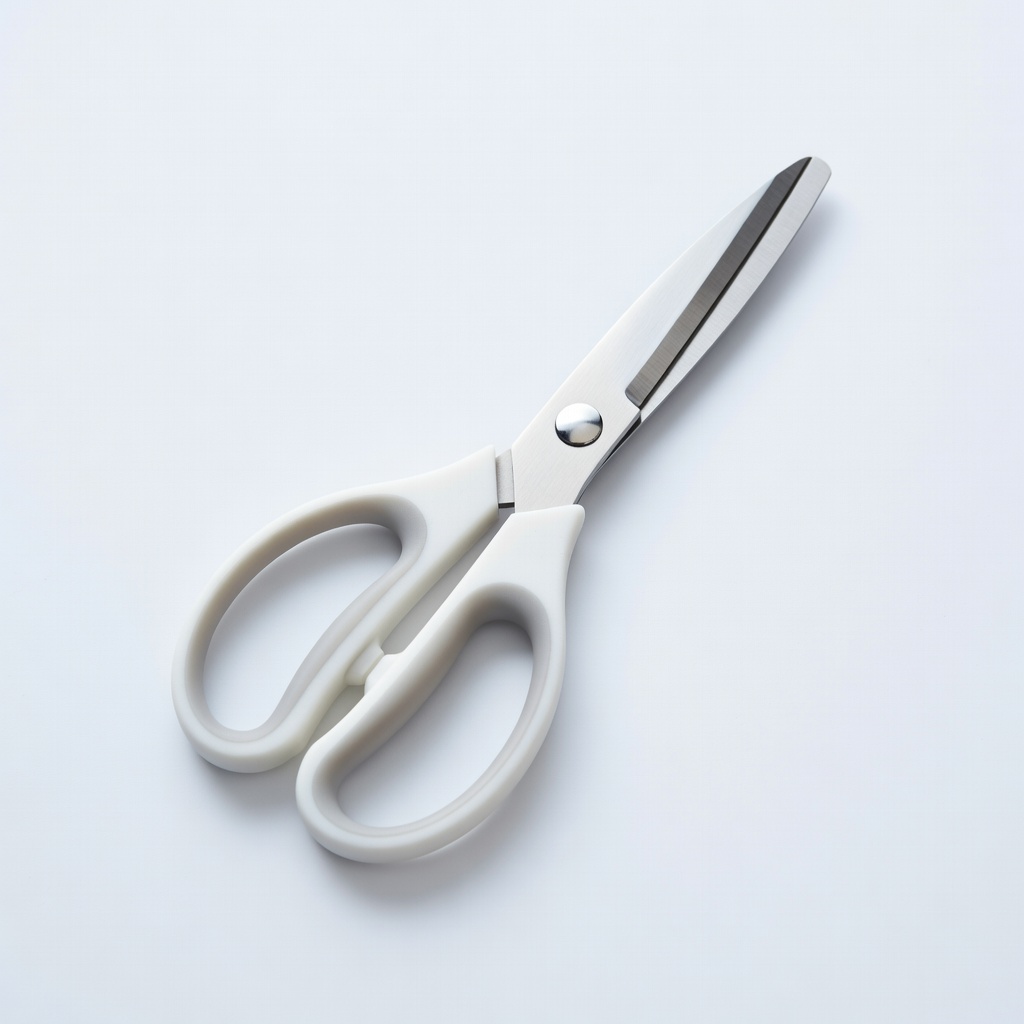
- •Fabric scissors
- •Iron and ironing board
- •Parchment paper or thin cotton cloth (to protect fabric)
- •Fabric marker or chalk
- •Straight pins
- •Needle and stretchy polyester thread (for sewing method)
- •Fabric glue (optional for extra hold)
- •Ruler or measuring tape
Estimated Time: 30-60 minutes
Difficulty: intermediate
▸Step-by-Step Instructions
Step 1: Assess the Tear
Examine the tear closely under good lighting. Measure its length and width with a ruler—small tears under 3 inches are ideal for patching; larger ones may need sewing or professional help.
Note the location (e.g., elbow, hem) and fabric type (fleece, polyester blend). Active hoodies often have stretch, so choose stretch-compatible materials to avoid puckering. Success looks like a clear understanding of the fix needed—no guesswork.
Why it matters: Wrong method leads to weak repairs that rip again during workouts.
💡 Tips:
- •Take a photo for reference.
- •Test fabric stretch by pulling gently.
⚠️ Warnings:
- •Avoid repairs on seams near zippers—they may need unstitching.
Step 2: Clean and Prep the Area
Turn the hoodie inside out and machine-wash in cold water with mild detergent, then air-dry completely. Spot-clean the tear with rubbing alcohol on a cloth to remove dirt or oils.
This prevents glue or stitches from failing due to residue. Expect a clean, dry surface ready for repair—fabric should feel smooth, not gritty.
💡 Tips:
- •Use a soft brush for stubborn stains.
⚠️ Warnings:
- •Don't use heat dryers; they can shrink synthetics.
Step 3: Trim Frayed Edges
Use sharp fabric scissors to carefully trim loose threads and frayed fabric, making clean, straight edges. Cut no more than 1/8 inch to avoid enlarging the tear.
Smooth edges ensure better adhesion. Success: Neat, minimal hole ready for patching.
💡 Tips:
- •Cut while fabric is flat to prevent slips.
⚠️ Warnings:
- •Dull scissors cause ragged cuts and pulls.
Step 4: Cut and Position the Patch
Cut iron-on patch or tape 1-2 inches larger than the tear on all sides. For inside repairs (recommended for hoodies), slide it behind the tear via the hole.
Pin in place and outline with fabric marker if needed. Expect the patch to cover the tear fully without bunching.
💡 Tips:
- •Use stretchy patches like Tenacious Tape for activewear.
Step 5: Secure with Heat (Iron-On Method)
Place parchment paper over the patch. Set iron to medium (no steam) and press firmly for 30-45 seconds, moving slowly. Flip and repeat on the outside if double-patching.
Heat activates adhesive for a bond that flexes with fabric. Test by gently pulling—patch should hold without peeling.
💡 Tips:
- •Practice on scrap fabric first.
⚠️ Warnings:
- •Too much heat scorches synthetics; start low.
Step 6: Hand-Sew for Extra Durability (Optional)
Thread needle with stretch thread. Use a whipstitch or ladder stitch around edges, pulling gently to avoid puckers. Knot ends securely inside.
Ideal for high-movement areas. Success: Invisible stitches that flex without breaking.
💡 Tips:
- •Match thread color to fabric.
⚠️ Warnings:
- •Tight stitches restrict stretch.
Step 7: Cure and Test the Repair
Let cool for 24 hours (or per product instructions). Wash inside-out on gentle cycle and air-dry. Stretch and wear-test: Repair holds without cracking.
Full cure ensures longevity through 20+ washes.
💡 Tips:
- •Reinforce with fabric glue under stitches.
▸Pro Tips
- •Work on a flat surface to prevent shifting.
- •For zippers/tears, reinforce with clear nail polish on edges first.
- •Match patch texture (fleece-on-fleece) for seamless look.
- •Repair inside-out to hide patches during wear.
- •Stock stretch thread for future fixes—it's key for activewear.
- •Use a tailor's clapper post-ironing for crisp edges.
- •Test wash immediately to confirm bond.
▸Common Mistakes to Avoid
- •Skipping cleaning: Leads to peeling repairs from trapped dirt.
- •Using non-stretch materials: Causes cracks during movement—opt for synthetic-compatible patches.
- •Over-ironing: Scorches fabric; always use barrier paper.
- •Undersized patches: Tears spread; oversize by 1 inch minimum.
- •Rushing cure time: Weak bonds fail in first wash.
▸Troubleshooting
Problem: Patch peels after washing
Solution: Reapply with fabric glue underneath and top-stitch edges. Use waterproof tape like Tenacious Tape next time.
Problem: Stitches pucker fabric
Solution: Switch to stretch thread and looser tension. Steam lightly to relax.
Problem: Tear too large (>6 inches)
Solution: Patch in sections or consult a tailor for darning.
Problem: Adhesive won't stick
Solution: Ensure surface is oil-free; try higher heat or glue alternative.
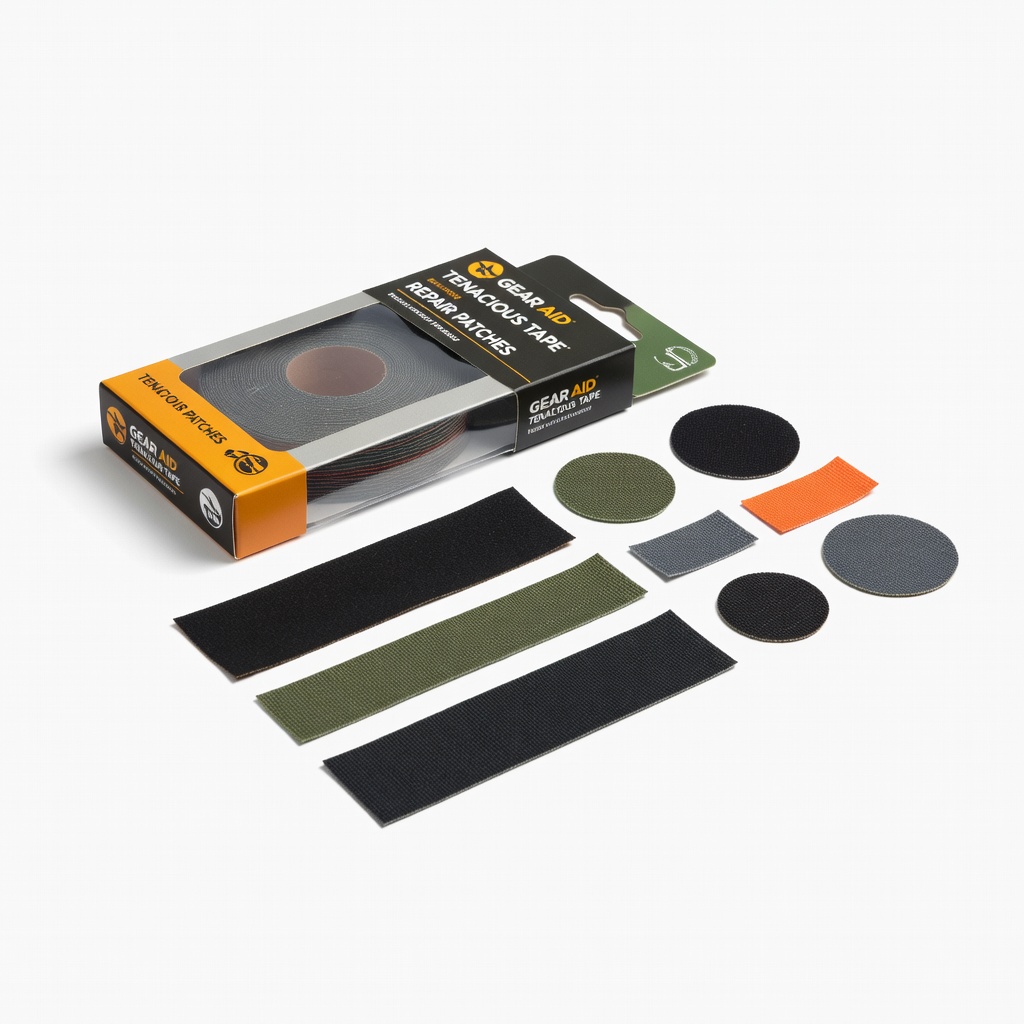
Gear Aid Tenacious Tape Repair Patches
Waterproof, ultra-strong adhesive perfect for synthetic activewear like polyester hoodies—flexes without cracking.
Best for: Best for outdoor/active hoodies exposed to sweat/moisture.
Price Range: $12-15
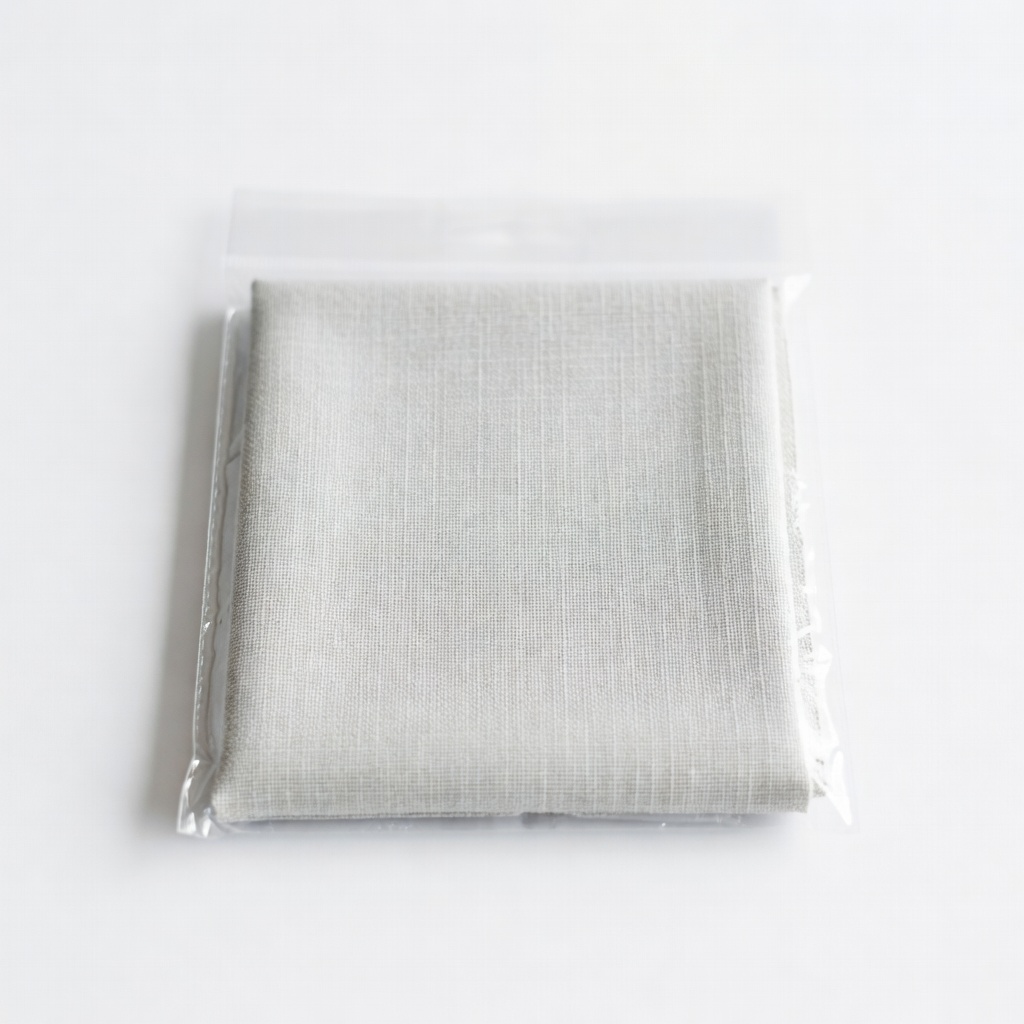
Dritz Iron-On Mending Fabric
Easy iron application with stretch blend for hoodies; blends invisibly.
Best for: Quick fixes on fleece interiors.
Price Range: $5-8
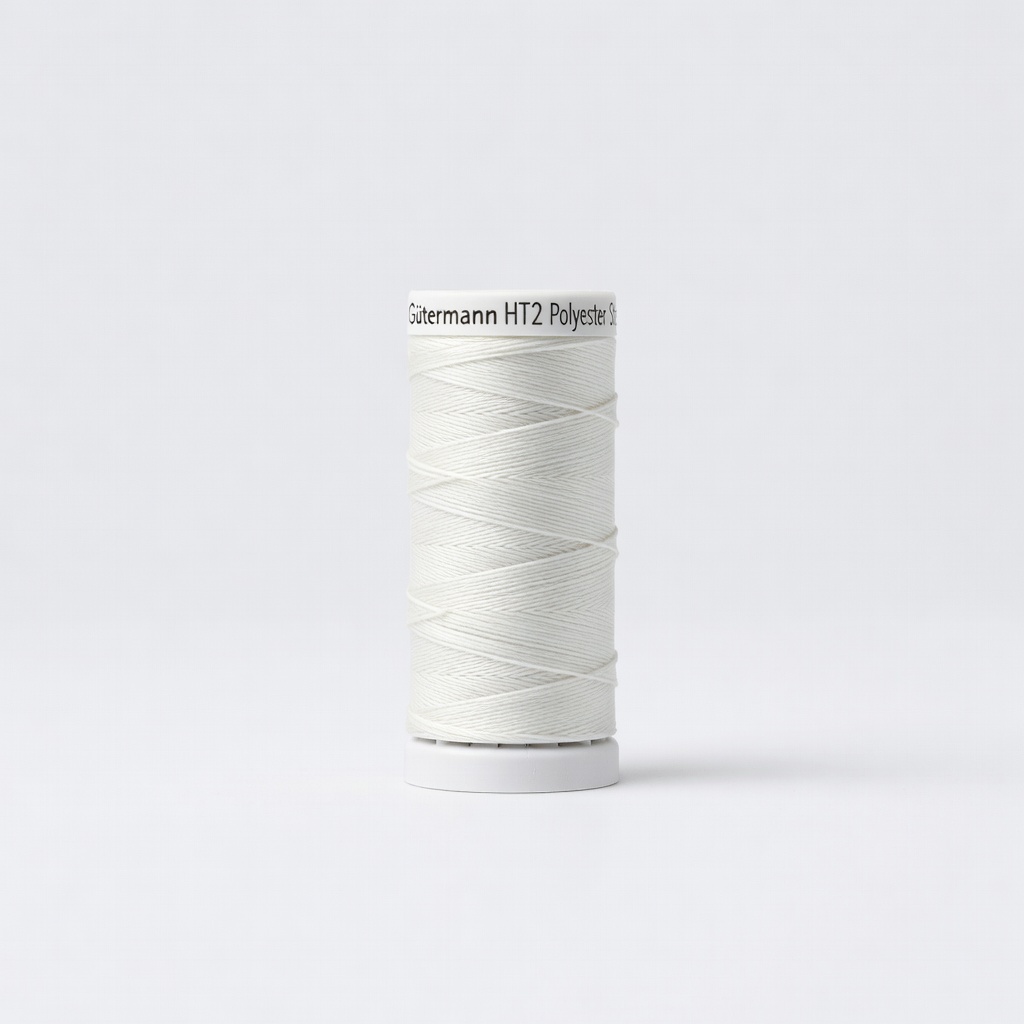
Gutermann HT2 Polyester Stretch Thread
High-tenacity thread designed for knits/activewear—resists breaking under stretch.
Best for: Sewing reinforcement on elbows/shoulders.
Price Range: $6-10
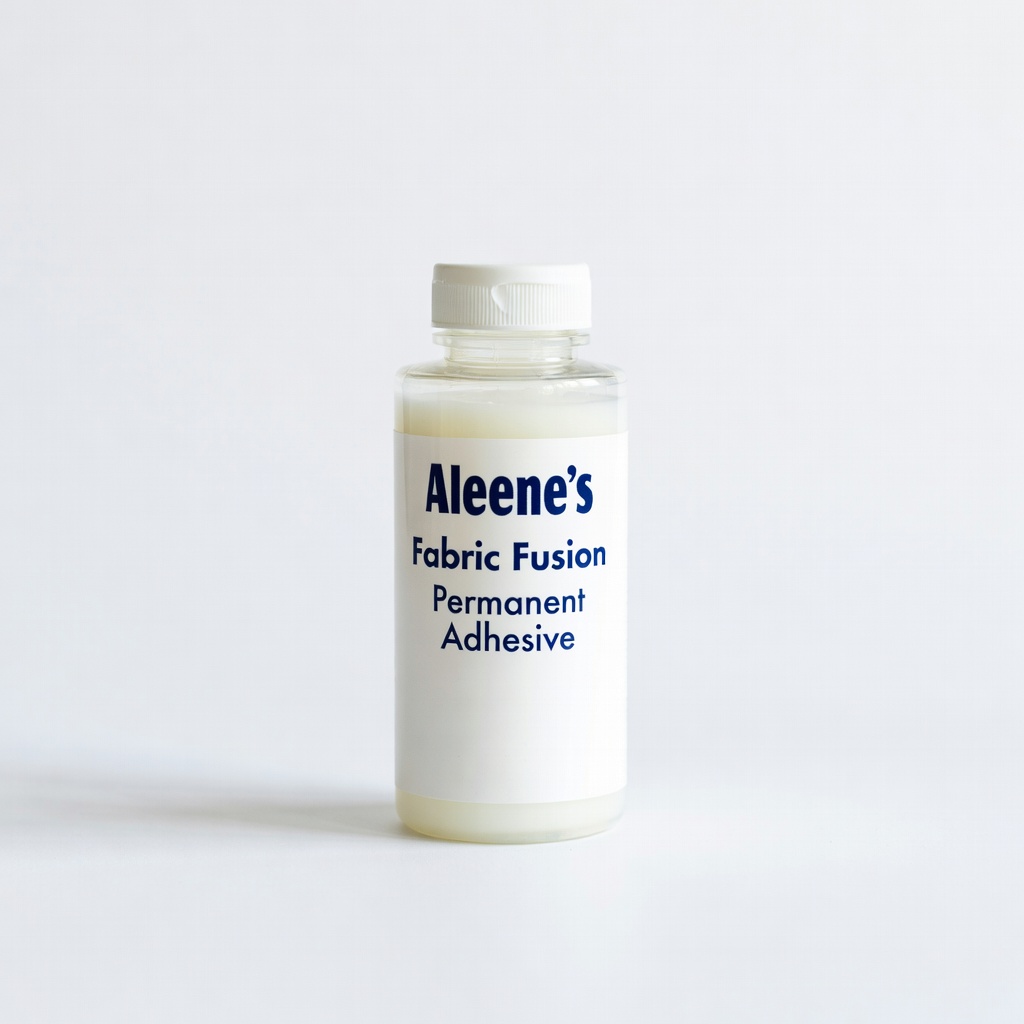
Aleene's Fabric Fusion Permanent Adhesive
Flexible glue bonds synthetics without stiffening; machine-washable.
Best for: Extra hold under patches or solo small tears.
Price Range: $8-12
Fiskars 175801-1002 Fabric Scissors
Sharp, precise cuts on slippery active fabrics without fraying.
Best for: Trimming and patterning all repairs.
Price Range: $18-25