
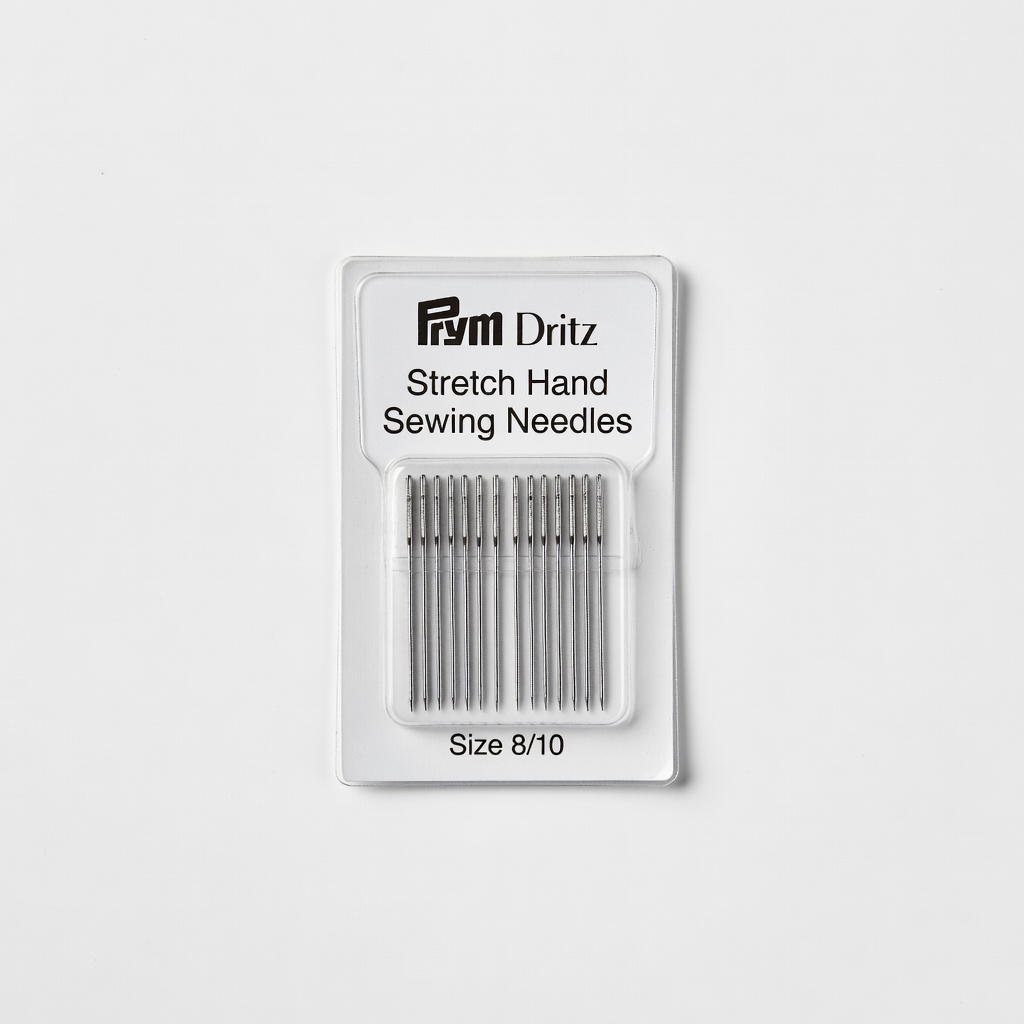
Prym Dritz Stretch Hand Sewing Needles Size 8/10
Essential for hand-sewing stretch seams without damaging fabric.
$3.99
Prym Dritz Stretch Hand Sewing Needles Size 8/10 Designed for knits and spandex—ballpoint tip prevents snags on activewear.
Get the App
Better experience on mobile
Fix ripped seams on your active skorts with easy beginner hand-sewing steps to save money and extend their wear.
Active skorts are perfect for tennis, running, or yoga, but high-movement workouts often cause seams to split or fray, especially at the crotch or hem. Instead of tossing your favorite pair, you can repair them yourself and get back to your activities quickly.
In this guide, you'll learn simple hand-sewing techniques using stretch-friendly materials to mend seams without losing the fabric's flexibility. No sewing machine required—perfect for beginners. The process takes just 20-30 minutes and uses basic tools you likely have at home.
Expect a sturdy, invisible repair that withstands washes and wears. We'll cover everything from assessment to testing, with tips to avoid common pitfalls.
Estimated Time: 20-30 minutes Difficulty: beginner
Examine the seam closely under good lighting. Check if it's a simple split, fraying, or full tear. Active skorts use stretchy knits like spandex blends, so seams often pop during squats or lunges.
Note the length and location—crotch seams are common. If the tear is over 6 inches or involves multiple layers, consider professional help. Success looks like a clear understanding of the fix needed.
Why it matters: Proper assessment prevents weak repairs.
💡 Tips:
⚠️ Warnings:
Spot-clean the area with mild soap and water to remove sweat or dirt, which can weaken glue or stitches. Rinse thoroughly and air-dry completely (no dryer heat).
Why it matters: Dirt causes repairs to fail faster. Expect the fabric to feel fresh and smooth.
Pat dry with a towel—no rubbing.
💡 Tips:
Turn the skort inside out to access the seam. Use scissors or a seam ripper to carefully trim loose threads and frayed bits, leaving clean edges.
Cut at a slight angle for better adhesion. Success: Neat, even edges ready to align.
Why it matters: Frayed threads cause bulky repairs.
⚠️ Warnings:
Match the torn edges precisely, right sides together (since inside out). Use pins or clips perpendicular to the seam line, spacing 1/2 inch apart. Stretch gently to test alignment.
For curved seams like crotch, pin from center out. Expect a smooth, puckering-free line.
Why it matters: Misalignment leads to crooked repairs.
💡 Tips:
Cut 18-24 inches of stretch thread. Thread it through a knit needle eye, double it, and knot the ends together for strength.
Wet the end slightly for easier threading. Success: Securely threaded needle ready to sew.
Why it matters: Stretch thread flexes with fabric; cotton snaps.
Start 1/4 inch from tear end. Insert needle from back, catch a tiny bit of each side (1/8 inch), and pull gently—don't tighten fully to preserve stretch. Repeat in small, even stitches.
Use thimble if needed. For 4-inch tear, 20-30 stitches. Success: Invisible-from-outside seam with flexibility.
Why it matters: Whip stitch secures without bulk on knits.
💡 Tips:
⚠️ Warnings:
At end, loop thread and knot twice close to fabric. Trim excess. Turn right-side out, press seam flat with iron on low (no steam for synthetics).
Why it matters: Pressing sets stitches. Expect flat, professional finish.
Stretch, squat, and tug the area. Machine wash cold on gentle cycle to test durability.
Success: No popping, full stretch restored.
💡 Tips:
Problem: Seam reopens after wear
Solution: Reinforce with second row of stitches or fabric glue; use stronger stretch thread.
Problem: Puckering or bunching
Solution: Loosen stitch tension; use fewer pins and stretch while pinning.
Problem: Thread breaks easily
Solution: Switch to higher-quality stretch thread; double-thread needle.
Problem: Repair visible from outside
Solution: Sew smaller bites; press well. If bad, pick out with seam ripper.
Designed for knits and spandex—ballpoint tip prevents snags on activewear.
Best for: Essential for hand-sewing stretch seams without damaging fabric.
Price Range: $3.99
High-tenacity polyester mimics stretch fabrics, resists breaking during activity.
Best for: Matching color for durable, flexible seam repairs.
Price Range: $3.48
No-sew option for beginners; bonds stretch fabrics permanently without stiffness.
Best for: Quick fix for small tears before or instead of sewing.
Price Range: $7.99
Temporary or reinforcing tape for seams; heat-activated, stretch-friendly.
Best for: No-needle backup for fragile fabrics.
Price Range: $9.99
Precise tool for trimming without further damage.
Best for: Prep step for clean edges.
Price Range: $4.99
Essential for hand-sewing stretch seams without damaging fabric.
Prym Dritz Stretch Hand Sewing Needles Size 8/10 Designed for knits and spandex—ballpoint tip prevents snags on activewear.
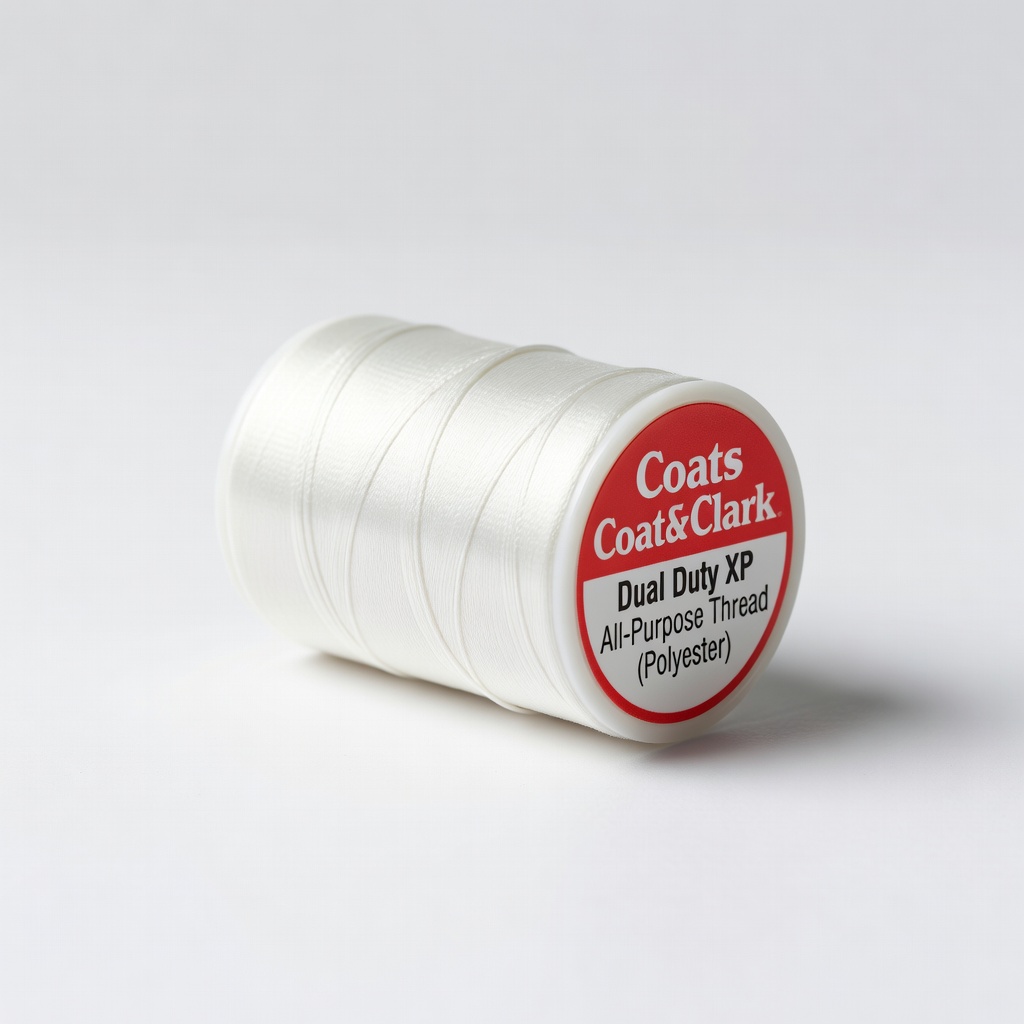
Matching color for durable, flexible seam repairs.
Coats & Clark Dual Duty XP All-Purpose Thread (Polyester) High-tenacity polyester mimics stretch fabrics, resists breaking during activity.
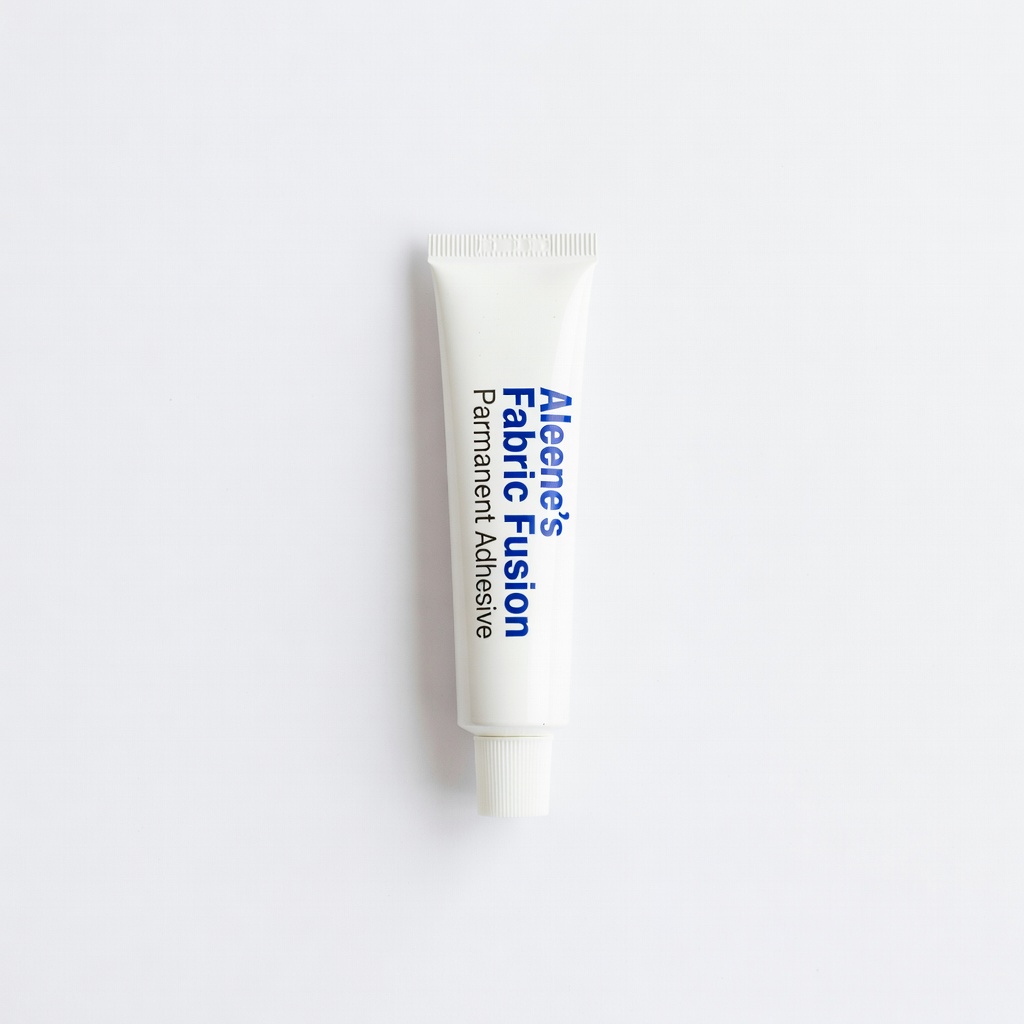
Quick fix for small tears before or instead of sewing.
Aleene's Fabric Fusion Permanent Adhesive No-sew option for beginners; bonds stretch fabrics permanently without stiffness.
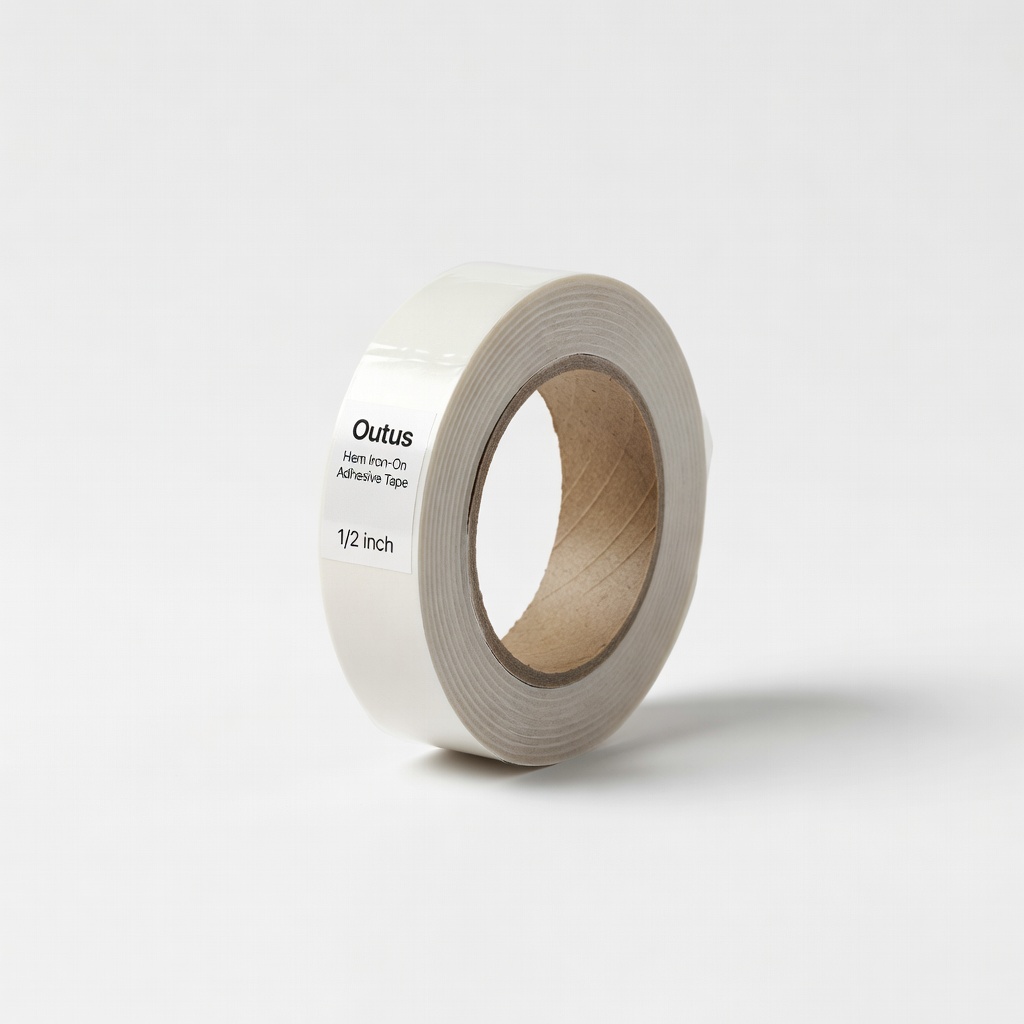
No-needle backup for fragile fabrics.
Outus Hem Iron-On Adhesive Tape (1/2 inch) Temporary or reinforcing tape for seams; heat-activated, stretch-friendly.
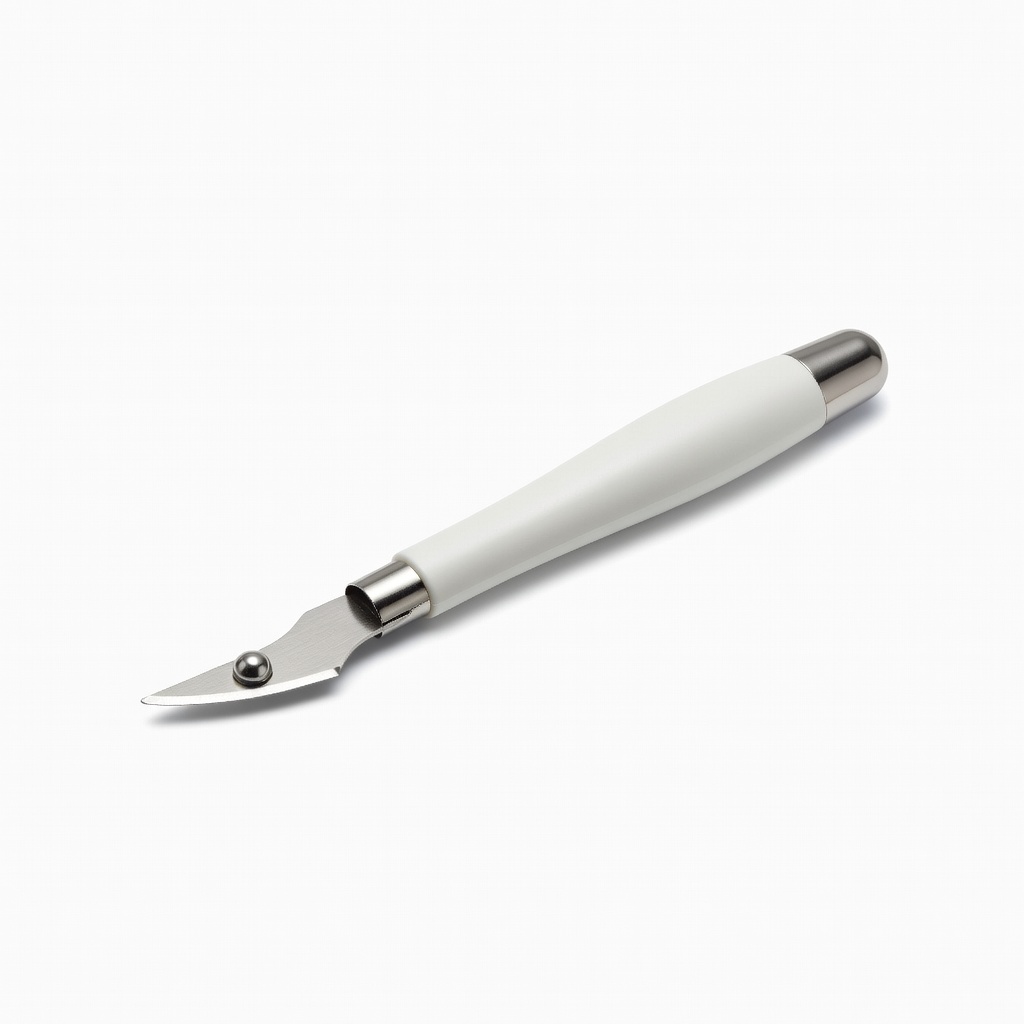
Prep step for clean edges.
Dritz Seam Ripper Precise tool for trimming without further damage.