
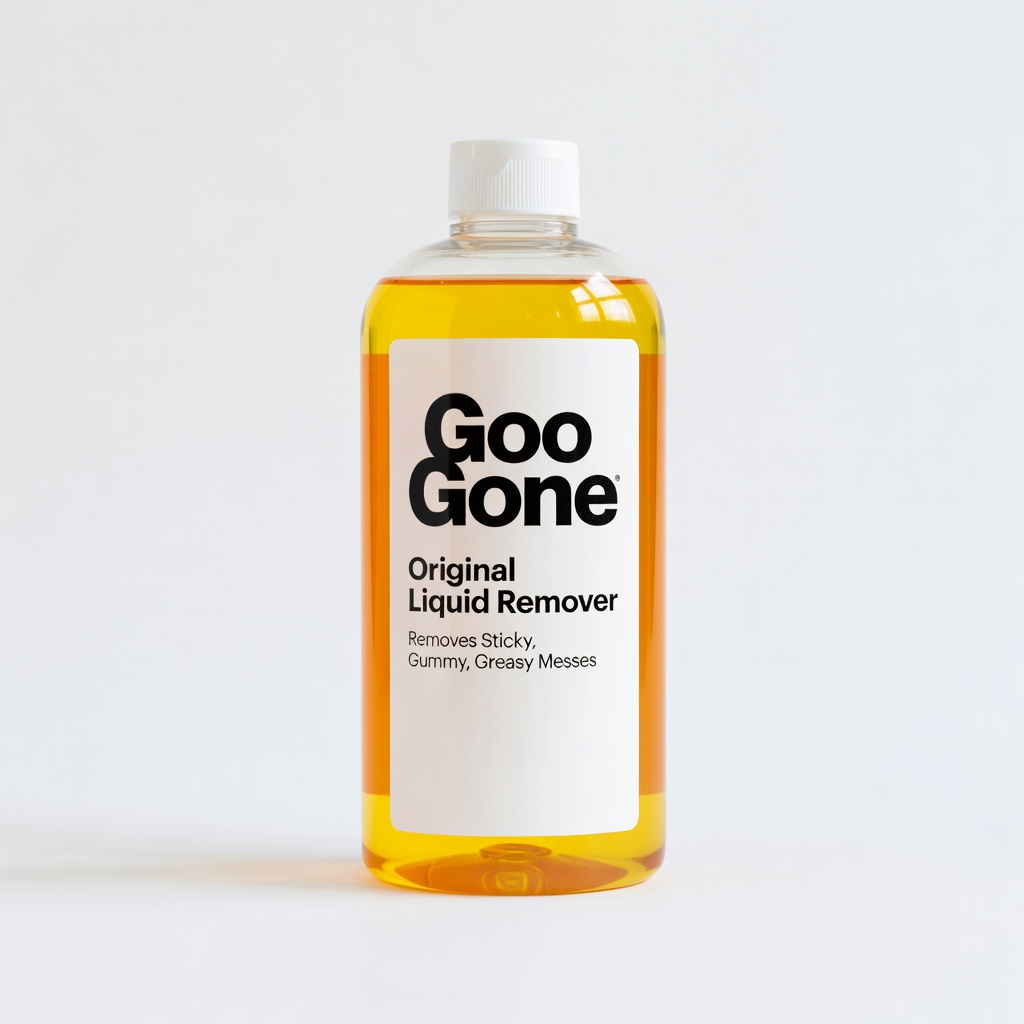
Goo Gone Original Liquid Remover
Ideal for heavy residue after initial scraping.
$8-12
Goo Gone Original Liquid Remover Formulated to dissolve silicone and adhesives quickly without damaging glass.
Get the App
Better experience on mobile
Master safe, scratch-free methods to strip stubborn silicone residue from windows, mirrors, or aquariums in under 45 minutes.
Silicone adhesive is a powerhouse for sealing and bonding, but when it ends up smeared on glass surfaces—like after aquarium setups, window repairs, or DIY projects—it can be a nightmare to remove. Scratches, haze, or leftover gunk not only look unsightly but can also compromise clarity on mirrors, shower doors, or tabletops. The good news? With the right tools and techniques, you can restore your glass to pristine condition without harsh chemicals or professional help.
In this guide, you'll learn proven step-by-step methods combining mechanical scraping and gentle solvents, tailored for intermediate DIYers. We'll cover everything from safety prep to final polishing, ensuring no damage to your glass. Expect a straightforward process taking 20-45 minutes, depending on the adhesive amount—perfect for quick weekend fixes.
Whether it's curing silicone caulk or sealant residue, these methods prioritize safety and effectiveness, drawing from real-world pros like glass installers and home renovators.
Estimated Time: 20-45 minutes Difficulty: intermediate
Start by working in a well-ventilated area, preferably outdoors or near an open window, to avoid inhaling fumes from solvents. Lay down drop cloths or newspapers to catch debris. Put on safety gloves to protect your hands from sharp tools and chemicals.
This step ensures safety and prevents mess—silicone bits can scatter, and solvents like acetone are flammable. Success looks like a clean, organized setup ready for action.
💡 Tips:
⚠️ Warnings:
Use a plastic scraper or putty knife to gently lift and remove the bulk of the cured silicone. Hold at a 30-45 degree angle and work slowly to avoid gouging the glass.
Why it matters: This mechanical removal prevents solvents from being overworked. Expect large chunks to come off easily, leaving a thin residue film—your glass should now look mostly clear with hazy spots.
💡 Tips:
Switch to a single-edge razor blade held at a shallow 15-20 degree angle. Lightly scrape in one direction, using short strokes. Wipe the blade clean frequently on a rag.
This targets stubborn bits without scratching—glass is hard but can haze if you dig in. Success: Smooth glass with only a greasy film remaining, no visible gouges.
⚠️ Warnings:
Soak a microfiber cloth in 90%+ isopropyl alcohol and press it onto the residue for 5-10 minutes. For tougher spots, dab on undiluted alcohol directly.
Alcohol dissolves silicone polymers safely on glass. It evaporates quickly without streaks. Expect the residue to soften and lift as a gooey slime when you wipe.
💡 Tips:
Buff the area firmly with a fresh alcohol-dampened cloth in circular motions. Use a dry section to lift dissolved gunk. Repeat soaking if needed.
Agitation breaks down the adhesive fully. Your glass should now feel slick-free and look mostly transparent.
⚠️ Warnings:
If residue lingers, apply white vinegar (for mild cases) or acetone (for heavy-duty). Let sit 10 minutes, then scrape/wipe as before.
These escalate solvent strength without etching glass. Success: Crystal-clear surface, no tackiness.
💡 Tips:
Wash the entire area with warm soapy water using a soft sponge. Rinse thoroughly and dry with a microfiber cloth.
This removes solvent traces. Expect streak-free shine.
Polish with a dry microfiber cloth or glass cleaner. Inspect under light for haze—repeat steps if needed.
Confirms perfection. Your glass is now flawless.
💡 Tips:
Problem: Residue won't budge after alcohol.
Solution: Switch to acetone or Goo Gone; let sit 15+ minutes, or use a heat gun.
Problem: Micro-scratches appear.
Solution: Polish with cerium oxide paste; for deep ones, professional glass refinishing.
Problem: Hazy streaks post-clean.
Solution: Re-wash with vinegar-water mix (1:1) and squeegee dry.
Problem: Fresh (uncured) silicone mess.
Solution: Wipe immediately with dry cloth; solvents work best on cured.
Formulated to dissolve silicone and adhesives quickly without damaging glass.
Best for: Ideal for heavy residue after initial scraping.
Price Range: $8-12
Ergonomic handle and replaceable blades for precise, scratch-free scraping.
Best for: Core tool for fine removal on flat glass surfaces.
Price Range: $10-15
High purity evaporates fast, cuts silicone effectively and safely on glass.
Best for: Primary solvent for most jobs; quart size for multiple uses.
Price Range: $15-25
Heavy-duty for cured silicone that alcohol can't touch.
Best for: Spot treatment on tough automotive or bath glass.
Price Range: $7-10
Flexible, non-marring for safe bulk removal without glass risk.
Best for: First-step scraper for beginners avoiding scratches.
Price Range: $5-8
Ideal for heavy residue after initial scraping.
Goo Gone Original Liquid Remover Formulated to dissolve silicone and adhesives quickly without damaging glass.
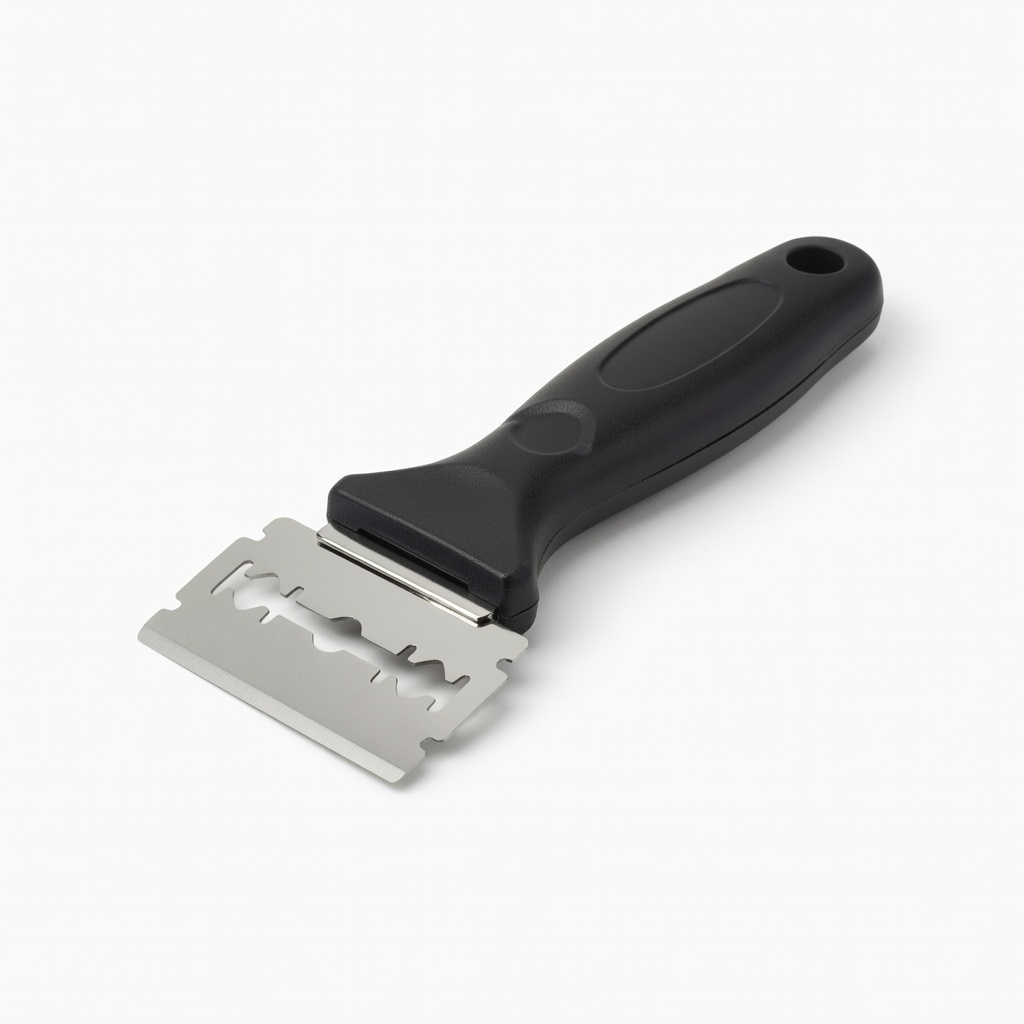
Core tool for fine removal on flat glass surfaces.
Titan 63103 2" Razor Blade Scraper Ergonomic handle and replaceable blades for precise, scratch-free scraping.
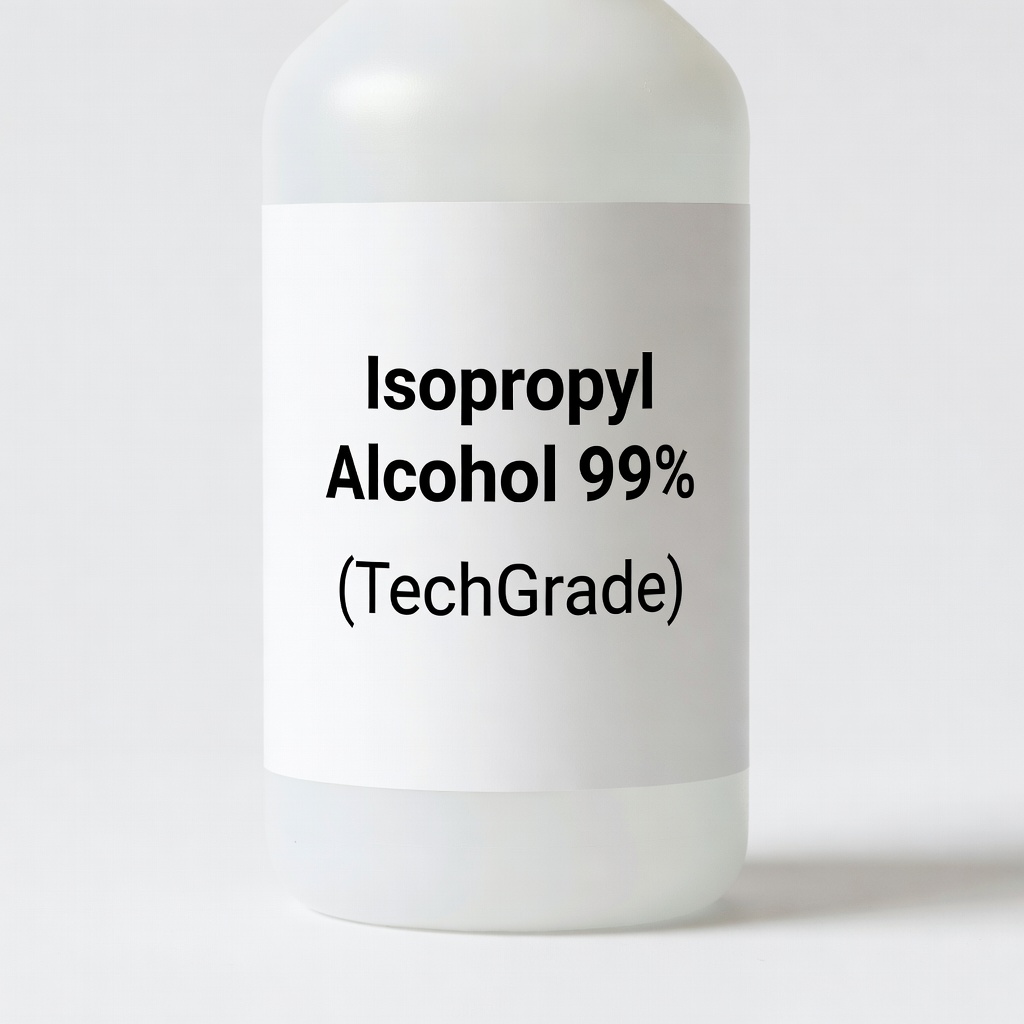
Primary solvent for most jobs; quart size for multiple uses.
Isopropyl Alcohol 99% (TechGrade) High purity evaporates fast, cuts silicone effectively and safely on glass.
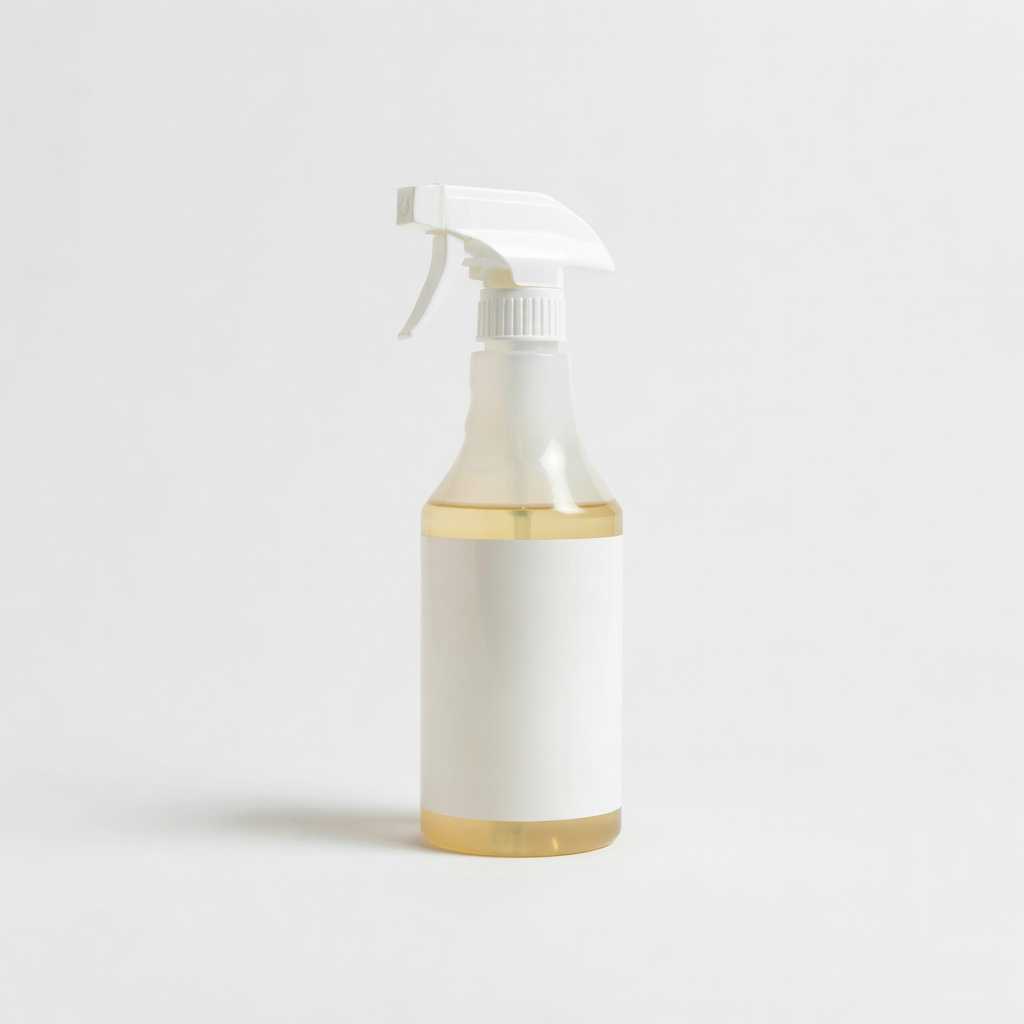
Spot treatment on tough automotive or bath glass.
Goof Off Professional Strength Remover Heavy-duty for cured silicone that alcohol can't touch.
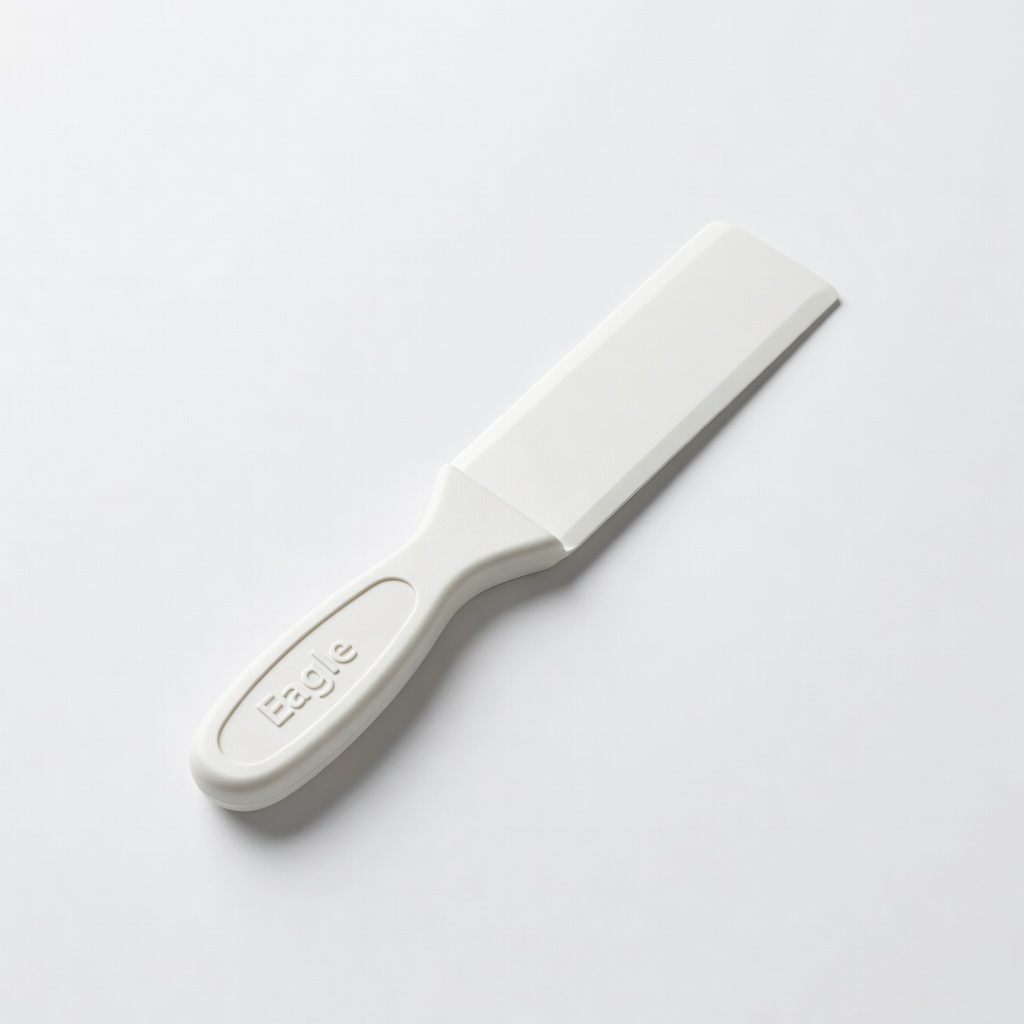
First-step scraper for beginners avoiding scratches.
Eagle 5" Plastic Putty Knife Flexible, non-marring for safe bulk removal without glass risk.