Pet stains are an inevitable part of life with furry friends. Whether it's a puppy accident or an older dog's bladder issue, urine, feces, and vomit can leave unsightly marks and lingering odors in your carpet. If not treated properly, these stains can set permanently and even attract your pet to the same spot again. This guide will teach you step-by-step how to remove fresh and old pet stains from carpet using both homemade solutions and enzymatic cleaners. You'll learn the importance of quick action, proper blotting techniques, and how to neutralize odors to prevent repeat accidents. With a little patience and the right supplies, you can restore your carpet to a clean, fresh state. Most fresh stains can be removed in 30 minutes, while older stains may take a few hours and multiple treatments.
▸What You'll Need
- •Paper towels or clean, absorbent white cloths (no colored ones to avoid dye transfer)
- •White vinegar (distilled)
- •Baking soda
- •Hydrogen peroxide (3% solution)
- •Liquid dish soap (mild, clear)
- •Enzymatic pet stain and odor remover (commercial product)
- •Spray bottle
- •Soft-bristled brush or toothbrush
- •Vacuum cleaner with upholstery attachment
- •Plastic wrap or heavy book (for deep-set stains)
- •Rubber gloves and old towel
- •Blacklight flashlight (optional, to locate dried stains)
Estimated Time: 30 minutes for fresh stains; 1–2 hours for old stains (including soak and drying time)
Difficulty: beginner
▸Step-by-Step Instructions
Step 1: Act Quickly – Blot the Stain Immediately
As soon as you discover a wet pet stain, grab paper towels or a clean white cloth. Place the towel over the stain and press down firmly to absorb as much liquid as possible. Do not rub or scrub, as that can push the stain deeper into the carpet fibers and spread it. Continue blotting with fresh towels until the area feels damp but not soaked. For solid waste, carefully scoop up as much as possible with a plastic bag or paper towel before blotting. The goal is to remove excess moisture quickly to prevent the stain from setting.
💡 Tips:
- •Use white cloths or paper towels only to avoid color transfer onto the carpet.
- •Stand on the towel with your foot to apply more pressure if the stain is large.
- •If the stain has already dried, move to Step 2.
⚠️ Warnings:
- •Never use a steam cleaner or hot water on a fresh urine stain – heat can set the protein and make the odor worse.
- •Avoid ammonia-based cleaners as they can mimic urine smell and encourage re-marking.
Step 2: Identify Stain Type and Age
Not all stains are the same. Urine, feces, and vomit require slightly different treatments, but the core steps are similar. The most critical factor is whether the stain is fresh (still wet) or old (dried). Fresh stains are easier to remove because the proteins have not yet bonded to the fibers. Old stains may require enzymatic cleaners that break down dried proteins and odors. Use your sense of smell and a blacklight flashlight to locate dried stains that are invisible to the naked eye. If the stain has a yellow discoloration and smells of ammonia, it is likely dried urine.
💡 Tips:
- •A blacklight can reveal dried urine stains even if they appear clean.
- •For old stains, expect to repeat the treatment process a few times.
Step 3: Test Your Cleaning Solution on a Hidden Area
Before applying any cleaner to the visible stain, always test it on a small, inconspicuous spot of your carpet (such as inside a closet or under furniture). Apply a small amount of the solution you plan to use and blot it with a cloth. Wait 10 minutes to check for any color change, bleeding, or damage. This step is crucial because some carpets (especially wool or natural fibers) can be sensitive to vinegar, hydrogen peroxide, or commercial cleaners. If discoloration occurs, choose a gentler alternative or consult a professional.
💡 Tips:
- •Use a white cloth to blot the test area so you can easily see if any color transfers.
- •Test both the homemade solution and the commercial product if you plan to use both.
⚠️ Warnings:
- •Never mix hydrogen peroxide with vinegar – it creates a corrosive and potentially toxic gas.
- •Always test on an area that matches the stain location (e.g., beige area vs. patterned area).
Step 4: Apply Enzymatic Cleaner for Fresh Stains (Recommended)
Enzymatic cleaners are the most effective option for pet stains because they contain bacteria and enzymes that digest the proteins in urine, feces, and vomit, eliminating both stain and odor at the source. If you have a commercial enzymatic cleaner (like Nature's Miracle or Rocco & Roxie), saturate the stain area according to the product instructions. Typically, you spray enough to soak the carpet fibers but not the padding (unless the stain has soaked through). For fresh stains, a single application is usually enough. Let it sit for the recommended time (often 10–15 minutes) to allow the enzymes to work. Then blot the area with a clean cloth to remove excess moisture. Do not rinse – the enzymes need to remain in the carpet to fully break down the stain.
💡 Tips:
- •If the stain is inside a heavy traffic area, place a chair or piece of furniture over the spot to prevent people or pets from walking on it while the cleaner works.
- •For particularly strong odors, repeat the enzymatic treatment after the area dries.
⚠️ Warnings:
- •Do not dilute enzymatic cleaners with water unless directed – it reduces effectiveness.
- •Keep pets away from the treated area until it is completely dry.
Step 5: Use a Vinegar and Baking Soda Paste for Old or Dried Stains
If the stain is old or you don't have an enzymatic cleaner, a homemade solution can be very effective. Mix 2 tablespoons of white vinegar with 1 cup of lukewarm water in a spray bottle. Spray the stain generously until damp. Then sprinkle a thick layer of baking soda directly over the wet area. The baking soda will react with the vinegar and fizz, helping to lift the stain from the carpet fibers. Use a soft brush to gently work the paste into the fibers, then let it sit for at least 30 minutes (or longer for stubborn stains). After the baking soda has dried completely (it may form a crust), vacuum it up. This method neutralizes odors and removes light discoloration. For tough old stains, repeat the process or follow up with hydrogen peroxide (see Step 7).
💡 Tips:
- •Use warm water to help the vinegar penetrate deeper into the fibers.
- •If the stain is greasy (like vomit), add a drop of mild dish soap to the vinegar solution.
⚠️ Warnings:
- •Do not use this method immediately after an enzymatic cleaner – the vinegar can kill the active enzymes.
- •Make sure the baking soda is fully dry before vacuuming, or it may clump and become messy.
Step 6: Rinse and Blot Dry
After applying any cleaning solution (enzyme or homemade), it's important to rinse the area to remove residue that could attract dirt. Fill a spray bottle with plain cold water and lightly mist the treated area. Do not oversaturate – you want to just dampen the fibers. Then blot the spot with a clean, dry towel to absorb the moisture. Repeat this step until no soapy residue remains when you blot. Press firmly to remove as much water as possible. For heavy saturation, place a stack of dry towels over the stain and weigh them down with a heavy book or a board. Leave for an hour to wick moisture from deeper layers. Finally, allow the carpet to air dry completely – this may take several hours. Speed up drying by opening windows, turning on a fan, or using a hairdryer on a cool setting.
💡 Tips:
- •Change towels frequently when rinsing to avoid redepositing dirt.
- •If your carpet is thick or stained through to the padding, you may need to use a wet/dry vacuum to extract more moisture.
⚠️ Warnings:
- •Do not use hot water for rinsing as it can set the stain.
- •Make sure the carpet is 100% dry before letting your pet walk on it – damp carpet can attract mold and mildew.
Step 7: Eliminate Stubborn Odors with Hydrogen Peroxide (Optional)
If after the vinegar treatment or enzymatic cleaner the area still smells of urine, hydrogen peroxide can help break down the remaining organic compounds. Mix a solution of 1 part hydrogen peroxide (3%) with 1 part water. Add a few drops of dish soap to help it spread. Spray the solution onto the dry stain and let it sit for 5–10 minutes. Blot with a clean cloth. Hydrogen peroxide is a mild bleach, so it can lighten some carpets – always test first! This method is best for white or very light carpets. Do not use on dark or brightly colored carpets without testing, as it may fade the dye. After treatment, rinse with cold water and blot dry as in Step 6.
💡 Tips:
- •Mix only as much as you need – hydrogen peroxide breaks down quickly when exposed to light.
- •For extra deodorizing power, sprinkle a thin layer of baking soda after the hydrogen peroxide solution dries and vacuum it up.
⚠️ Warnings:
- •Never mix hydrogen peroxide with vinegar – it releases peracetic acid, which is harmful to breathe.
- •Avoid using hydrogen peroxide on wool or delicate fibers.
Step 8: Final Vacuum and Inspect
After the carpet is completely dry, use a vacuum cleaner with a beater bar or upholstery attachment to restore the carpet pile and remove any remaining baking soda or dried cleaner residue. Vacuum the area thoroughly in multiple directions to fluff the fibers. If the stain is still visible or odor persists, repeat the entire process starting from Step 4 or Step 5. Some deep-set stains may require 2–3 treatments. For stains that have penetrated into the carpet padding, consider professional cleaning or padding replacement. Once the stain is gone and the area smells fresh, you can sprinkle a light layer of baking soda over the area, let it sit for 15 minutes, then vacuum for a final odor-absorbing boost.
💡 Tips:
- •Use a flashlight at a low angle to check for any remaining discoloration.
- •If you notice a faint yellow ring after drying, re-treat the edges of the stain with vinegar solution.
⚠️ Warnings:
- •Do not steam clean the area until you are sure the stain is fully removed – heat can set any remaining residue.
- •If the stain returns after a few days, it may be wicking from the backing or padding – treat again with an enzymatic cleaner.
▸Pro Tips
- •Use a blacklight to find old urine stains that are invisible to the naked eye before treatment.
- •Always blot from the outside of the stain inward to prevent spreading.
- •For fresh urine stains, apply cold water first to dilute the urine before blotting.
- •Enzymatic cleaners work best if you keep the area moist for several hours – cover with plastic wrap to prevent drying.
- •If your pet keeps returning to the same spot, use an odor neutralizer (not just a deodorizer) to break down the remaining enzymes.
- •Never use ammonia-based cleaners as they smell like urine to pets and encourage re-marking.
- •Place a fan directly on the wet area to speed up drying and prevent mold growth.
- •For large areas, consider renting a carpet cleaner machine with a pet-specific cleaning solution.
▸Common Mistakes to Avoid
- •Rubbing the stain vigorously: This pushes the stain deeper and damages carpet fibers. Always blot gently.
- •Using a steam cleaner too early: Heat sets proteins in urine, making the odor even stronger and permanent. Use cold water only.
- •Skipping the rinse step: Cleaning residues attract dirt and can leave the carpet sticky. Always rinse with plain water.
- •Bleaching the stain: Many people reach for bleach thinking it will remove the stain, but it can discolor the carpet and is dangerous when mixed with ammonia (urine). Never use bleach.
- •Not treating the entire wicking area: Urine can spread into the carpet pad and backing. Even if the surface looks clean, odor may return due to wicking. Treat a larger area than the visible stain.
▸Troubleshooting
Problem: The stain reappears after drying (wicking).
Solution: This happens when the stain has soaked into the backing or padding. Treat the area again with an enzymatic cleaner, but use more solution and let it sit longer. Place a heavy object on a towel over the area to wick out moisture from below. If the problem persists, the padding may need to be replaced.
Problem: Odor remains even though the stain is gone.
Solution: Odor-causing molecules can still be trapped in the carpet fibers or padding. Use a specialized pet odor neutralizer or an enzymatic cleaner specifically formulated for odors. Repeat the vinegar and baking soda treatment (Step 5) and allow it to sit for several hours.
Problem: White residue after drying.
Solution: This is usually leftover baking soda or cleaning product. Vacuum thoroughly using a brush attachment. If residue remains, lightly mist with water and blot to dissolve, then vacuum again.
Problem: Carpet discoloration after using hydrogen peroxide.
Solution: Hydrogen peroxide can bleach some carpet dyes. If you see lightening, try to reverse it by applying a weak solution of vinegar and water to neutralize any remaining peroxide. Unfortunately, severe bleaching may require professional color restoration.
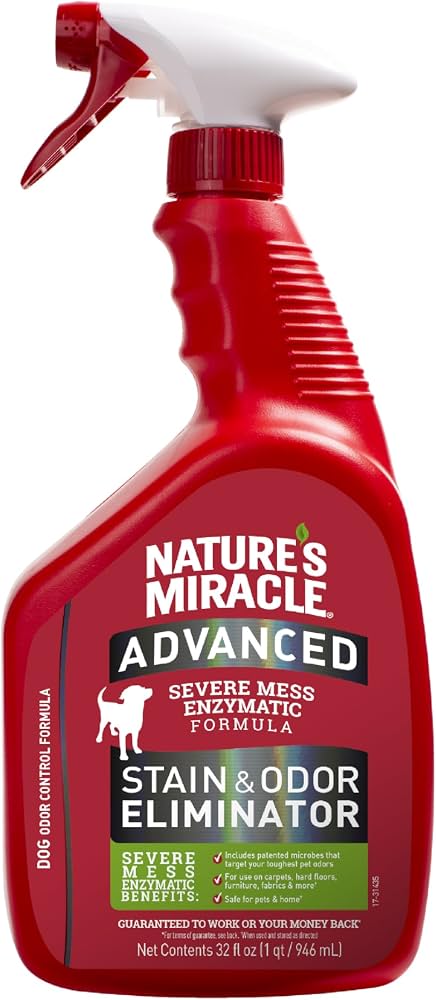
Nature's Miracle Advanced Stain and Odor Eliminator
Contains powerful enzymes that break down pet proteins and eliminate odors at the source. Safe for all colorfast carpets, and one of the most trusted brands among pet owners.
Best for: Best for fresh urine, feces, and vomit stains on carpets and upholstery. Works on both new and older stains.
Price Range: $12.99 - $18.99
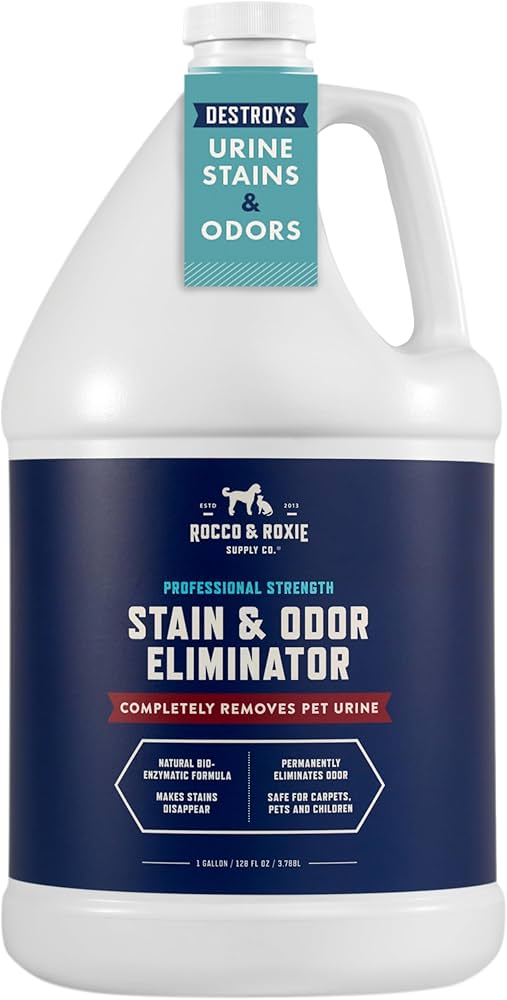
Rocco & Roxie Stain & Odor Eliminator
Professional strength enzymatic formula that works even on old, set-in stains. Has a fresh scent and is certified for use around children and pets.
Best for: Ideal for tough, deep-set stains and odors, especially in high-traffic areas. Use for repeated incidents.
Price Range: $19.99 - $24.99
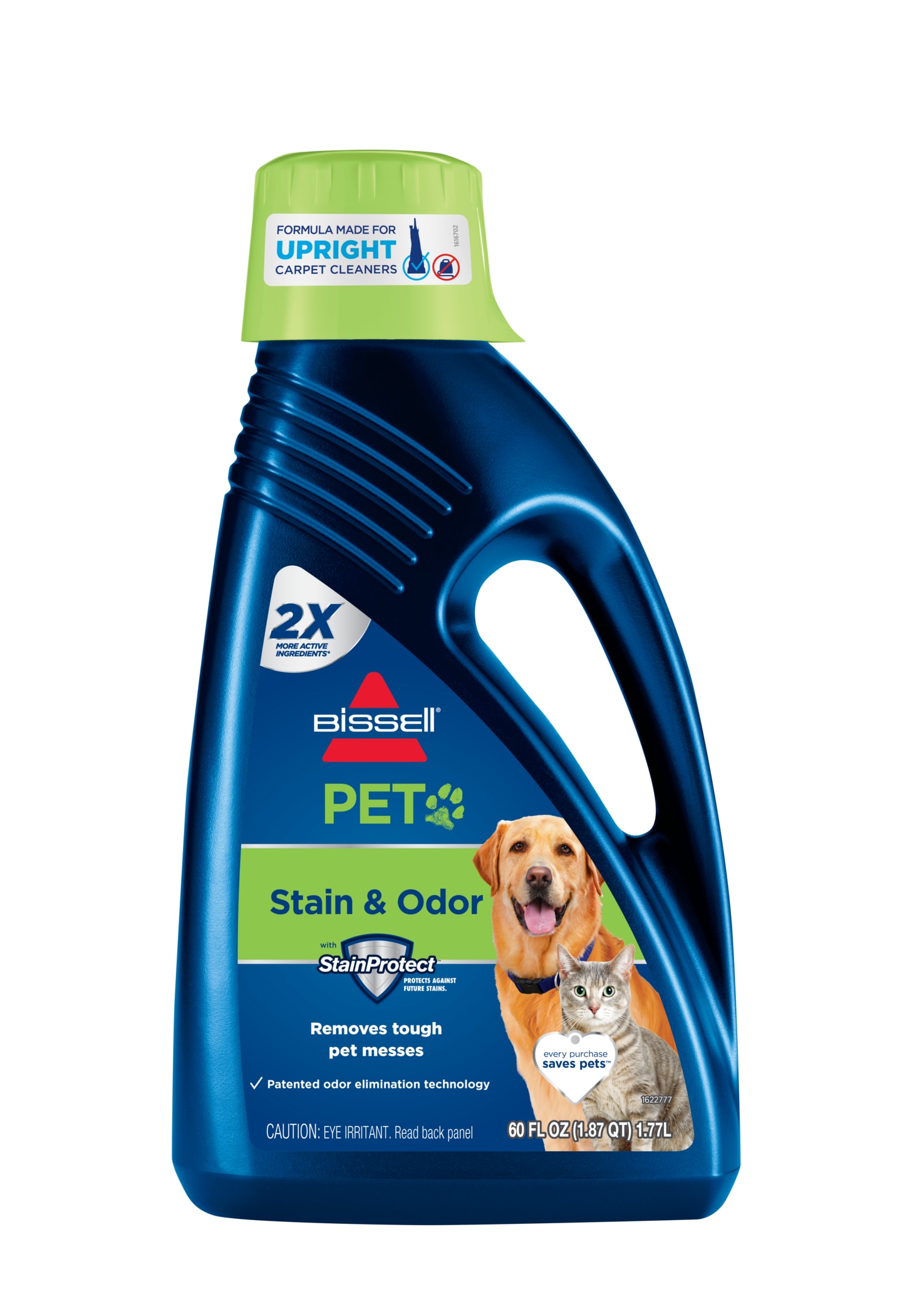
Bissell Pet Stain & Odor Remover for Oxy Boost
Works with Bissell carpet cleaners or manually. Contains oxygen boost to remove stains and odors quickly. Very effective on fresh stains.
Best for: Best used with a Bissell carpet cleaning machine for deep cleaning or as a spot spray for quick cleanups.
Price Range: $10.99 - $14.99
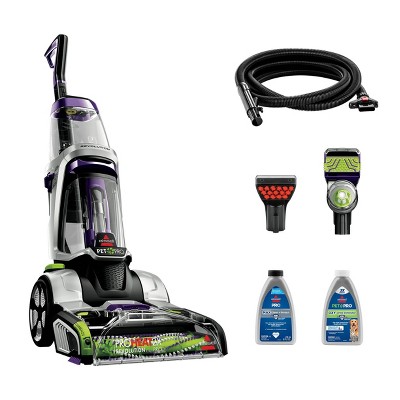
Bissell ProHeat 2X Revolution Pet Pro Carpet Cleaner
A powerful upright carpet cleaner with heatwave technology to keep water hot for better stain removal. Includes pet-specific cleaning tools.
Best for: Best for whole-house carpet cleaning or for large, repeated pet stains. Use with Bissell Pet Stain & Odor Remover for best results.
Price Range: $279.99 - $329.99
Stainless Steel Pet Stain and Odor Removal Press & Steam Cleaner
A handheld steam cleaner that uses high-temperature steam to kill bacteria and lift stains without chemicals. Safe for all carpets.
Best for: Good for spot-treating dried stains and sanitizing areas where pets have had accidents. Can be used with or without cleaners.
Price Range: $49.99 - $79.99