Coffee stains are a common nuisance for any coffee lover. Those stubborn brown rings inside your favorite mug can make even the finest ceramic look dingy. But don't worry—removing them is easier than you think, and you likely already have the supplies in your kitchen.
This guide walks you through several proven methods, from a quick baking soda scrub to a deeper vinegar soak. You'll learn how to banish both fresh and set-in stains, while protecting the finish of your mugs. With just a few minutes and some basic items, you can make your mugs look new again.
We'll cover the simplest methods first, then move to stronger techniques for stubborn stains. No harsh chemicals or professional products required—just smart, safe household solutions.
▸What You'll Need
- •Baking soda
- •White vinegar
- •Hydrogen peroxide (3%)
- •Dish soap
- •Soft sponge or non-abrasive scrub brush
- •Small bowl
- •Clean microfiber cloth or towel
- •Optional: Denture tablets, lemon, salt, cream of tartar, magic eraser, citric acid
Estimated Time: 10-15 minutes
Difficulty: beginner
▸Step-by-Step Instructions
Step 1: Rinse and Pre-Treat the Mug
Start by rinsing the mug under warm running water to loosen any loose coffee residue. Add a drop of dish soap to the inside and use your fingers or a soft cloth to wipe the surface. This removes the outer layer of the stain and any oils that might be present.
If the stain is fresh, simply washing with soap may be enough. Rinse thoroughly to avoid leaving any soap residue that could affect the next steps. You're now ready to tackle the actual discoloration.
💡 Tips:
- •Use warm water—hot water can set protein-based stains, though coffee stains are tannin-based and less affected.
- •For a quick fix, a dish soap wipe is often all you need before trying stronger methods.
⚠️ Warnings:
- •Avoid abrasive scrubbers at this stage—they can scratch the ceramic glaze.
Step 2: Make a Baking Soda Paste
In a small bowl, mix about 1 tablespoon of baking soda with just enough water (about 1 teaspoon) to form a thick paste. Baking soda is a gentle abrasive that physically lifts stains without scratching most ceramic finishes.
The paste should have a spreadable consistency—not too runny, not too crumbly. You can adjust the amount of water as needed. This mixture will be the primary scrubber for the second step.
💡 Tips:
- •Use warm water to make the paste—it dissolves the baking soda more evenly.
- •For extra cleaning power, add a splash of lemon juice to the paste.
⚠️ Warnings:
- •Don't make the paste too thick or it won't spread effectively.
Step 3: Scrub with the Baking Soda Paste
Dip a soft sponge or a microfiber cloth into the paste and apply it to the stained areas inside the mug. Use gentle circular motions, working the paste into the brown rings. Let it sit for 2-3 minutes so the baking soda can break down the tannin stains.
After scrubbing, rinse the mug with warm water. You should see a noticeable improvement. If the stain is gone, you can skip the next steps and proceed to the final rinse. For stubborn, set-in stains, continue to the vinegar soak.
💡 Tips:
- •For narrow mugs, use a bottle brush or a small sponge with an abrasive pad (but avoid steel wool).
- •If you have a mug with a textured interior, use an old toothbrush to work the paste into crevices.
⚠️ Warnings:
- •Do not scrub aggressively—you can wear down the glaze, making the mug more porous and prone to future stains.
Step 4: Use a Vinegar Soak for Stubborn Stains
If the baking soda paste didn't completely lift the stain, fill the mug with equal parts white vinegar and warm water (about half and half). Vinegar is mildly acidic and helps dissolve the tannin buildup that causes coffee stains.
Let the mug soak for 15-30 minutes. You'll see the brownish residue start to loosen. After soaking, empty the mug and scrub gently with a sponge or cloth. Rinse thoroughly with warm water to remove any lingering vinegar smell.
💡 Tips:
- •For extra tough stains, soak overnight, but check the mug for any damage first—prolonged vinegar exposure can dull the glaze.
- •Add a tablespoon of baking soda to the vinegar soak for a fizzing action that helps lift stains.
⚠️ Warnings:
- •Do not soak mugs with metallic trim or hand-painted designs in vinegar—it can damage those finishes.
Step 5: Try Hydrogen Peroxide for Set-In Stains
For very stubborn or old stains, hydrogen peroxide is a strong but safe oxidizing agent. Pour a small amount of 3% hydrogen peroxide directly into the mug—enough to cover the stained area. You can also mix it with baking soda into a paste for a scrubbing action.
Let it sit for 5-10 minutes, then scrub gently. Hydrogen peroxide works by breaking down the colored compounds in the stain. Rinse thoroughly afterward, as it may leave a mild bleach-like smell that disappears as it dries.
💡 Tips:
- •Test on a small, inconspicuous area of the mug first if you're worried about fading colors.
- •Combine hydrogen peroxide with a drop of dish soap to help it cling to the sides of the mug.
⚠️ Warnings:
- •Do not mix hydrogen peroxide with vinegar—this creates peracetic acid, which is toxic and irritating.
- •Avoid soaking handmade or rustic mugs for long periods, as the glaze may be more porous.
Step 6: Final Rinse and Dry
Once you've removed the stains, give the mug a final rinse under very warm water to remove any remaining cleaning residue. Wash it once more with a drop of dish soap if you used hydrogen peroxide or vinegar, just to be safe.
Dry the mug with a clean microfiber towel or let it air-dry on a dish rack. Avoid leaving it wet, as that can cause water spots or mineral deposits. Your mug should now look bright and stain-free—ready for your next cup of coffee.
💡 Tips:
- •To prevent future stains, rinse the mug immediately after finishing coffee and wash it with soapy water.
- •If you have a dishwasher-safe mug, run it through a cycle with a rinse aid to maintain a clean surface.
⚠️ Warnings:
- •Never put a hot mug directly into cold water—this can cause thermal shock and crack the ceramic.
▸Pro Tips
- •Use lemon juice and salt: Make a paste and gently rub it on the stain. Lemon is a natural bleach and salt provides gentle abrasion.
- •Denture tablets are surprisingly effective: Drop one in the mug, fill with warm water, let it soak for 15-30 minutes, then rinse. The effervescent action dislodges stubborn stains.
- •Baking soda and citric acid combo: Mix baking soda and citric acid (sold in many grocery stores) with water to create a fizzing cleaner that lifts stains without heavy scrubbing.
- •Clean your mugs regularly: Coffee stains are easier to remove when they're fresh. Make it a habit to wash your mug after every use instead of letting stains set.
- •Avoid porous mugs for everyday coffee: Unglazed stoneware or handmade mugs absorb oils and stains more quickly. If you love a particular mug, consider using it only for water or less-staining drinks.
- •Use a magic eraser: A dampened melamine foam eraser can often wipe away coffee stains quickly, but test on a hidden area first, as it can act like fine sandpaper.
- •Try a paste of cream of tartar and lemon juice: Mix equal parts to form a paste, apply, let sit, and rinse. Cream of tartar is a mild acid that works well on ceramic.
- •Always dry mugs upside down to avoid leaving a final residue of standing water that can re-introduce minerals.
▸Common Mistakes to Avoid
- •Using bleach or chlorine-based cleaners: These can permanently ruin the glaze and seep into the ceramic, making it unsafe for food use.
- •Scrubbing with steel wool or rough scouring pads: These create micro-scratches that trap future stains and can even wear away the glossy finish.
- •Soaking in vinegar for too long: Extended vinegar exposure (many hours) can etch the glaze, leaving a cloudy, dull surface.
- •Not rinsing thoroughly: Leftover baking soda or hydrogen peroxide can leave a bitter taste or white film on the mug's interior.
- •Using hot water on a cold mug: This can cause cracking, especially if the mug is made of delicate ceramic or has metal accents.
▸Troubleshooting
Problem: The stain is still visible after trying all methods.
Solution: Repeat the strongest method (hydrogen peroxide soak) and increase the soak time to 30 minutes. If the mug is plain white glazed ceramic, you can also try a paste of baking soda and hydrogen peroxide left for an hour. If the stain is truly set in the porous surface, it may not come out completely without harsh chemicals—consider accepting the patina or reserving the mug for personal use only.
Problem: A cloudy film appears on the mug after cleaning.
Solution: This is usually mineral deposits from hard water or leftover vinegar. Wash the mug with dish soap, then rinse with a 50/50 mix of lemon juice and water. Dry thoroughly with a microfiber cloth to restore shine.
Problem: The mug has a lingering vinegar smell.
Solution: Rinse with hot water and a few drops of dish soap, then air-dry completely. If the smell persists, wipe the interior with a slice of lemon, rinse again, and dry.
Problem: A colored mug or decorated mug faded after cleaning.
Solution: Avoid soaking decorated mugs in strong solutions. If fading has already happened, it's likely due to the cleaning agent not being safe for that material. Check the mug's care label in the future. For now, remember that thorough rinsing and quick washing prevent similar damage.
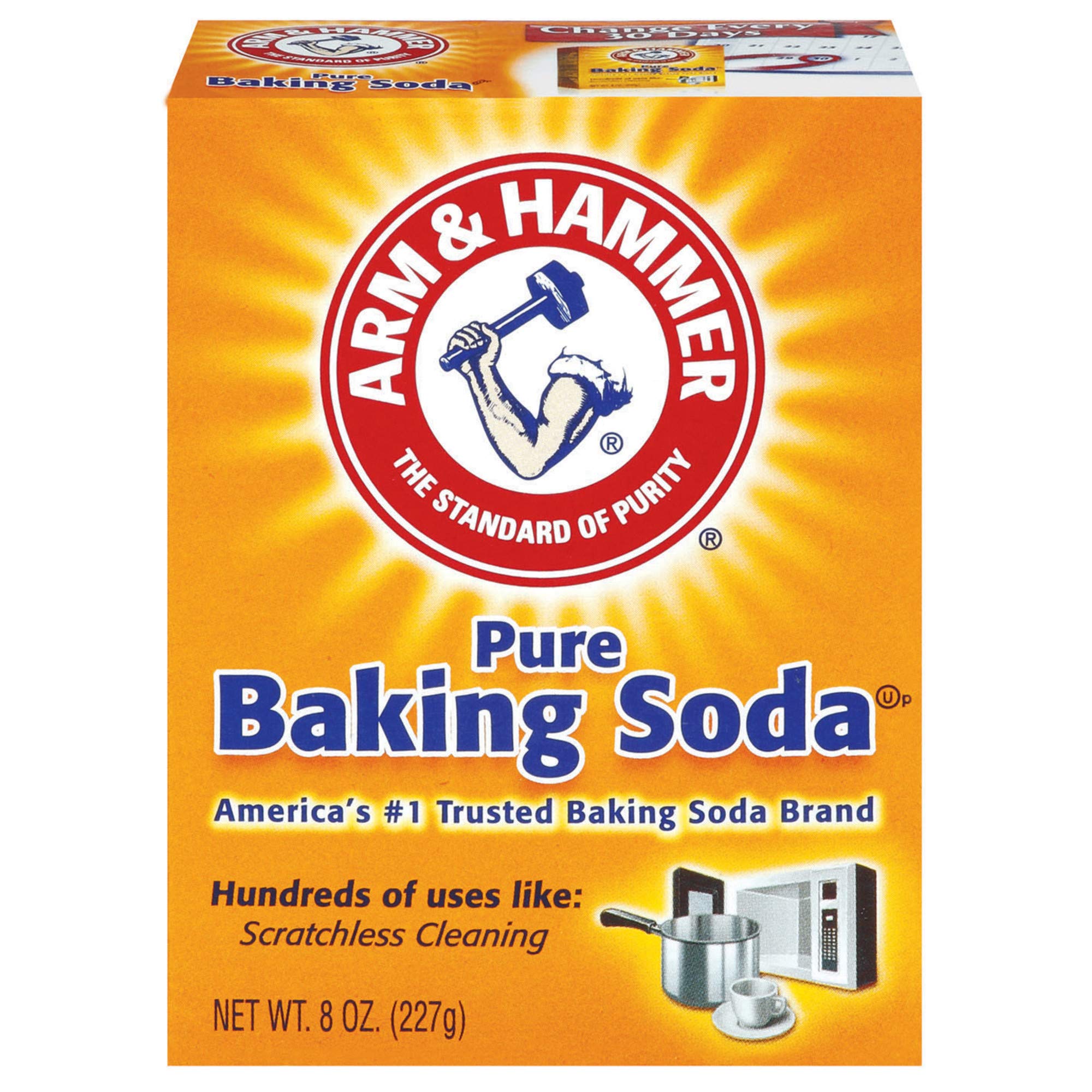
Arm & Hammer Pure Baking Soda
Baking soda is the most effective and affordable gentle abrasive for lifting coffee stains without scratching ceramic surfaces.
Best for: Make a paste with water or hydrogen peroxide to scrub stained areas; also good for deodorizing mugs.
Price Range: $1-$4
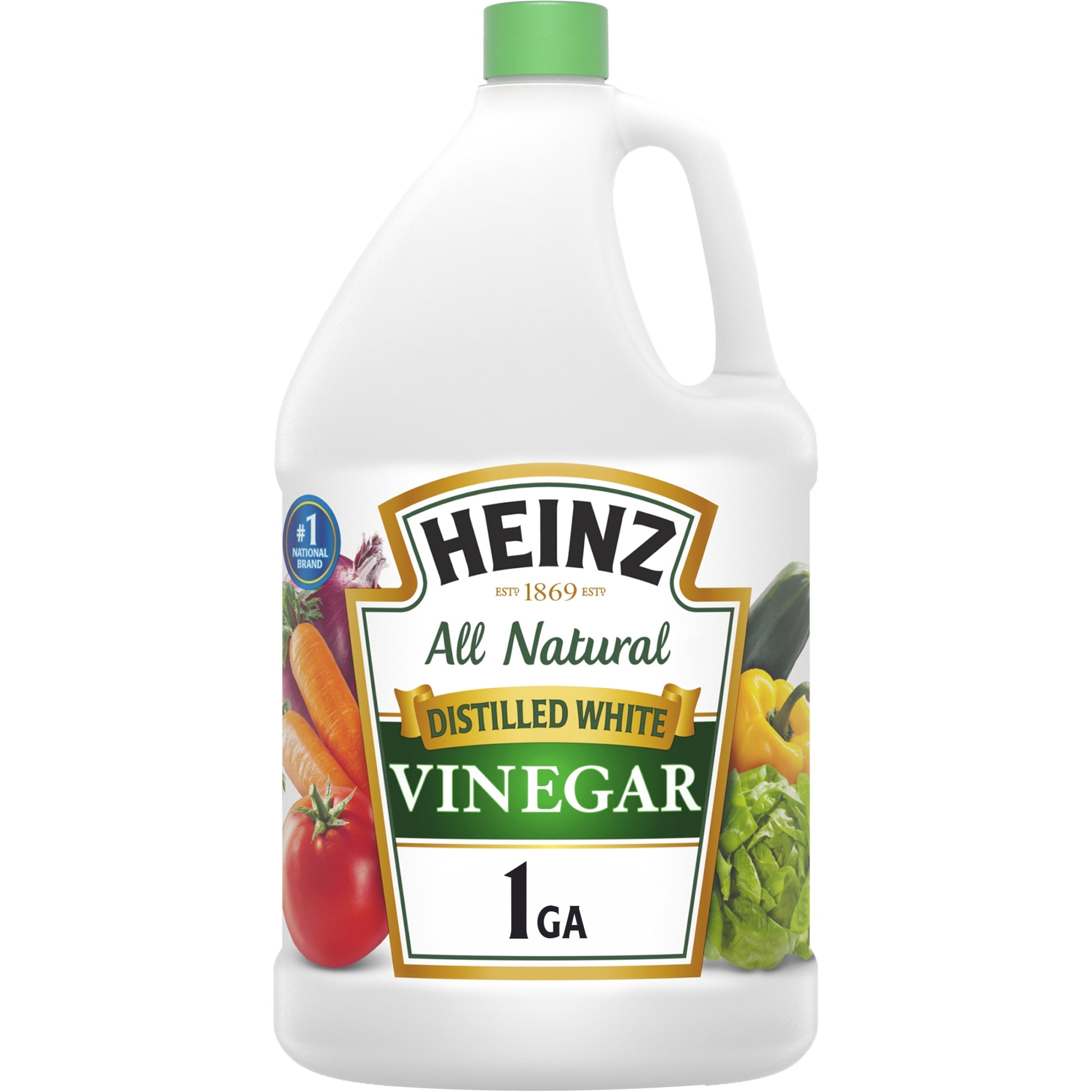
Heinz Distilled White Vinegar
A reliable, food-safe acid that helps dissolve stubborn tannin stains and mineral buildup in just minutes.
Best for: Dilute 50/50 with warm water and soak stubborn mugs for 15-30 minutes.
Price Range: $3-$8 for a 64 oz bottle
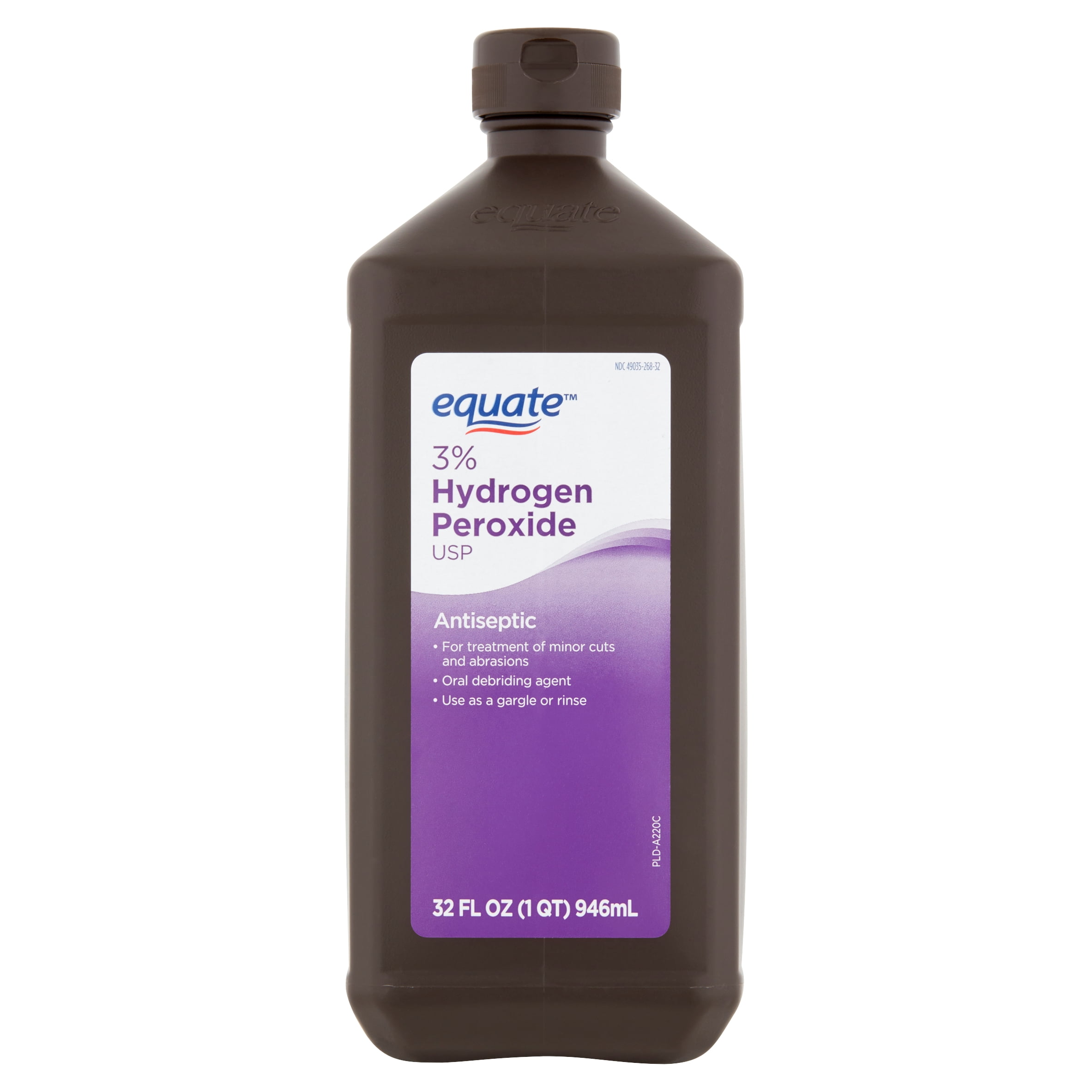
Hydrogen Peroxide 3%
An effective oxidizing agent that breaks down set-in coffee stains without the harshness of chlorine bleach.
Best for: Pour directly into a stained mug, let sit for 5-10 minutes, then scrub and rinse.
Price Range: $5-$10
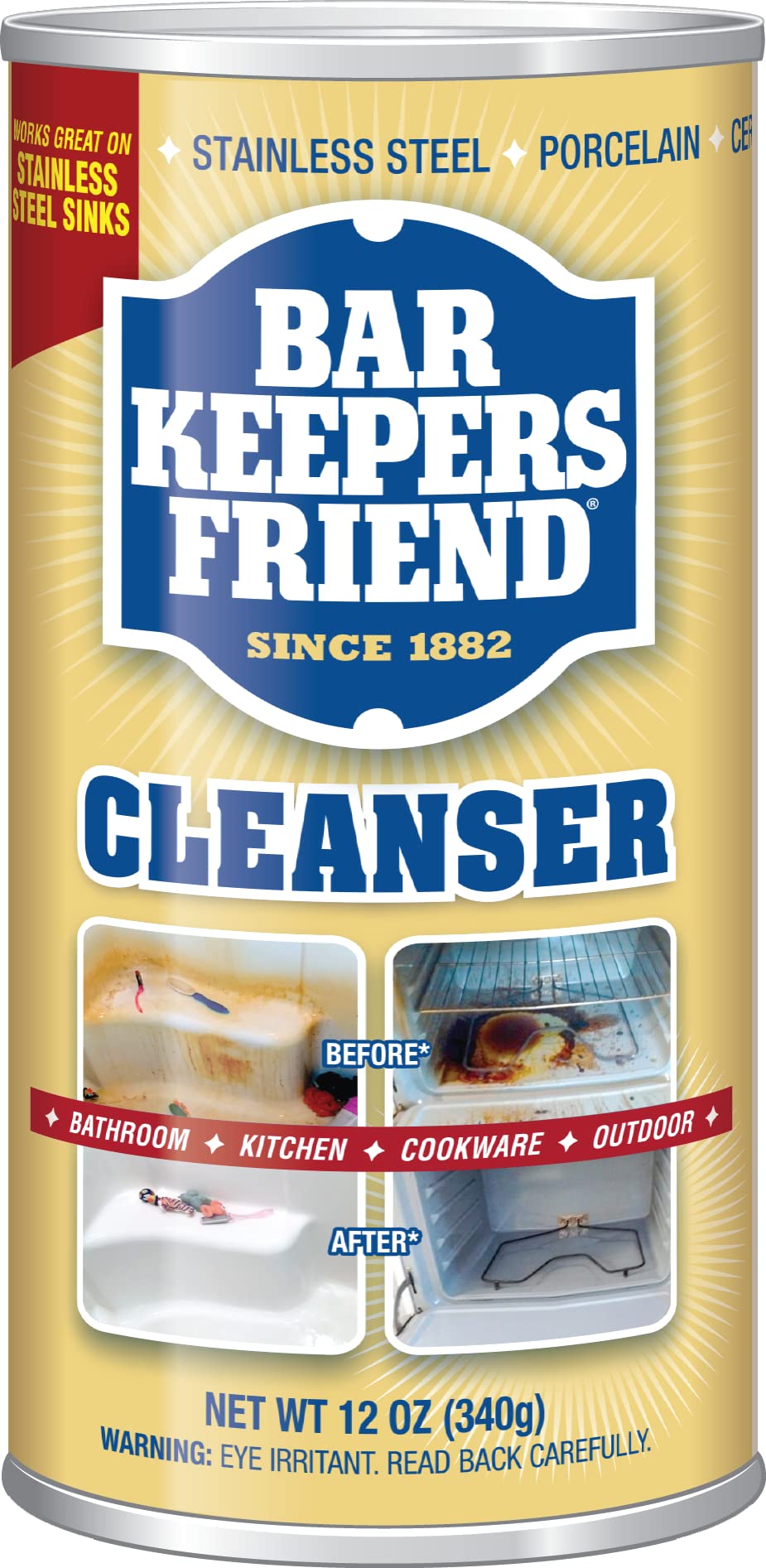
Bar Keepers Friend Cleanser
A specialized gentle cleanser with oxalic acid that removes tough coffee stains while being safe on ceramic and porcelain surfaces.
Best for: Apply a small amount to a damp sponge, scrub the stain, rest for 1 minute, then rinse thoroughly.
Price Range: $5-$12
Mr. Clean Magic Eraser
Melamine foam works wonders on coffee rings, gently pulling up stains from glazed mugs with just water.
Best for: Dampen the eraser, squeeze off excess water, and wipe the inside of the mug; no cleaning solution needed.
Price Range: $10-$15 for a pack