
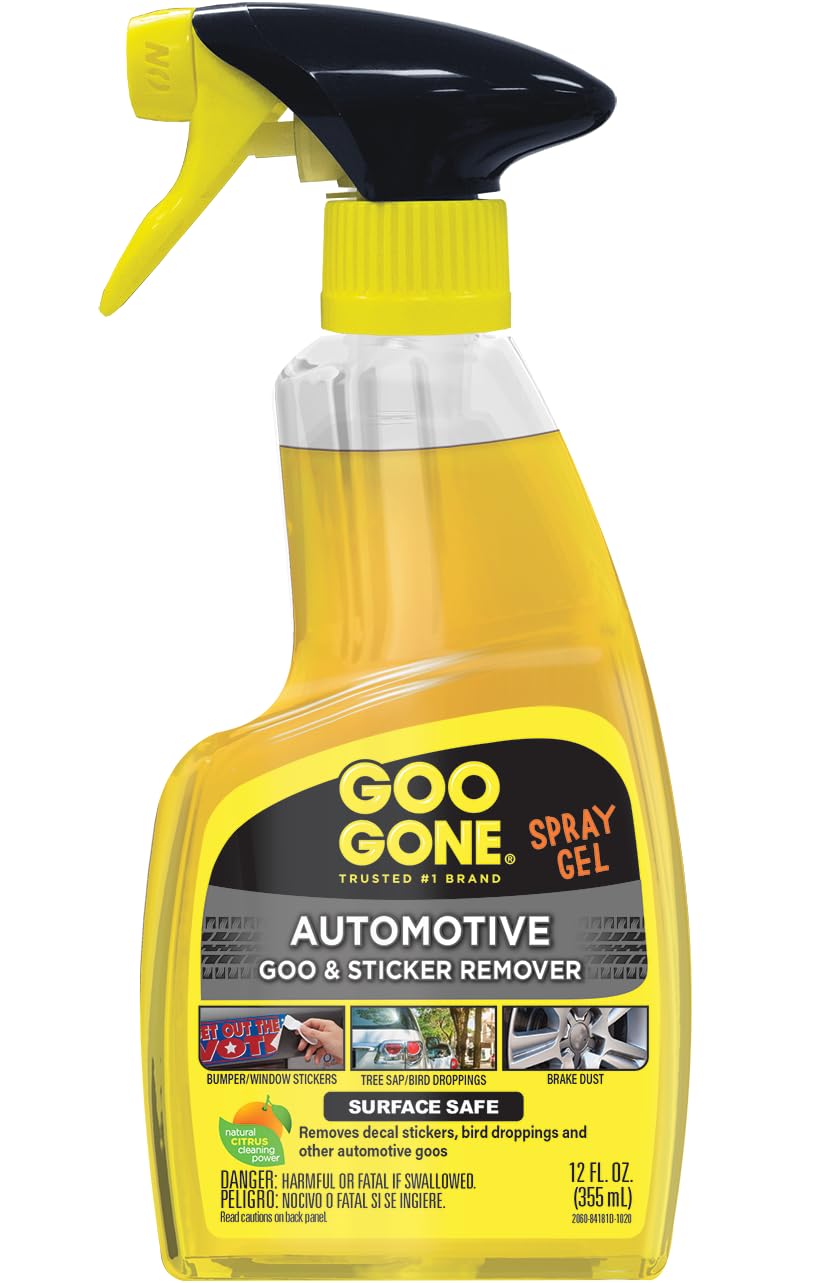
Goo Gone Automotive Goo & Adhesive Remover
Ideal for stickers, tape, and light tar on cars.
$8-12
Goo Gone Automotive Goo & Adhesive Remover Citrus-based, safe on paint, dissolves tough adhesives fast without residue.
Get the App
Better experience on mobile
Master safe techniques to eliminate sticky residues, tar, or stickers from your car without scratching or damaging the paint in under an hour.
Nothing ruins the sleek look of your car faster than stubborn adhesives from dealer stickers, bumper decals, or road tar. Scraping too hard or using harsh chemicals can etch or dull your paint, leading to costly repairs. This guide shows you how to remove adhesives safely using proven methods that protect your vehicle's finish.
You'll learn step-by-step instructions starting with preparation, testing, softening, removal, and finishing touches. Whether it's fresh glue or years-old residue, these techniques work on most automotive paints. Expect 30-60 minutes total, suitable for intermediate DIYers with basic car care experience.
By the end, your car will gleam residue-free, ready for a fresh wax job. Always prioritize safety and testing to avoid regrets.
Estimated Time: 30-60 minutes, depending on adhesive size and stubbornness Difficulty: intermediate
Park your car in a shaded, well-ventilated area away from direct sunlight to prevent removers from drying too quickly or baking onto the paint. Wash the affected area with car wash soap and water using a microfiber cloth to remove dirt, wax, or loose debris. Dry thoroughly.
This step matters because contaminants can scratch the paint during scraping or trap residue. Expect a clean surface ready for testing—no shine needed yet, just cleanliness.
Pro tip: Work in sections no larger than 1 sq ft to maintain control.
💡 Tips:
⚠️ Warnings:
Apply a small amount of your chosen adhesive remover (e.g., isopropyl alcohol or commercial product) to a hidden area like inside the door jamb or under the hood. Wait 1-2 minutes, then wipe and inspect for color change, dulling, or damage.
Testing prevents disasters on visible paint. Success looks like clean removal with no hazy residue or paint lift—proceed only if clear.
If damage occurs, stop and consult a pro.
💡 Tips:
⚠️ Warnings:
Use a hairdryer on low heat (or heat gun at 100°F max) held 6-8 inches away, warming the adhesive for 1-2 minutes until it softens and becomes pliable. Avoid overheating to prevent paint bubbling.
Heat loosens the bond without chemicals first, reducing abrasion. Expect the sticker or goo to bubble or lift at edges—gentle is key.
Why it works: Adhesives are thermoplastic and melt under controlled warmth.
💡 Tips:
⚠️ Warnings:
With a plastic scraper at a 30-45° angle, carefully lift the softened adhesive. Work from the edges inward, applying minimal pressure. Peel slowly like removing a sticker.
This removes 70-90% without scratching. Success: Large chunks come off, leaving thin film—no gouges visible.
Wipe scraper on a rag frequently.
💡 Tips:
⚠️ Warnings:
Spray or dab remover generously on remaining film. Let sit 2-5 minutes (per product instructions) to break down the glue. Agitate lightly with a microfiber cloth.
Solvents dissolve the adhesive matrix safely. Expect residue to emulsify and wipe away easily—no rubbing needed.
For tough spots, reapply.
💡 Tips:
⚠️ Warnings:
Buff the area with a clean microfiber cloth in straight lines (not circles) to lift dissolved residue. Inspect under good light; repeat steps 3-5 for stubborn spots.
Clean removal leaves glossy paint. Switch cloths to avoid recontaminating.
Success indicator: No tacky feel or haze.
💡 Tips:
⚠️ Warnings:
Soap-wash the section again, rinse well, and dry with a fresh microfiber towel. This neutralizes any remover residue.
Removes chemicals that could etch paint later. Expect paint back to original shine.
Air dry partially for best results.
💡 Tips:
⚠️ Warnings:
Apply car polish to restore gloss, then wax for UV protection. Buff lightly.
Seals the paint against future contaminants. Final result: Shiny, protected surface indistinguishable from new.
**Optional clay bar first for tar.
💡 Tips:
⚠️ Warnings:
Problem: Residue won't budge after multiple tries
Solution: Switch to stronger remover like 3M or clay bar; soak 10+ minutes. If persistent, professional detailer needed.
Problem: Paint dulled or hazy post-removal
Solution: Polish immediately with cutting compound; if etched, wet sand + pro buff.
Problem: Remover streaks or smells linger
Solution: Clay bar + thorough soap wash; neutralize with vinegar-water mix.
Problem: Adhesive spreads instead of lifting
Solution: Less heat, more remover dwell time; scrape sooner.
Citrus-based, safe on paint, dissolves tough adhesives fast without residue.
Best for: Ideal for stickers, tape, and light tar on cars.
Price Range: $8-12
Professional-grade, low odor, evaporates clean—no oily film left behind.
Best for: Heavy industrial glue or multiple layers.
Price Range: $15-20
Foaming action penetrates road grime and adhesives gently.
Best for: Tar, bugs mixed with glue on highways.
Price Range: $9-11
Water-based, non-toxic, rinses easily—eco-friendly for paint.
Best for: Sensitive clear coats or daily drivers.
Price Range: $12-16
Universal solvent, cheap, evaporates instantly—no cleanup.
Best for: Light residues or as pre-soak before commercial removers.
Price Range: $15-20
Ideal for stickers, tape, and light tar on cars.
Goo Gone Automotive Goo & Adhesive Remover Citrus-based, safe on paint, dissolves tough adhesives fast without residue.
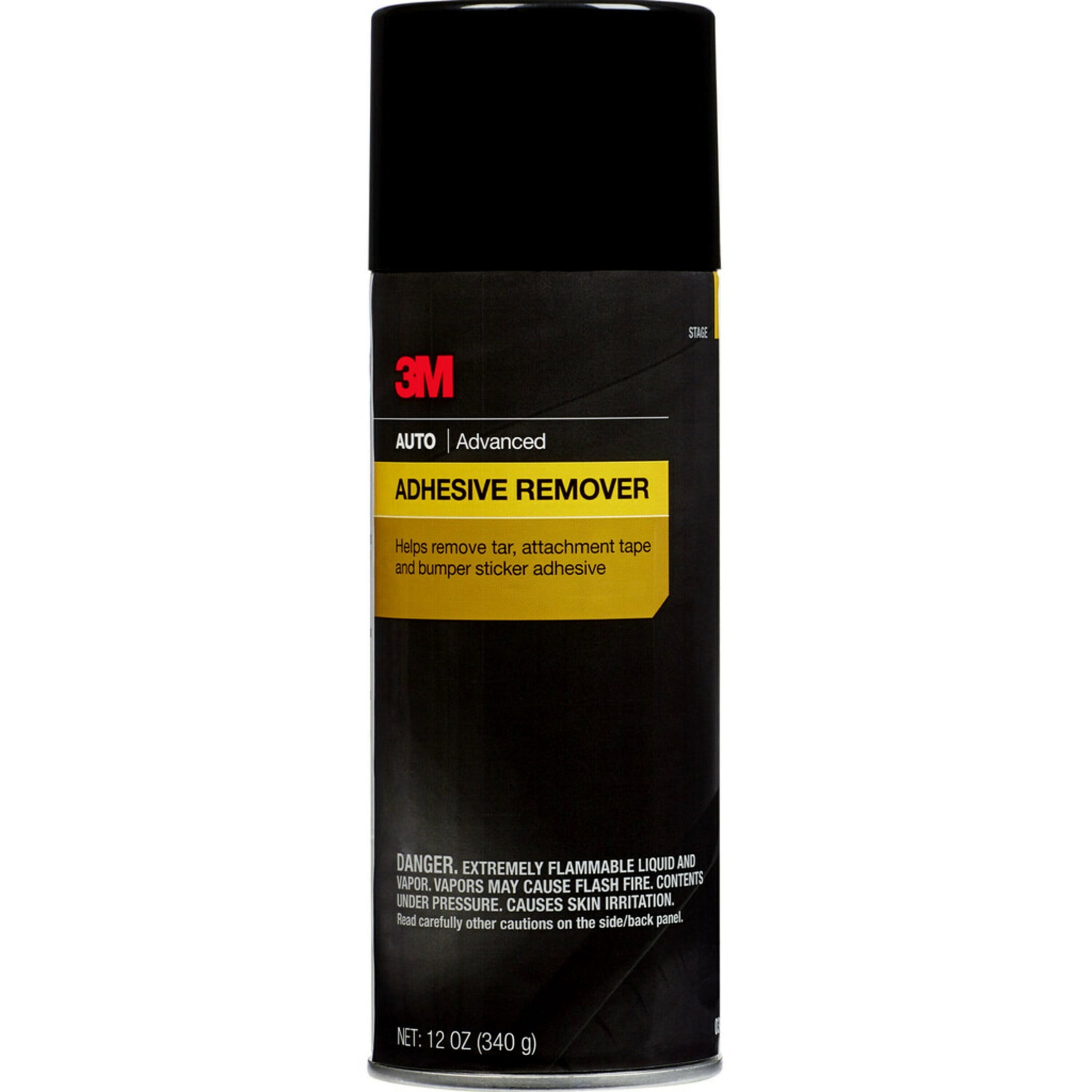
Heavy industrial glue or multiple layers.
3M Adhesive Remover Professional-grade, low odor, evaporates clean—no oily film left behind.
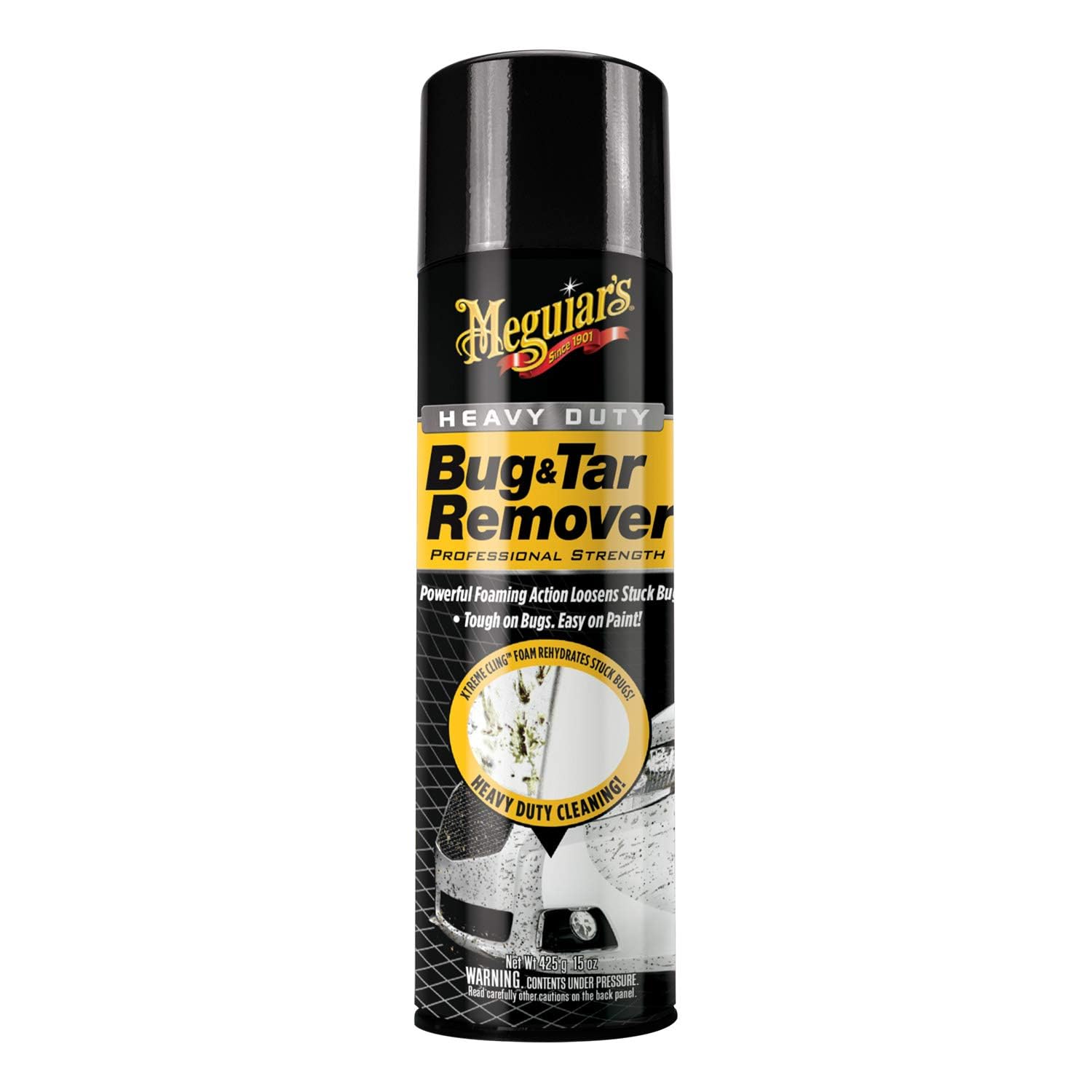
Tar, bugs mixed with glue on highways.
Meguiar's Gold Class Bug & Tar Remover Foaming action penetrates road grime and adhesives gently.
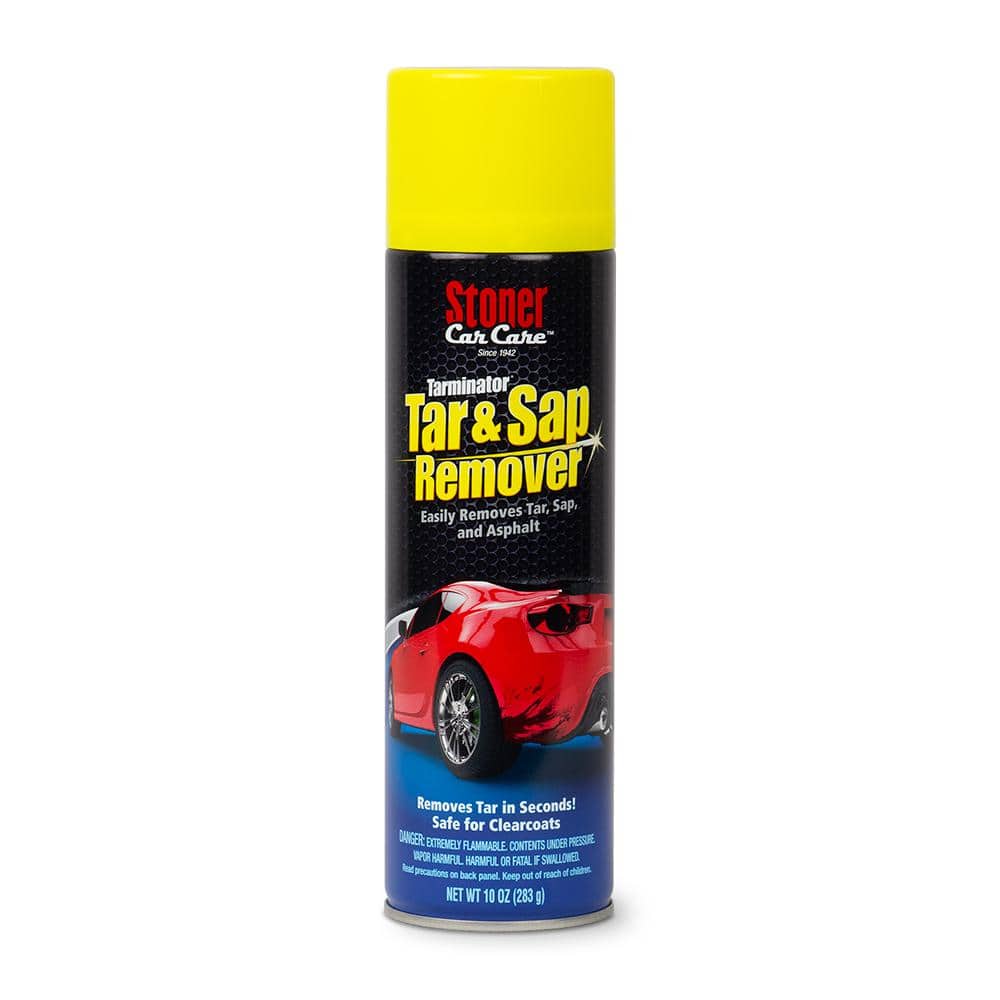
Sensitive clear coats or daily drivers.
Stoner Car Care Tarminator Water-based, non-toxic, rinses easily—eco-friendly for paint.
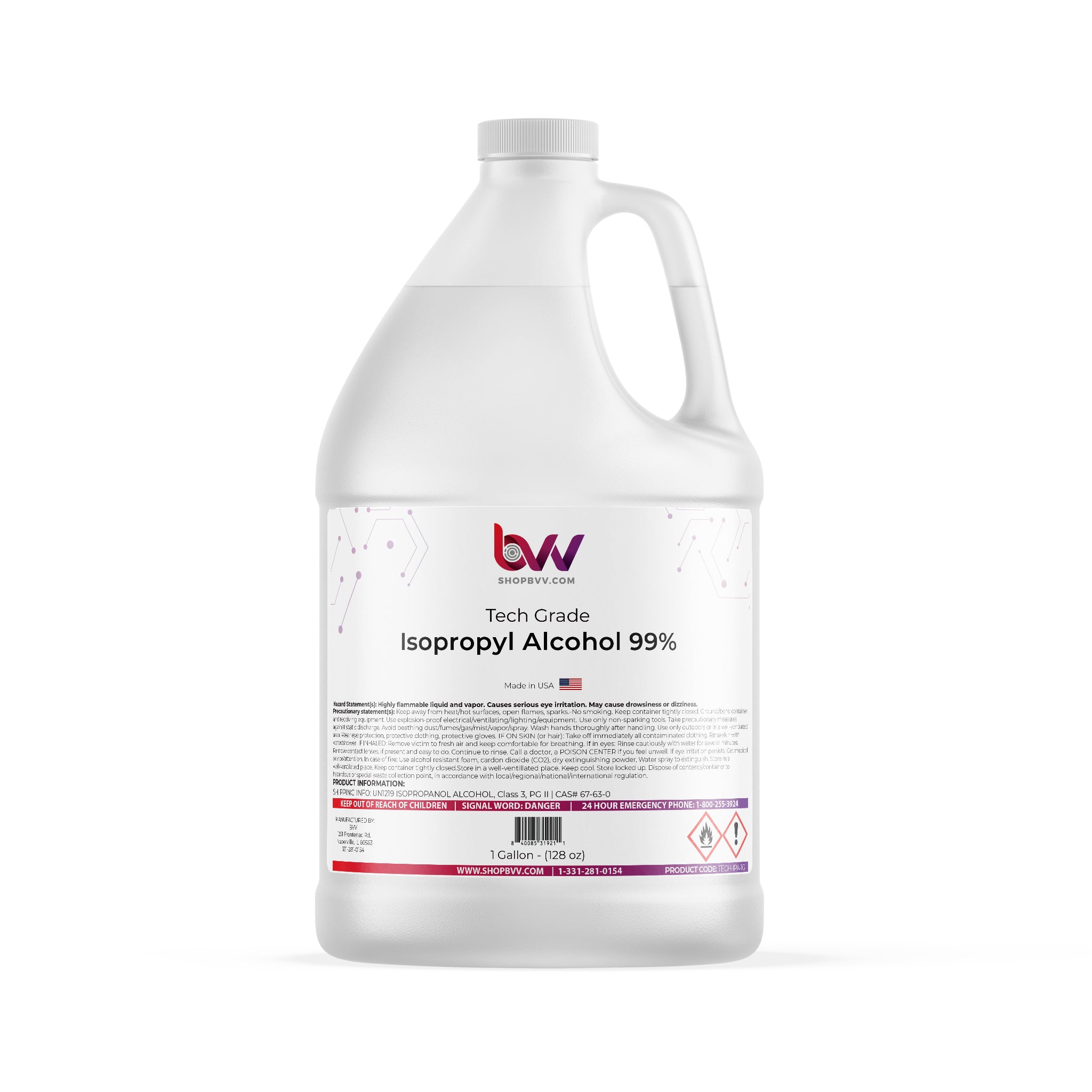
Light residues or as pre-soak before commercial removers.
Isopropyl Alcohol 99% (TechGrade) Universal solvent, cheap, evaporates instantly—no cleanup.