Struggling with oily, sticky residue left behind after using adhesive removers on windows, mirrors, or jars? These products dissolve glue effectively but often leave a film on glass that attracts dirt and looks unsightly. This guide shows you how to remove it safely and restore crystal-clear glass.
You'll learn a beginner-friendly, 7-step process using household items and safe cleaners. Expect sparkling results without scratches or haze. The whole task takes just 10-15 minutes per surface, perfect for quick fixes around the home.
No harsh chemicals or fancy tools needed—just follow along for pro-level results every time.
▸What You'll Need
- •Mild dish soap (like Dawn Ultra)
- •Warm water
- •Clean microfiber cloths (2-3)
- •Isopropyl alcohol (91% or higher)
- •Spray bottle (optional, for solutions)
- •White vinegar (optional, for extra shine)
Estimated Time: 10-15 minutes
Difficulty: beginner
▸Step-by-Step Instructions
Step 1: Prepare Your Workspace and Safety Gear
Start by working in a well-ventilated area to avoid inhaling fumes from the alcohol. Lay down newspapers or a towel to catch drips. Put on rubber gloves if you have sensitive skin—adhesive remover residue can be irritating.
This step ensures safety and prevents mess. Expect a clean setup ready for action in under 1 minute. Test your gloves and cloths for quality now.
💡 Tips:
- •Ventilate by opening windows for faster drying.
⚠️ Warnings:
- •Avoid direct sunlight to prevent rapid evaporation and streaks.
Step 2: Test in an Inconspicuous Area
Dab a small amount of isopropyl alcohol on a hidden spot of the glass (like a corner). Wait 1-2 minutes and wipe. If no discoloration or damage occurs, proceed.
Why? Glass types vary—tinted or coated glass might react. Success looks like no change, confirming safety.
💡 Tips:
- •If unsure about the glass type, skip alcohol and use only soapy water.
Step 3: Mix and Apply Soapy Solution
Fill a bowl or spray bottle with warm water and a few drops of dish soap. Mix until sudsy. Spray or apply generously to the residue-covered area using a microfiber cloth.
Soap breaks down the oily residue gently. Wipe in circular motions. Expect the residue to lift easily, leaving a soapy film.
⚠️ Warnings:
- •Don't soak the glass—excess water can seep into frames.
Step 4: Wipe Away Initial Residue
Use a fresh microfiber cloth to wipe the soapy area thoroughly. Rinse the cloth in clean water as it gets dirty. Repeat until no oily film transfers to the cloth.
This removes 80% of residue. Glass should look cleaner but possibly streaky—normal at this stage.
💡 Tips:
- •Wring cloth well to avoid scratches from drips.
Step 5: Apply Isopropyl Alcohol for Stubborn Spots
Dampen—not soak—a clean cloth with isopropyl alcohol. Gently rub the remaining residue in straight lines. The alcohol evaporates quickly, dissolving oils without residue.
Ideal for tough spots. Expect instant clarity as it dries in seconds.
⚠️ Warnings:
- •Use sparingly; too much can temporarily cloud glass.
Step 6: Rinse and Dry Thoroughly
Wipe with a damp cloth in plain water to remove any cleaner traces, then dry immediately with a dry microfiber cloth. Buff in circular motions for shine.
Prevents water spots. Success: Streak-free, sparkling glass.
💡 Tips:
- •Dry edge-to-edge quickly for best results.
Step 7: Inspect and Polish if Needed
Hold glass at an angle to light and check for haze or streaks. Repeat steps 5-6 or use a vinegar-water mix (1:1) for final polish if needed.
Ensures perfection. Your glass is now ready for use.
▸Pro Tips
- •Work in small sections to prevent drying streaks.
- •Use distilled water for rinsing in hard-water areas to avoid spots.
- •Microfiber cloths are key—paper towels leave lint.
- •For large surfaces like windows, start top-to-bottom.
- •Add a drop of vinegar to alcohol for extra degreasing power.
- •Clean tools immediately to reuse next time.
- •Practice on old jars first for confidence.
▸Common Mistakes to Avoid
- •Using paper towels: Causes scratches and lint—stick to microfiber.
- •Over-saturating glass: Leads to drips and seepage—use damp cloths only.
- •Skipping the test spot: Risks damage on specialty glass.
- •Not drying immediately: Creates water marks.
- •Ignoring ventilation: Fumes can irritate eyes/skin.
▸Troubleshooting
Problem: Persistent streaks or haze
Solution: Apply 1:1 vinegar-water mix, wipe, and buff dry. Repeat alcohol step.
Problem: Cloudy residue won't lift
Solution: Let alcohol sit 30 seconds before wiping. Use fresh cloth.
Problem: Smudges on tinted glass
Solution: Skip alcohol; use only soapy water and vinegar. Seek pro if damaged.
Problem: Oily film returns
Solution: Residue not fully removed—repeat full process.
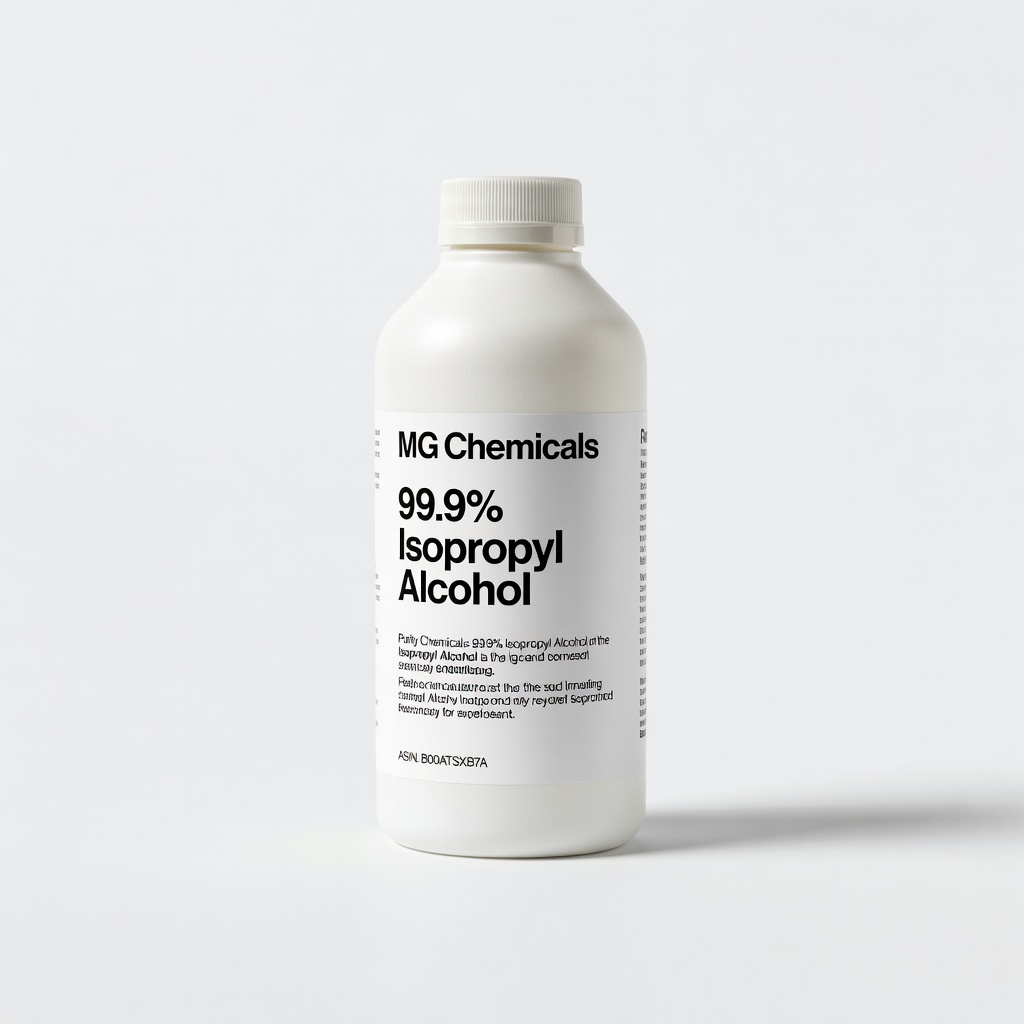
MG Chemicals 99.9% Isopropyl Alcohol (ASIN: B00ATSXB7A)
Pure alcohol dissolves oily residues fast without leaving streaks, safer than lower concentrations.
Best for: Stubborn adhesive remover films on mirrors/windows.
Price Range: $24.99
Amazon Basics Microfiber Cleaning Cloths (ASIN: B07D8G5K3H)
Lint-free and highly absorbent for streak-free drying and wiping.
Best for: All wiping steps; reusable for ongoing glass maintenance.
Price Range: $12.99
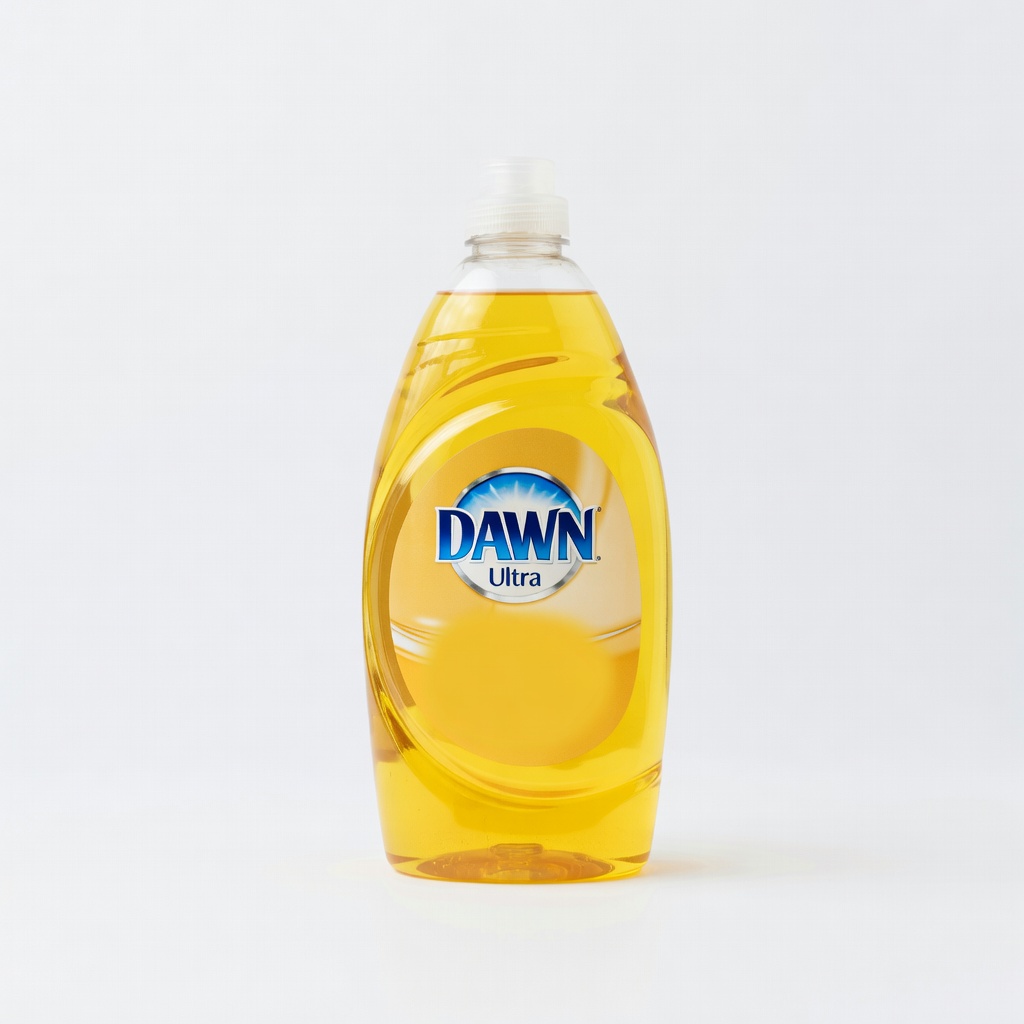
Dawn Ultra Dishwashing Liquid (ASIN: B07D7F5G3G)
Cuts grease effectively, safe for glass, no harsh fumes.
Best for: Initial soapy solution for everyday residue removal.
Price Range: $3.99
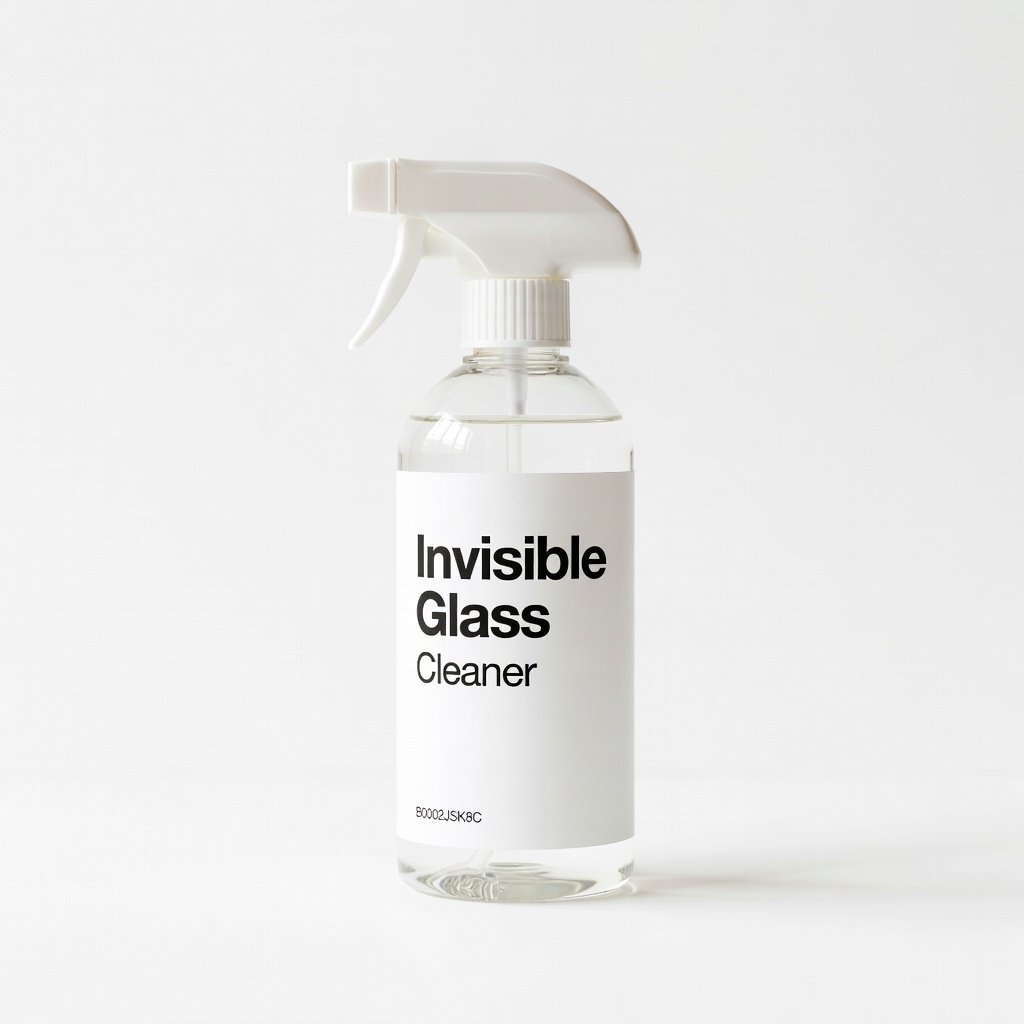
Invisible Glass Cleaner (ASIN: B0002JSK8C)
Ammonia-free formula perfect for final polish after alcohol.
Best for: Quick final buff on auto glass or large windows.
Price Range: $4.99
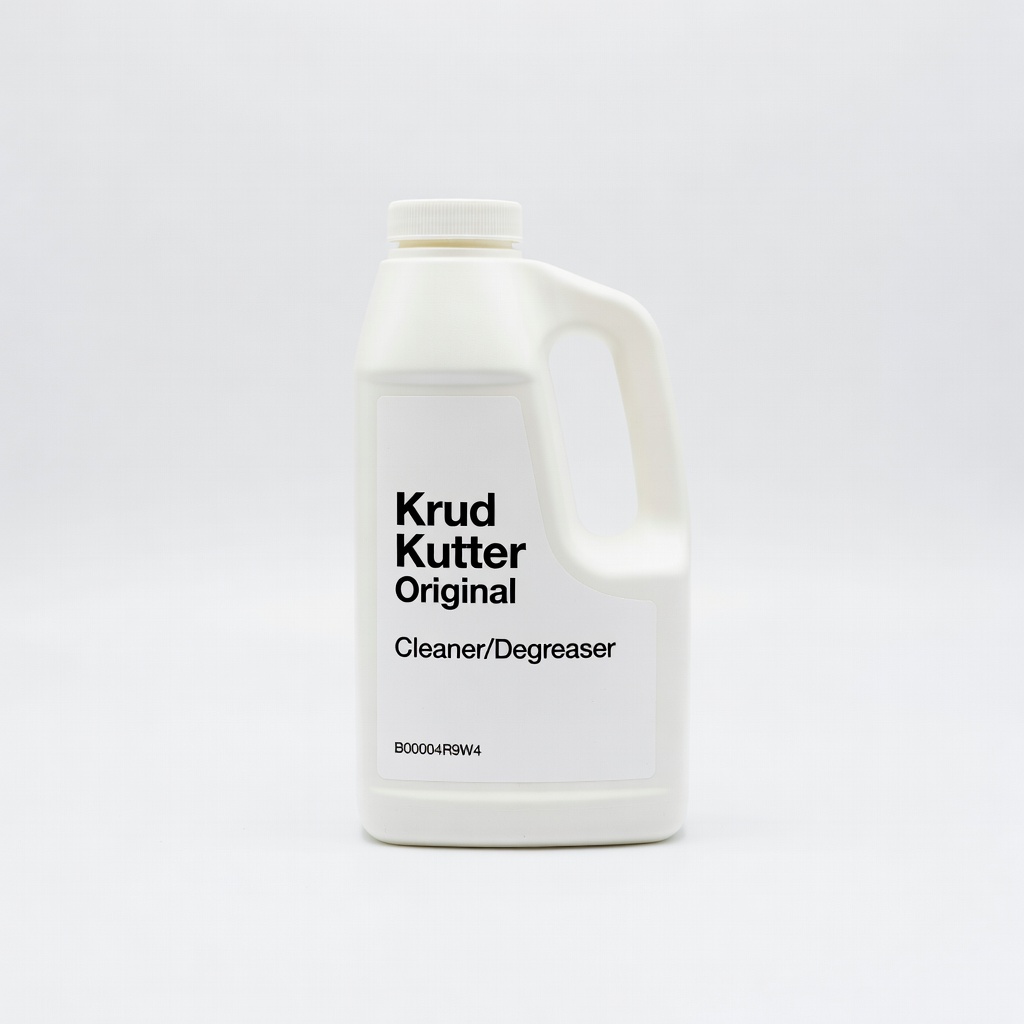
Krud Kutter Original Cleaner/Degreaser (ASIN: B00004R9W4)
Heavy-duty for thick residues, safe on glass when diluted.
Best for: Extreme cases like industrial adhesive removers.
Price Range: $9.97