You've finally removed that stubborn sticker or label with an adhesive remover, only to be left with a greasy, sticky film that smears everything it touches. This residue can dull finishes on delicate surfaces like painted wood, glass tabletops, or even car interiors, making your victory short-lived. Don't worry—there's a reliable way to banish it without scratching or discoloring your surfaces.
In this guide, you'll learn step-by-step techniques tailored for intermediate DIYers, focusing on mechanical removal first, then mild solvents. You'll achieve a spotless, residue-free surface that looks and feels clean. The process takes patience but minimal tools, with success visible as the oily sheen disappears and the surface regains its original luster.
Expect 20-30 minutes total, depending on the area size. It's intermediate difficulty: requires careful testing and gentle handling to protect sensitive materials.
▸What You'll Need
- •Microfiber cloths (lint-free)
- •Mild dish soap like Dawn
- •Warm water
- •Isopropyl alcohol (70-91%)
- •Cotton swabs or balls
- •Cornstarch or baking soda (absorbent)
- •Soft-bristle brush or vacuum with brush attachment (optional)
- •White vinegar (optional for extra stubborn spots)
Estimated Time: 20-30 minutes
Difficulty: intermediate
▸Step-by-Step Instructions
Step 1: Identify Surface Type and Test Spot
Determine if your surface is glass, plastic, painted wood, laminate, or fabric—these dictate solvent strength. Always test cleaners first to prevent damage like discoloration or dulling.
Dab a tiny amount of soapy water, then isopropyl alcohol (diluted 1:1 with water for delicate items), on an inconspicuous area like an edge or underside. Wait 5-10 minutes and check for changes. This matters because adhesive removers vary, and surfaces react differently.
Success looks like no color change, bubbling, or stickiness after wiping dry.
Image description: Hand applying drop of alcohol to wood corner with swab, timer nearby.
💡 Tips:
- •Label surfaces by type for future reference.
- •Test multiple cleaners if unsure.
⚠️ Warnings:
- •Skip alcohol on unfinished wood or acrylic—it can etch.
Step 2: Blot Loose Residue with Dry Microfiber Cloth
Gently blot (don't rub) the residue with a clean, dry microfiber cloth to lift excess oil without spreading it.
Fold the cloth for a fresh section each pass. Why? Mechanical removal prevents chemicals from mixing poorly. Expect 50-70% reduction in visible oiliness—the cloth will pick up greasy transfer.
This first pass sets up easier subsequent cleaning.
💡 Tips:
- •Use multiple cloths to avoid recontamination.
⚠️ Warnings:
- •Avoid paper towels—they leave lint on delicate surfaces.
Step 3: Apply Absorbent Powder
Sprinkle cornstarch or baking soda generously over the residue. These powders absorb oils like a sponge.
Press lightly with fingers or cloth to embed into the goo. Let sit 10-15 minutes (longer for thick residue). This breaks down the oily film safely, ideal for all delicate surfaces.
Success: Powder turns clumpy as it soaks up residue.
💡 Tips:
- •Work in small sections for better absorption.
⚠️ Warnings:
- •Don't use talc-based powders on skin-contact surfaces.
Step 4: Brush or Vacuum Off Powder
Gently brush or vacuum the powder away with a soft brush or vacuum hose (nozzle only, brush attachment if available). Wipe any remnants with a dry cloth.
This removes absorbed residue without abrasion. Expect a much drier, less sticky surface—powders lift what wiping can't.
Inspect: If still oily, repeat steps 2-4.
💡 Tips:
- •Outdoor vacuuming prevents indoor mess.
⚠️ Warnings:
- •Never scrub—use feather-light strokes.
Step 5: Wipe with Warm Soapy Water
Mix a few drops of mild dish soap in warm water. Dip microfiber cloth, wring well, and wipe in straight lines.
Soap emulsifies remaining oils. Rinse cloth often. Why it works: Gentle surfactant action without harshness. Success: Surface feels clean, no streaks when dry.
For fabric, blot and air dry.
💡 Tips:
- •Warm water boosts soap efficacy by 20%.
⚠️ Warnings:
- •Too much soap leaves new residue—rinse thoroughly.
Step 6: Target Stubborn Spots with Diluted Alcohol
If sticky spots remain, dilute isopropyl alcohol 1:1 with water. Apply via cotton swab—never soak the surface.
Wipe immediately, then soapy water follow-up. Alcohol evaporates fast, dissolving oils safely on most delicates. Expect: Spots vanish without haze.
Skip for matte finishes.
💡 Tips:
- •Q-tips precision prevents overspreading.
⚠️ Warnings:
- •Test again; pure alcohol on plastic can craze it.
Step 7: Rinse, Dry, and Buff
Rinse with clean damp cloth, then dry thoroughly with fresh microfiber. Buff gently for shine.
Final dry prevents water spots. Inspect under light—no haze or tackiness means success!
For shine, optional vinegar wipe (1:1 water).
💡 Tips:
- •Air dry 5 mins before buffing.
⚠️ Warnings:
- •Damp surfaces attract dust.
Step 8: Inspect and Maintain
Run finger over surface—should glide smoothly, no drag. Repeat process if needed.
Why final check: Catches misses early. Store tip: Keep microfiber handy for upkeep.
💡 Tips:
- •Photograph before/after for records.
▸Pro Tips
- •Work in 1 sq ft sections to maintain control.
- •Always use lint-free cloths—paper alternatives scratch delicates.
- •For large areas, section off with painter's tape.
- •Add a drop of vinegar to soap for extra grease-cutting power.
- •Prevent future residue by choosing low-residue removers like Un-Du.
- •Dry immediately outdoors to avoid indoor fumes.
- •Buff with glass cleaner for glossy finishes post-clean.
▸Common Mistakes to Avoid
- •Skipping the test spot, leading to bleached or dulled surfaces—always test first.
- •Rubbing aggressively, causing micro-scratches on delicates—blot and use light pressure.
- •Overusing solvents, which can strip finishes—dilute and swab sparingly.
- •Not rinsing soap, leaving new film—double-rinse every time.
- •Using household cleaners like acetone, too harsh for plastics and paints.
▸Troubleshooting
Problem: Residue returns after drying
Solution: Absorbent powder didn't fully soak—repeat steps 3-5 with longer sit time.
Problem: Surface discolors or hazes
Solution: Solvent too strong—stop, wipe with soap/water only, seek pro if damage persists.
Problem: Fabric shrinks or bleeds
Solution: Use cold water only next time; air dry flat. Test vinegar dilution.
Problem: Residue too thick/widespread
Solution: Scrape gently with plastic card first, then proceed. For antiques, consult professional.
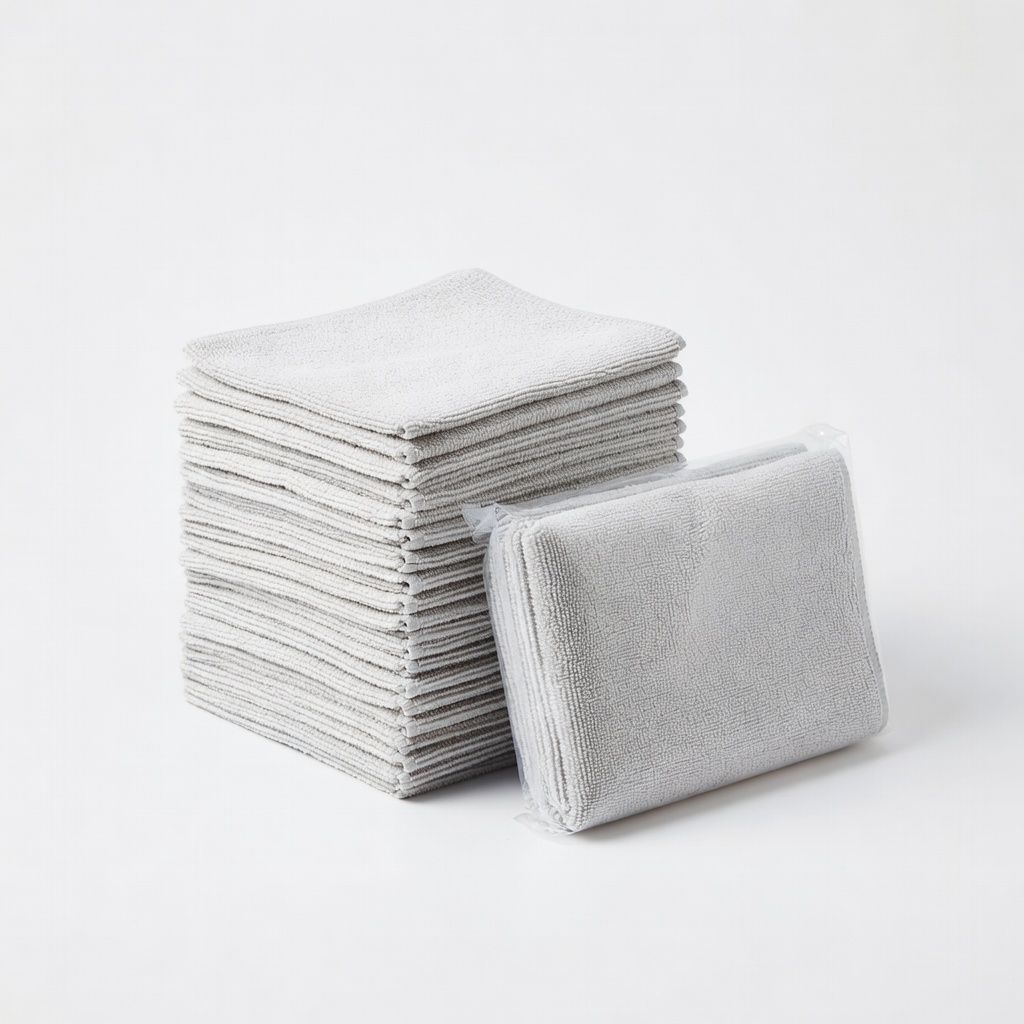
AmazonBasics Microfiber Cleaning Cloths (24-pack)
Ultra-soft, lint-free, and highly absorbent for gentle blotting without scratching delicate surfaces.
Best for: Essential for all wiping steps on glass, wood, or plastic.
Price Range: $12.99
Swan 99% Isopropyl Alcohol (16 oz)
Pure, fast-evaporating solvent perfect for dissolving oily residue safely when diluted.
Best for: Stubborn spots on non-porous delicates like glass or sealed wood.
Price Range: $11.99
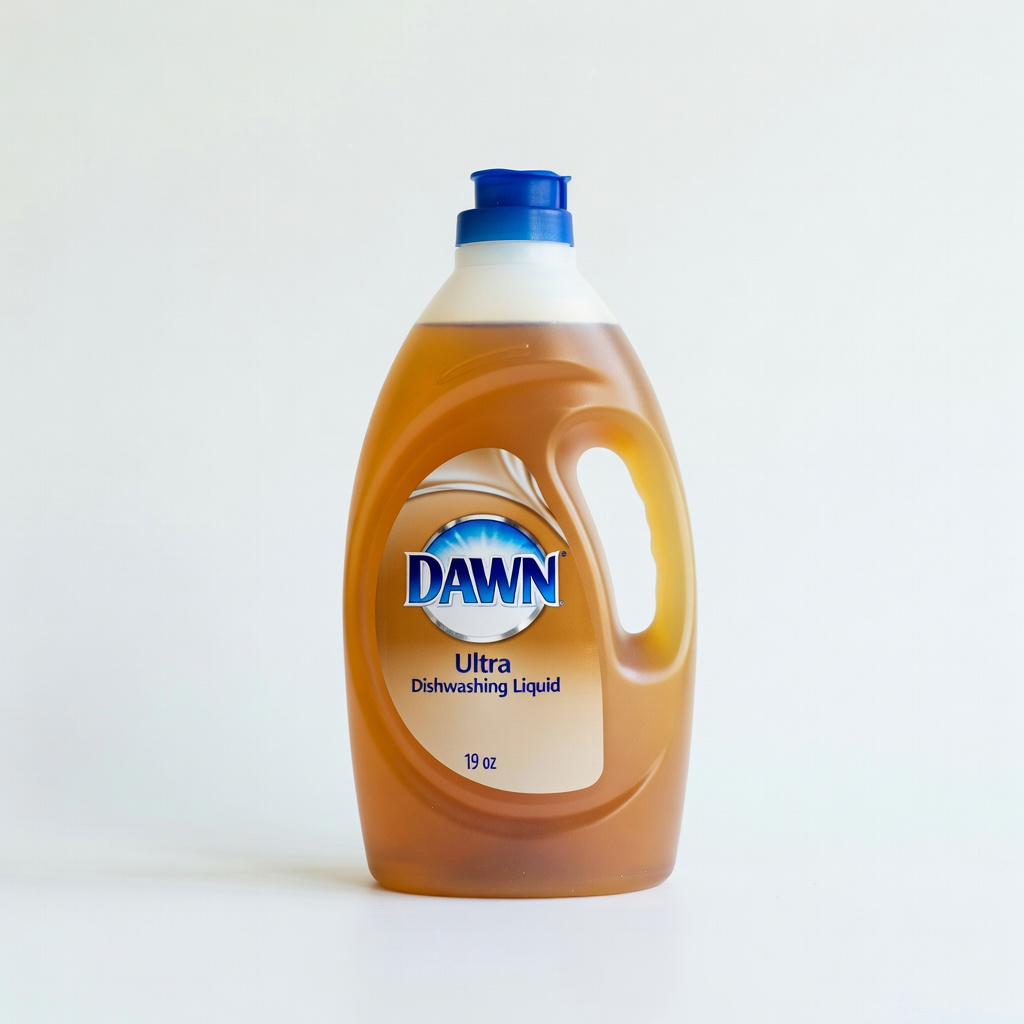
Dawn Ultra Dishwashing Liquid (19 oz)
Mild, effective grease-cutter that's safe for virtually all surfaces without residue.
Best for: Primary soapy solution for emulsifying oils in step 5.
Price Range: $3.99
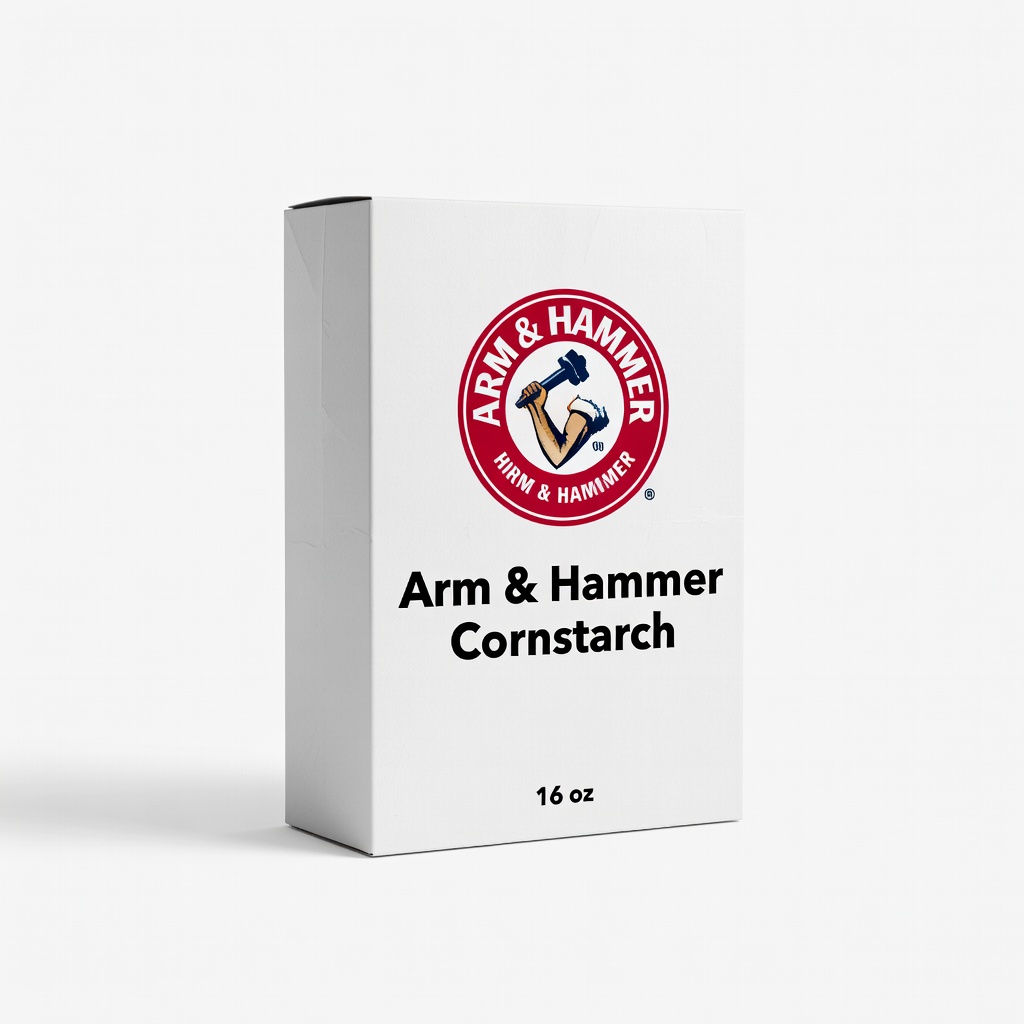
Arm & Hammer Cornstarch (16 oz)
Natural absorbent that pulls oils from residue without chemicals.
Best for: Key for step 3 on any delicate surface, especially fabrics.
Price Range: $4.99
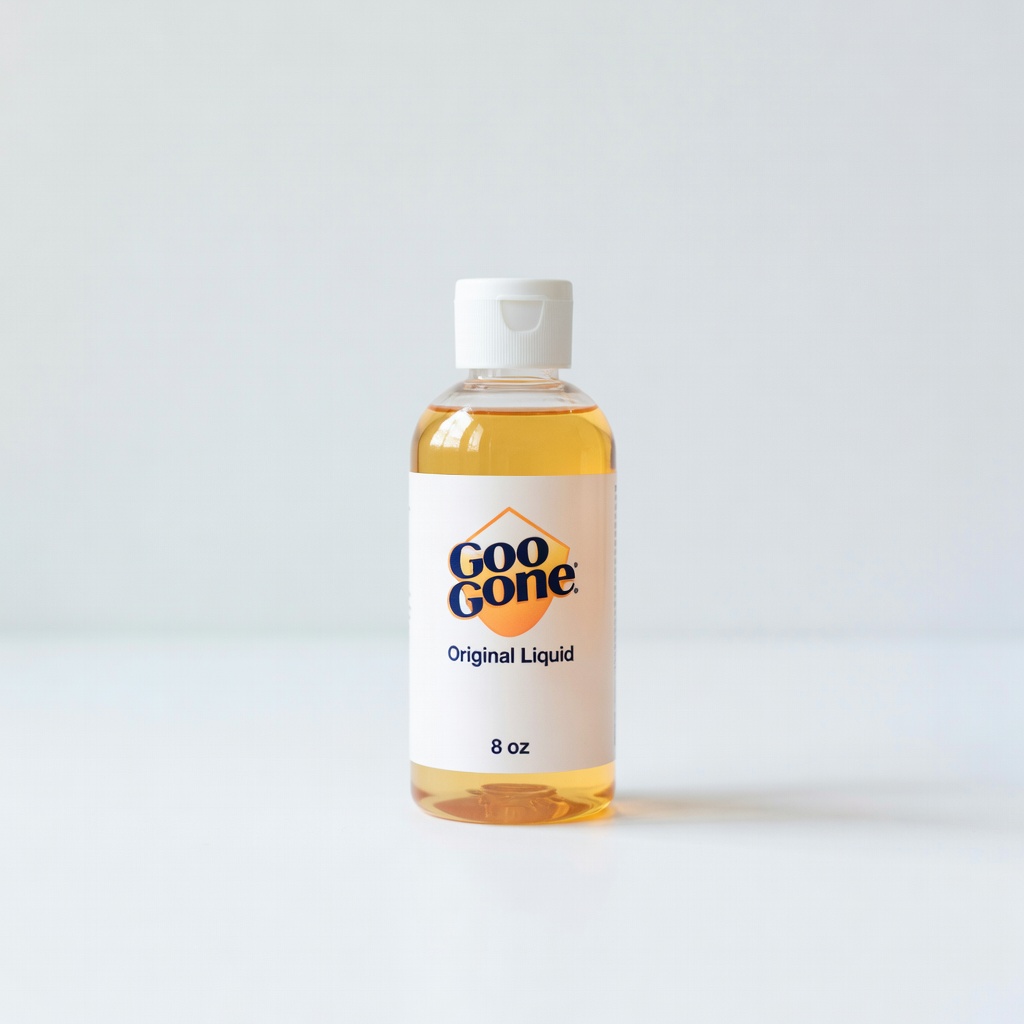
Goo Gone Original Liquid (8 oz)
If needed for heavy residue, its citrus base cleans without harming most delicates (test first).
Best for: Alternative solvent for plastic/metal, not primary but backup.
Price Range: $8.99