
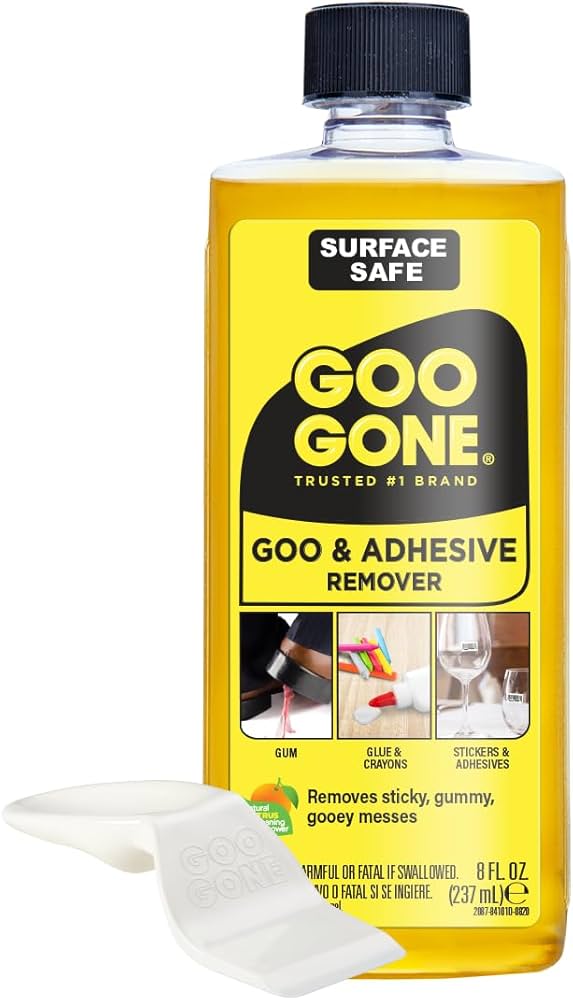
Goo Gone Original Liquid
Stubborn residues from Command strips or heavy-duty dots.
$8-12
Goo Gone Original Liquid Powerful citrus-based formula dissolves tough adhesive without harsh fumes, safe for painted walls.
Get the App
Better experience on mobile
Discover safe, beginner-friendly methods to effortlessly remove sticky adhesive dots without damaging your walls or paint.
Sticky adhesive dots, like those from Command hooks or removable wall decorations, are convenient until it's time to take them down. The leftover residue can pull off paint, leave greasy marks, or frustrate your cleanup efforts. If you've ever scraped at walls with a knife and ended up with chips or scratches, you're not alone—this is a common homeowner headache.
In this guide, you'll learn proven, painless techniques using household items or affordable products to remove adhesive dots cleanly. We'll cover step-by-step instructions that prioritize wall safety, taking just 10-20 minutes per dot. No harsh chemicals or aggressive tools required, making it perfect for renters or anyone preserving their paint job.
Expect gentle heating, solvent application, and wiping—no residue or damage when done right. Let's get those walls spotless!
Estimated Time: 10-20 minutes per adhesive dot Difficulty: beginner
Before tackling the visible spot, dab a small amount of rubbing alcohol or your chosen solvent on a hidden part of the wall, like behind furniture. Wait 1-2 minutes and check for any paint discoloration or softening.
This step prevents surprises—walls vary by paint type (latex vs. oil-based). Success looks like no color change or bubbling.
Why it matters: Protects your paint job from irreversible damage.
💡 Tips:
⚠️ Warnings:
Plug in your hairdryer and set it to low or medium heat. Hold it 6-8 inches from the dot and warm the adhesive for 30-60 seconds until it softens and feels pliable to the touch.
Heat loosens the adhesive bond without melting paint. You'll see the edges lift slightly—success means easy peeling without force.
Pro tip: Move the dryer in circles for even heating.
💡 Tips:
⚠️ Warnings:
Grasp the edge of the softened dot with your fingers or tweezers and peel it back at a 180-degree angle (parallel to the wall). Pull steadily and slowly—do not rip or yank.
This method minimizes residue. Success: The dot comes off in one piece, leaving minimal sticky film.
If it tears, reheat and continue peeling sections.
💡 Tips:
⚠️ Warnings:
Soak a microfiber cloth or cotton ball in rubbing alcohol or warm soapy water. Press it firmly onto the sticky residue for 1-2 minutes to dissolve the adhesive.
Solvents break down the glue's polymers safely. Expect the residue to turn gooey and wipeable.
For tougher spots, use a commercial remover sparingly.
💡 Tips:
⚠️ Warnings:
Use a plastic putty knife or old credit card to lift the softened residue. Hold at a 30-degree angle and scrape lightly in short strokes—no digging.
This removes bulk without scratching. Success: Clean wall with no gouges, just a faint shine.
Wipe scraper on cloth between passes.
💡 Tips:
⚠️ Warnings:
Dampen a fresh microfiber cloth with warm soapy water and wipe the spot thoroughly. Follow with a dry cloth to remove any moisture or haze.
This ensures no solvent lingers, preventing future stickiness. Wall should look pristine—no streaks or tackiness.
Let air dry for 5 minutes.
💡 Tips:
⚠️ Warnings:
Run your finger over the area— it should feel smooth. Shine a light at an angle to check for haze. Repeat steps 4-6 for any missed residue.
Final success: Invisible repair, ready for repainting or decorating.
💡 Tips:
Problem: Residue won't budge after soaking
Solution: Switch to Goo Gone or vegetable oil; let sit 10 mins, then re-scrape. Avoid force.
Problem: Paint is peeling despite testing
Solution: Stop immediately. Use soapy water only next time; touch up with matching paint.
Problem: Oily residue after cleaning
Solution: Wipe with dish soap + vinegar mix; repeat dry wipe.
Problem: Wall feels tacky post-removal
Solution: Lightly sand with 220-grit then clean; or use talcum powder to absorb.
Powerful citrus-based formula dissolves tough adhesive without harsh fumes, safe for painted walls.
Best for: Stubborn residues from Command strips or heavy-duty dots.
Price Range: $8-12
Lint-free and absorbent, perfect for applying solvents and buffing without scratching.
Best for: All wiping steps to avoid streaks.
Price Range: $13 for 24-pack
High-strength rubbing alcohol evaporates quickly, ideal for most latex paints.
Best for: Primary solvent for everyday adhesive dots.
Price Range: $10-15
Eco-friendly remover tackles glue and grease effectively on walls.
Best for: Oily or industrial adhesives.
Price Range: $7-10
Gentle pen applicator for precise spot treatment, no mess.
Best for: Small dots in high-visibility areas.
Price Range: $5-8
Stubborn residues from Command strips or heavy-duty dots.
Goo Gone Original Liquid Powerful citrus-based formula dissolves tough adhesive without harsh fumes, safe for painted walls.

All wiping steps to avoid streaks.
Amazon Basics Microfiber Cleaning Cloths Lint-free and absorbent, perfect for applying solvents and buffing without scratching.
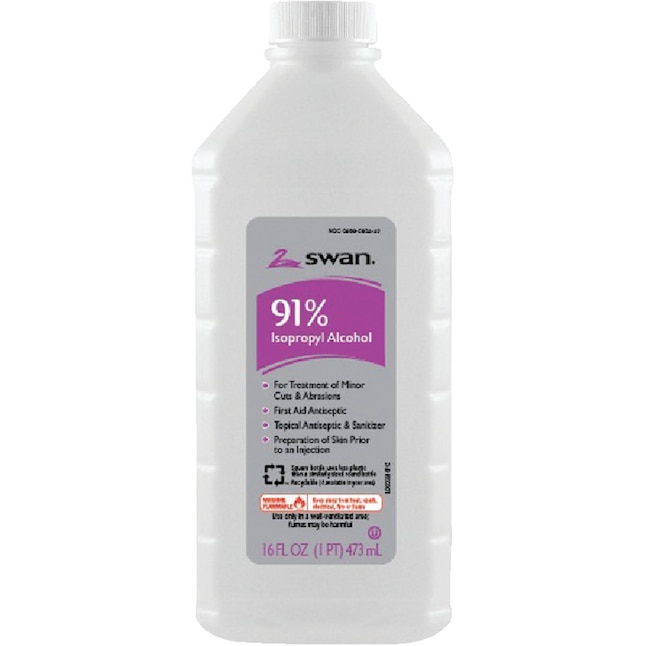
Primary solvent for everyday adhesive dots.
Swan 91% Isopropyl Alcohol High-strength rubbing alcohol evaporates quickly, ideal for most latex paints.
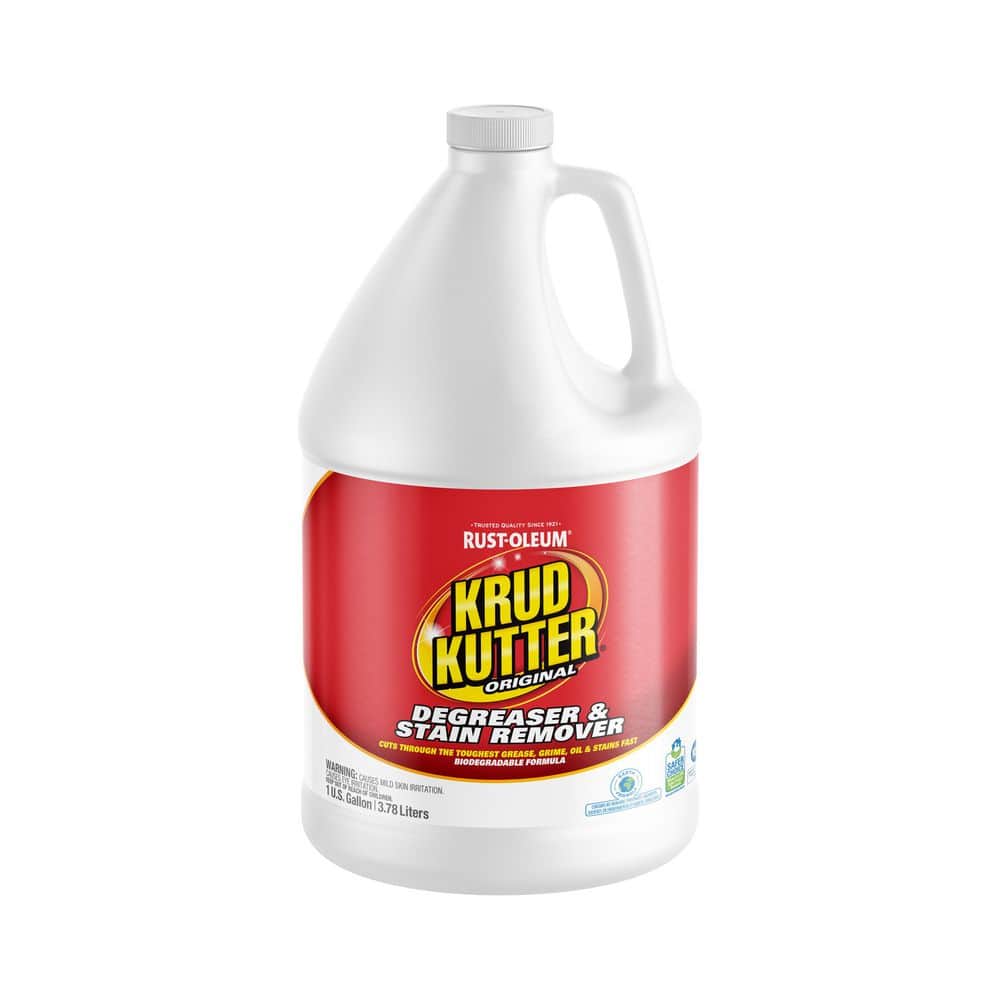
Oily or industrial adhesives.
Krud Kutter Original Cleaner/Degreaser Eco-friendly remover tackles glue and grease effectively on walls.
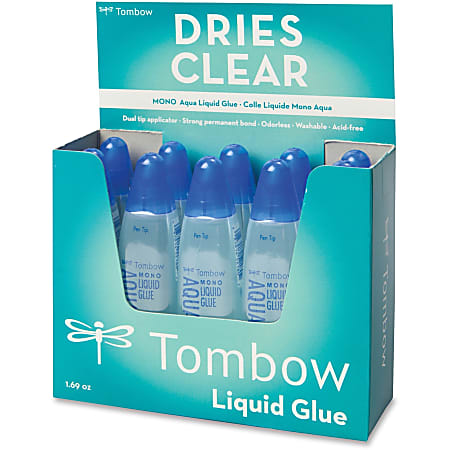
Small dots in high-visibility areas.
Tombow Mono Aqua Liquid Glue Remover Gentle pen applicator for precise spot treatment, no mess.