
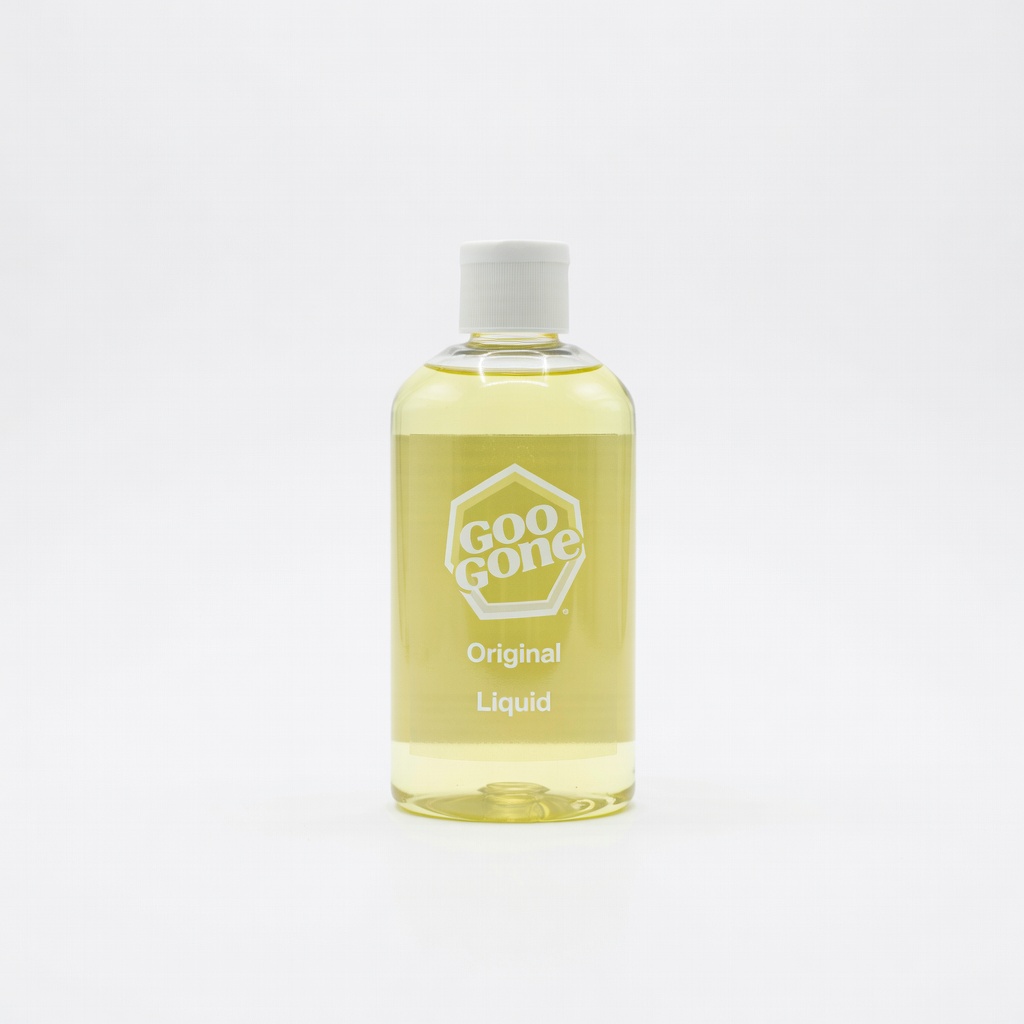
Goo Gone Original Liquid
Ideal for stubborn residue after peeling; spray and wipe.
$6.88-$9.99
Goo Gone Original Liquid Powerful citrus-based formula safely dissolves adhesive without harming most fabrics.
Get the App
Better experience on mobile
Discover safe, beginner-friendly steps to effortlessly remove sticky adhesive dots from clothes and upholstery without damage or residue.
Adhesive dots—those pesky sticky tabs from packaging, posters, or craft projects—can cling stubbornly to your favorite fabrics, leaving marks or residue that seem impossible to remove. Whether it's on your shirt, couch, or curtains, dealing with them can be frustrating, but don't worry: you don't need harsh chemicals or expensive dry cleaning.
In this guide, you'll learn proven, gentle methods like freezing and oil-based removal that work on most fabrics. We'll cover everything step-by-step, from preparation to final wash, so you can restore your fabric in under 30 minutes. These techniques are safe for beginners and tested on cotton, polyester, and blends—no professional skills required.
Expect quick results with minimal effort; most dots lift off cleanly on the first try if you follow along carefully.
Estimated Time: 15-30 minutes Difficulty: beginner
Before starting, check your fabric label or test a small area. Adhesive dots respond best to cold on delicates like silk, while cottons handle oils well.
Why it matters: Wrong methods can cause discoloration or damage. Success looks like knowing if it's washable (e.g., cotton shirt) or dry-clean only.
Gently stretch the fabric—no pulling needed yet.
💡 Tips:
⚠️ Warnings:
Dab a tiny amount of rubbing alcohol or your remover on an inside seam or hem. Wait 5 minutes and check for color change or weakening.
This prevents surprises. Expect no change on safe fabrics; blot dry with a cloth.
Pat dry—no rubbing.
💡 Tips:
⚠️ Warnings:
Place an ice pack or freezer bag of ice directly on the dot for 10-15 minutes. The cold hardens the adhesive, making it brittle.
Why: Freezing shrinks and cracks the glue without solvents. Success: Dot feels firm and less sticky to touch.
Press gently; cover with plastic wrap if needed to avoid moisture.
💡 Tips:
Use your fingernail or plastic scraper to lift the edge, peeling slowly at a 45-degree angle. Work from one side to avoid stretching fabric.
Expect clean lift-off; some residue may remain—that's normal.
If it resists, refreeze for 5 more minutes.
💡 Tips:
⚠️ Warnings:
Saturate a cotton swab with rubbing alcohol or Goo Gone, then dab the sticky residue. Let sit 2-5 minutes to break down the glue.
Why: Solvents dissolve leftover adhesive safely. Success: Residue balls up or softens.
Work in sections if large area.
💡 Tips:
Gently wipe with microfiber cloth in circular motions. Reapply remover if needed, but sparingly.
Expect fabric to feel clean and smooth. Blot, don't rub, to avoid pilling.
Repeat until no stickiness remains.
⚠️ Warnings:
Mix mild dish soap with warm water, dab on with cloth, then rinse with damp cloth. Air dry or tumble low.
Final check: Fabric should be residue-free and unstained. Wash per label if possible.
Inspect under light for missed spots.
💡 Tips:
Problem: Residue won't budge after freezing.
Solution: Switch to oil method: Apply olive oil, wait 10 min, wipe, then soap.
Problem: Color fading or bleeding.
Solution: Stop immediately, blot with water, air dry. Use milder soap next time.
Problem: Dot on delicate silk or wool.
Solution: Use dry ice or professional cleaner; avoid liquids.
Problem: Large sticky area on upholstery.
Solution: Vacuum loose bits first, treat in grids. Seek upholstery specialist if persists.
Powerful citrus-based formula safely dissolves adhesive without harming most fabrics.
Best for: Ideal for stubborn residue after peeling; spray and wipe.
Price Range: $6.88-$9.99
Pure, fast-evaporating solvent that's gentle on fabrics and evaporates residue-free.
Best for: Dab on cotton swabs for quick residue breakdown on clothes.
Price Range: $19.99-$24.99
Lint-free and absorbent, perfect for wiping without scratching or leaving fibers.
Best for: Use during wiping and final clean-up for streak-free results.
Price Range: $12.99 for 24-pack
Faster freezing than ice packs for quick hardening on tricky spots.
Best for: Spray directly for non-washable fabrics or upholstery.
Price Range: $14.99-$18.99
Tough on adhesives, safe for fabrics, no harsh fumes.
Best for: Heavy-duty residue on couches or rugs.
Price Range: $8.99-$12.99
Ideal for stubborn residue after peeling; spray and wipe.
Goo Gone Original Liquid Powerful citrus-based formula safely dissolves adhesive without harming most fabrics.
Dab on cotton swabs for quick residue breakdown on clothes.
MG Chemicals 99% Isopropyl Alcohol Pure, fast-evaporating solvent that's gentle on fabrics and evaporates residue-free.
Use during wiping and final clean-up for streak-free results.
Amazon Basics Microfiber Cleaning Cloths Lint-free and absorbent, perfect for wiping without scratching or leaving fibers.
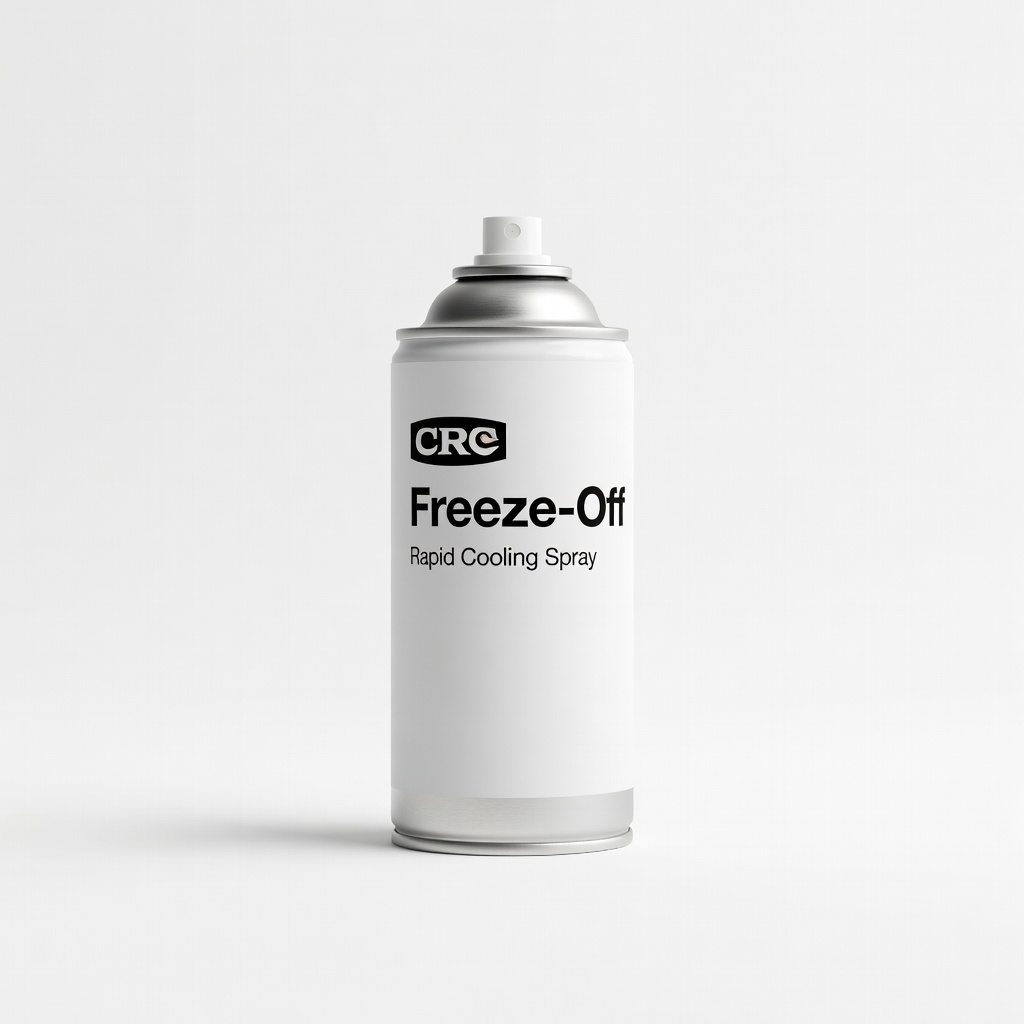
Spray directly for non-washable fabrics or upholstery.
CRC Freeze-Off Rapid Cooling Spray Faster freezing than ice packs for quick hardening on tricky spots.
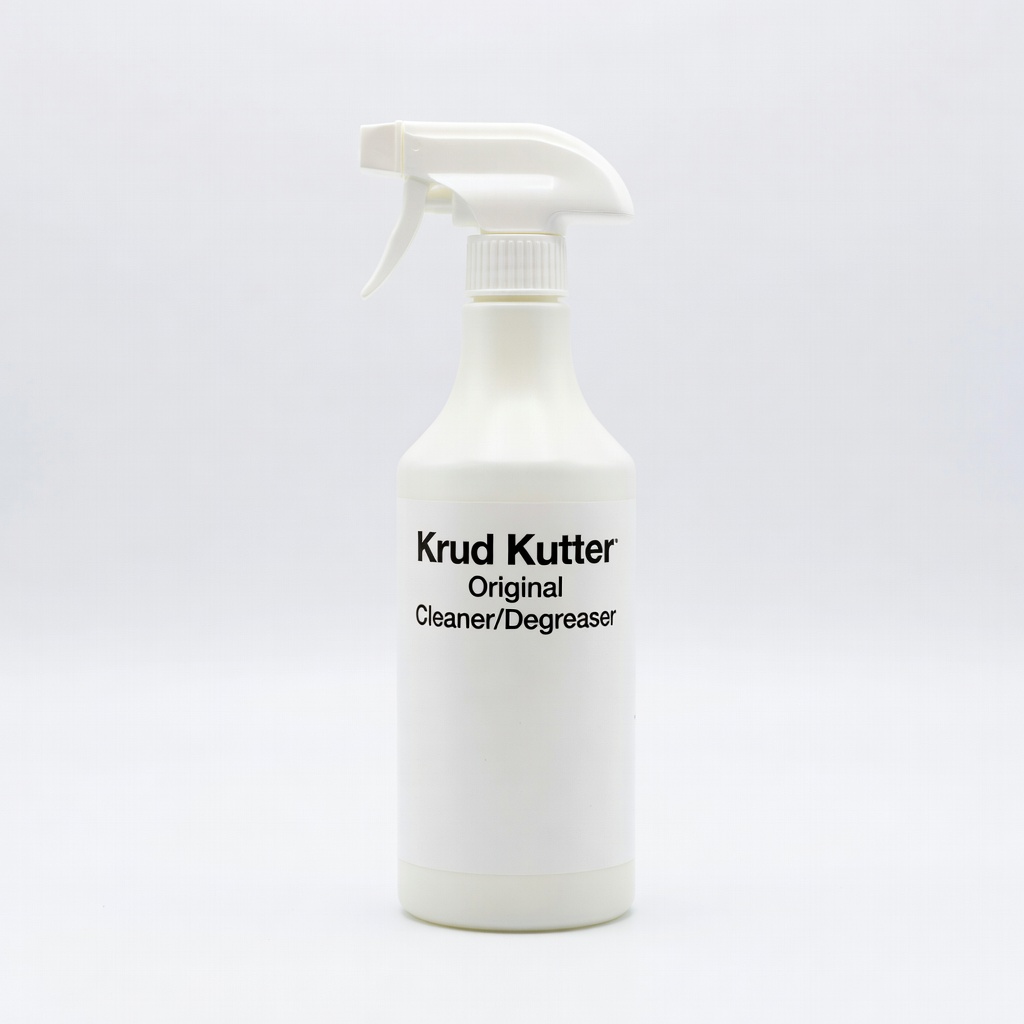
Heavy-duty residue on couches or rugs.
Krud Kutter Original Cleaner/Degreaser Tough on adhesives, safe for fabrics, no harsh fumes.