Sticky adhesive dots, like those from Command hooks or 3M strips, are great for damage-free hanging but can leave behind tough residue when removed. Whether you're redecorating or fixing a rental mishap, scraping them off roughly risks scratching paint, peeling wallpaper, or clouding glass. This guide shows you gentle, beginner-friendly methods to dissolve and lift residue cleanly.
You'll learn proven techniques using heat, mild solvents, and tools that prioritize surface safety. The process is straightforward: soften, peel, dissolve, and polish. Expect 5-15 minutes per dot, depending on size and age—no harsh chemicals or elbow grease required.
Perfect for walls, mirrors, painted wood, and light fabrics, these steps minimize risks while maximizing success. Always test first to protect your surfaces.
▸What You'll Need
- •Rubbing alcohol (70-91%) or commercial adhesive remover like Goo Gone
- •Cotton balls or swabs
- •Microfiber cloth or soft rag
- •Hairdryer (optional but recommended)
- •Plastic scraper or old credit card (never metal)
- •Mild dish soap and warm water
- •Optional: Vegetable oil or baby oil for extra-delicate surfaces
Estimated Time: 5-15 minutes per dot
Difficulty: beginner
▸Step-by-Step Instructions
Step 1: Identify Surface Type and Test Area
Before starting, determine if the surface is painted wall, glass, mirror, wallpaper, or fabric. Adhesive dots vary by age—older ones are harder.
Choose an inconspicuous spot (like behind furniture) and test your solvent: dab rubbing alcohol or Goo Gone on a cotton ball, wait 1 minute, and wipe. No discoloration or damage? Proceed.
Success looks like: Surface unchanged after 60 seconds.
💡 Tips:
- •Wear gloves if sensitive to solvents.
- •Note the test result for the whole area.
⚠️ Warnings:
- •Avoid acetone/nail polish remover on paint—it dissolves finishes.
Step 2: Soften the Adhesive with Heat
Plug in a hairdryer on low heat, hold 6-8 inches from the dot, and warm for 30-60 seconds. Heat loosens the adhesive bond without melting paint.
This mimics manufacturer removal tips for Command products, preventing tearing.
Success looks like: Dot feels pliable and edges lift slightly.
💡 Tips:
- •Move dryer in circles for even heat.
- •Skip if surface is heat-sensitive like vinyl.
⚠️ Warnings:
- •Don't overheat—high settings can bubble paint.
Step 3: Gently Peel Off the Dot
Start at one corner, lift slowly with fingernail or plastic scraper at a 180-degree angle (parallel to surface). Pull steadily without jerking.
If it resists, reapply heat for 15 seconds.
Success looks like: Dot removes in one piece, minimal residue left.
💡 Tips:
- •Use dental floss for tight spots—saw it under like thread.
⚠️ Warnings:
- •Never yank—causes surface pulls or residue smearing.
Step 4: Apply Solvent to Residue
Dab rubbing alcohol or Goo Gone onto a cotton ball. Press onto residue for 1-2 minutes to dissolve the glue.
For ultra-delicate surfaces like fabric, use vegetable oil instead—it emulsifies without staining.
Success looks like: Residue turns gooey and wipes away easily.
💡 Tips:
- •Saturate but don't drench—blot excess.
⚠️ Warnings:
- •Test solvent again if residue is thick.
Step 5: Scrape and Wipe Residue Gently
Use plastic scraper to lift softened goo, then wipe with microfiber cloth in circular motions. Reapply solvent as needed.
Work in small sections to avoid spreading.
Success looks like: Surface smooth, no tacky spots.
💡 Tips:
- •Buff lightly for shine on glass.
⚠️ Warnings:
- •No metal tools—scratches glass or paint.
Step 6: Clean and Dry the Area
Mix mild dish soap with warm water, wipe the spot with a damp cloth, then dry immediately with microfiber.
Soap removes solvent traces; drying prevents water spots.
Success looks like: Clean, residue-free surface matching surroundings.
💡 Tips:
- •Air dry fabric items outdoors.
⚠️ Warnings:
- •Skip soap on unsealed wood.
Step 7: Inspect and Repeat if Needed
Check under light for haze. Repeat steps 4-6 if any stickiness remains.
Let cure 24 hours before repainting or hanging new items.
Success looks like: Flawless surface ready for use.
💡 Tips:
- •Take before/after photos for rentals.
▸Pro Tips
- •Work in a well-ventilated area—solvents off-gas.
- •Freeze residue with ice pack first for super-sticky dots on glass.
- •Use peanut butter on walls: natural oils dissolve glue, wipe off.
- •For multiple dots, batch heat to save time.
- •Prevent future issues: follow weight limits on adhesive products.
- •Combine heat + solvent for fastest results.
- •Store cotton swabs pre-dipped for quick jobs.
▸Common Mistakes to Avoid
- •Using sharp tools: Scratches delicate surfaces—stick to plastic.
- •Skipping the test: Discolors paint—always spot-test first.
- •Rubbing too hard: Spreads residue—blot and lift instead.
- •Overusing solvent: Dries out wood/paint—dab sparingly.
- •Ignoring heat: Makes peeling impossible—soften first.
▸Troubleshooting
Problem: Residue won't budge after solvent
Solution: Soak cotton ball on spot 5 minutes, or switch to oil-based remover. Repeat heat.
Problem: Surface discolored slightly
Solution: Wipe with soap/water immediately; baking soda paste buffs mild marks.
Problem: Sticky haze remains after cleaning
Solution: Talcum powder absorb overnight, vacuum gently.
Problem: Adhesive on fabric stained
Solution: Dab with vinegar, launder per tag. Seek dry cleaner if persists.
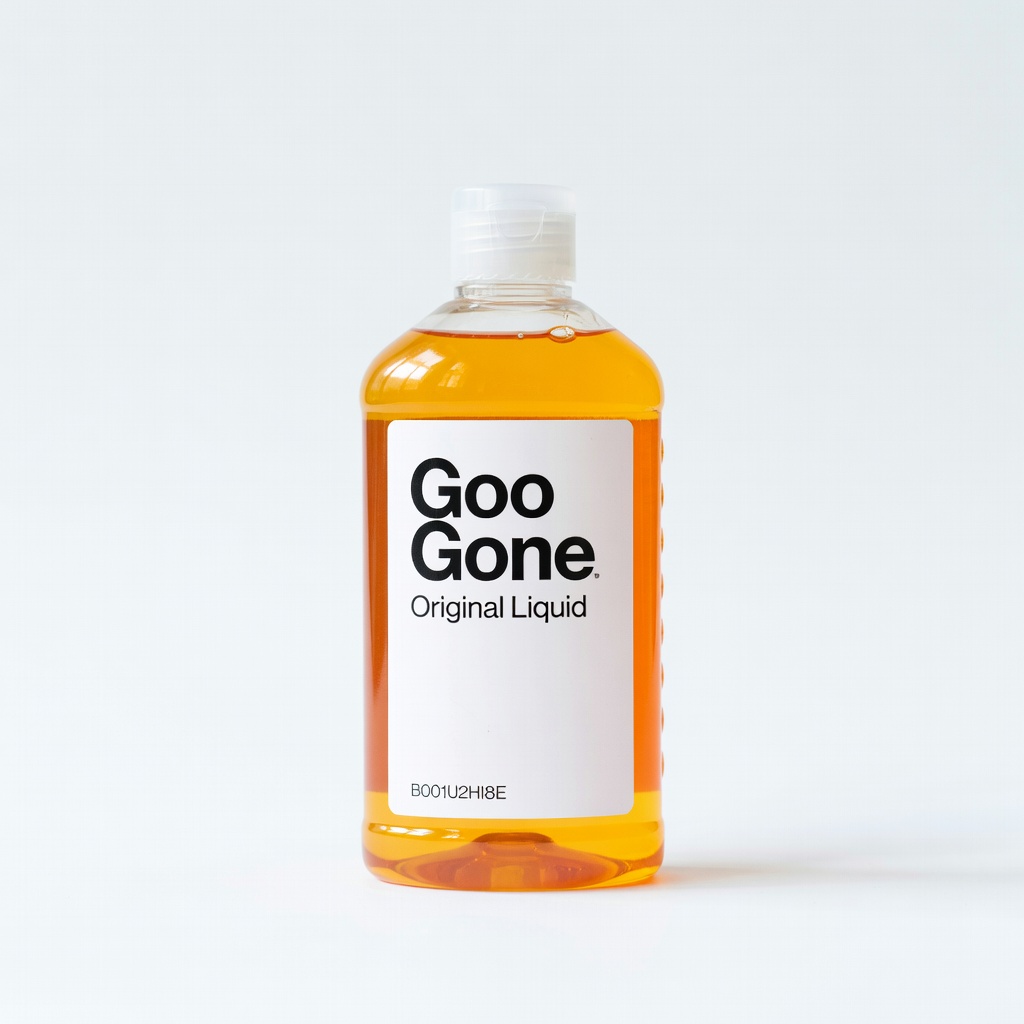
Goo Gone Original Liquid (ASIN: B001U2HI8E)
Proven gentle formula dissolves adhesive without harming paint or glass; citrus-based scent is mild.
Best for: Best for walls and mirrors where rubbing alcohol is too drying.
Price Range: $8-$10
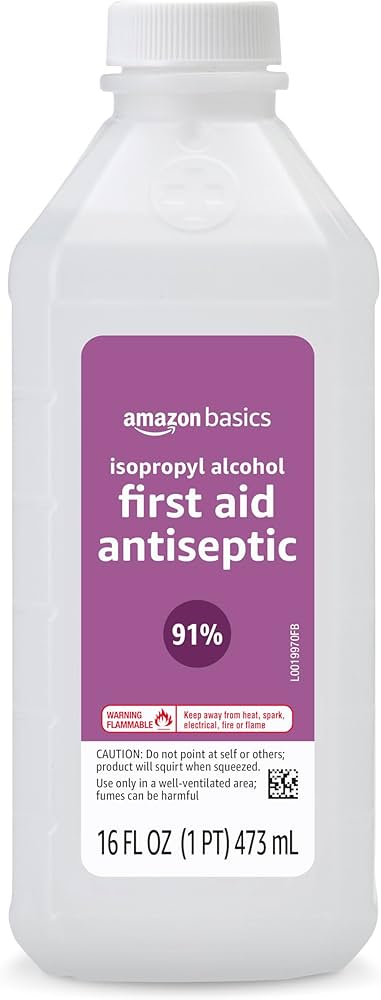
Amazon Basics 91% Isopropyl Alcohol (ASIN: B08F7F5Y8K)
Fast-evaporating, non-oily solvent safe for most delicate surfaces; budget-friendly bulk option.
Best for: Quick jobs on glass or plastic; disinfects too.
Price Range: $5-$7
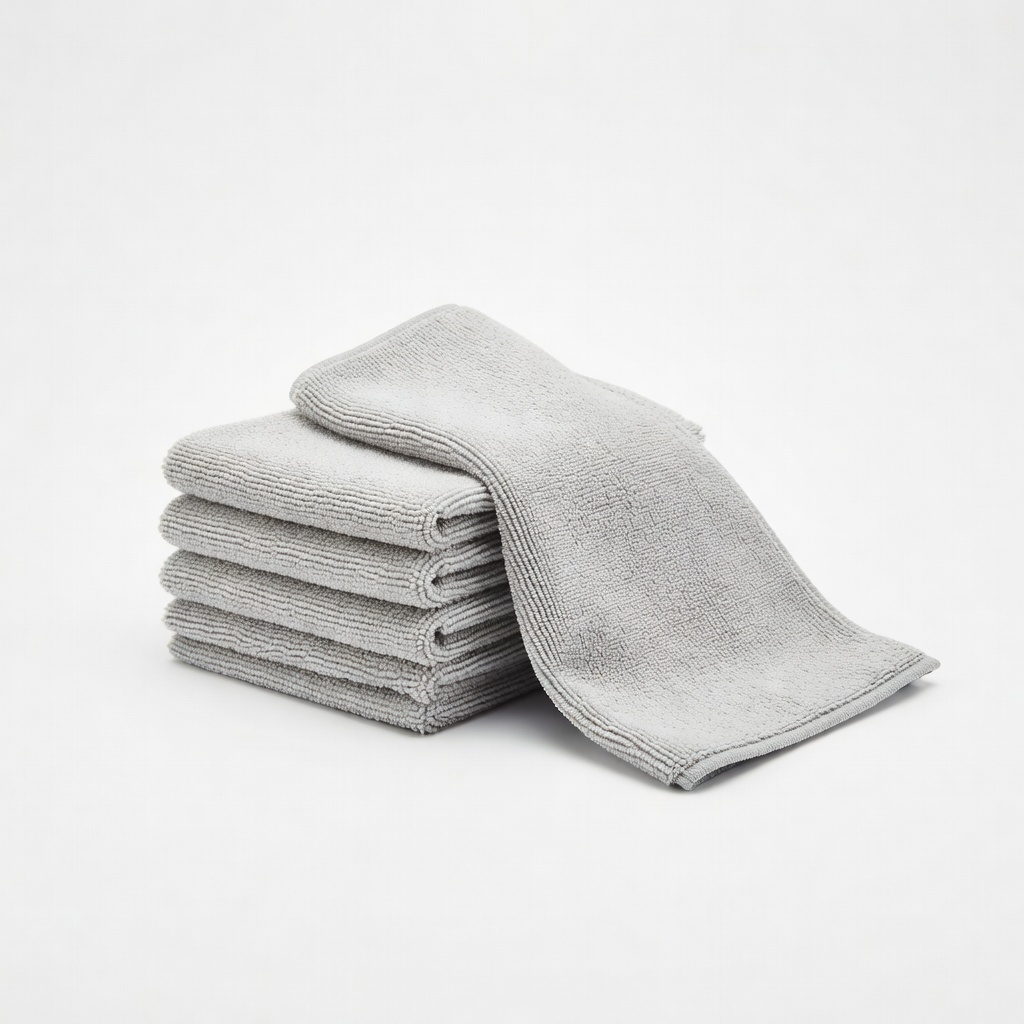
Amazon Basics Microfiber Cleaning Cloths (ASIN: B07H585Q6B)
Lint-free, streak-free wiping prevents scratches and residue smearing.
Best for: Final polish on all surfaces; reusable for hundreds of jobs.
Price Range: $10-$13 for 24-pack
Un-Du Adhesive Remover (ASIN: B0002JRD2G)
Water-based, non-toxic spray for fabric and paper; no oily residue.
Best for: Delicate fabrics or wallpaper where oils risk stains.
Price Range: $6-$8
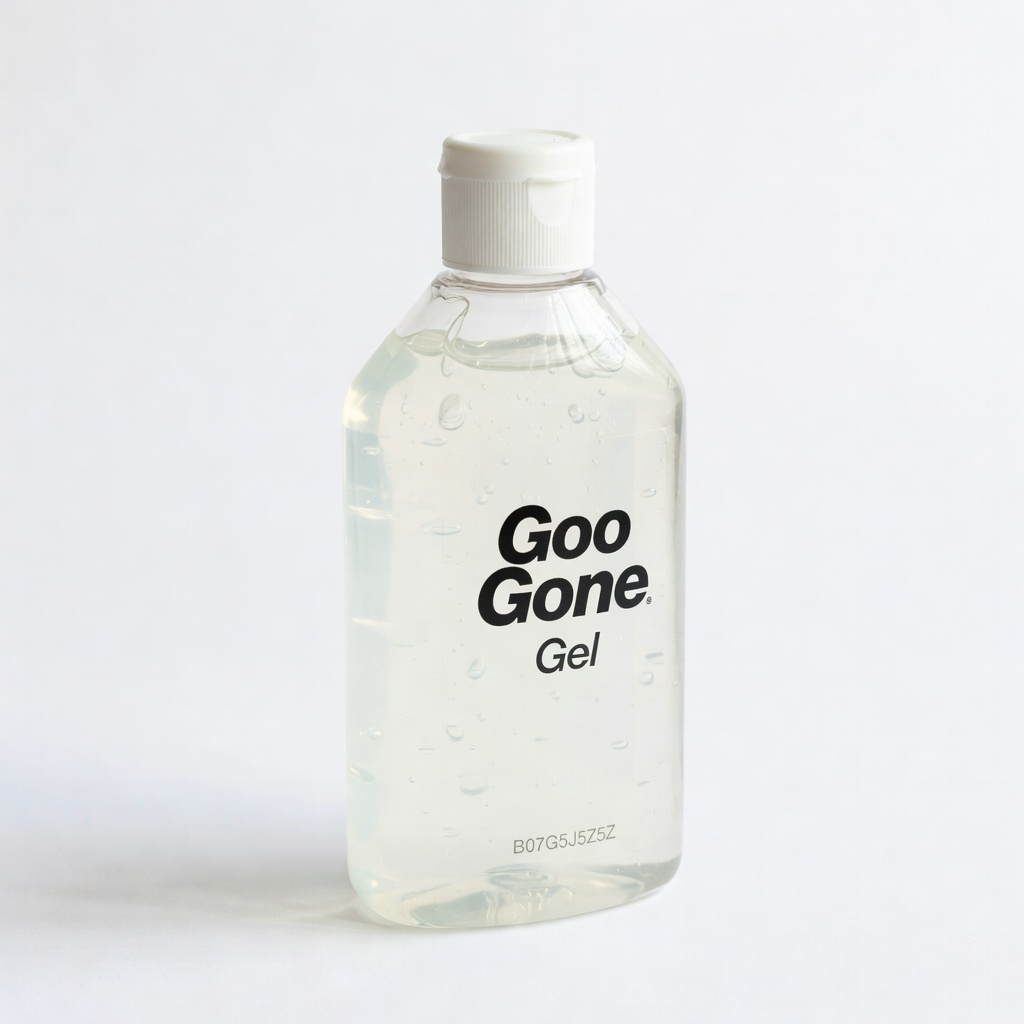
Goo Gone Gel (ASIN: B07G5J5Z5Z)
Thick gel clings to vertical surfaces without dripping; safe for automotive/delicate paints.
Best for: Walls or large dots where liquid runs.
Price Range: $7-$9